What Is Kratom in Thailand? Laws, How to Enjoy It, and Top Kratom Drinks for Travelers
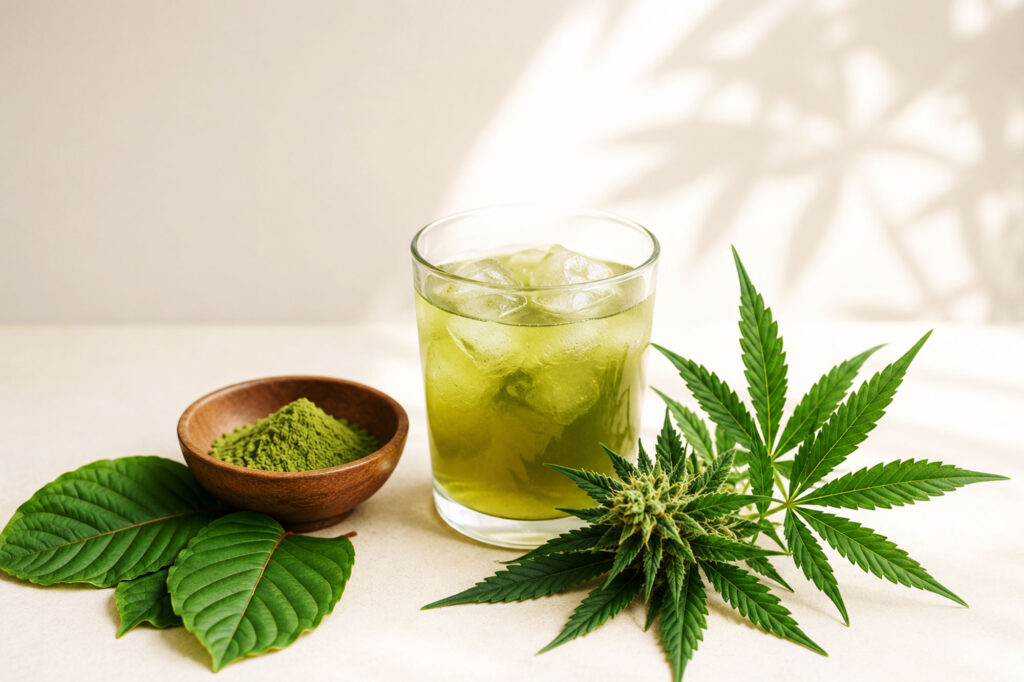

Traveling in Thailand, the word “Kratom” comes up more often than it used to — in cafes, at dispensaries, in conversations with other travelers. Once strictly regulated within Thailand itself, the legal situation has shifted in recent years, and shops and cafes dedicated to kratom drinks are now a visible part of the street scene in Bangkok and beyond.
Kratom (Kratom) is a tropical evergreen tree in the Rubiaceae family, scientifically known as Mitragyna speciosa, native to Southeast Asia including Thailand, Malaysia, and Indonesia. Long familiar in Thailand, it was subject to regulation for many decades. Following a 2021 legal reform, that regulation was lifted, and kratom is now permitted to be cultivated and sold under certain conditions. Cafes and shops offering kratom drinks and related products have grown in number since then, establishing kratom as one aspect of Thailand’s plant culture that visitors are beginning to notice. Laws and handling vary by country, so travelers should confirm local rules before engaging with it.
Kratom is a plant known for producing different sensations depending on the amount taken and individual body chemistry. Some people report feeling lighter and more energetic at lower amounts; at higher amounts, calmer or drowsier sensations have been reported. These responses vary between individuals, and scientific research in this area is ongoing.
Walking through Bangkok and Pattaya over the past few years, it’s clear that kratom-related products and shops have become more common. At the same time, information available in English remains limited for many visitors — “what exactly is kratom” and “how is it used in Thailand” are questions worth addressing before arrival.
This article covers the basic characteristics of the kratom plant, its history in Thailand, and how it fits into Thai society today, drawing on firsthand observation alongside publicly available information.
1: What Is Kratom in Thailand? History, Characteristics, and Why It’s Gaining Attention
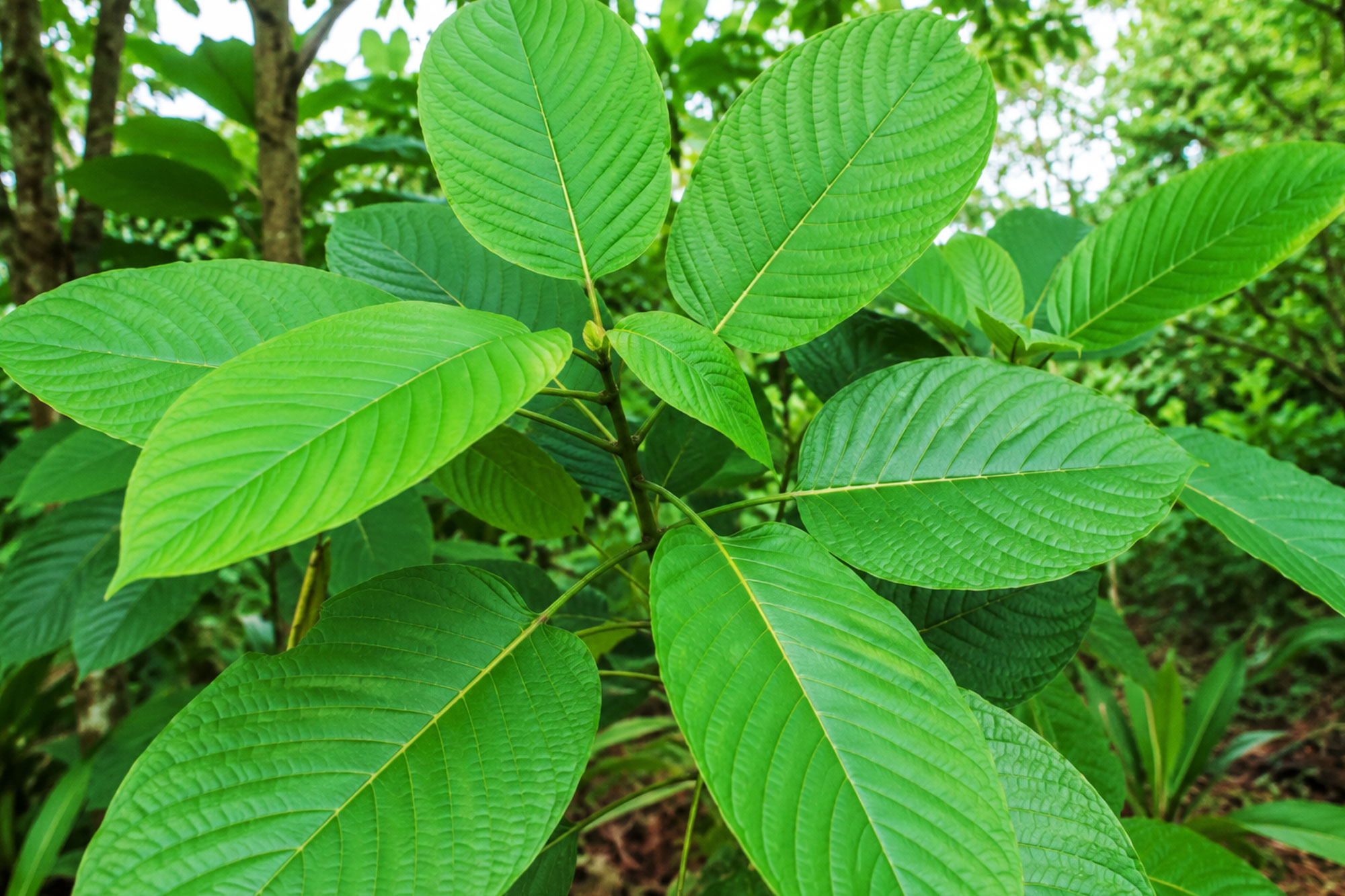
The plant known as kratom in Thailand is a tree native to Southeast Asia, in the Rubiaceae family. It grows naturally in southern Thailand in particular, and is now also cultivated in some regions. In recent years, kratom-based drinks and related products have become more visible across Thailand, attracting growing interest from travelers.
Unlike cannabis dispensaries, kratom-specific cafes and drink stands have been quietly multiplying — it’s beginning to read as a distinct category within Thai plant culture rather than an extension of the cannabis scene.
What Kind of Plant Is Kratom?
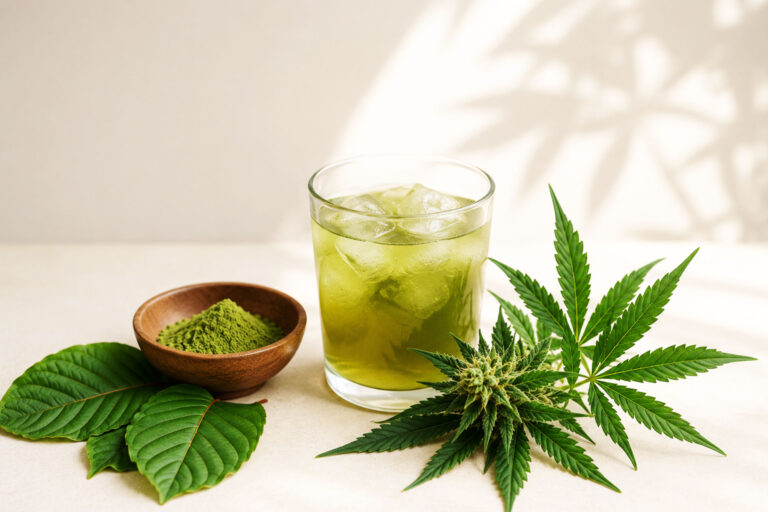
Kratom’s scientific name is Mitragyna speciosa, a tropical evergreen distributed across Thailand, Malaysia, Indonesia, and other parts of Southeast Asia. It can grow over 10 meters tall and is characterized by dense, dark green leaves.
Botanically it belongs to the same Rubiaceae family as coffee, though its appearance and use differ considerably. In Thailand, it has been known within local communities for generations, and today appears as an ingredient in drinks and processed food products available for purchase. (Source: Thai Food and Drug Administration)
Kratom’s History in Thailand
Kratom has been most closely associated with southern Thailand historically, where it was reportedly part of daily life among people working in agriculture, rubber plantations, and orchards. Fresh leaves were chewed directly or boiled and drunk as a tea, with preparation varying by household and region. (Source: United Nations Office on Drugs and Crime (UNODC))
In 1943, the Kratom Act was passed, and the plant became subject to prohibition for cultivation and possession for many decades. Tax revenue considerations were reportedly among the factors at the time.
The Thai government subsequently reviewed the legislation, and in 2021 kratom was removed from the controlled substances list. Cultivation and sale are now permitted under certain conditions. The legal reform triggered a visible expansion of kratom cafes, kratom sodas, and related products — a convergence of traditional plant culture and contemporary cafe formats. (Source: Royal Gazette of Thailand)
2: Is Kratom Legal in Thailand? What Travelers Should Know Before Visiting
For many people planning a trip to Thailand, the first question is whether kratom is legal there. Before visiting kratom-related shops for this article, the current regulatory situation was confirmed each time.
The short answer: kratom is currently legal in Thailand. That said, it isn’t entirely unrestricted — rules govern how it can be sold and used. Understanding the current framework before arrival makes it easier to engage with kratom culture in Thailand with confidence.
Current Legal Status
Following the 1943 Kratom Act that regulated it for decades, Thailand passed a legal reform in August 2021 removing kratom from the controlled substances list. It can now be cultivated and sold as a general plant product, and cafes and shops offering kratom have expanded accordingly. (Source: Royal Gazette of Thailand)
Separate regulations still apply, however — including restrictions on sales to minors and rules governing how it can be sold. Shops operate within the current framework.
Can Travelers Buy and Drink It?
Currently in Thailand, travelers can purchase and order kratom at shops and cafes that offer it. Shops serving kratom drinks in central Bangkok have become easier to find than they were a few years ago.
The Thai FDA (Food and Drug Administration) is the government body overseeing food, beverages, and supplements sold in Thailand. Some kratom drink products have been registered with the Thai FDA, meaning they have gone through the required sales and labeling procedures under Thai law. FDA registration is not a guarantee of efficacy or safety; it indicates that a product meets the applicable standards for sale and labeling.
At the shops visited for this article, both Thai customers and foreign visitors were ordering kratom drinks. Most kratom beverages sold through established retail channels are Thai FDA registered, which provides a baseline of assurance for travelers.
Things to Be Aware Of
Legal in Thailand does not mean legal everywhere. Kratom’s legal status varies significantly by country, and purchasing it with the intention of bringing it back to Japan or carrying it to a third country is something to avoid.
Thai regulations may also be revised in the future. Before traveling, checking for the most current information is worthwhile. When using kratom in Thailand, following shop staff guidance and local rules is the practical approach. Rather than assuming “it’s legal in Thailand so everything is fine,” taking the time to understand the current situation makes for a more straightforward experience.
3: How to Enjoy Kratom in Thailand
In Thailand, kratom is most commonly offered as a drink — at kratom cafes and specialist shops, but increasingly at dispensaries and lifestyle stores too. Having visited a number of these, the range has clearly expanded beyond straight-style kratom drinks to include lemon, herb, and other combinations that make it more approachable.
That said, kratom is a plant with characteristics that set it apart from ordinary soft drinks or food products. For a first try, rather than drinking a large amount at once, taking guidance from shop staff and starting at a manageable level is the sensible approach.
Effects of Kratom
Kratom contains alkaloids including mitragynine (Mitragynine), and differences in sensation depending on the amount consumed have been reported. Individual responses vary considerably, and this remains an area of active scientific research. (Source: National Institute on Drug Abuse (NIDA))
Rather than approaching kratom with specific “effects” in mind, understanding it as one part of a plant culture long embedded in Thai life and experiencing it as something distinctly local seems like the more fitting frame.
If You Drink Too Much
Taking a large amount of kratom at once has been associated with nausea, dizziness, and drowsiness in some cases. Individual responses also vary with body type and current condition, so starting with a small amount when trying it for the first time is recommended. (Source: Centers for Disease Control and Prevention (CDC))
For anyone trying kratom for the first time: avoiding it on an empty stomach, not drinking large amounts in a short period, and skipping it on days when you’re not feeling well are straightforward precautions worth taking.
4: Can You Enjoy Kratom and Cannabis Together?
Since both kratom and cannabis have been legalized in Thailand, shops and cafes offering both are not uncommon to encounter.
Naturally, some travelers wonder whether it’s fine to use both together. Having visited shops in Thailand that carry both products, the most common thing staff say is: “For first-timers, Thai FDA registered kratom drinks are fine to try alongside cannabis.” The consistent advice is to understand each product individually first, then figure out whether it suits you before combining anything.
How Kratom and Cannabis Differ
Both are plant-derived, but the active compounds, legal classification, and typical use cases are different. Kratom contains alkaloids including mitragynine; cannabis contains cannabinoids including THC and CBD. They are distinct plants and should be understood as such. (Source: National Institute on Drug Abuse (NIDA))
5: Two Recommended Kratom Soda Brands
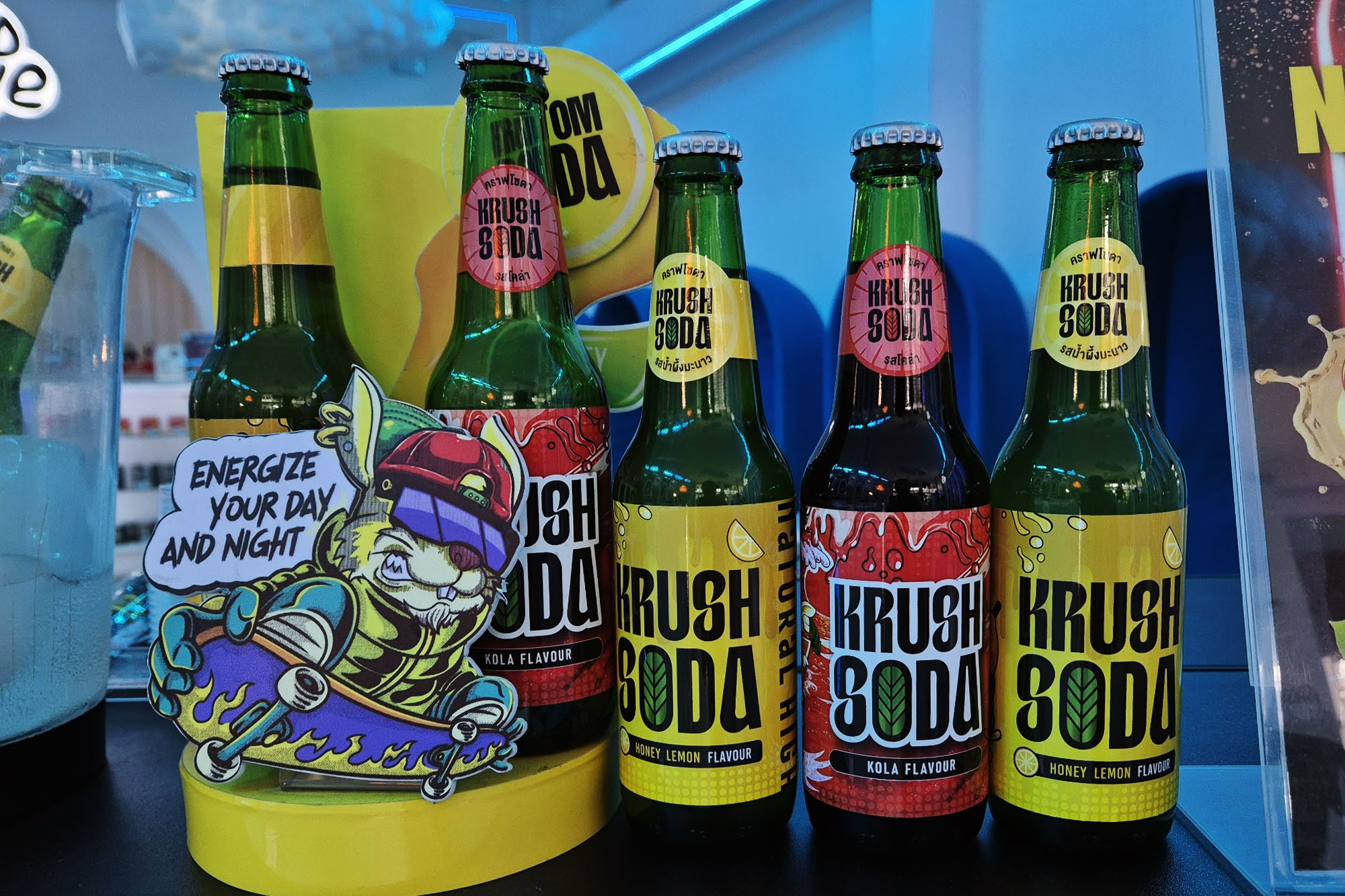
Carbonated and Easy to Drink
Krash Soda
A kratom soda brand with approachable flavors. A good starting point for anyone trying kratom for the first time.
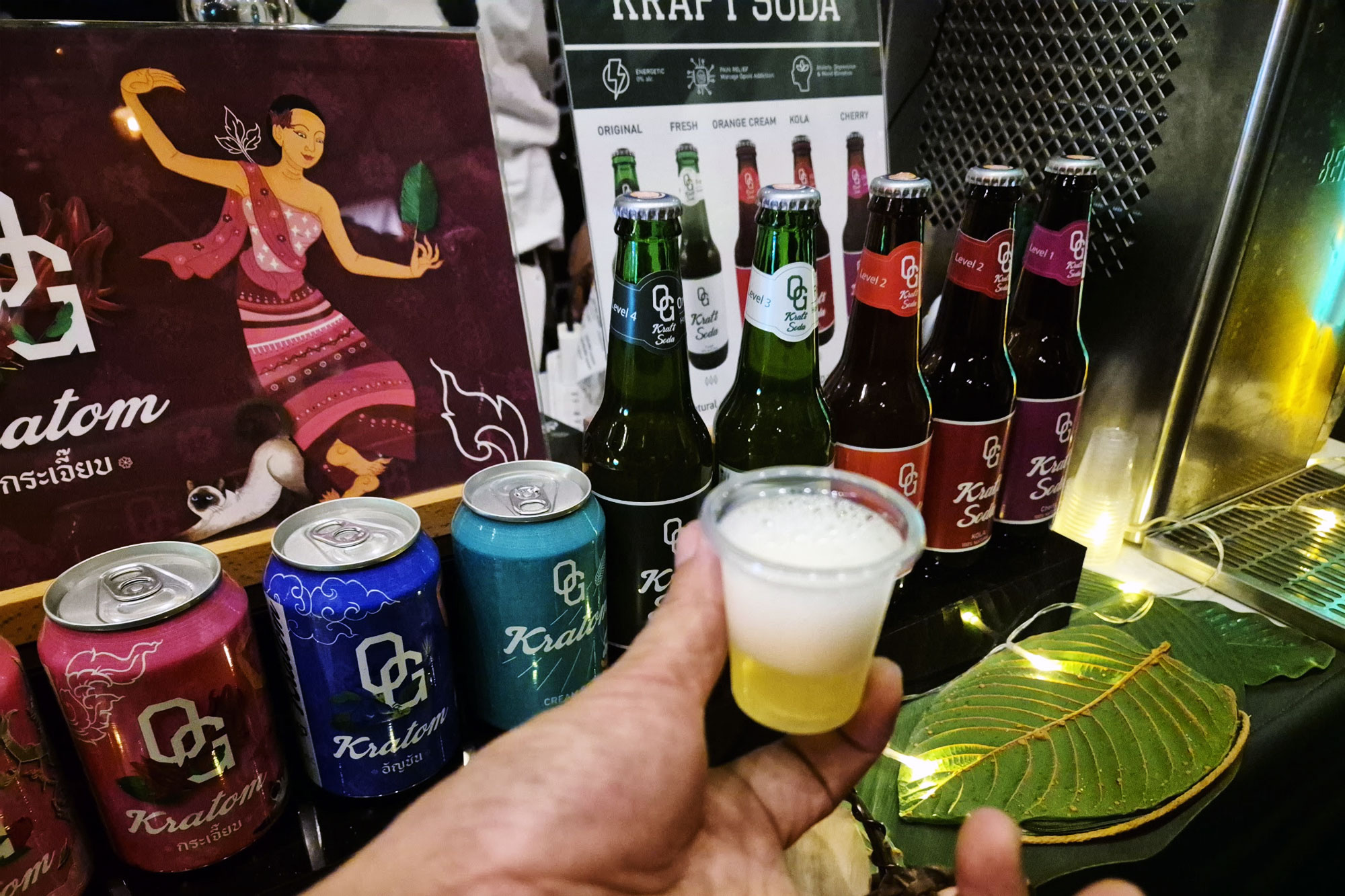
Traditional Style
Kratom OG
A brand rooted in Thailand’s kratom culture. Popular with people who want to experience kratom’s original character without modification.
Thailand currently has a wide range of kratom brands available. The two covered here — Krash Soda and Kratom OG — are Thai FDA registered kratom drinks that appear frequently across Bangkok dispensaries and specialist shops. Both are well-known domestically, but differ considerably in concept, taste, and intended experience. What follows covers the characteristics of each based on direct observation.
※ Individual responses to kratom vary, and scientific research is ongoing. Enjoy within a range that suits your own body and current condition.
Krash Soda — A Rising Kratom Soda Brand in Thailand
Krash Soda is one of the kratom soda brands expanding across Thailand. Beyond kratom cafes, it’s now showing up in cannabis dispensaries and lifestyle shops — and based on observation, the people most often reaching for it tend to be first-timers rather than seasoned kratom drinkers.
Having tried several flavors directly, the impression was that unlike standard kratom drinks, the carbonation mellows the bitterness considerably, making it noticeably more approachable for a first try. The flavor range is broad, and for anyone who wants a taste of Thailand’s emerging kratom culture without the full intensity of the traditional format, Krash Soda is worth considering.
Krash Soda is stocked at a range of dispensaries across Bangkok. The stores below have dedicated articles on this site:
| Store | Area | Nearest BTS | Store Article |
|---|---|---|---|
| Cloud Nine | Nana / Silom | Asok | Read article |
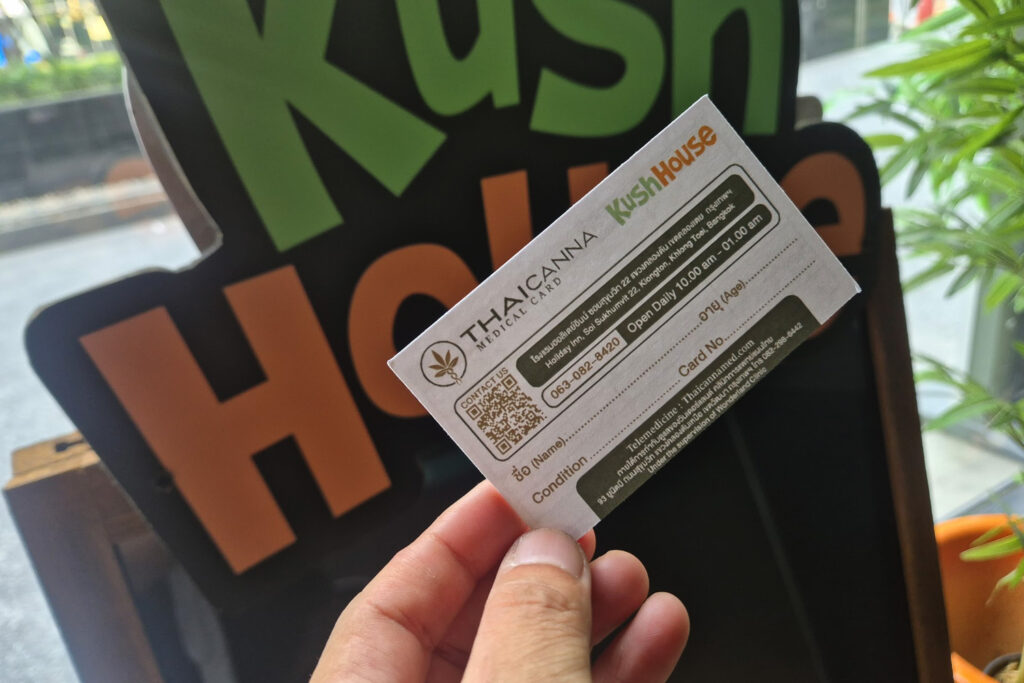
| Kush House | Phrom Phong | Phrom Phong | Read article |
| Wonderland Bangkok | Nana | Asok | Read article |
| Mary Jane | Nana / Srinakarin | Nana | Google Map |
Kratom OG — A Brand Rooted in Thai Kratom Culture
Kratom OG is a Thai kratom brand that keeps the natural character of the plant at the center of its products. Beyond kratom sodas and bottled drinks, they offer accessories and other kratom-related items, covering a range of ways to engage with kratom culture in its current form.
Kratom OG products have appeared in several of the shops visited for this article, and the brand attracts both Thai customers and visitors from abroad. For anyone experiencing kratom for the first time, or anyone interested in Thailand’s plant culture more broadly, it’s a brand worth seeking out in person.
Kratom OG is stocked at various dispensaries, but the brand also has a standalone physical store worth visiting directly.
OG Kratom
Bangkok / Huai Khwang
- 410, 37 Ratchadaphisek Rd, Khwaeng Samsen Nok, Khet Huai Khwang, Bangkok 10310
- Hours: 9:00 AM – 7:00 PM
OG Kratom is a kratom specialist shop in Bangkok’s Huai Khwang area. The store carries Krash Soda and other kratom sodas, bottled drinks, capsules, and a broad selection of kratom products. Accessible from MRT Huai Khwang station, it’s a practical stop for travelers who want to experience kratom culture in Thailand directly.
Thailand Is the Right Place to Experience Kratom Culture Firsthand
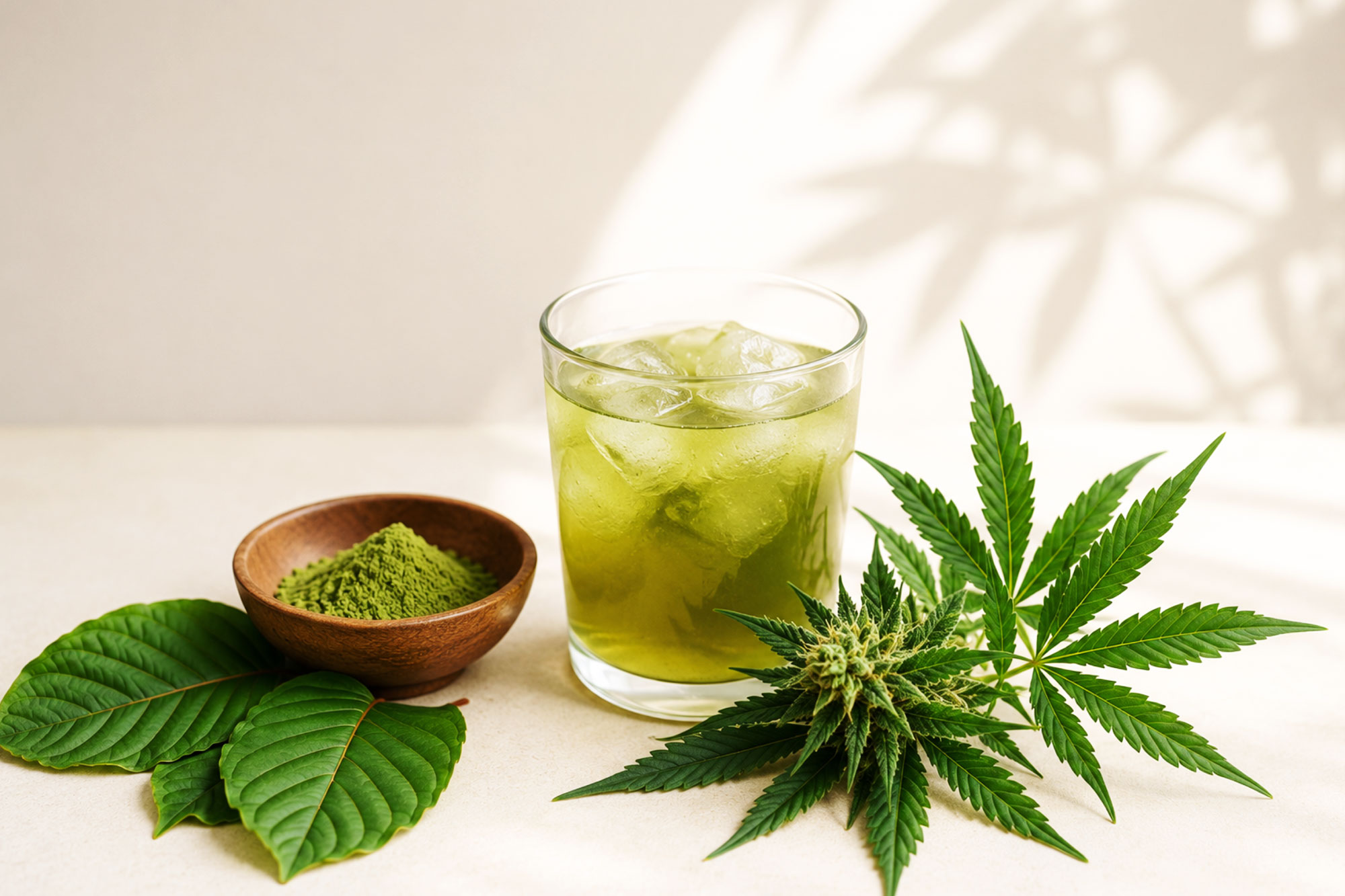
Since the 2021 legal reform, kratom has become a more accessible part of everyday life in Thailand, and cafes and specialist shops serving it have been gradually expanding. Visiting on the ground, it reads clearly as a culture developing independently from cannabis rather than as an extension of it.
At the same time, kratom laws and usage guidelines vary by country, and Thai regulations may be subject to further revision. During a visit, confirming current local rules and staying within a comfortable range remains the sensible approach.
If you’re already in Thailand, kratom is one of the plant cultures worth experiencing alongside cannabis — something you simply can’t access the same way anywhere else.
Kratom sodas, kratom cafes, and the broader experience of how it’s being integrated into Thai daily life are all things that require being there. Start by understanding what kratom is, then compare it with cannabis to get a sense of how each one is distinct. That process of discovery is itself one of the more interesting things Thailand’s plant culture has to offer right now.
Note: This article is based on content originally published on the Japanese edition of OG Times .