Old Cannabis — Degraded or Different? How THC, Terpenes, and Time Change the Experience

In the cannabis world, “fresher is better” tends to be the prevailing assumption. Visiting dispensaries across Thailand, that sentiment is hard to miss — there is a clear awareness around how much time has passed since harvest. At the same time, on the ground, it is not uncommon to hear things like: “it’s smoother after a bit of time” or “older cannabis feels more settled than the ultra-potent stuff these days.” Personally, there have been moments with aged cannabis where the sensation seemed to lose its sharper edges — something that felt less like degradation and more like a shift in character.
Poor storage leads to straightforward deterioration. But cannabis is understood to undergo changes over time not just in THC, but in terpenes and cannabinoid balance as well — and those shifts may influence the direction of the experience.
This article takes the question “is old cannabis simply degraded cannabis?” and works through it from both a research perspective and direct observation.
1: Is Old Cannabis Really “Degraded”? | Why THC Alone Doesn’t Tell the Whole Story
The current cannabis market operates with a strong assumption that “new equals quality” — but “old equals bad” is not quite as straightforward as it might seem. Increasingly, the understanding is that terpenes, cannabinoid balance, moisture content, and storage conditions all contribute to the experience, and THC level alone does not fully explain what a cannabis session feels like.
Why It’s Said to “Weaken” | THC Degradation and Storage Conditions
The main reason older cannabis is described as “weaker” is the widely held understanding that THC gradually changes over time. THC is considered a sensitive compound, susceptible to light, heat, and oxygen — and in poor storage conditions, aroma can fade while dryness may increase harshness on the throat.
The current market also places heavy emphasis on THC competition, with numerical potency, aromatic intensity, and visual appeal becoming primary metrics — reinforcing the idea that “less time since harvest equals higher value.” That said, research suggesting that THC quantity alone does not determine the experience has been growing in recent years (source: National Library of Medicine).
Experience Shifts That THC Reduction Alone Doesn’t Explain
Among people who have smoked older cannabis, the description is often not “weaker” but “different in texture.” The sensation may feel slower, physical awareness more prominent, or the tendency to move inward into thought more noticeable.
This is understood to involve not only THC reduction but also terpene volatilization and changes in cannabinoid balance. Terpenes in particular are thought to shift with time — the sharp citrus and bright top notes present when fresh may soften, and that change may carry through to the overall feel of the experience. There is sometimes a sense of “less information” with older cannabis — the edge of recent high-THC cultivars settles, and the direction shifts toward something hazier. This varies considerably by strain and storage conditions, but the idea that “THC quantity alone does not define the cannabis experience” has become meaningfully more prominent in recent thinking (source: Frontiers).
A Counterpoint to “Fresh-Only” Thinking
The current cannabis market operates with a strong “newer is always right” energy. There is no question that fresh cannabis carries an immediacy — vividness of aroma, sharpness of sensation — that is easy to appreciate. Looking at the market recently, though, there is a sense that “intensity alone is being treated as value.”
Wine, cigars, and fermented foods all have cultures built around enjoying what time does to something. Cannabis cannot be placed on a simple equivalent footing with those. But within craft culture, there are people who talk about “something shifting after a bit of time” — and that perspective exists for a reason. Smoking cannabis that has aged a little, the feeling is sometimes less “weak” and more like the contours of the sensation have softened — and for those wanting to settle into music or a film, that quality can feel right. Poor storage is simply oxidation and degradation, and conflating the two matters.
Rather than “new equals always correct” and “old equals always wrong,” there is a growing argument that asking “how has it changed?” is the more useful lens.
2: How Cannabis Components Change Over Time | THC, Terpenes, and CBN
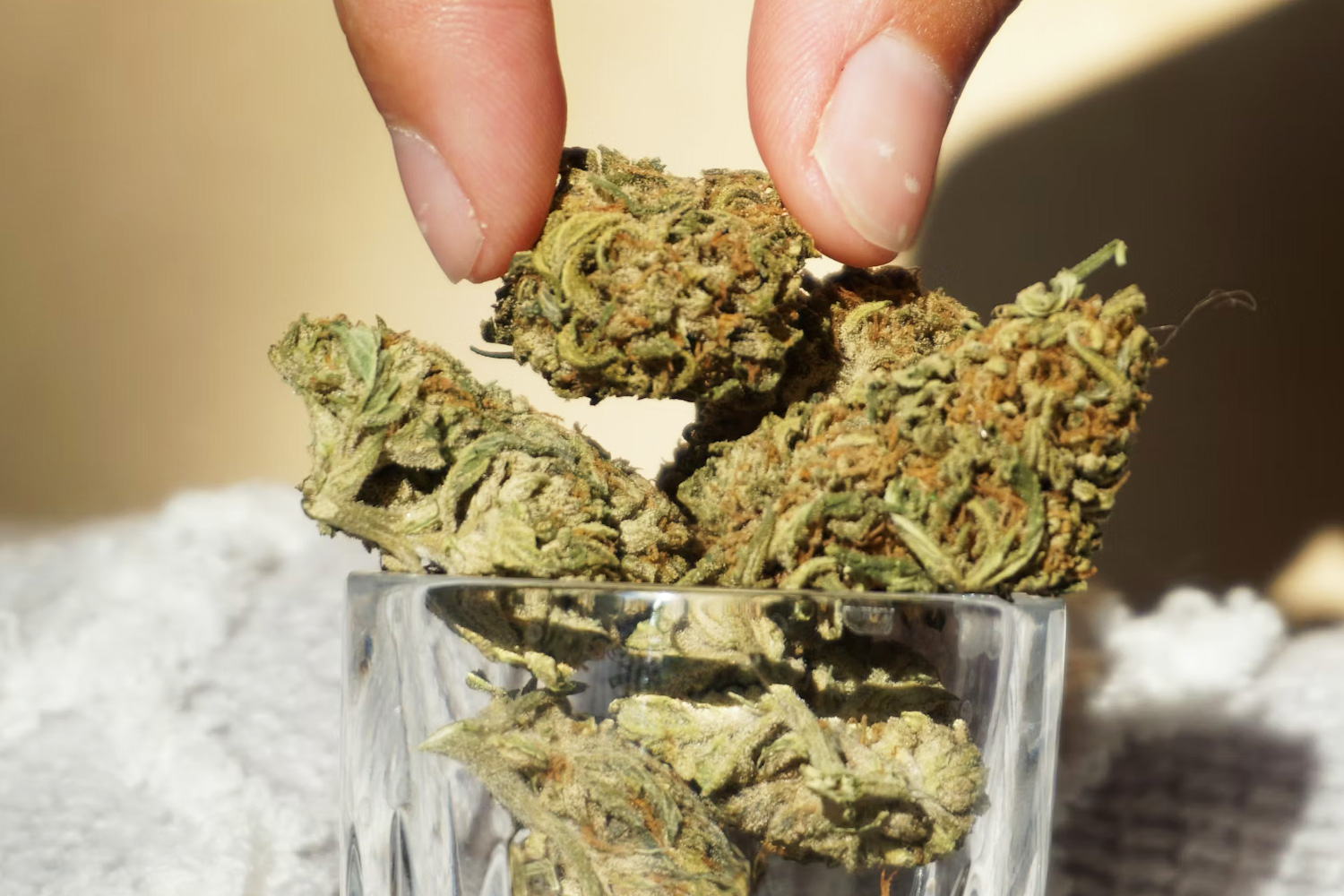
Cannabis does not lock its composition at the moment of harvest — storage conditions and elapsed time are understood to shift its state gradually. The factors considered to have the most significant influence are light, heat, and oxygen. These affect the balance of THC, terpenes, and other compounds, and the resulting changes may express themselves in differences in aroma and the character of the experience.
The perspective that “THC quantity alone cannot explain the cannabis experience” has been gaining ground, and research into how components change over time has been increasing accordingly.
The Mechanism Behind THC Change
THC is cannabis’s most recognized cannabinoid, but it is considered a sensitive compound susceptible to UV light, heat, and oxygen. Poor storage conditions may reduce THC levels over time — which can contribute to the experience of feeling “less potent than before.”
That said, for many people the change feels less like “it stopped working” and more like a shift in the direction of the experience itself. Older cannabis sometimes feels as though the sharpness and intensity characteristic of recent high-THC cultivars has settled slightly — a “rounding” effect. This varies considerably by strain and storage, but the possibility that time-related THC change influences the cannabis experience has been a subject of discussion for some time (source: National Library of Medicine).
What Is and Isn’t Understood About CBN
CBN (Cannabinol) is a cannabinoid found in cannabis. It is generally described as a compound that may be produced as THC undergoes oxidation and change over time. This has led to a common narrative in international cannabis culture that “old cannabis equals more CBN equals sedation.” However, current research has not fully established how strong CBN’s sedative effects actually are on its own. More recent thinking suggests that interactions with THC, other cannabinoids, and terpenes need to be considered as part of the picture.
One compound that comes up frequently in discussions of older cannabis is CBN (Cannabinol). Because CBN is understood to potentially form as THC oxidizes and changes with time, it has been linked to descriptions of older cannabis as “sleepy” or “heavier.”
There is, however, considerable misunderstanding here. Current research has not fully established how strong CBN’s sedative effects are on its own. More recent thinking suggests that interactions with THC, other cannabinoids, and terpenes all need to be factored in — meaning the claim that “old cannabis produces more CBN, therefore it definitely chills you out” cannot be stated with confidence at this stage. The shift experienced with older cannabis is sometimes less “sleepy” and more like a change in the speed of thought. (source: Frontiers)
How Terpene Volatilization Affects the Experience
Terpenes are understood to be a particularly important factor when thinking about what time does to cannabis. They are responsible for aroma and flavour and carry much of what makes each strain distinct — but they are also highly volatile, meaning they may gradually dissipate depending on storage conditions and elapsed time.
Citrus notes and sharp, gassy, or green aromas that tend to be prominent when fresh are among those considered most likely to change over time. The result may be a softening of intensity and “information density,” with the experience feeling more mellow. Fresh cannabis often feels “sharply defined,” and a little time can blur those edges. Some people read that as degradation; others find the cannabis more approachable as a result. Terpene change is thought to do more than simply reduce aroma — it may be reshaping the character of the cannabis experience itself.
3: Why Some People Find Older Cannabis “More Settled”
In conversations about older cannabis, the description is often not “it doesn’t work” but “the atmosphere is different.” Smoking cannabis that has aged somewhat, the impression is sometimes less about intensity and more about a shift in the feel of the air around the experience — the sharpness and information density of recent high-THC cultivars softens, and the whole thing moves in a slower direction.
This varies considerably by strain and storage conditions, but the idea that “time changes the texture of the experience” has existed for as long as cannabis culture has. Particularly in recent years, the thinking has moved toward considering not just THC quantity but the full picture of terpene and cannabinoid balance changes.
The Space Created When Stimulation and Information Density Soften
One reason some people describe older cannabis as “more settled” may relate to a change in stimulation. Fresh cannabis — particularly recent high-THC cultivars — can carry a sensation of information arriving all at once.
As terpenes volatilize and THC changes over time, that sharpness may settle somewhat. There is sometimes a sense with older cannabis of less “pressure on the brain.” As a counterpoint to a market that tends to reward intensity and high THC numbers, the preference for “less information density” in some people is a natural development.
Why Physical Sensation Is Said to Come Forward
Some people describe a stronger sense of physical awareness with older cannabis. Research is still developing in this area, but changes in THC and terpene balance are thought to be potentially relevant.
Recent high-THC cultivars often carry a “head-forward” quality — a sense of thought and visual information expanding rapidly. With older cannabis, as that sharpness settles, some people find physical sensation becomes more noticeable by contrast. The impression with cannabis that has aged a little is sometimes less “thinking” and more “sinking into physical sensation.” This has not been fully explained scientifically, but “old cannabis equals simply not working” is less accurate than “the center of gravity of the experience shifts” for some people.
4: Functions of Older Cannabis Beyond Relaxation
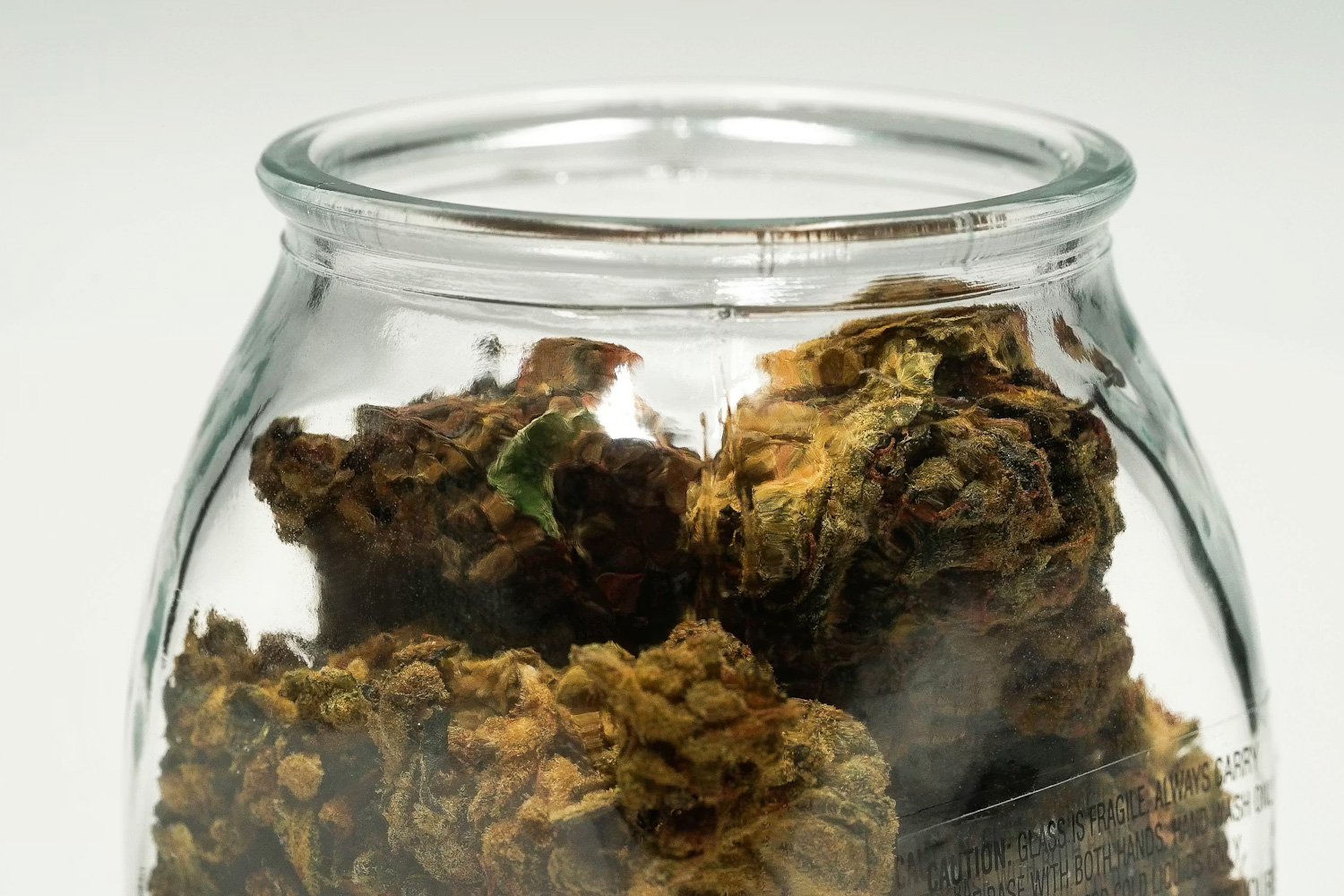
Older cannabis tends to get discussed in terms of “relaxing” or “sleep-inducing” — but those descriptions don’t capture everything people report. In international cannabis culture, time-aged cannabis is sometimes described not as “weaker” but as producing a shift in the direction of awareness.
Older cannabis has a different character from the “pushed in” quality of recent high-THC cultivars — something slower, and more like descending into depth. The fact that some people perceive a function on a different axis from “strength” is probably part of why older cannabis has been talked about for so long.
Pairing With Introspection and Philosophical Thought
Some people find older cannabis easier to sit with for extended thought. The suggestion is that reduced stimulation and information density may make it easier for awareness to turn inward rather than outward.
Recent high-THC cultivars carry a great deal of information — thought and visual experience expanding rapidly in ways that can feel overwhelming. As that sharpness settles with older cannabis, some people find a “space to keep thinking” opens up. The impression with slightly aged cannabis is sometimes less about sociability and more about wanting to sit quietly with one’s own thoughts.
Cases Where Film and Music Immersion Deepens
Some people describe finding it easier to become absorbed in film or music with older cannabis. A change in the quality of stimulation is thought to be potentially relevant.
Fresh cannabis, with its vivid aroma and intensity, can pull awareness outward — toward the sheer sensory experience itself rather than inward toward content. With older cannabis, as the contours soften, some people report a quality of slowly sinking into the image or sound. Recent high-THC cultivars can feel like they are “coming at you”; older cannabis tends to feel more like “dissolving into the space.”
The Nature of the “Haziness” Preferred Late at Night
Some people describe older cannabis as “suited to late nights” — not because it induces sleep, but because time perception and the speed of thought tend to slow.
Recent high-THC cultivars carry enough intensity that some people find them overstimulating at night. As that sharpness settles with older cannabis, some find it easier to create a kind of “unfocused openness.” The impression with aged cannabis is sometimes less “something to do something with” and more something well-suited to time spent doing nothing in particular. The “chill quality” associated with older cannabis over many years of discussion may include not just relaxation, but a sense of the speed of consciousness changing.
5: Why Some Creators and Enthusiasts Prefer “Rested” Cannabis
The current cannabis market places significant weight on potency. But among people who have been around cannabis for a long time, or who inhabit music and art cultures, there are those who say they prefer cannabis that has had some time to rest.
This is not simply an argument for “older is better.” Poor storage leads to straightforward degradation. But cannabis that has aged somewhat can carry a quality of enjoying “atmosphere” rather than “intensity” — the contours softer than the edge-forward character of recent high-THC cultivars.
What “The Edge Coming Off” Actually Means
Some people use the expression “the edge comes off” to describe slightly aged cannabis. It tends to refer to a state where stimulation and information density have settled, and the overall experience feels smoother.
Recent high-THC cultivars can bring an immediate rush of sensation. Some find that compelling; others find it tiring. As time passes and terpenes volatilize, the sharp contours of the experience may round somewhat. The impression with aged cannabis is sometimes less of something “landing in the brain” and more of something spreading gradually — and some people find genuine comfort in that spaciousness.
The Idea of “Maturation” in Craft Culture
In some international contexts, cannabis is occasionally discussed using the language of “aging.” The parallel with wine or cigars — where extended aging is a deliberate and valued practice — does not map cleanly onto cannabis, and poor storage simply produces oxidation and degradation rather than anything intentional.
Within craft culture, though, the idea that “time changes the atmosphere” has existed for a long time. Sharp aromas present when fresh may settle; reduced intensity may register as “smoother” or “more approachable.” The impression with aged cannabis is sometimes of something moving toward depth rather than spectacle. The sense that some people are looking for value beyond sheer intensity is something visible in cannabis culture at the moment.
6: How Terpene Change Affects the Experience | Does the “Feel of the World” Shift?
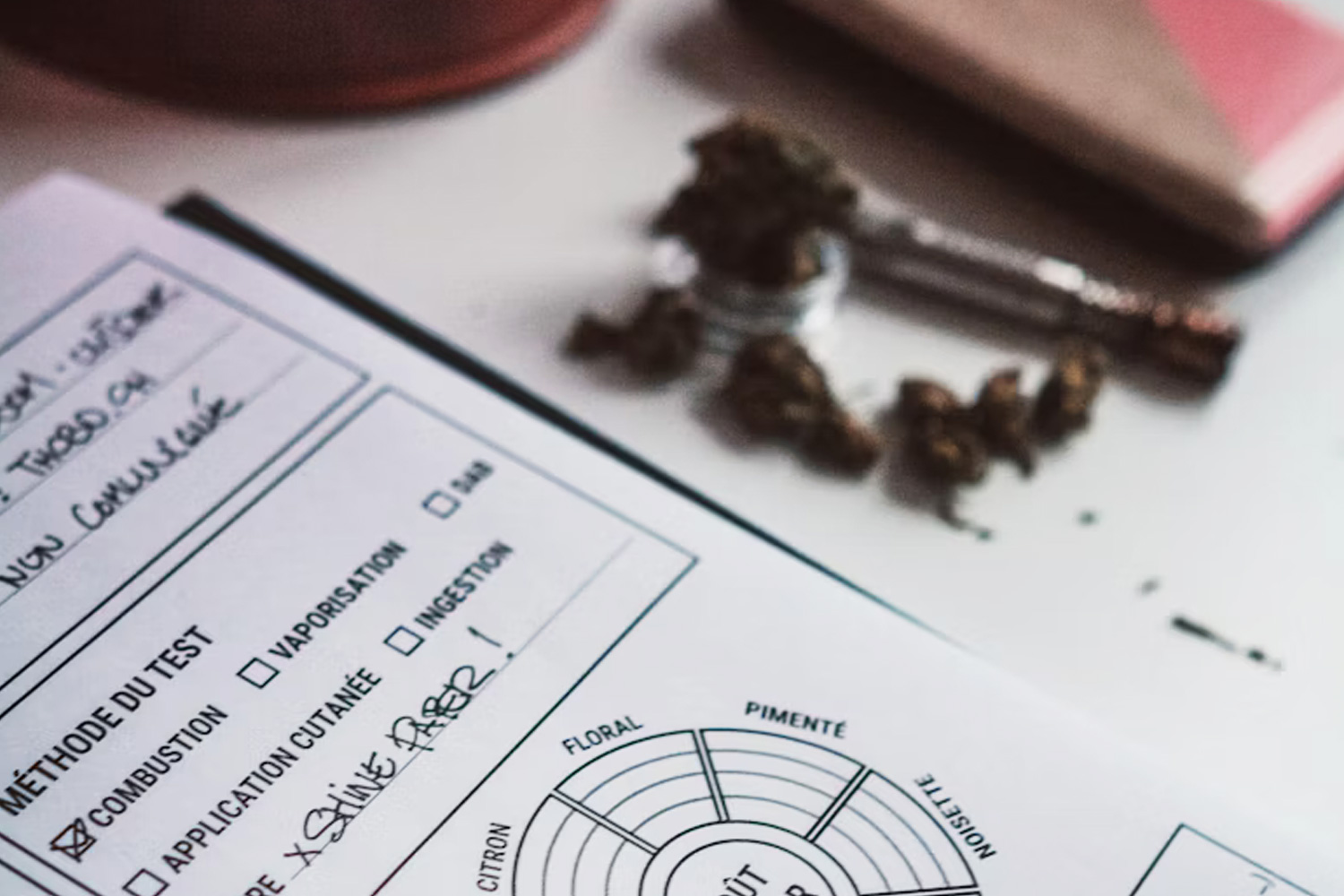
When older cannabis is discussed, THC tends to get most of the attention — but terpene change is understood to be equally significant. Terpenes are responsible for aroma and flavour and are deeply connected to the individual character of each strain. They are, however, highly volatile compounds, meaning they change gradually with time and storage conditions.
Between fresh cannabis and cannabis that has had some time, the “atmospheric quality of the aroma” itself tends to shift — less a simple weakening than a change in how the scent is defined and how it moves. And that change in aroma may carry through to the overall character of the experience. Research suggesting that “terpenes influence not just aroma but the full cannabis experience” has been growing in recent years (source: Frontiers).
What Happens When Citrus Terpenes Fade
Among the terpenes most likely to shift with time are citrus and sharp-profile compounds. Limonene and terpinolene, for example, tend to produce vivid aroma when fresh — and are also among the more volatile.
The result of their loss is often a softening of the “brightness” and “airiness” that was present initially. Fresh cannabis often carries a “sharply defined” quality; with time, those outlines can blur. Some people read that as degradation; others find the reduced intensity more approachable. Recent high-THC cultivars tend to carry a great deal of aromatic information — and as that settles, the shift can feel like it has changed the entire character of the experience.
Cases Where Heaviness and Earthiness Come Forward
Some people notice that older cannabis develops a quality of weight or earthiness. As top-note freshness fades, aromas that were present but less prominent in the background may become more noticeable.
In earthy or gassy strains particularly, time can bring a quality of depth or density to the foreground. The impression is sometimes less “vivid aroma” and more “air becoming heavier.” In some international craft contexts, this kind of change is understood not as simple degradation but as a shift in texture and character.
7: What Is the Difference Between Maturation and Degradation? | Storage Determines Quality
In discussions of older cannabis, “maturation” and “degradation” tend to get conflated — but they describe different things. Depending on storage conditions, aroma and texture may change gradually in ways that feel like a quiet shift; or quality may drop sharply.
Cannabis that has been stored well tends to feel like stimulation has settled while something essential remains. Cannabis stored poorly feels as though the aroma has escaped and the texture has dried out — simply old. This is part of why the conversation has increasingly moved toward “how it was stored” mattering more than simply “how old it is.”
The Difference Between “Rested” Cannabis and Neglected Cannabis
Among cannabis enthusiasts, the phrase “rested cannabis” tends to be used as something distinct from cannabis that was simply left around.
Cannabis stored appropriately may see stimulation and aromatic definition shift somewhat over time while overall balance is maintained. Cannabis left without care tends to lose aroma and dry out — flavor disappears. The difference between cannabis where “time has shifted the atmosphere” and cannabis that feels “completely hollowed out” is considerable. Within culture, the “aged quality” sometimes discussed tends to carry a nuance separate from simple deterioration.
How Storage Environment Shapes Cannabis Quality
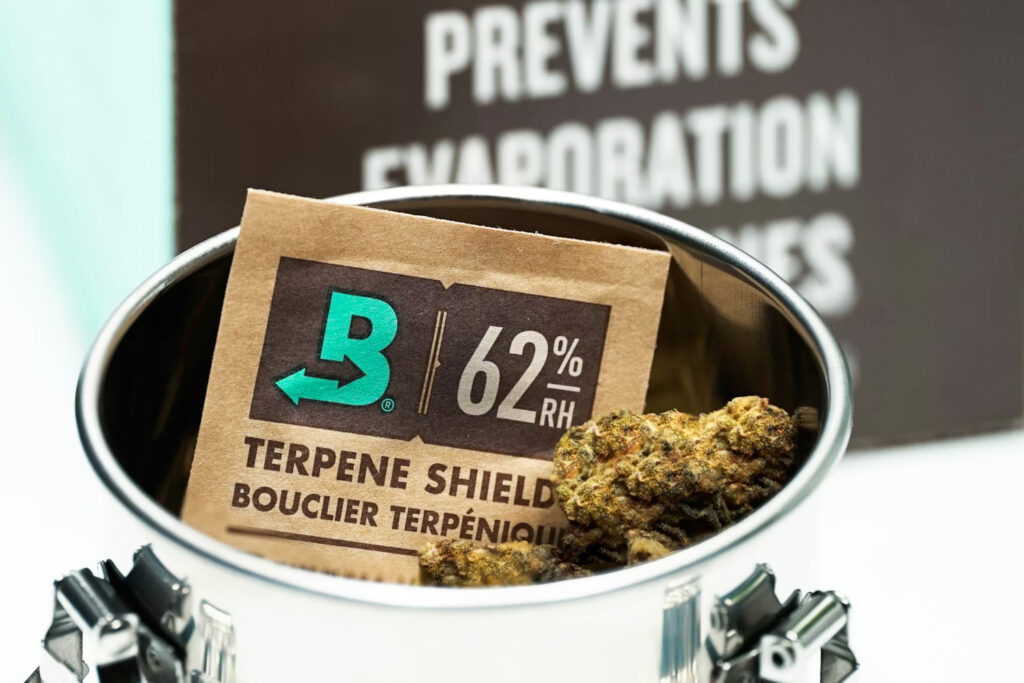
Cannabis is understood to be significantly affected by storage conditions — temperature, humidity, and oxygen being the most influential factors. High temperatures are thought to accelerate terpene volatilization and aroma loss. Too little humidity can increase harshness on the throat; too much creates mold risk.
Cannabis stored well tends to feel like something essential is still present even with time. Poorly stored cannabis can feel “empty” the moment the container is opened. The view that storage conditions themselves determine quality — not just THC numbers — has been growing.
The Importance of Managing Humidity, Oxygen, and Light
Humidity, oxygen, and light management are understood to be the key variables in cannabis storage. UV light is thought to potentially affect THC and terpene change, which is why some people avoid transparent containers for longer-term storage. Sustained oxygen exposure is thought to accelerate oxidation, which is why airtight storage is valued in some cannabis cultures.
Storage conditions can make the same strain feel unrecognizable from one situation to another. This is part of why “how it has been kept” has become a more important question than simply “old or new.”
8: The Downsides of Older Cannabis | Degradation, Dryness, and Mold Risk
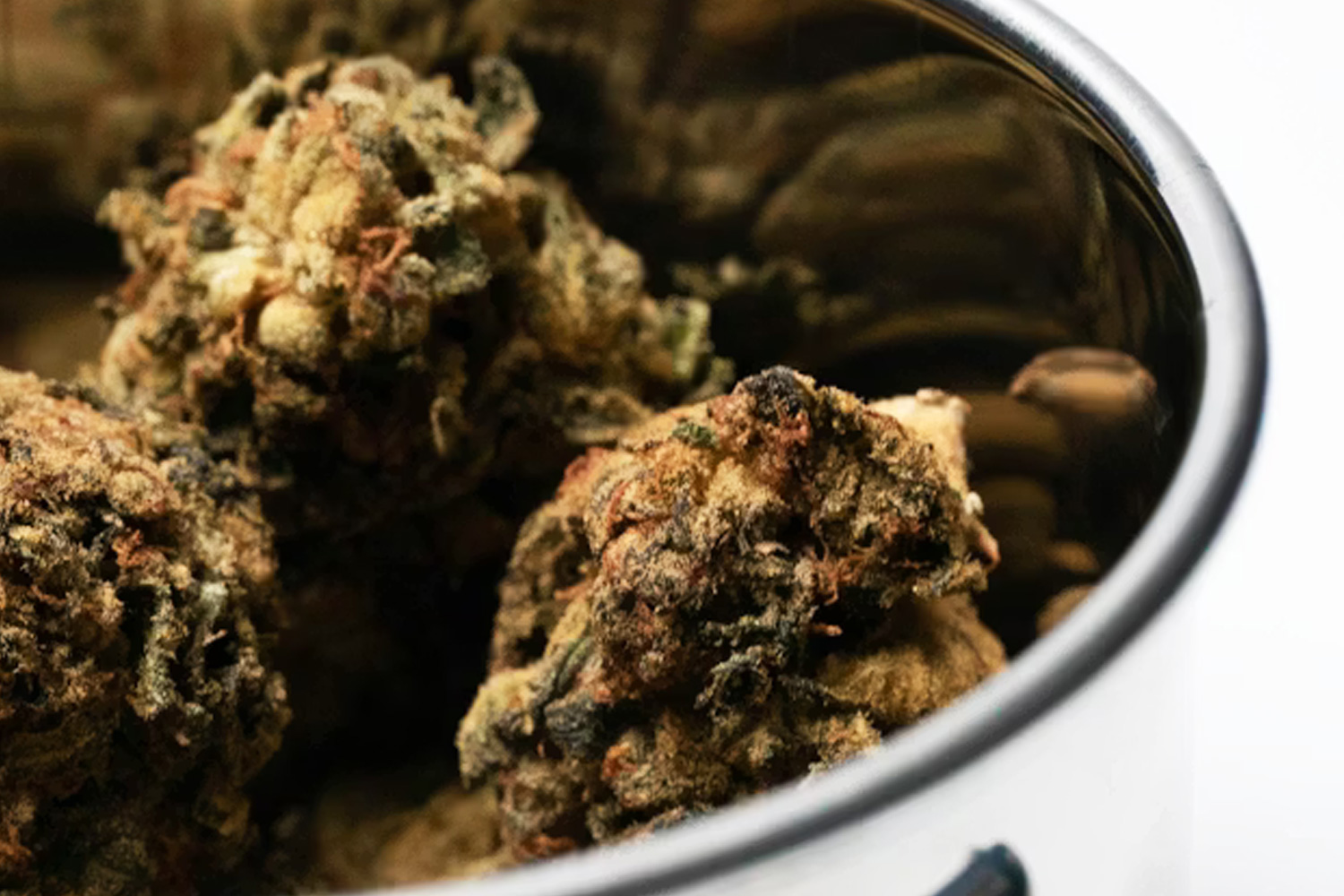
Having worked through the texture shifts and settling of stimulation that can come with aged cannabis, it is worth being clear that time-related change also has real downsides. Poor storage in particular tends to lead to straightforward deterioration.
There are moments with older cannabis that feel “hollowed out” — just the sense of age without anything else. This is why “cannabis that has been through a little time” and “cannabis that has degraded through poor storage” need to be thought of separately. Poor storage conditions can lead to simple quality loss — and that distinction matters.
How Aroma and Flavor Degrade
The most immediately noticeable change in older cannabis tends to be aroma and flavor. Terpenes are considered highly volatile compounds, and with elapsed time and poor storage they may gradually dissipate — leaving the vivid, complex aroma of the fresh state replaced by something flat.
Poorly stored cannabis can feel “deflated” the moment the container is opened. The depth and finish of the smoke may reduce, leaving something that tastes dry. Some people appreciate a settling of aroma as cannabis ages, but once terpenes have clearly over-volatilized, the experience simply loses its appeal.
Throat Harshness From Dryness
One of the more common issues with older cannabis is dryness. As moisture content drops during storage, smoke can feel rough and throat irritation may increase. Insufficient sealing in particular can leave cannabis brittle over time, producing a “scraping” sensation when smoked.
Overly dried cannabis changes the feel of the smoke itself before anything else. As more people in the cannabis market pay attention to “smoke feel” alongside aroma and THC numbers, dryness-related texture changes may affect the overall experience more than is sometimes assumed. Appropriate humidity management can maintain condition over time, but poor storage makes this one of the areas most prone to simple degradation.
Mold and Oxidation Risk
The most significant risk with older cannabis is mold and oxidation. Environments with excessive humidity in particular create conditions where mold may develop during storage. Visual detection is not always reliable — what looks “just a little old” may have deteriorated more significantly than it appears.
Prolonged exposure to oxygen and light may also destabilize aroma and cannabinoid balance over time. The difference in “atmospheric quality” between cannabis that has been stored appropriately and cannabis that has been kept carelessly is noticeable. This is part of why “whether it was stored safely” has become an increasingly important question — not just whether something is old. Particularly with cannabis that has been kept for extended periods, approaching it with “aged” framing alone, without considering actual quality and safety, carries real risk.
9: Older Cannabis From a Medical and Research Perspective | What Remains Unclear
In practice, there is still a great deal about cannabis that research has not fully resolved. The long history of prohibition across many countries has meant that cannabis has not accumulated the depth of research data that alcohol or conventional pharmaceuticals have.
As a result, much of what is discussed among enthusiasts occupies a space of “widely shared as experience, but not yet scientifically confirmed.” There is a real sense with older cannabis that “something changes” — but fully explaining that through science alone is not yet possible. Research is increasingly moving toward examining not just THC but the interactions between terpenes and cannabinoids together, making this a more complex subject than it once was.
What Science Has Not Yet Explained
Much of what is discussed around older cannabis remains under active research. Why the experience shifts, how much terpene change contributes, the relationship between THC reduction and “chill,” and how CBN and other cannabinoids interact are all areas where research is ongoing.
The cannabis experience is understood to involve not just THC alone but terpenes, cannabinoid balance, individual variation, environment, and mental state — all layered together. This makes “old cannabis always does X” difficult to state with confidence, and researchers tend to use cautious framing for good reason (source: Frontiers).
Is “CBN Equals Sedation” Actually True?
The most widely recognized claim about older cannabis is probably “more CBN means more sedation.” In international cannabis culture, CBN tends to be positioned as a “nighttime” or “chill” compound.
Current research, however, has not fully established how strong CBN’s sedative effects are on its own. The “CBN equals sleepy” association exists, but more recent thinking suggests that interactions with THC, other cannabinoids, and terpenes all need to be part of the picture — meaning “CBN increased therefore sedation” is not a conclusion that can be drawn with confidence at this stage. The shift experienced with older cannabis is sometimes closer to “thought speed and atmospheric quality changing” than to simple sleepiness. Individual variation in this area is also substantial (source: National Library of Medicine).
10: Conclusion | Does Old Cannabis Have Value?
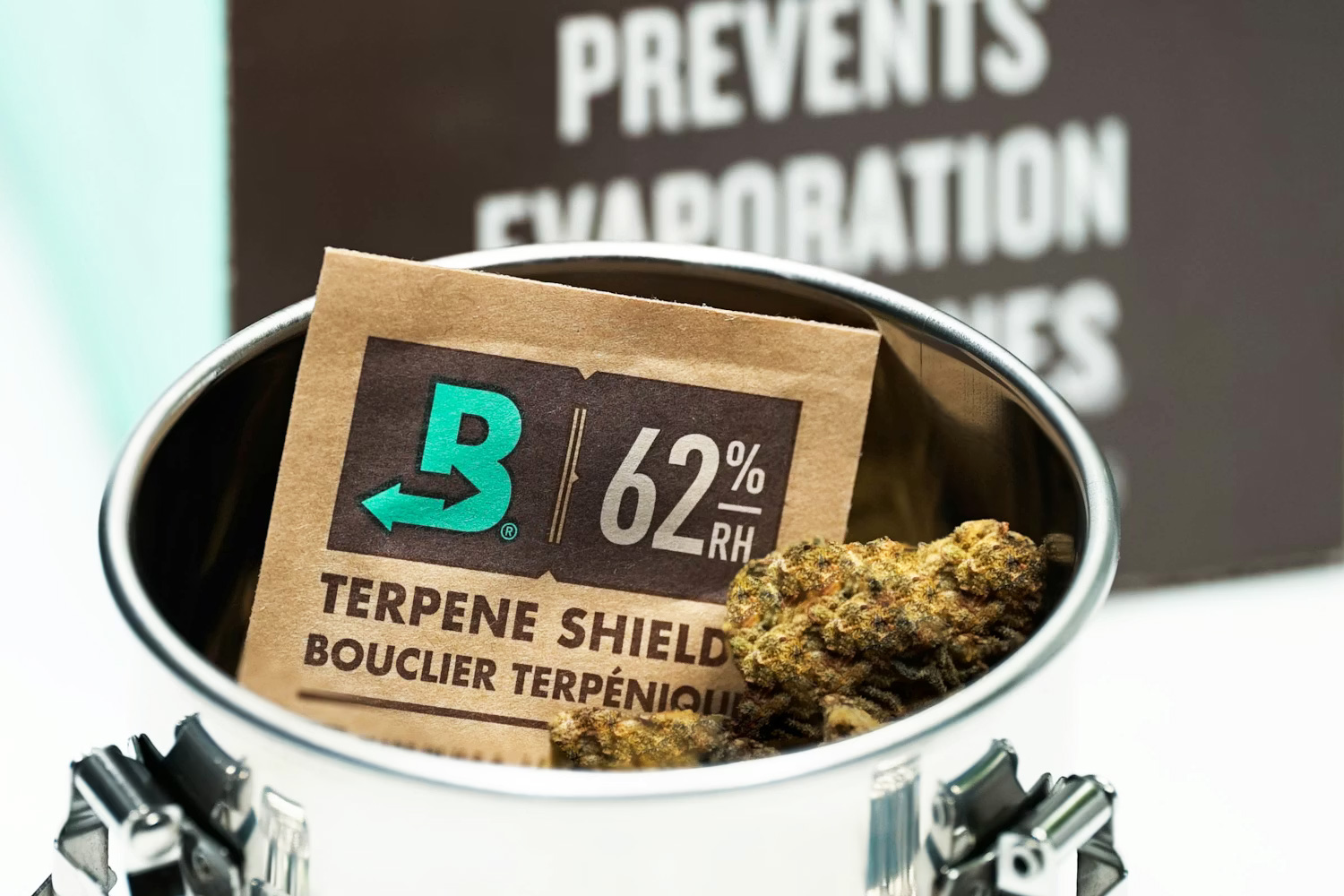
Older cannabis is not a topic that sorts cleanly into “good” or “bad.” Poor storage leads to aroma and flavor loss, and dryness and oxidation can reduce quality — so “old cannabis equals value” does not hold as a general statement. That said, the possibility that the direction of the experience shifts with time has been discussed within cannabis culture for a long time. Cannabis that has had some time to rest can carry a quality that recent high-THC cultivars do not — and what is notable is how often people describe that quality in terms of “texture” rather than “strength.”
- The sharp edges of stimulation soften
- Information density reduces
- It tends to feel suited to late nights
- Film and music absorption tends to deepen
- Physical sensation tends to come forward
These shifts tend to be described less in terms of “what happens” and more in terms of “how it feels differently.” They have not been fully explained by science — but attention is beginning to turn toward the parts of the cannabis experience that THC numbers alone cannot account for.
With older cannabis, “how has it changed?” tends to be a more useful question than “is it strong or weak?” The current market has a clear tendency to reward “fresh and high-THC” cannabis — and that tendency is not wrong. But alongside it, the fact that some people are looking for value on a different axis from sheer intensity is one of the more interesting threads running through cannabis culture right now.
If you’re curious about how cannabis components change over time, “What Are Terpenes in Cannabis? Aroma, Interaction, and How They Are Commonly Understood” dives deeper into the terpene changes covered in this article. If you’re planning a trip to Thailand, “Best Cannabis Dispensaries in Bangkok 2026 — Area Guide for First-Time Visitors” features a carefully selected list of GACP-certified and farm-owned dispensaries recommended by our cannabis bonsai grower.
Note: This article is based on content originally published on the Japanese edition of OG Times .