Inside Revana Cafe’s Terpene-Focused Cannabis Farm in Silom, Bangkok

Silom, in the heart of Bangkok, is known for the way high-rises coexist with street food culture, nightlife, and the rhythms of ordinary daily life. It’s an area that works for both tourists and residents, with the line between sightseeing and everyday life blurring naturally.
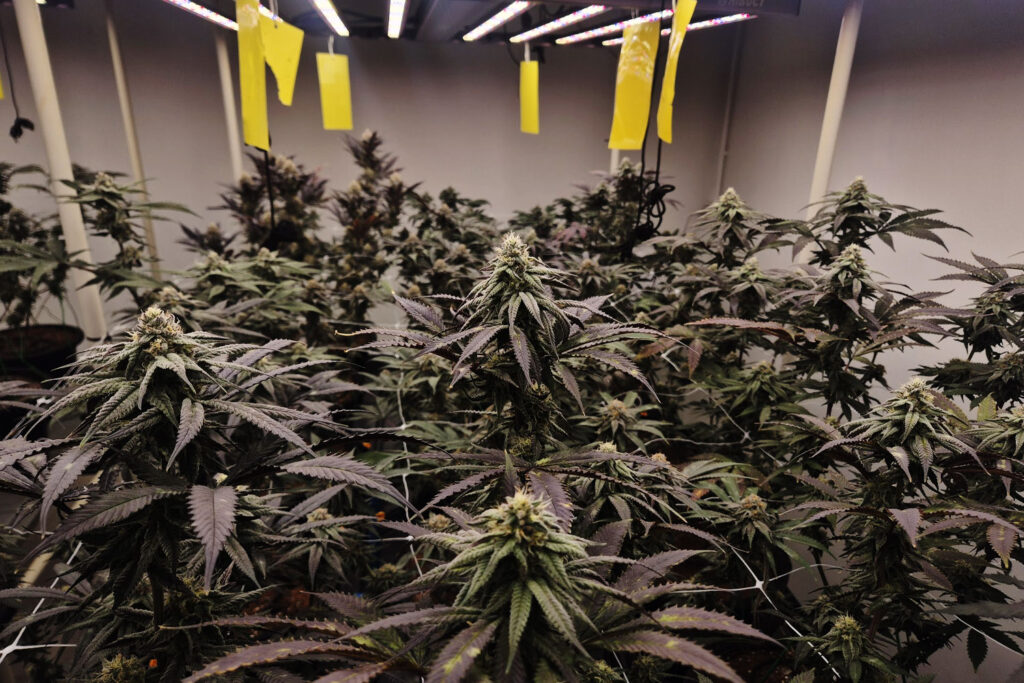
This time, the team behind Revana Café | Cannabis Dispensary (Silom), covered previously on this site, gave me a tour of the cannabis cultivation space they manage in the same building.
Before I got into cannabis bonsai, I spent time doing organic cultivation, which included using organic materials and going as far as building soil with worm composting. Organic cultivation runs deep, and hearing from growers who take it seriously is something I still find genuinely interesting no matter how many times I hear it.
Revana Cafe, the focus of this visit, grows its own cannabis in-house, and rather than scaling up production, the priority is quality within a range they can manage closely themselves. Rather than cultivation built around mass output, the smaller scale means every individual plant gets checked closely, which makes it easier to follow through on a real commitment to aroma and quality.
The cultivation team I spoke with had genuine curiosity and depth of interest in cannabis itself, and that attitude showed clearly in how they approach growing. This article covers the parts of the visit that stood out most.
1: Visiting Revana Cafe’s Terpene-Focused Cannabis Farm
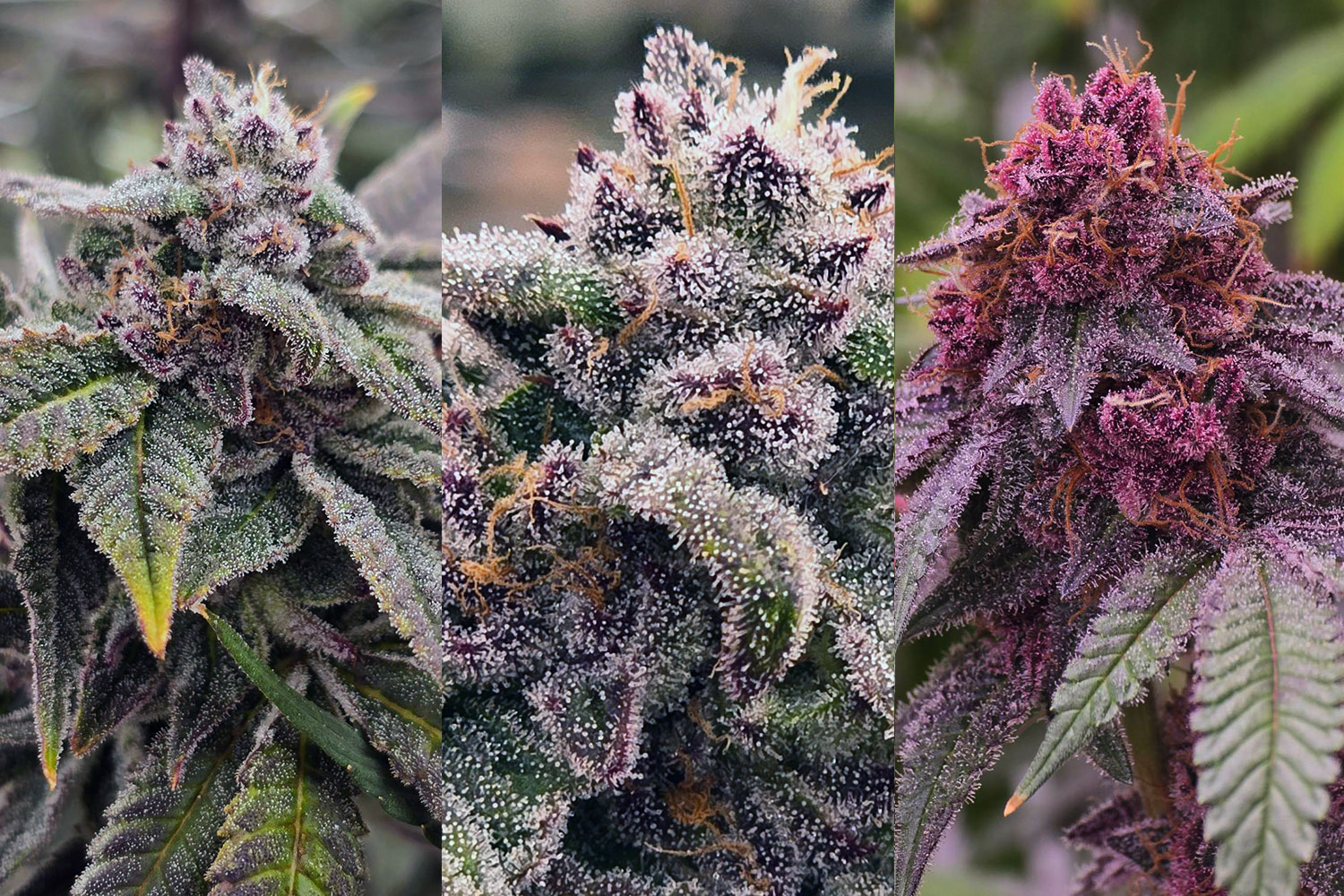
Any real discussion of cannabis quality has to deal with terpenes, the aromatic compounds present in significant quantities in cannabis. Both the types and the concentrations of terpenes vary considerably by strain.
Terpenes are natural aromatic compounds found in cannabis and many other plants. Citrus notes, pine-like freshness, berry sweetness: each flower’s individual character comes largely from its terpene profile. Cannabis contains dozens of distinct terpenes beyond THC and CBD, and the specific mix and concentration shape both aroma and overall character.
Beginners and people with less experience tend to choose strains based on THC percentage. From my own time growing, what actually defines a strain’s character more than anything else is its terpene profile. Beyond aroma alone, terpenes are recognized as the key factor that gives a strain its identity.
Even plants grown from seeds of the same strain carry different DNA from one plant to the next, which means the terpene profile, both type and quantity, varies between individuals even within a single strain. Because of this, growers raise large numbers of seeds at once and select the individuals with the most desirable characteristics. The selected plant is then maintained as a mother plant, and clones are taken from it to keep quality consistent going forward.
This selection process is known as pheno hunting, and it’s considered one of the most important steps in cannabis cultivation.
I’ve done pheno hunting myself in the past, and it’s genuinely time-consuming and labor-intensive work. Farms with a wide range of strains in their lineup have usually put in a substantial amount of trial and error behind the scenes to get there.
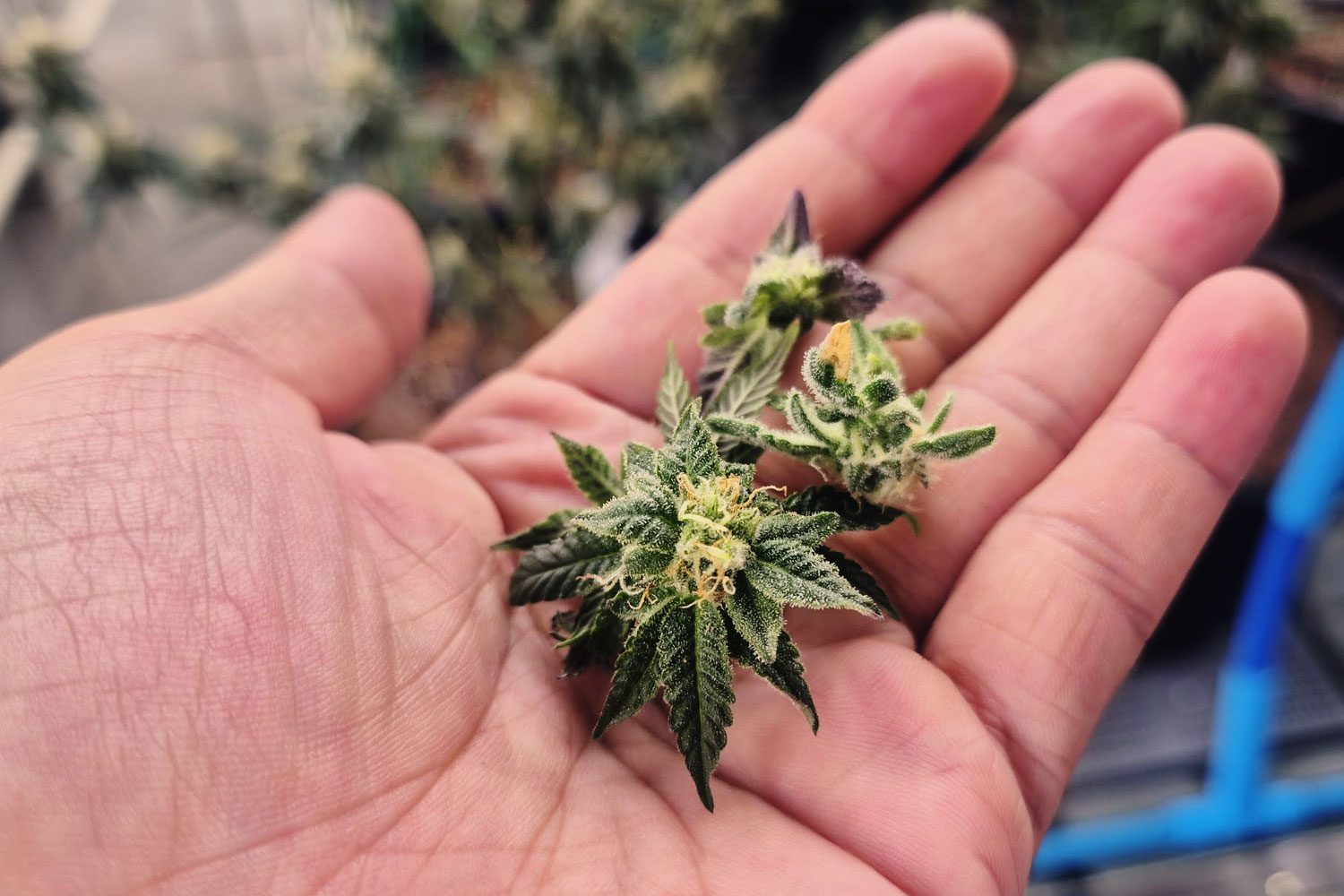
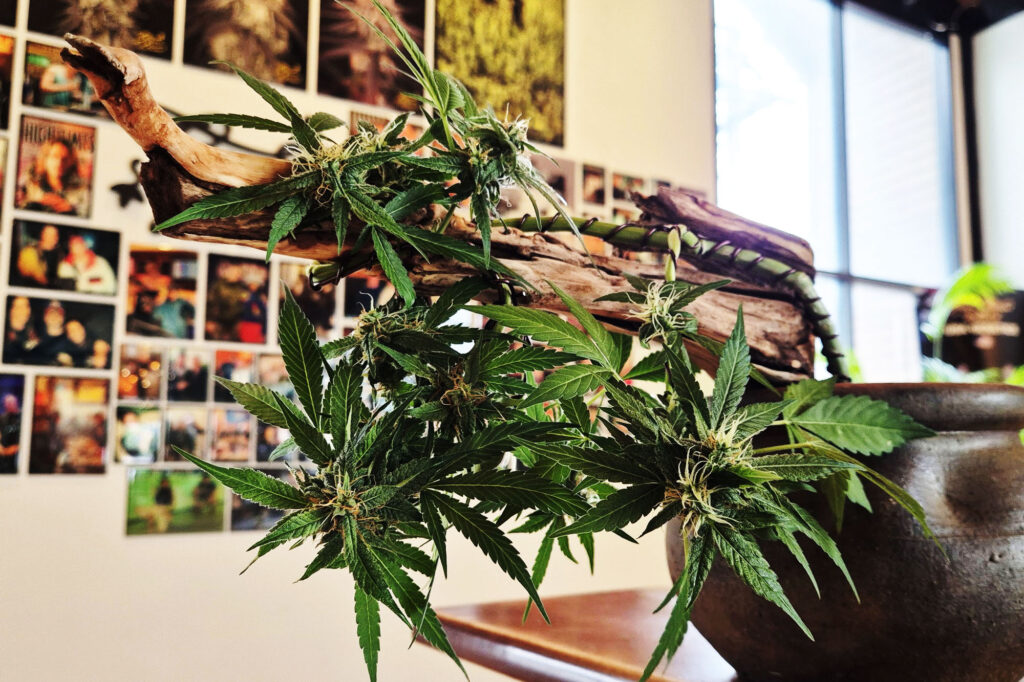
The visit happened roughly two weeks before harvest, so I got to check a few of the small flowers forming near the base of the plants. Gently crushing one between my fingers released a strong aroma along with a sticky resin texture, and the individual character of the strain came through clearly even at this stage.
Final quality still depends on how the flower is dried and cured after harvest, but being able to pick up that aromatic richness even during the growing phase was notable. It was a direct, hands-on confirmation of Revana Cafe’s stated focus on terpenes.
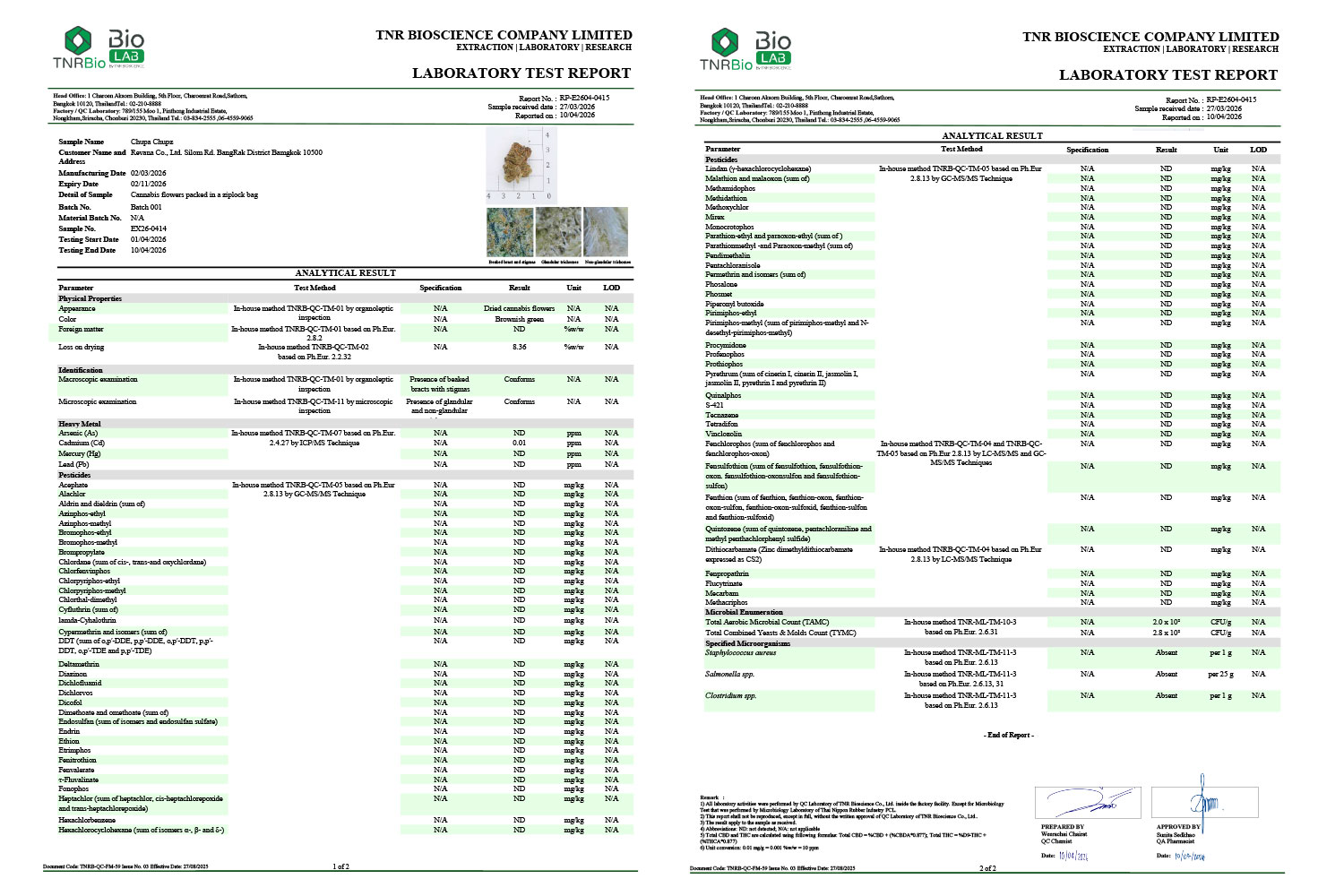
Every strain also comes with a COA (Certificate of Analysis), covering not just THC percentage but the specific terpenes present and their concentrations. Rather than judging strains purely on yield or THC level, the team manages quality by checking both the lab data and the actual aroma in tandem. That combination means choosing a strain at Revana Cafe comes with a genuine understanding of its individual character and terpene profile, not just a number.
The strains carried at Revana Cafe go through this kind of selection process before they’re ever stocked. Talking through the details of the cultivation process made it clear how seriously quality is treated here.
Quality Over Yield, By Design
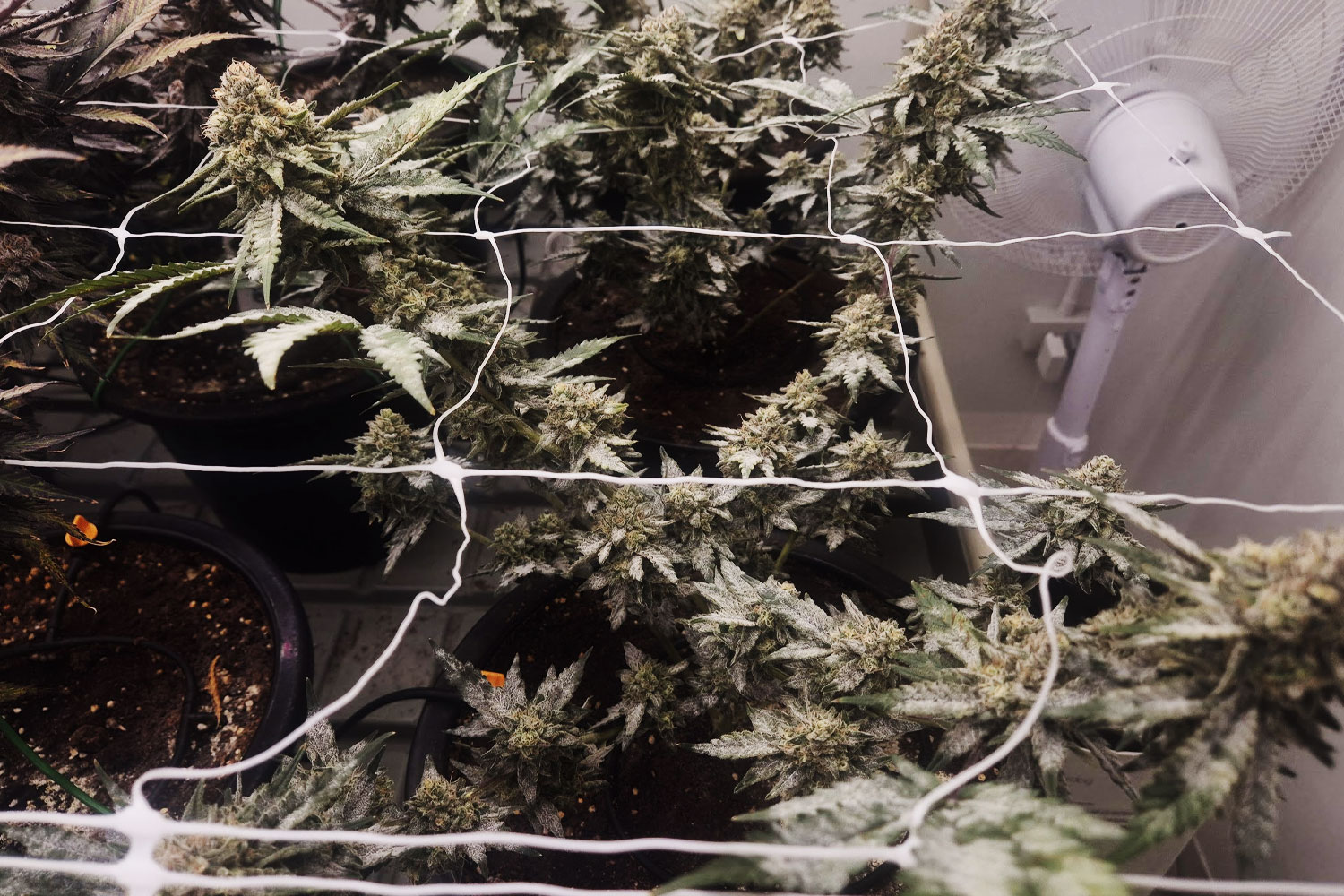
In conventional agriculture, yield is one of the central metrics. The cultivation team at Revana Cafe, though, prioritizes terpene quality and aromatic expression over raw yield. Some of the strains they grow produce as little as roughly 40g per plant.
Depending on environment and strain, there’s always an option to favor individuals with higher output if yield is the only goal. Revana Cafe has made a deliberate choice to prioritize quality over yield instead. Given the cost of electricity, nutrients, and everything else involved, that’s not a trivial decision, but the continued commitment to aroma and quality over raw numbers stood out.
This kind of thinking reflects a focus on things that don’t show up in a spreadsheet. There’s a level of quality only reachable by people who genuinely care about cannabis itself, and that accumulation of care is, in my view, exactly what makes Revana Cafe’s flower good.
Organic Growing and Automated Systems
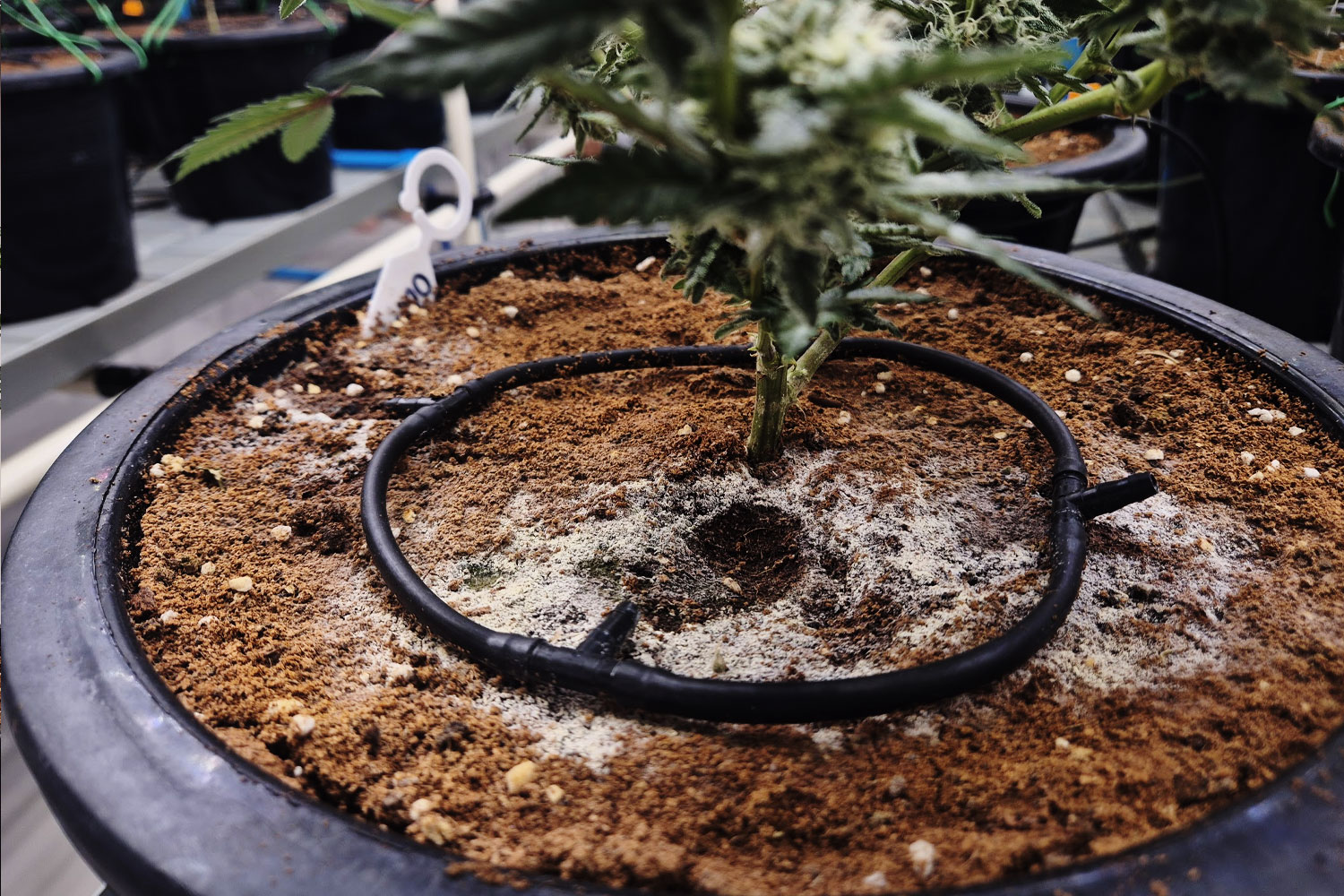
One of the things that stood out most during the tour of the growing space was the attention to soil management. The white powder visible in the photo is Trichoderma, a beneficial microorganism used in organic farming and horticulture worldwide.
Trichoderma colonizes the area around plant roots, where it’s understood to suppress pathogenic fungi and support healthy root development. It’s also associated with improving the broader microbial environment in soil, and is used as part of building soil that lets a plant express its full natural potential.
Having done organic growing myself, this approach is less about simply applying fertilizer and more about cultivating the soil itself as a living system. Revana Cafe’s approach extends beyond Trichoderma: the fertilizers used are also primarily organic materials.
Cannabis quality isn’t determined by strain and equipment alone. The accumulated, largely invisible work of building a healthy soil environment matters just as much. The attention paid to soil here was a clear signal of how seriously the team approaches cultivation overall.
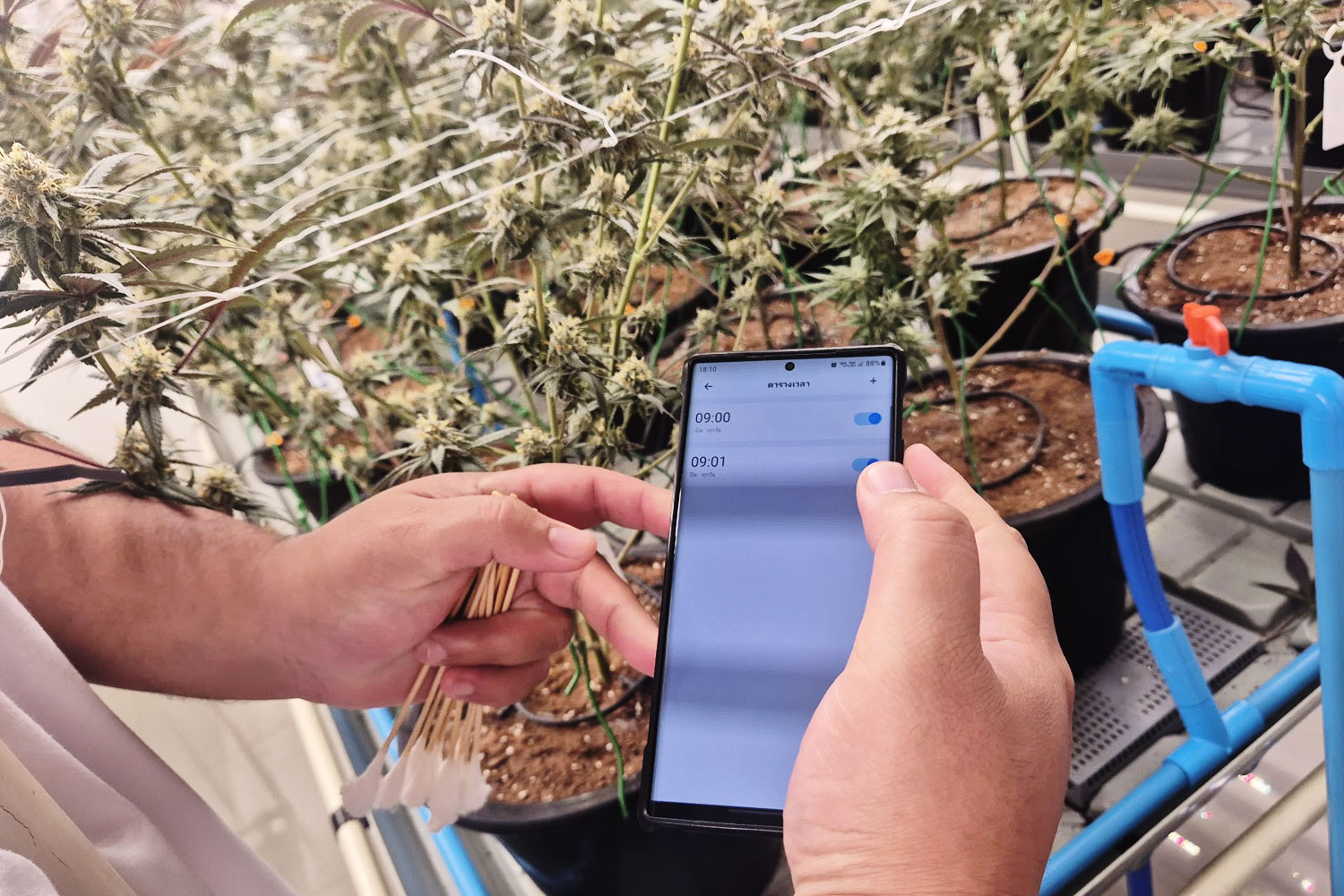
Another thing that stood out was the automation built into the growing environment.
Revana Cafe runs both the dispensary and the cultivation operation with a small team, which has pushed them toward building systems that make day-to-day management more efficient. They’ve built much of the cultivation infrastructure themselves, including a setup where watering and other management tasks can be checked and controlled from an app. I’ve seen a fair number of cultivation facilities at this point, and what’s interesting here isn’t just adding more labor. It’s using technology specifically to free up attention for quality control.
The Curing Environment That Determines Final Quality
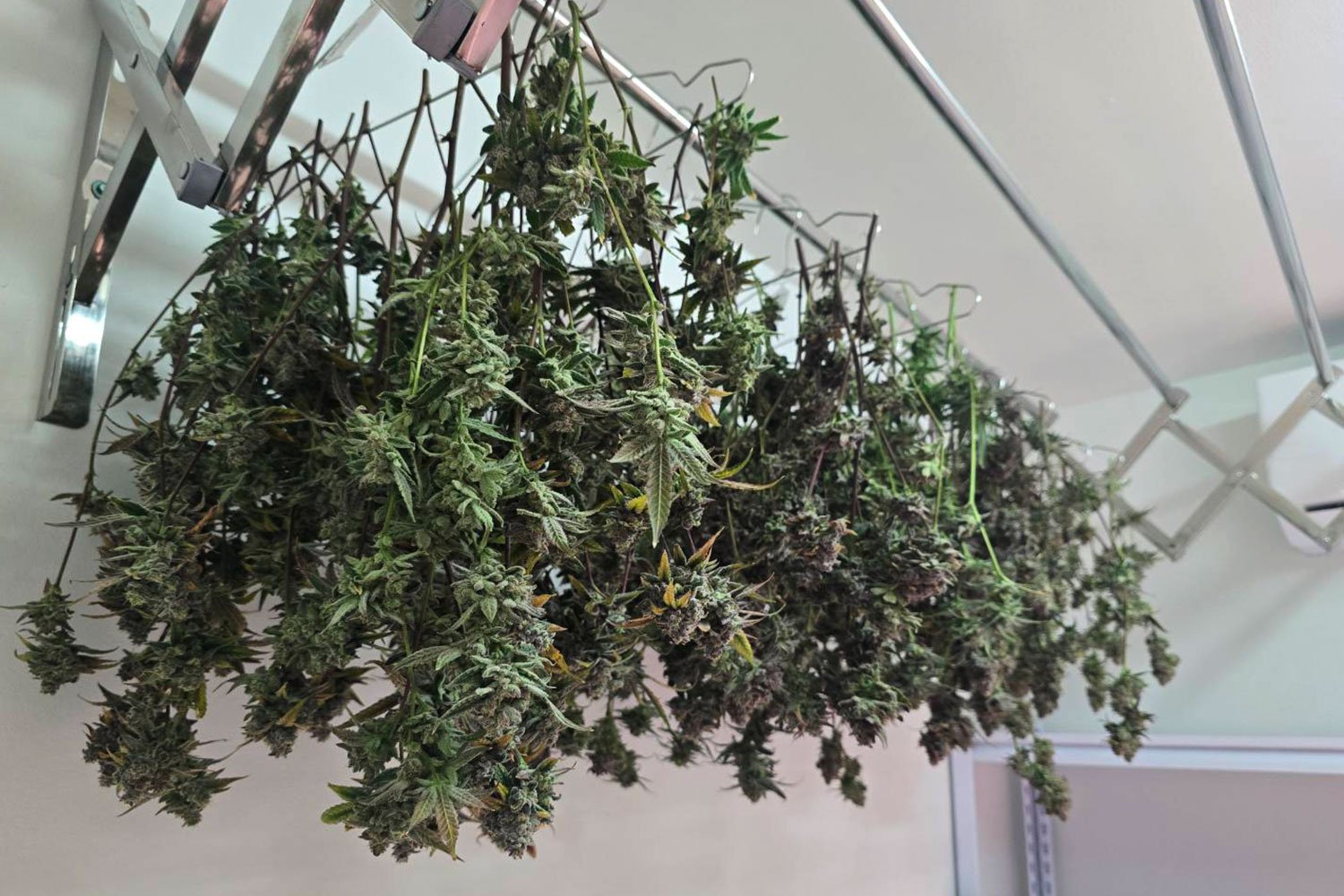
Cultivation doesn’t end at harvest. If anything, curing after harvest is what determines final quality more than almost anything else. Rushing the drying process or skipping proper curing weakens the terpene aroma the plant would otherwise express. The more seriously a grower takes quality, the more time and care goes into post-harvest curing, not just the growing phase itself.
Curing is the process of storing dried flower under controlled conditions while moisture content gradually equalizes. Done properly, this slow process breaks down residual compounds left in the leaves and stems, which is understood to deepen and round out aroma and flavor over time.
Revana Cafe has a dedicated curing room after harvest, maintained at the humidity and temperature that brings out the highest possible quality. Even once flower reaches the shop floor, it’s kept out of direct sunlight and stored under conditions that preserve that curing work rather than undoing it.
Having visited a fair number of cannabis farms at this point, the pattern holds: the farms producing genuinely good cannabis are the ones that treat post-harvest curing as seriously as the growing itself. The inverse is just as reliable: a farm that treats curing as an afterthought is producing lower-quality flower, often in ways you can tell before even smoking it.
2: Strains the Revana Cafe Growers Recommend
This visit happened right before harvest, so I took the opportunity to interview the person running cultivation directly, asking about strain characteristics by situation for anyone planning a visit to Revana Cafe.
Lemon Orange — A Bright Citrus Aroma Layering Lemon and Orange
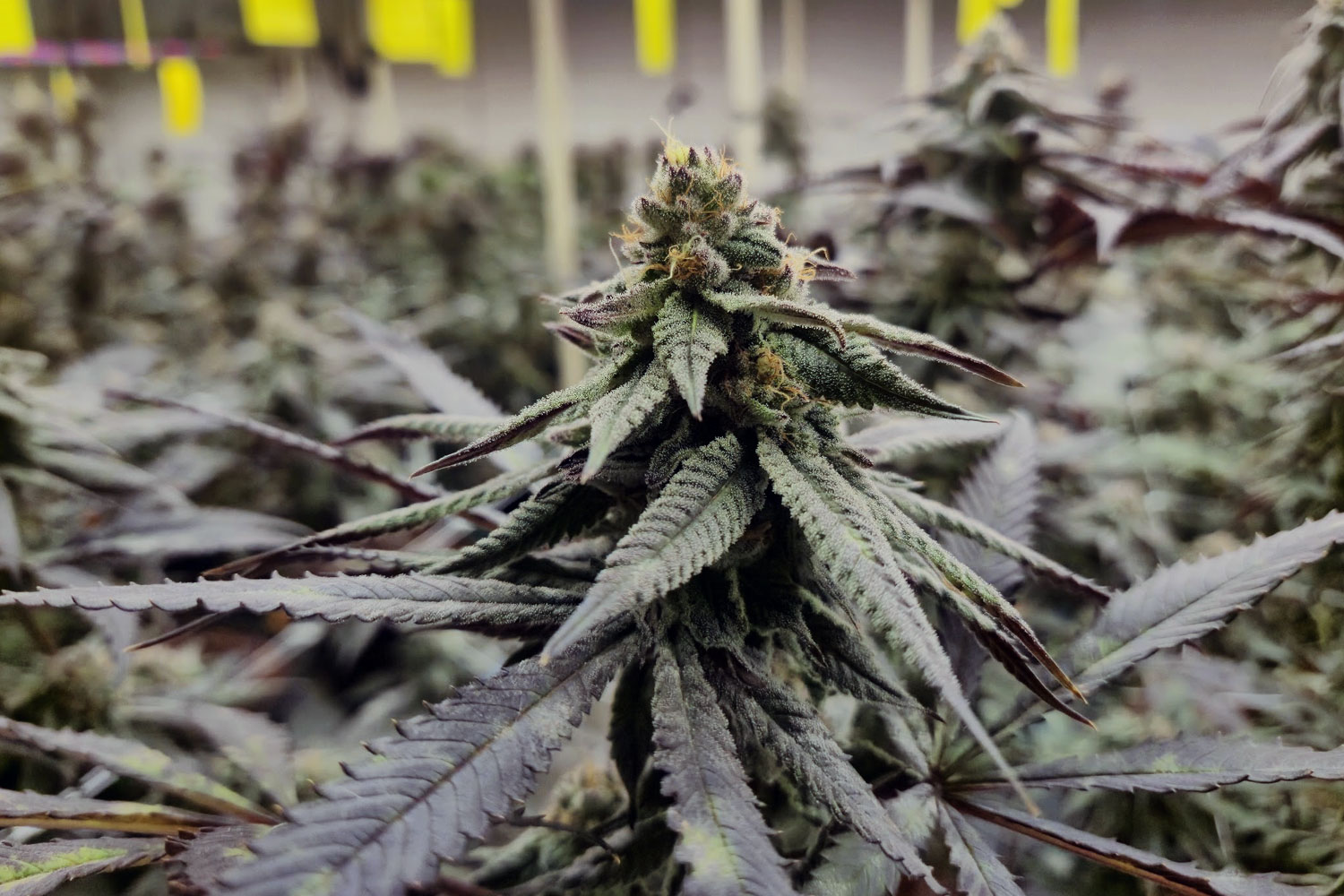
Lemon Orange is a medical cannabis strain with a bright aroma reminiscent of fresh-squeezed lemon and orange juice. Tart citrus character reminiscent of lemon candy sits at the center, layered with juicy orange fruitiness and a faint bitterness from the peel, landing on a profile that’s both juicy and genuinely approachable. The primary terpene, Limonene, also found in lemon and orange, gives the overall aroma its bright, fresh character. The first impression is bright citrus freshness, followed by fruit sweetness, leaving a light finish that calls fresh-squeezed orange lemonade or citrus sherbet to mind.
Grower’s Notes
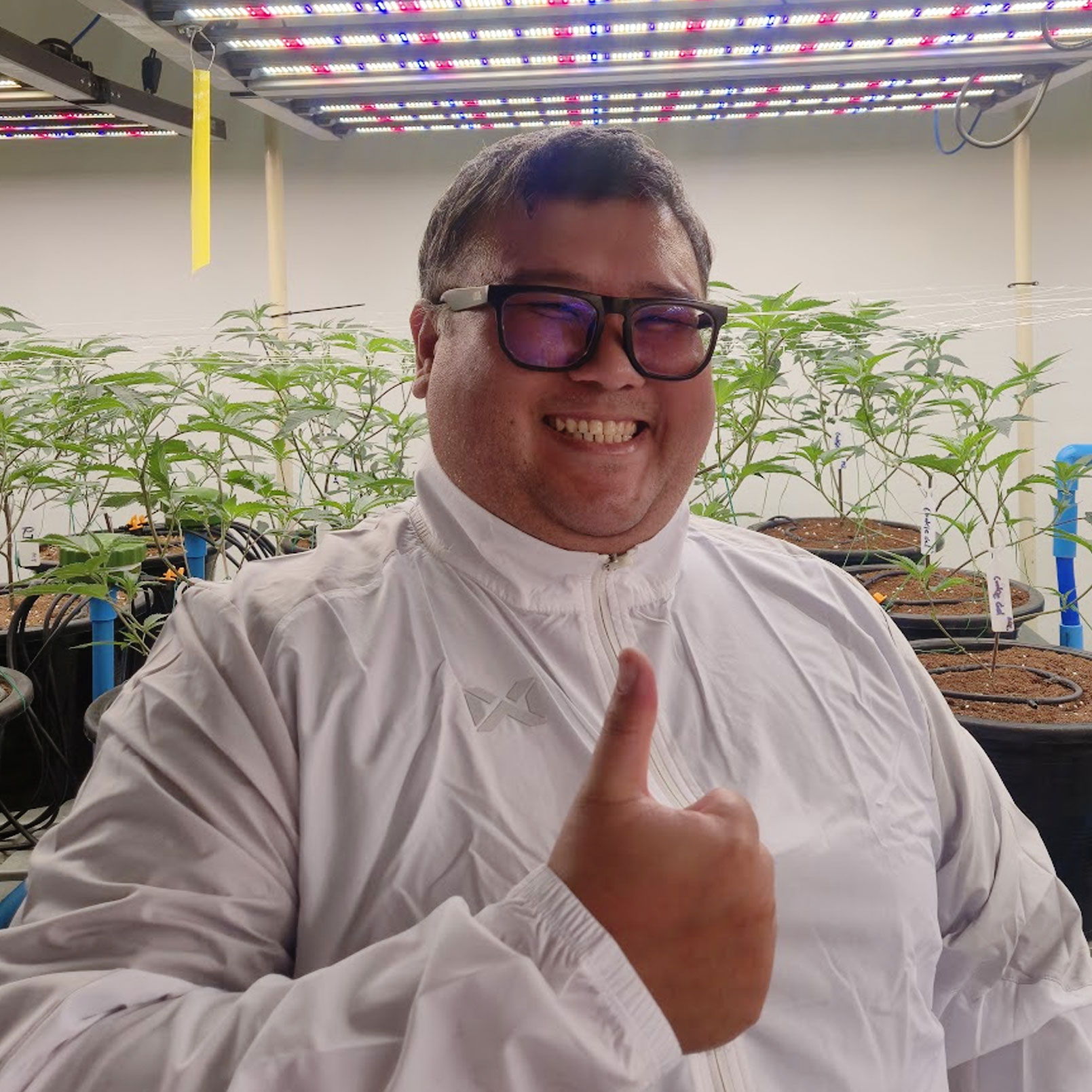
Grower
BIG
Lemon Orange is one of those strains where the citrus character comes through clearly even during cultivation. By late flowering, the whole growing room carries that bright lemon-and-orange aroma. Growth has been fairly stable, and I wouldn’t call this a particularly finicky strain. The plant structure holds up well too, and given the right environment, it tends to produce a consistent result across plants. The aroma sharpens noticeably as harvest approaches, which makes watching the day-to-day changes genuinely enjoyable.
Limoza — A Juicy Aroma Reminiscent of Tropical Fruit
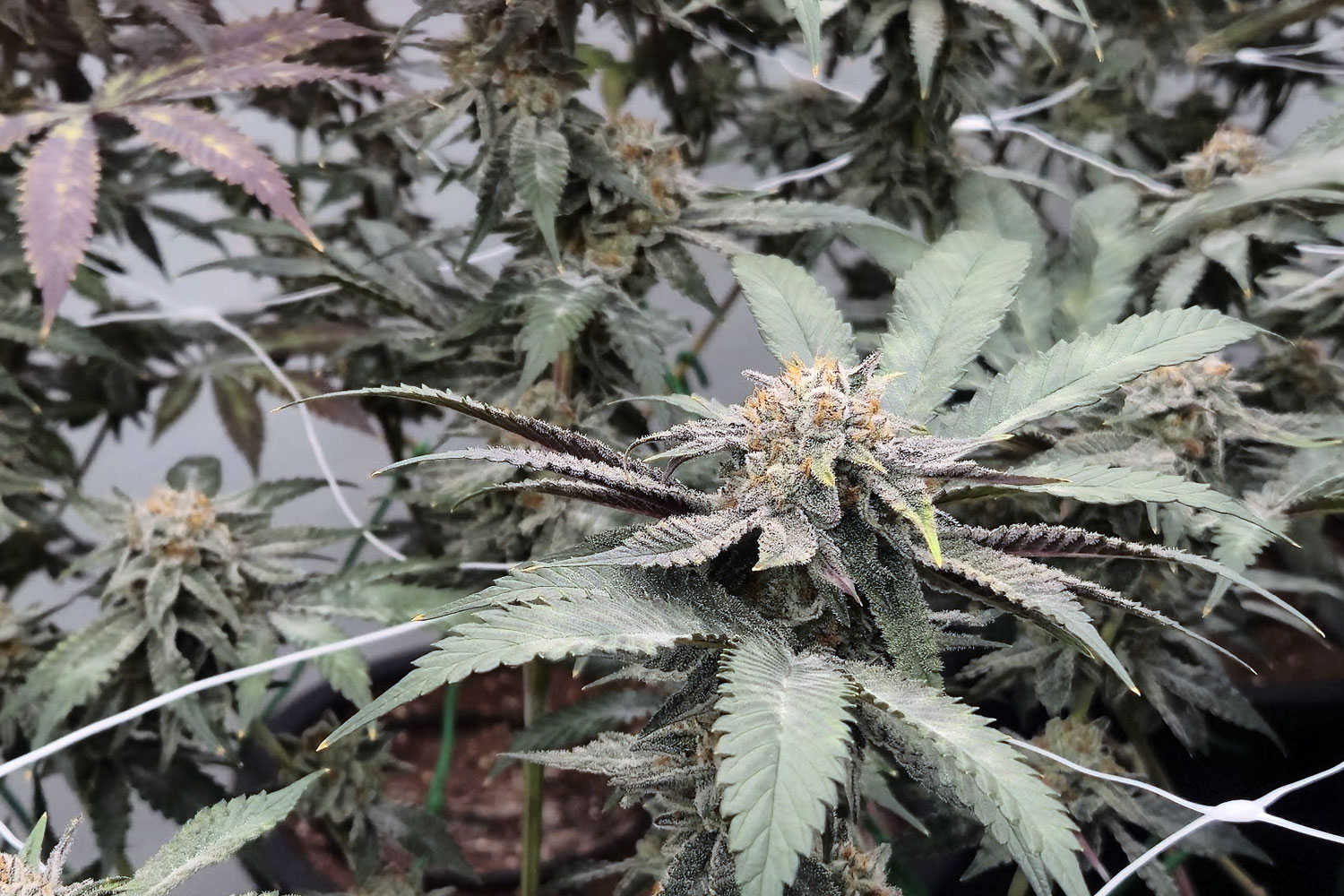
Limoza is a medical cannabis strain with a vivid citrus aroma reminiscent of fresh-squeezed lemon. Tart, sweet fruit character reminiscent of lemon candy sits at the center, layered with tropical sweetness reminiscent of orange and mango, landing on a juicy, vivid profile. The primary terpene, Limonene, also found in lemon and orange, gives the overall aroma its fresh character. The first impression is bright lemon freshness, followed by soft tropical fruit sweetness, leaving a juicy finish that calls citrus juice or a fruit smoothie to mind.
Grower’s Notes
Grower
BIG
As Limoza moves through flowering, a sweet, vivid tropical fruit aroma develops, and it has real presence from fairly early on in cultivation. The way the aroma shifts is part of what makes it interesting. Depending on the stage, the citrus character or the tropical fruit character takes the lead at different points. The plant structure stays well balanced and isn’t difficult to manage day to day. Right before harvest, that fruit character intensifies noticeably, which makes the final stretch genuinely exciting as a grower. The balance between aromatic richness and ease of cultivation makes this one of the more legible strains in the Revana lineup.
King Juice — A Distinctive Strain With Layered, Fruit-Forward Sweetness
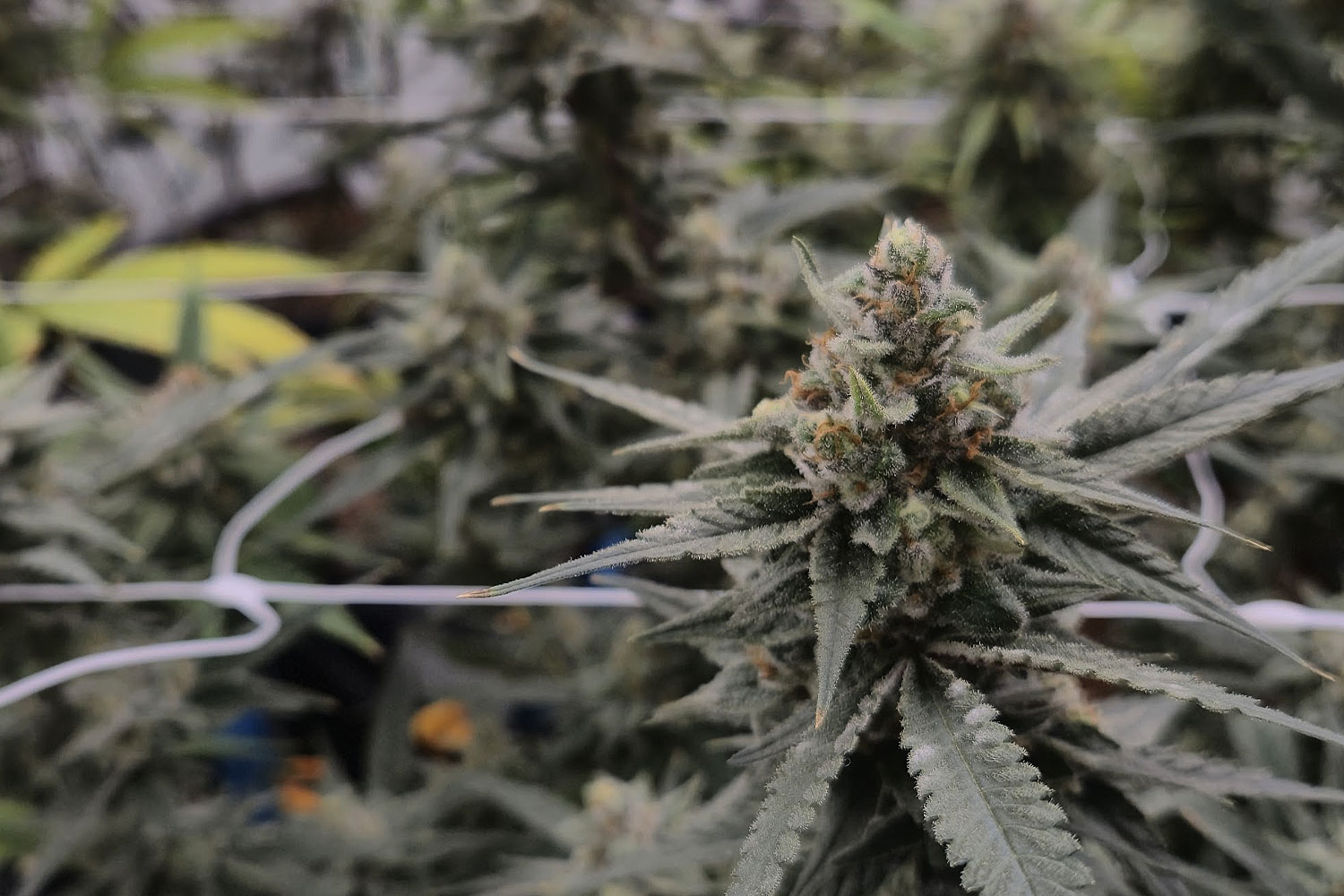
King Juice is a medical cannabis strain with a juicy aroma reminiscent of fresh-squeezed fruit juice. Tropical sweetness reminiscent of mango and pineapple sits at the center, layered with citrus brightness reminiscent of orange and lemon, landing on a vivid, approachable profile. The primary terpene, Limonene, also found in lemon and orange, gives the overall aroma its fresh character. The first impression is dense, juicy tropical fruit sweetness, followed by light citrus brightness, leaving a rich finish that calls a mixed fruit juice or fruit cocktail to mind.
Grower’s Notes
Grower
BIG
What makes King Juice interesting is the depth that comes from multiple aromas layering together, and it genuinely shifts character depending on the point in cultivation. Early flowering and late flowering present noticeably different aromatic profiles, with the fruit sweetness joined by more complex nuances as it develops. That makes daily observation genuinely rewarding with this one. The plant grows vigorously, and with proper management the flower volume is solid. Curing after harvest also has a real effect on how the aroma comes together, so there’s a full arc of enjoyment from cultivation through to the finished product. This strain feels like it represents what Revana cares about most: cultivation that draws out each strain’s individual character.
3: If You’re in Bangkok, Stop By Revana Cafe
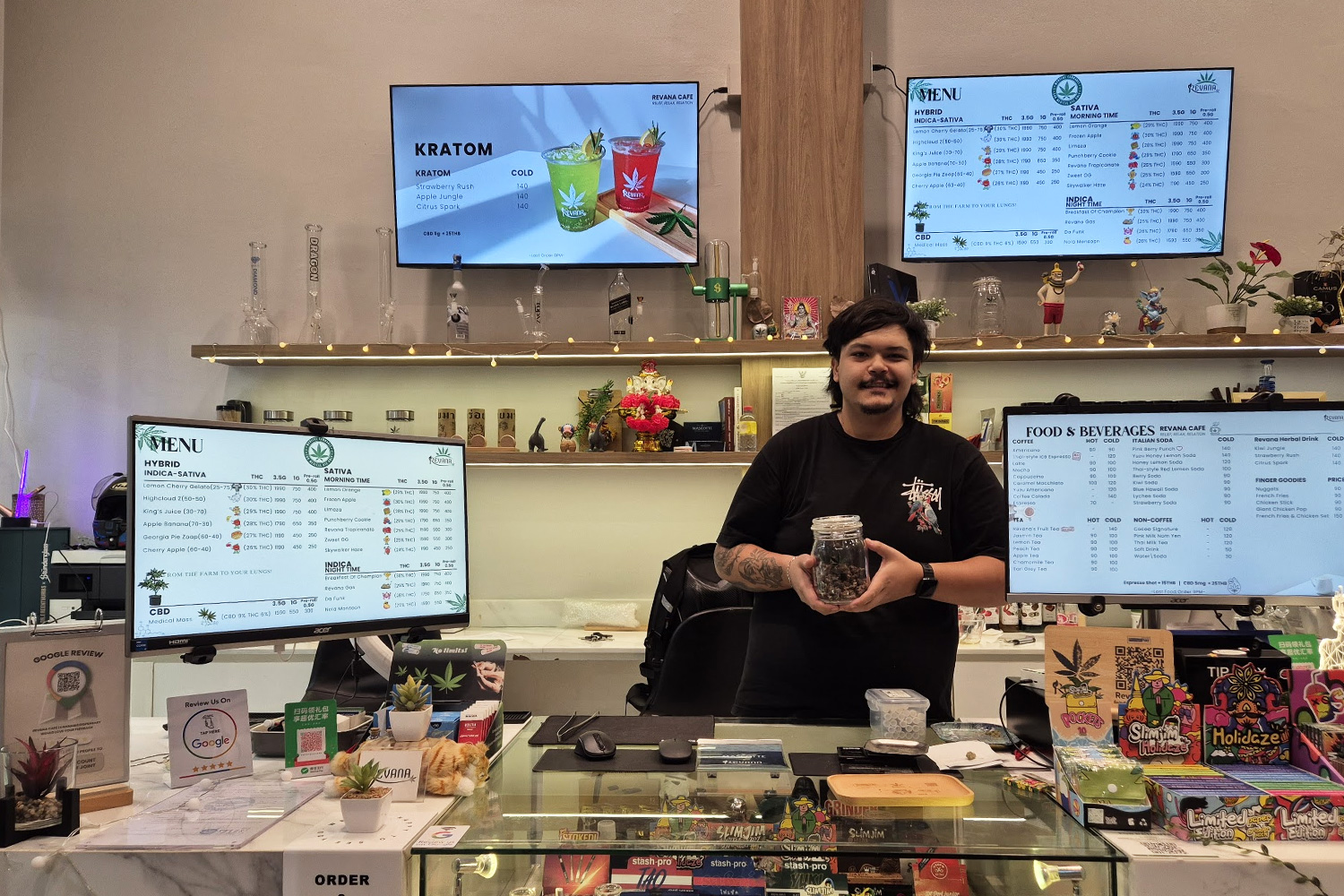
What came through clearly after touring the farm is that Revana Cafe’s cultivation isn’t built around simply producing cannabis to sell. It’s the result of growers pursuing a standard of quality they’re genuinely satisfied with themselves.
Terpene-focused pheno hunting, organic soil building, rigorous curing management: every step of the process carried that same commitment to quality. Hearing the details directly made it clear how much trial and error sits behind the flower that ends up on the shelf.
If you find yourself in Bangkok with the chance to visit Revana Cafe, pay attention to the aroma and the terpene profile, and use that to find the strain that actually fits you.
Note: This article is based on content originally published on the Japanese edition of OG Times .