How Long Does CBD Take to Work? Understanding Onset Time and Individual Differences

When becoming interested in CBD, one of the first questions many people ask is “How long does it take to feel it?” When I first tried CBD, I was unsure whether I should notice something immediately or wait longer, and I remember focusing too much on the timing.
From what I observed locally, some people say “it worked right away,” while others say “I felt nothing,” which often causes confusion. However, onset time is not something that can be defined by a single standard. It is described as varying depending on intake method, physical condition, and expectations.
In this article, I organize how long CBD is said to take to be felt, drawing from both personal perspective and research or official sources, and outline a calmer way to understand timeframes and individual differences.
1: How Long Does It Take to Feel CBD?
The time it takes to feel CBD cannot be summarized with a single answer such as “it works after a certain number of minutes.” In my experience and in many local testimonials, the onset time varies widely. Intake method, daily condition, and expectations appear to overlap and influence timing.
Research also organizes CBD absorption and perceived effects as highly individual, not uniform across users. Differences in metabolism and absorption pathways may contribute to variation.
(Reference: National Institutes of Health)
From my perspective, understanding why differences occur may reduce anxiety more effectively than trying to define a fixed timeframe.
Why I Initially Focused on Onset Time
When I first used CBD, I focused heavily on onset time because I felt I needed to notice some kind of change. I repeatedly checked how many minutes had passed and searched for small shifts in sensation.
Looking back, this mindset itself may have made evaluation more difficult. Research indicates that user expectations and attention can influence perception.
(Reference: Harvard University Research Team)
Why People Often Say “It Works” or “It Doesn’t”
When researching CBD, it is common to find statements such as “it worked immediately” alongside “it didn’t work at all.” From local observation, these polarized descriptions often create confusion.
Differences may stem not only from intake method or amount, but also from what individuals define as “feeling it.” Some focus on physical sensations, while others focus on mood or thought patterns.
Official sources also indicate that CBD’s effects are influenced by subjective evaluation, and simple labels such as “worked” or “didn’t work” may not fully capture the experience.
(Reference: World Health Organization)
2: Commonly Reported Timeframes for CBD Effects
When examining how long CBD takes to be felt, it becomes clear that a simple statement such as “it works after a certain number of minutes” is difficult to apply. Based on personal experience and local observations, onset timing varies widely between individuals.
However, it is not entirely random. General time estimates are often discussed depending on the method of intake. This section organizes those commonly reported timeframes.
Estimated Timelines Depending on Intake Method
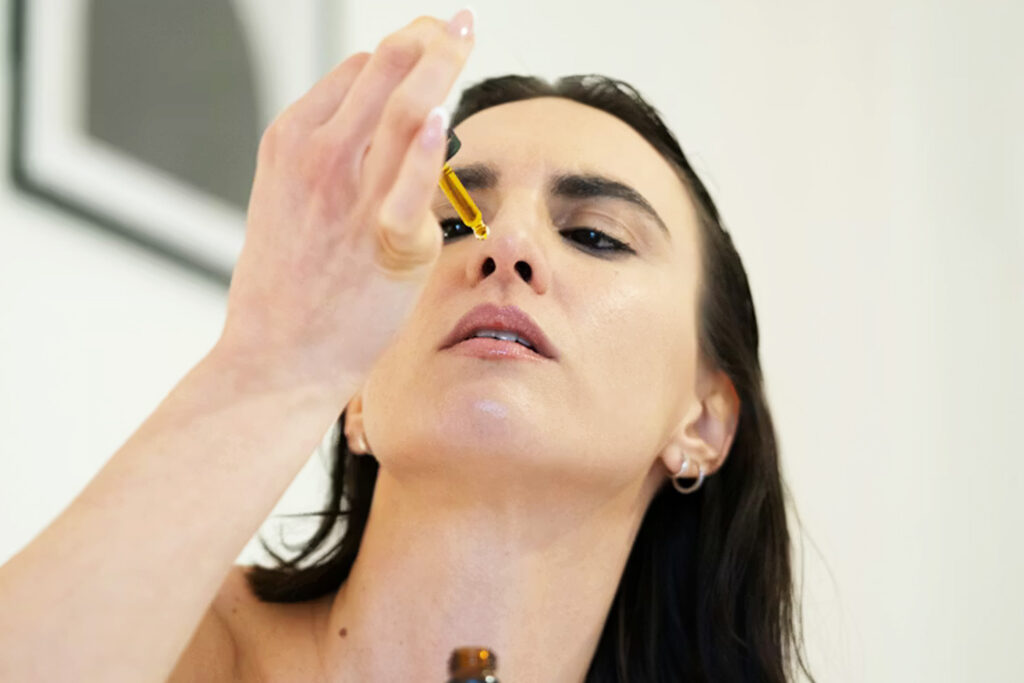
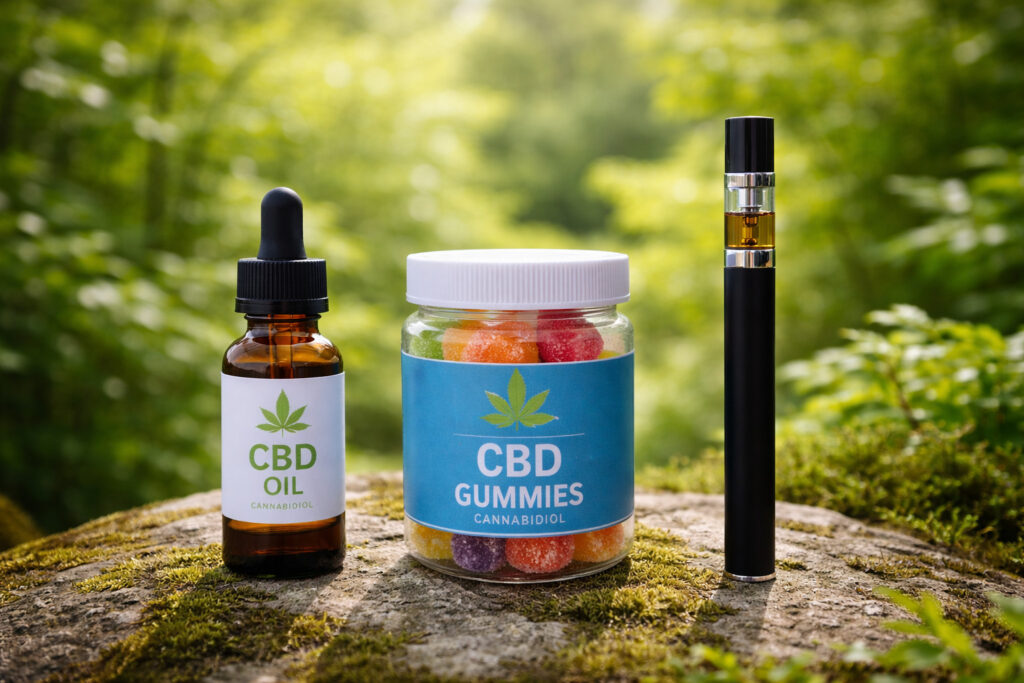
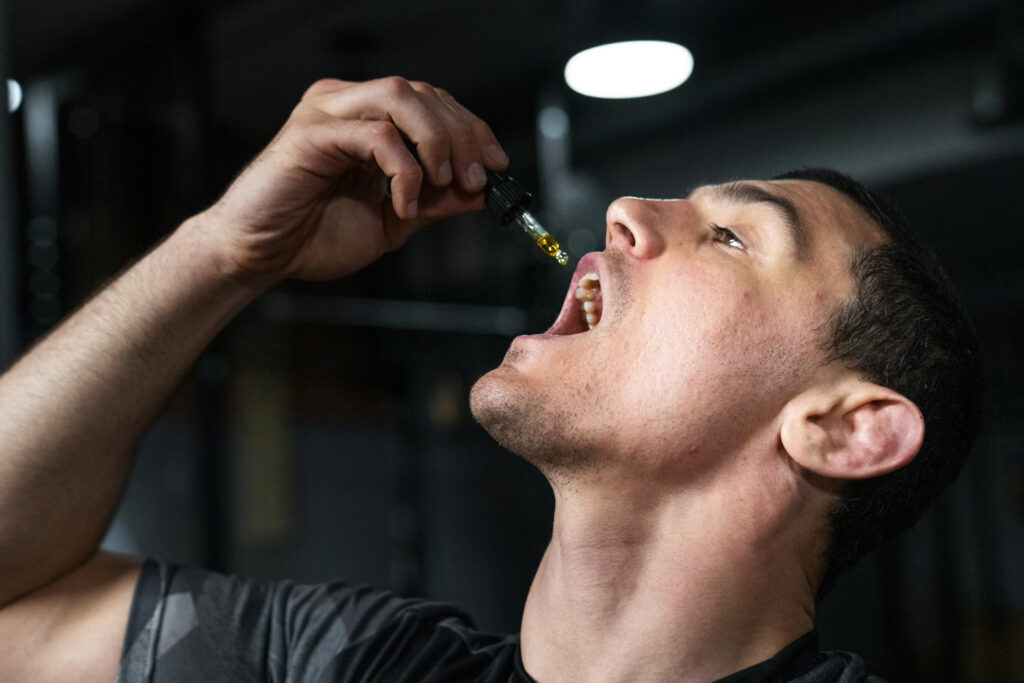
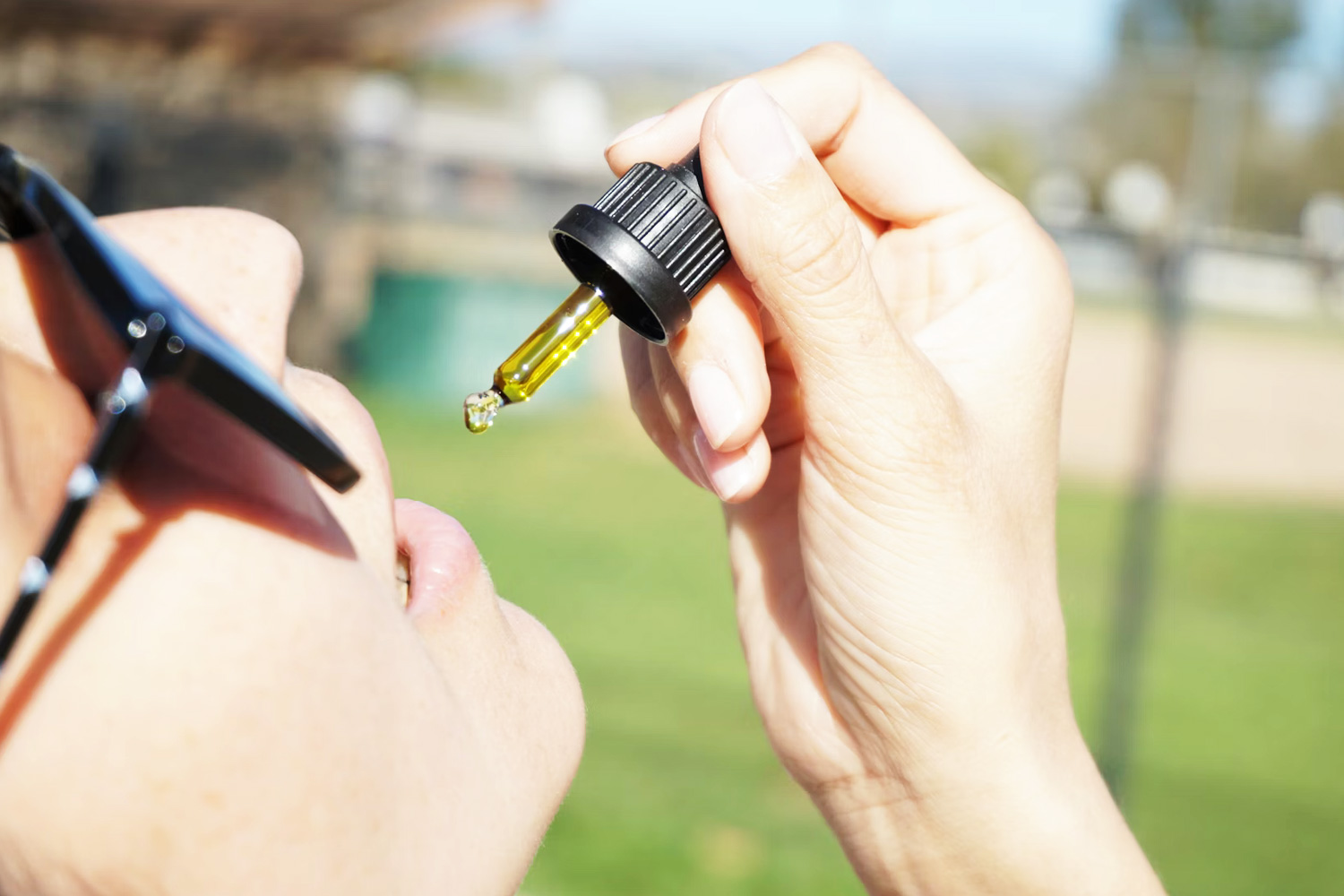
Based on my understanding, CBD is said to vary in onset time depending on the method of intake. When taken sublingually as oil, inhaled, or consumed as food, the absorption pathway differs, which may influence how quickly effects are perceived.
Research also organizes CBD absorption as route-dependent. The time required for blood concentration to rise differs by intake method. Some methods are associated with relatively faster absorption, while others are described as more gradual.
(Reference: National Library of Medicine)
Time Ranges Described in Research and Reports
From an objective standpoint, research and reports describe certain time ranges in which CBD effects are more commonly perceived. However, these sources do not state that effects will occur at a fixed time. Instead, they describe ranges in which changes are reported more frequently.
Studies mention subjective changes occurring within a range from several minutes to several hours, while also noting that some individuals do not clearly perceive effects. Repeatedly, sources emphasize significant individual variation.
(Reference: World Health Organization)
From my perspective, these time ranges may be better understood not as expectations to meet, but as reference points that allow for patience.
3: Why Onset Time Differs Between Individuals
When considering why CBD onset time varies, individual differences appear to exist before even asking whether it works or not. In my own experience and local conversations, I repeatedly observed that even when using the same product, timing and perception differed between people.
Research and official sources also describe CBD perception as influenced by multiple overlapping factors rather than a single cause.
The Role of Body Type and Metabolism
Based on my understanding, differences in body type and metabolism are considered one factor influencing onset time. Even among people around me, some appear more sensitive to compounds, while others notice little change.
Research reports that CBD metabolism varies between individuals, and differences in metabolic rate or response may influence perceived timing. Even when the same amount is consumed, blood concentration changes may differ.
(Reference: National Library of Medicine)
The Influence of Daily Physical and Mental Condition
Onset time appears to be influenced not only by body type, but also by daily physical and mental condition. In my experience, perception differed between days of fatigue or sleep deprivation and days when I felt calm.
Research and official sources indicate that CBD perception may vary depending on the user’s condition at the time of use. Psychological tension or anxiety may influence how strongly changes are noticed.
(Reference: Harvard University Research Team)
From my perspective, reflecting on one’s condition on that day may help organize concerns about timing.
4: Differences in What People Consider “Feeling It”
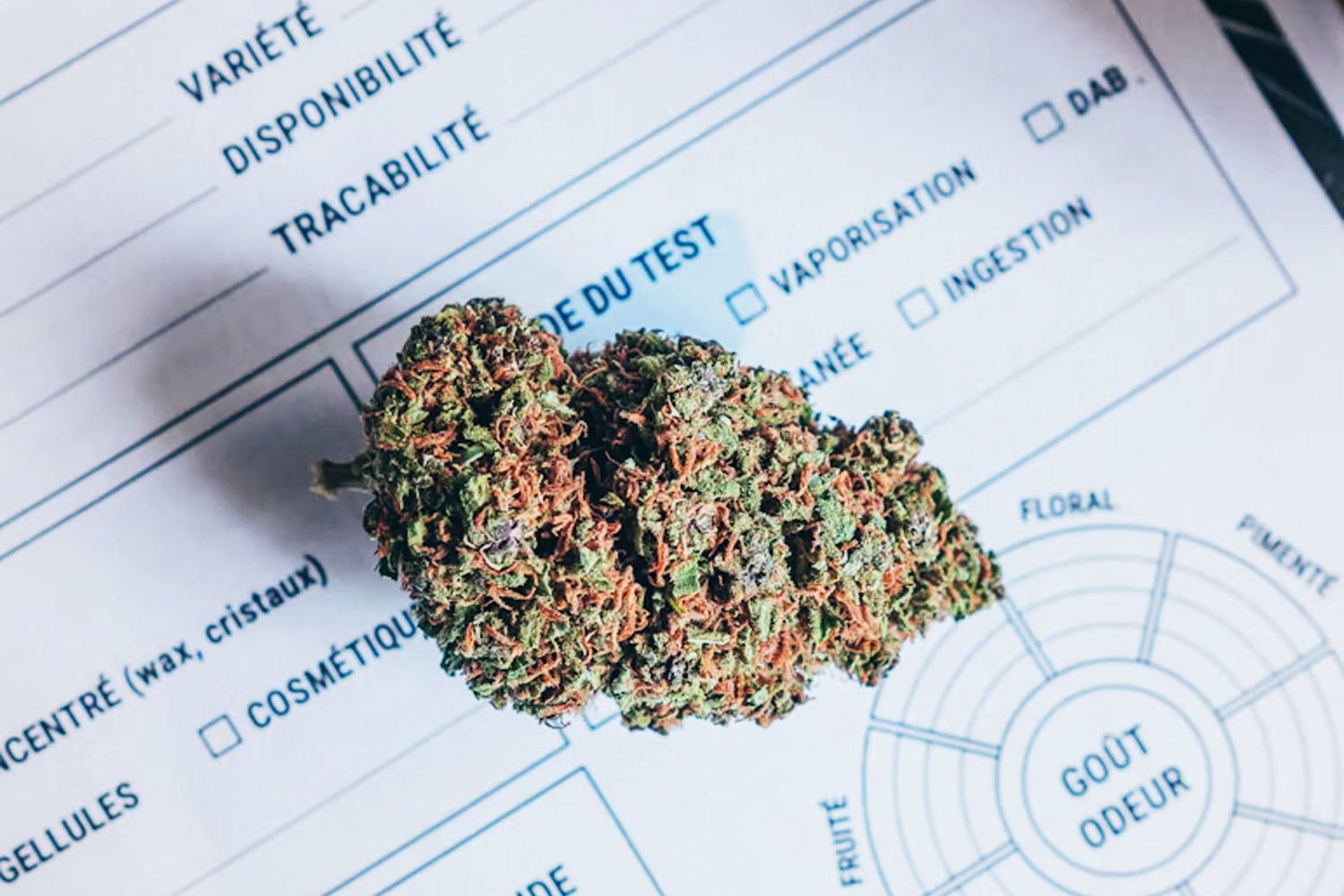
When listening to conversations about CBD, it becomes clear that what people mean by “feeling it” differs between individuals. From my own experience and local observations, the same change may be recognized as an effect by some, while others may not interpret it that way.
Without clarifying these differences, discussions about timing can easily turn into conflicting conclusions such as “it worked” or “it didn’t.”
Physical Changes That Are Often Noticed
From what I observed, many people tend to interpret physical changes as the primary sign of “feeling it.” Examples include deeper breathing, reduced tension in the shoulders or neck, or a shift in bodily heaviness or lightness.
These changes are often not sudden. In many cases, they are recognized only after the state has already shifted.
Research also notes that CBD-related changes may be perceived as bodily sensations and that their intensity and recognition vary between individuals.
(Reference: National Library of Medicine)
Changes in Mood or Thought Patterns
Others interpret “feeling it” not through physical sensation, but through changes in mood or thought patterns. In my experience, changes such as feeling mentally calmer or finding it easier to shift focus were often recognized only in hindsight.
Because these shifts are subtle, they may not be immediately labeled as effects and may lead to the conclusion that nothing happened.
Research and official sources indicate that psychological aspects of CBD perception can be influenced by subjective interpretation and attention.
(Reference: World Health Organization)
5: Why It May Be Better Not to Rush the Experience
While reflecting on CBD perception, one point stood out to me: the more I tried to feel it quickly, the more unstable my interpretation became. From local observations, those who focused heavily on timing often seemed more uncertain about whether anything was happening.
This section organizes why it may be better not to rush the experience.
The Distortion Caused by Constantly Checking the Time
In my experience, constantly checking how many minutes had passed shifted my focus from perception itself to whether change was occurring “on schedule.” As a result, I became overly aware of small sensations, making it harder to grasp the overall experience.
Research suggests that subjective perception can be influenced by attention and time awareness. Measuring time too strictly may interfere with natural perception.
(Reference: Harvard University Research Team)
From my perspective, using time as a reference is different from becoming bound by it.
The Impact of Trying Too Hard to “Feel Something”
Another important point is that the belief that one must feel something can itself influence evaluation. In my experience, the more I tried to detect change, the more artificial the perception felt, or the more convinced I became that nothing was happening.
Official sources indicate that CBD perception includes strong subjective elements, and that expectations and attention may shape interpretation.
(Reference: World Health Organization)
From my understanding, living normally and reflecting later may allow clearer organization than actively trying to force perception.
6: How to Organize Your Thoughts When You Don’t Notice Effects
It does not seem uncommon for someone to try CBD and feel unsure whether any effect was noticed. From my experience and local conversations, many people become confused when trying to decide immediately whether something happened.
This section organizes how to approach the situation calmly when perception feels unclear.
A Perspective That Avoids Concluding “It’s Not Working”
From my perspective, a lack of clear perception does not necessarily mean it is not working. In my own experience, I sometimes noticed no change during use, but recognized differences in mood or focus only when reflecting later.
Research notes that CBD effects may not always appear as immediate, clear sensations, and that subjective evaluation alone can be difficult. Perception may also vary depending on attention.
(Reference: National Library of Medicine)
The Value of Stepping Back and Reflecting Later
When perception feels unclear, it may help not to force an immediate conclusion, but to step back and reflect later. In my experience, reviewing daily comfort or thought flow after some time made it easier to organize perception.
Official sources indicate that CBD perception may be evaluated not only immediately, but also over time. Short-term judgments may lead to misunderstanding.
(Reference: World Health Organization)
Viewing perception as something that can be reflected on later, rather than captured instantly, may reduce unnecessary pressure.
7: How to Understand CBD Onset Time
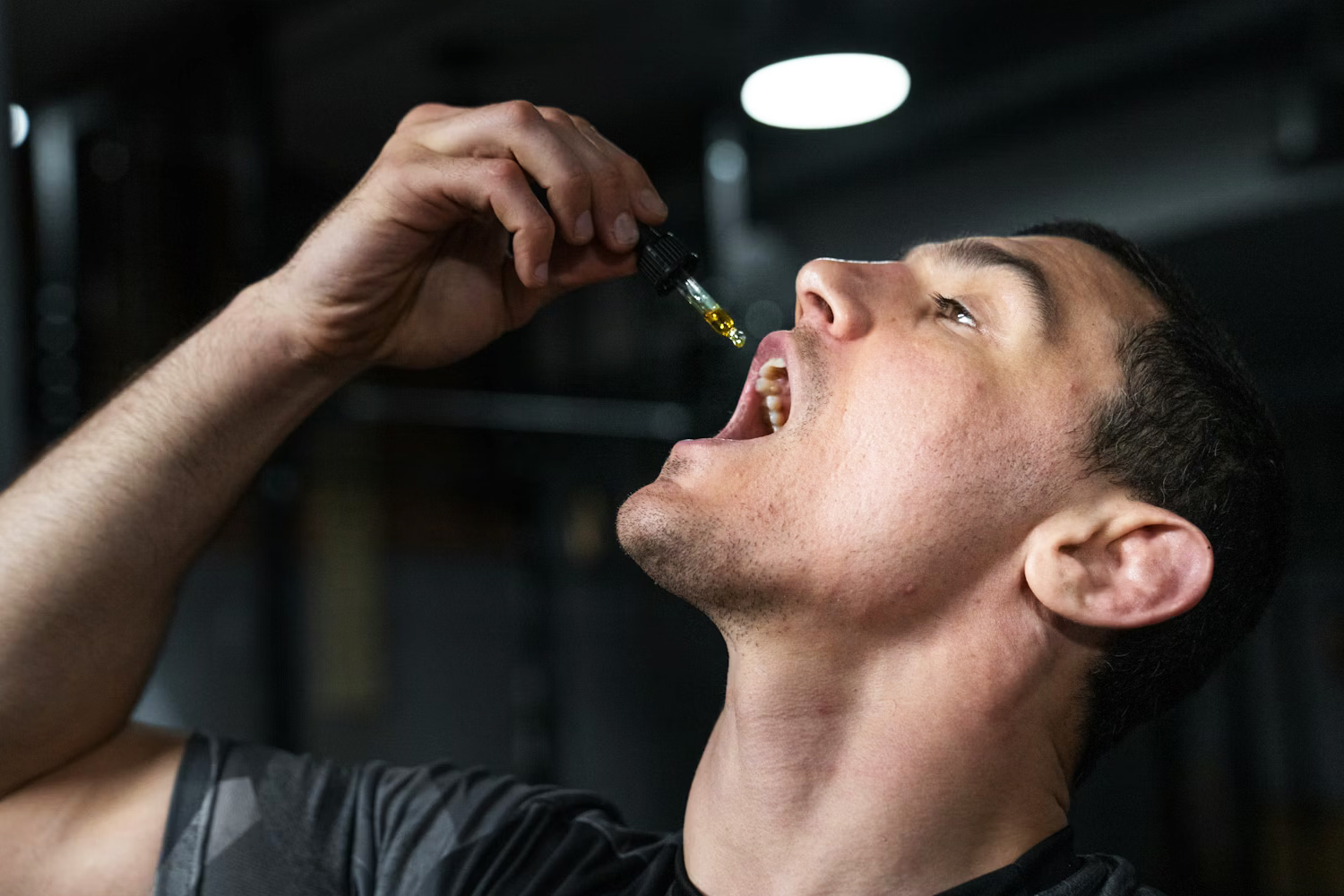
After organizing CBD onset time, one conclusion stands out: how long it takes to feel CBD cannot be defined by a single fixed answer.
From both personal experience and local observation, timing and interpretation vary depending on intake method, body type, daily condition, and attention. Research and official sources also describe CBD perception as inherently individual, not uniform in timing.
Therefore, not feeling effects quickly does not necessarily mean it is ineffective. Reflecting later on changes in body, mood, or thought may reduce unnecessary concern.
Onset time may be better understood not as a performance indicator, but as reference information for understanding one’s condition.
Note: This article is based on content originally published on the Japanese edition of OG Times .