Cannabis Etiquette When Smoking With Friends: How to Avoid Awkwardness and Bad Trips


Cannabis can feel very different when used alone compared to when shared with friends. From my experience, the atmosphere, emotional tone, and overall comfort level can shift depending on who is present. What feels relaxing in one setting can become tense or uncomfortable in another if differences in tolerance or expectations are not understood.
Because cannabis heightens perception and emotional sensitivity, social dynamics play a significant role. This section explains why etiquette matters when smoking with friends and how awareness of group dynamics helps reduce anxiety and prevent negative experiences.
1: Why Cannabis Etiquette Matters When Smoking With Friends
Cannabis is not only a product; it is an experience influenced by mood and environment. In psychology and psychiatry, the importance of “set and setting” has long been discussed, referring to how mental state and surroundings shape perception (U.S. National Library of Medicine).
When smoking with friends, small misunderstandings can quickly influence the atmosphere. If someone feels pressured, ignored, or emotionally unsettled, the experience may shift toward discomfort rather than relaxation.
How the People You Smoke With Shape the Experience
From what I have observed, cannabis experiences change depending on who shares the space. Calm and supportive company often creates a sense of safety. In contrast, tense or overly stimulating behavior can make the experience feel unstable.
Psychological concepts such as emotional contagion suggest that people influence each other’s feelings in shared environments (American Psychological Association). When perception becomes more sensitive under cannabis, this influence may feel stronger.
How Differences in Tolerance, Values, and Intentions Create Tension
Cannabis affects individuals differently. The same amount may feel relaxing to one person and overwhelming to another. Differences in tolerance, expectations, or purpose—such as wanting to relax versus wanting to become energized—can create subtle tension.
From my experience, mismatched pace or intent can shift the atmosphere. What begins as a relaxed session may become uncomfortable if participants are not aligned.
Core Principles That Help Prevent Awkwardness and Bad Trips
A basic principle is respecting the experience of others as much as your own. Avoid pressure, teasing, or rushing. Allow space for different reactions.
A bad trip is described as a condition in which anxiety, fear, confusion, or rapid heartbeat intensify due to cannabis use, leading to an uncomfortable psychological state. Even when consumed for relaxation, changes in mental condition or environment may increase sensitivity, and reports indicate that altered sense of reality or excessive thinking can occur.
A “bad trip” is often described as a state in which anxiety, fear, confusion, or rapid heartbeat intensify during cannabis use (U.S. National Institutes of Health). Even when the intention is relaxation, emotional sensitivity and environmental factors may influence the outcome.
Maintaining a calm, respectful atmosphere significantly reduces the likelihood of awkwardness or anxiety escalating.
2: Essential Cannabis Etiquette Before You Start Smoking
Smoking cannabis with friends can feel relaxed and enjoyable, but it also carries small risks if expectations are not aligned. In environments like Thailand, where high-THC strains are common, brief communication before smoking can significantly influence the experience.
From what I have observed, negative reactions such as anxiety or increased heart rate often occur when THC strength is misunderstood or when expectations are not shared in advance. Research has reported that misjudging THC potency and lack of prior explanation may increase anxiety responses (U.S. National Institutes of Health).
Respect Each Other’s Pace (No Pressure or Teasing)
Cannabis affects individuals differently, and the same amount can feel calm for one person and overwhelming for another. Because of this variation, respecting each other’s pace is essential.
From what I have seen, phrases like “you can handle more” or teasing comments can create tension and destabilize the atmosphere. Beginners or those with low tolerance may try to keep up with others, which increases the likelihood of discomfort.
Simple reassurance such as “take your time” or “one puff is enough” helps maintain stability and comfort.
Share THC Strength and Consumption Method in Advance
Discussing THC percentage, flavor profile, and method of consumption before smoking helps reduce misunderstandings. In Thailand, strains with THC levels around 25–35% are common, which may be too strong for beginners.
Reports indicate that individuals unaware of THC potency are more likely to experience anxiety or panic (U.S. National Library of Medicine).
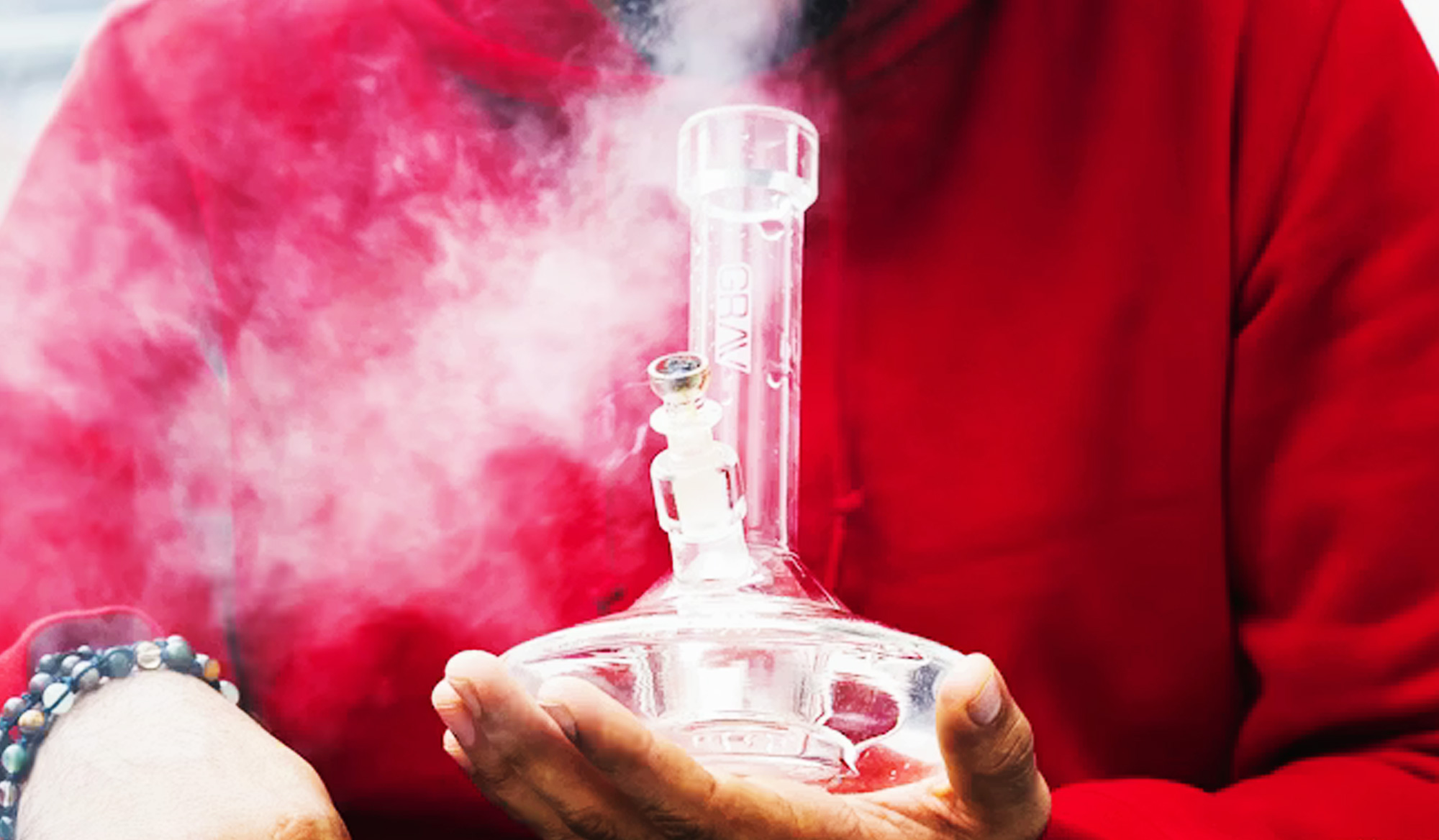
Different consumption methods also produce different onset patterns. From my experience, bongs tend to produce a stronger immediate effect, while joints rise more gradually. Sharing simple information such as “this one is strong” or “start with one puff” makes the session more stable.
Check Physical and Mental Condition Beforehand
Cannabis is influenced by physical and emotional condition. In my experience, lack of sleep, anxiety, or extreme fatigue tends to make the effects feel more negative.
A brief check-in such as “How are you feeling today?” or “Did you get enough rest?” can help someone feel safer before starting. Beginners who feel nervous may experience increased heart rate or racing thoughts if they consume without acknowledging their condition.
Understanding each other’s state creates a more grounded and stable environment.
3: Etiquette While Smoking Together: Managing Social Distance and Energy

When smoking cannabis together, changes in mood and energy often feel more noticeable than usual. Under cannabis, emotional sensitivity can increase, making small social cues feel amplified.
Research related to emotional contagion and mirror neuron theory suggests that people influence each other’s emotional states in shared environments (American Psychological Association). In my experience, the way a group manages atmosphere and subtle behavior can significantly shape the overall experience.
Passing Etiquette in Group Sessions
In group sessions, small etiquette habits help maintain comfort and flow. From what I have observed, simple guidelines make a noticeable difference:
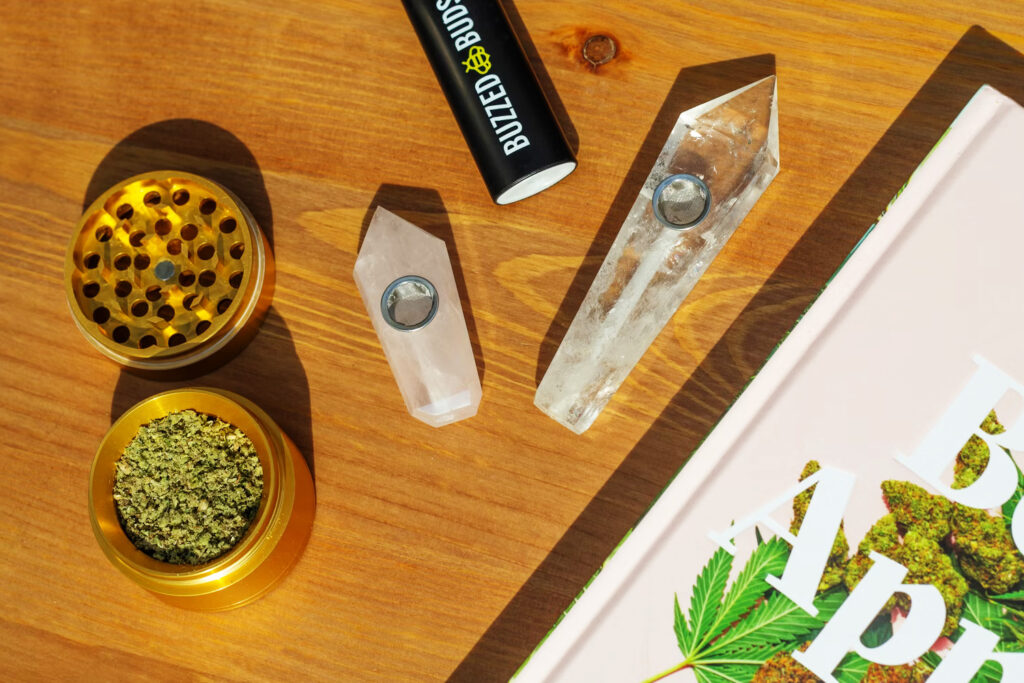
- Avoid over-consuming before passing (two puffs, then pass).
- Do not moisten the mouthpiece.
- Do not hold the joint or pipe while talking for too long.
- Offer a small acknowledgment when receiving it.
Cannabis can alter time perception, and people may unintentionally hold onto the joint longer than intended. Being mindful of the next person maintains group harmony.
Respecting Different Energy Levels and Silence
Some people become talkative, while others grow quiet or introspective. Different reactions do not automatically signal a problem.
Silence is not necessarily negative. In my experience, forcing conversation or repeatedly asking “Are you okay?” can unintentionally increase anxiety. Allowing everyone to remain at their own pace helps stabilize the environment.
Respecting different energy levels creates a more balanced and comfortable atmosphere.
How to Respond If a Friend Feels Unwell
Anxiety, rapid heartbeat, chest pressure, or heightened thoughts are not uncommon reactions. The most important response is staying calm.
From what I have observed, the following actions help stabilize the situation:
- Move to a quieter and less stimulating environment.
- Offer water and encourage slow breathing.
- Speak in a steady and reassuring tone.
Avoid laughing, dismissing concerns, raising your voice, or telling someone they are “overthinking.” During heightened sensitivity, even small negative cues can amplify discomfort.
Maintaining a calm presence significantly improves the likelihood of recovery and comfort.
4: How to Support Someone Experiencing Anxiety or a Bad Trip
Anxiety reactions, rapid heartbeat, and heightened thoughts have been reported to occur more frequently in beginners or when high-THC products are used (U.S. National Library of Medicine). In my experience, first-time interactions or tense situations also increase the likelihood of discomfort.
When someone begins to feel overwhelmed, the most important response is calm, steady support.
Create a Calm and Low-Stimulation Environment
Reducing external stimulation is the first step. Move to a quiet area away from bright lights and loud sounds. Provide a place to sit or lie down comfortably.
In my experience, changing the environment often reduces physical tension and helps stabilize breathing.
Breathing, Reassurance, and Simple Physical Support
Encourage slow breathing and speak in a calm tone. Simple reassurance such as “You’re okay” or “I’m here with you” helps restore a sense of safety.
Offering water and avoiding rushed conversation also support stabilization. From what I have observed, guiding breathing together can reduce heart rate and mental overstimulation.
There are also reports that CBD products may ease excessive tension in some cases (PubMed Research Database).
Avoid Panic, Mocking, or Dismissive Behavior
During heightened sensitivity, small negative cues can intensify anxiety. Avoid laughing, raising your voice, startling the person, or dismissing their feelings.
Statements such as “You’re overthinking” or “Pull yourself together” can increase pressure. A steady, grounded presence is more effective than attempting to force rational reassurance.
Maintaining patience and emotional stability significantly improves the likelihood that the person will settle safely.
5: After-Smoking Etiquette: Avoiding Awkwardness and Social Friction
The after-effects of cannabis fade at different speeds depending on the individual. Some people return to their usual state within minutes, while others prefer quiet time as the experience settles.
Research has reported that during the later phase of cannabis effects, emotional processing and judgment may feel temporarily dulled (U.S. National Library of Medicine). Because of this sensitivity, small social signals can be interpreted more strongly than usual.
Do Not Leave Suddenly or Isolate Someone
Leaving abruptly or stepping away without explanation can create unnecessary misunderstandings. Especially for beginners or those with lower tolerance, silence does not always mean comfort.
From my experience, a simple sentence such as “Let’s relax a bit before we move” or “I’m heading out soon” helps prevent misinterpretation. Even brief communication maintains stability and trust.
Clean-Up and Shared Space Etiquette
After smoking, shared spaces often contain ash, filters, rolling paper, and lingering odor. Leaving all cleanup to others may create subtle friction.
In my experience, small actions such as ventilating the room, organizing materials, or wiping equipment reduce tension and demonstrate consideration. Shared responsibility reinforces comfort and mutual respect.
Use Simple Feedback to Clear Emotional Misunderstandings
During and after cannabis use, people may interpret facial expressions or tone more sensitively than usual. A short, simple check-in can clear potential misunderstandings.
Statements such as “That was enjoyable” or “Was that stronger than expected?” are sufficient. Light confirmation helps prevent lingering tension and supports a smoother social dynamic moving forward.
Ignoring this phase can allow small emotional gaps to remain unresolved. A brief moment of clarity strengthens trust for future sessions.
6: Group Smoking Dynamics: Rules and Balance in Social Settings
Smoking in a group creates a different dynamic than smoking alone or with one friend. As the number of people increases, differences in energy, pace, and comfort levels become more noticeable.
Psychological research suggests that conformity behavior is more likely in group environments, which may make individuals less likely to express discomfort (American Psychological Association). Because of this, small gestures of awareness significantly influence group stability.
Set a Clear Passing Order
Establishing a clear passing order helps prevent confusion. Passing clockwise is often the smoothest method in larger groups.
From my experience, groups of three to five people tend to feel the most balanced. When the group becomes larger, preparing multiple joints or naturally dividing into smaller circles helps maintain rhythm and comfort.
Clear structure reduces hesitation and keeps everyone included.
Be Mindful When Someone Is New to the Group
New participants often experience higher levels of tension. In unfamiliar environments, people may overcompensate socially, which can increase sensitivity and anxiety.
Slowing the pace, clearly explaining THC strength, and avoiding forced conversation help create safety. In my experience, choosing gentler consumption methods such as joints or vaporizing instead of stronger bong hits can improve stability.
Small adjustments make a noticeable difference in comfort.
Manage Group Energy and Avoid Disruptive Behavior
Group atmosphere strongly influences individual experience. Excessive volume, aggressive teasing, or extreme shifts in mood can destabilize the environment.
Basic etiquette remains essential:
- Do not over-consume.
- Do not hold the joint while speaking for too long.
- Avoid pressuring others to smoke more.
- Stay aware of the group’s overall rhythm.
In group settings, prioritizing collective comfort over personal intensity creates a more stable and positive experience.
7: Choosing the Right People to Smoke With
The same strain can feel different depending on who you share it with. From my experience, the atmosphere and emotional depth of the session shift noticeably based on the people present.
Psychological research suggests that surrounding emotions influence individual perception, especially in states of heightened sensitivity (American Psychological Association). In social environments where new or multicultural connections are common, choosing the right company becomes an important factor in stability.
Traits of Friends Whose Pace and Intentions Align
Comfort often comes from not feeling pressured to match someone else’s pace. Friends whose rhythm naturally aligns create a smoother experience.
Shared intentions also matter. Whether the goal is relaxation, quiet reflection, or deeper conversation, alignment reduces friction. In my experience, people who respect silence, avoid forcing energy, and allow personal space contribute to stability.
Acceptance of different reactions builds trust and safety.
Warning Signs: Pressure, Teasing, or Dismissive Behavior
Pressure and teasing are clear warning signs. Statements like “you can handle more,” introducing strong strains without explanation, or laughing at beginners can increase tension.
Reports have indicated that dismissive or pressuring environments may raise anxiety risk (Johns Hopkins Medicine Research).
In my experience, individuals who prioritize their own intensity over group balance often destabilize the atmosphere. Under cannabis, emotional sensitivity increases, and aggressive or dismissive behavior feels amplified.
Recognizing these patterns early and maintaining personal boundaries helps preserve safety and comfort.
8: The Right People and Proper Etiquette Create a Better Cannabis Experience
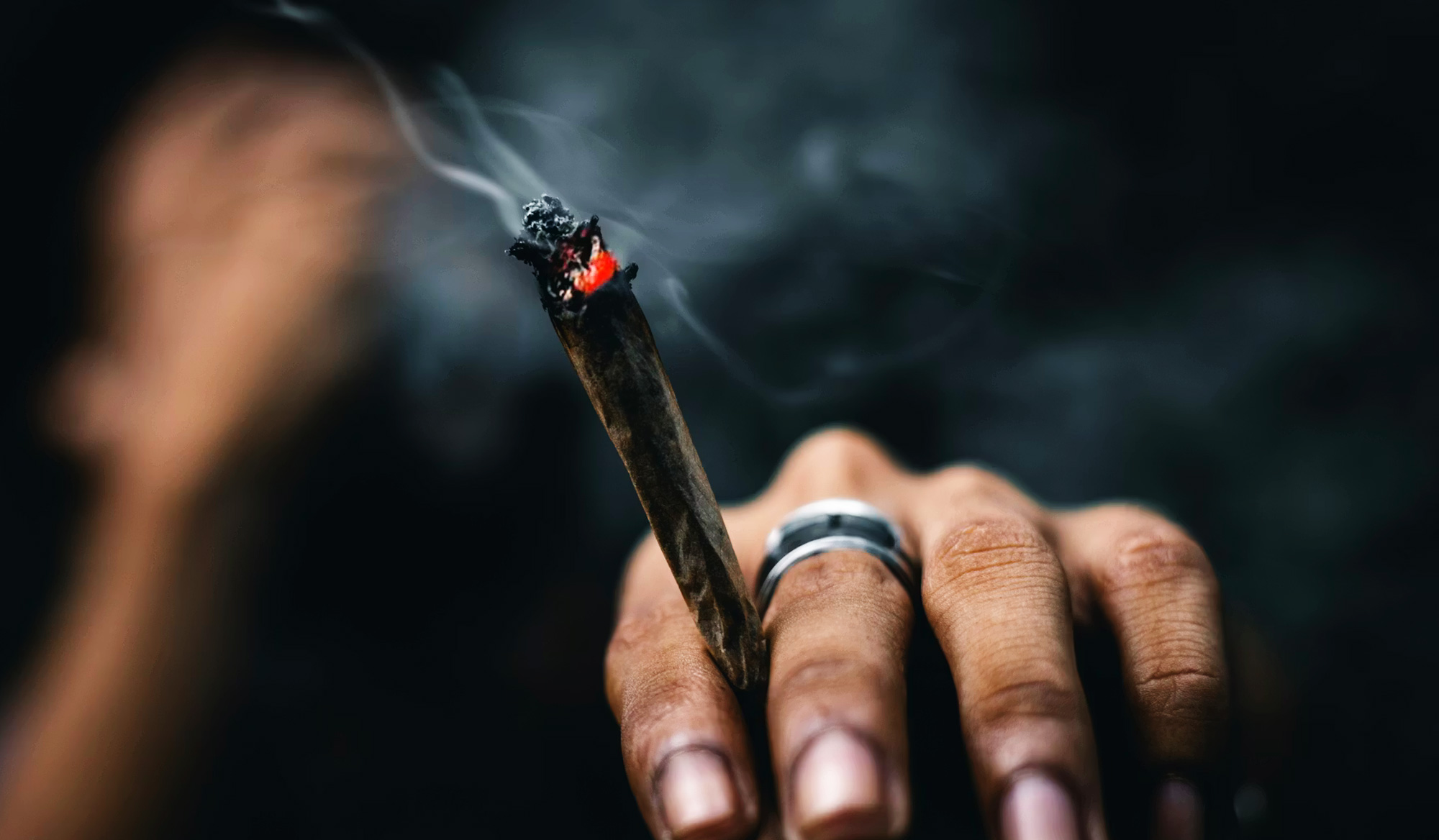
Smoking cannabis with friends can become a uniquely calm and meaningful experience when the environment feels safe. In my experience, relaxed conversations and shared quiet moments often feel deeper than usual.
At the same time, ignoring differences in pace or emotional condition can shift the experience toward discomfort. Cannabis is often influenced by “set” (mental state) and “setting” (environment), but who you spend time with also plays a significant role.
Avoiding pressure, teasing, and dismissive behavior helps maintain stability. Respecting boundaries and social distance protects not only your own experience but also the comfort of others.
When awareness and etiquette are present, cannabis sessions tend to remain balanced and steady. The quality of the experience is shaped as much by human interaction as by the product itself.
Note: This article is based on content originally published on the Japanese edition of OG Times .