What Changes When Cannabis Makes You Relax: Body, Thought, and Emotion Broken Down
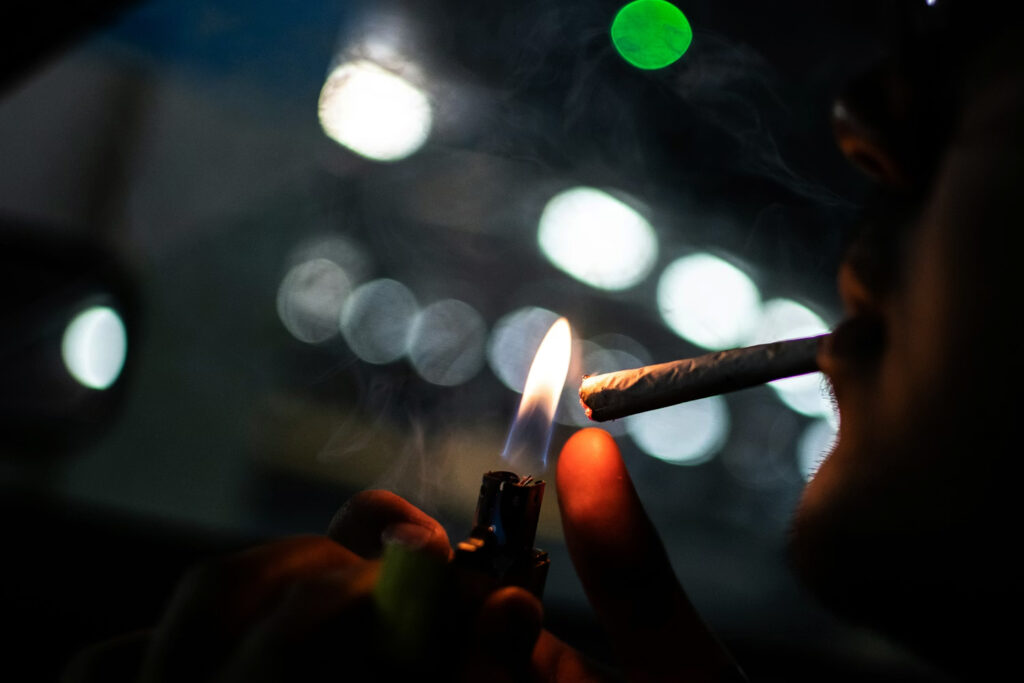

Cannabis is often described as something that helps people feel relaxed, but this description can be misleading. Relaxation does not appear to mean the same thing for everyone, nor does it always involve feeling happier or more comfortable in a simple way. In many cases, relaxation has been suggested to involve subtle shifts in physical tension, attention, or mental pressure rather than a clear emotional change.
This article explores how cannabis-related relaxation is commonly described and why it may feel different from person to person. By organizing physical sensations, thought patterns, and situational factors, the goal is not to define a single outcome, but to help readers understand what “feeling relaxed” may actually refer to and why expectations often play a central role.
1:Does Cannabis Actually Help People Feel Relaxed
Cannabis is often associated with relaxation, but whether it actually helps people feel relaxed is not a simple yes or no question. What is commonly described as relaxation may involve a reduction in perceived tension rather than the addition of pleasure or excitement. In many cases, people report that their state feels less pressured or less demanding, rather than clearly improved.
Research discussions suggest that cannabis-related relaxation is usually described as a subjective experience shaped by attention, bodily awareness, and context, rather than a uniform effect that occurs in the same way for everyone. This helps explain why some people describe a calm or eased state, while others notice little change at all.
(According to: U.S. National Library of Medicine)
What People Usually Mean When They Say “Relaxed”
When people say they feel relaxed after using cannabis, they are often referring to a shift in how tension is perceived. This may include feeling less physically tight, less mentally rushed, or less reactive to ongoing thoughts. Rather than feeling energized or euphoric, relaxation is commonly described as having more distance from stress or internal pressure.
In real-world descriptions, this state is frequently framed as “nothing dramatic changed,” but daily sensations or thoughts felt easier to sit with. Such reports suggest that relaxation is often about how experiences are processed, not about creating a new emotional state.
Why Relaxation Is Not the Same as Feeling Happy or High
Relaxation is sometimes confused with happiness or intoxication, but these states are not the same. Feeling relaxed does not necessarily involve positive mood or pleasure, and it does not always include noticeable psychoactive effects. In many cases, relaxation has been described as a quieting of internal activity rather than an uplifting feeling.
Public health discussions often distinguish between relaxation and mood elevation, noting that calmness may occur without feelings of joy or excitement.
(According to: World Health Organization)
This distinction helps explain why some people feel calmer without feeling “good” in a conventional sense, and why others may not recognize the experience as relaxation at all.
2:How Relaxation Is Commonly Felt in the Body
When relaxation associated with cannabis is discussed, it is often described through changes in bodily sensations rather than emotional uplift. Many people report noticing shifts in physical tension, breathing patterns, or overall bodily ease. These changes are typically subtle and may feel more like a release from strain than an active sensation.
Such bodily relaxation is generally framed as a subjective experience, influenced by baseline tension, posture, and awareness of physical signals, rather than a predictable physical response that occurs in every situation.
(According to: U.S. National Library of Medicine)
Muscle Tension, Breathing, and Physical Ease
One of the most commonly mentioned bodily changes is a perceived reduction in muscle tension. Areas such as the shoulders, neck, or back may feel less tight, sometimes accompanied by slower or deeper breathing. Rather than consciously trying to relax, people often describe this as noticing that the body no longer feels as braced or held.
Breathing is also frequently mentioned, with some people observing that their breath feels less shallow or rushed. These shifts are usually noticed after the fact, rather than as an immediate or dramatic change, which can make them easy to overlook.
Why Sensory Intensity Can Feel Softer or Less Demanding
In some cases, relaxation is described as external sensations feeling less demanding on the body. Sounds, light, or physical contact may still be present, but they are experienced as less intrusive or less urgent. This does not necessarily mean sensations become weaker, but rather that the body reacts to them with less resistance.
Research discussions often frame this as a change in how sensory input is processed and prioritized, rather than a reduction in sensory function itself.
(According to: U.S. National Library of Medicine)
This perspective helps explain why some people feel physically calmer even when their environment remains unchanged.
3:How Thought Patterns May Change During Relaxation
During relaxation associated with cannabis use, some people report changes in how their thoughts unfold rather than changes in what they think about. These shifts are often described as a reduction in mental pressure or urgency, where thoughts continue but feel less demanding. In this context, relaxation may involve a different relationship to ongoing thoughts rather than their disappearance.
Such changes are generally discussed as subjective and context dependent, influenced by baseline stress levels and attention, rather than as a consistent cognitive effect.
(According to: U.S. National Library of Medicine)
Why Repetitive Thinking Can Feel Quieter
A commonly reported experience is that repetitive or looping thoughts feel quieter during relaxation. This does not necessarily mean that worries or concerns are resolved, but that the mental pull to continuously revisit them feels weaker. People often describe this as having more space between thoughts, even when the same topics remain present.
Research discussions suggest that this may relate to shifts in attention allocation, where the mind is less tightly focused on internal narratives and more open to immediate sensory or bodily cues.
(According to: U.S. National Library of Medicine)
Changes in Focus, Pace, and Mental Pressure
Relaxation is also sometimes associated with changes in focus and mental pace. Some people feel that thinking slows down, while others report that focusing on a single idea becomes easier. Rather than increased mental clarity, this is often described as reduced pressure to process multiple thoughts at once.
These changes are not always perceived as positive or productive, but they can create a sense of mental quiet that differs from both alert concentration and distraction. This helps explain why relaxation can feel noticeable without leading to feelings of happiness or excitement.
4:When Relaxation Tends to Feel Stronger or Clearer
Relaxation associated with cannabis does not tend to appear with the same clarity in every situation. Many descriptions suggest that the experience becomes easier to recognize when certain conditions are already in place. Rather than creating relaxation from nothing, cannabis may make existing states of ease more noticeable, depending on physical and emotional context.
This helps explain why the same product or amount can feel calming in one situation and barely noticeable in another.
(According to: U.S. National Library of Medicine)
The Role of Physical Condition and Emotional State
Physical condition is often mentioned as a factor in how clearly relaxation is felt. When the body is already fatigued, tense, or overstimulated, changes may feel muted or confusing. In contrast, when basic needs such as rest, hydration, and comfort are met, relaxation may be easier to perceive as a gentle easing rather than a sudden shift.
Emotional state also appears to play a role. People who describe feeling relatively safe or emotionally settled often report clearer relaxation, while those experiencing strong anxiety or pressure may find it harder to distinguish calming effects from ongoing tension.
How Environment and Timing May Shape the Experience
Environment is frequently cited in descriptions of relaxation. Quiet, familiar, or low demand settings may allow subtle bodily and mental changes to stand out more clearly. In contrast, busy or unfamiliar environments can draw attention outward, making internal shifts harder to notice.
Timing also matters. Relaxation is often reported as clearer when there is no immediate need to perform tasks or make decisions. In such moments, attention can rest more easily on bodily or mental states, allowing small changes to be recognized without effort.
(According to: U.S. National Library of Medicine)
5:Common Misunderstandings About Cannabis and Relaxation
Relaxation linked to cannabis is often discussed in simplified ways, which can lead to misunderstandings. One common issue is assuming that relaxation follows a fixed pattern or produces the same outcome for everyone. In practice, relaxation appears to be context dependent and individually perceived, rather than a uniform effect.
Clarifying these misunderstandings can help reduce unnecessary disappointment or confusion when personal experiences do not match common descriptions.
(According to: U.S. National Library of Medicine)
Why Effects Are Not the Same for Everyone
People often expect similar relaxing effects because cannabis is discussed as if it produces a single, predictable response. However, research and observational reports suggest that responses vary based on factors such as baseline tension, sensitivity to bodily changes, and situational stress.
Because relaxation is a subjective state, differences in perception may matter as much as physiological response. This means that two people in the same setting may describe very different experiences without either response being unusual.
Why Relaxation Should Not Be Confused With Lack of Motivation
Another common misunderstanding is equating relaxation with becoming passive or unmotivated. While relaxation can involve a reduction in urgency or pressure, this does not necessarily imply loss of interest or ability to act.
In many descriptions, relaxation reflects a temporary shift away from internal tension rather than disengagement from goals. Interpreting calmness as inactivity can obscure the distinction between reduced mental strain and actual lack of motivation.(According to: U.S. National Library of Medicine)
6:How Cannabis-Related Relaxation Is Best Understood
Cannabis-related relaxation is often described as something that either happens or does not happen. However, a more accurate way to understand it is as a possible shift in how tension is experienced, rather than a guaranteed or uniform outcome. This perspective helps explain why some people notice subtle changes while others report little or no difference.
Viewing relaxation as a process rather than a result allows for a more realistic interpretation that aligns with how subjective states are discussed in research and clinical observation.(According to: U.S. National Library of Medicine)
Why Relaxation Is Better Seen as a Shift in Tension, Not a Guaranteed Effect
Relaxation linked to cannabis is often framed as an effect that should reliably appear. In practice, many reports suggest it is better understood as a change in the relationship to physical or mental tension. Instead of something being added, it may involve less effort spent maintaining alertness or control.
This shift can be subtle and situation dependent. When expectations focus on obvious sensations, smaller changes in ease or mental pressure may be overlooked, even though they still reflect a form of relaxation.
A Calm Framework for Interpreting Relaxation Without Overexpectation
A practical way to interpret cannabis-related relaxation is to observe whether tension feels different, rather than asking whether relaxation is clearly present. This approach reduces the tendency to judge the experience too quickly or compare it to others.
By treating relaxation as a temporary adjustment in tension and attention, rather than a benchmark to meet, people may find it easier to understand their own response without amplifying disappointment or concern.
(According to: U.S. National Library of Medicine)
7:What We Can Conclude About Cannabis and Relaxation
Cannabis-related relaxation is often discussed as a clear and predictable effect, but the experiences described in real-world use suggest a more nuanced picture. Rather than consistently creating relaxation, cannabis may change how physical tension, mental pressure, or emotional distance are perceived.
For some people, this shift is felt through softer bodily sensations, quieter thought patterns, or reduced urgency. For others, the same changes may be subtle or not noticed at all. These differences do not necessarily indicate success or failure, but reflect variation in sensitivity, context, and expectation.
Research discussions often frame these experiences as changes in attention, processing, and internal focus rather than direct emotional outcomes.
(According to: U.S. National Library of Medicine)
Understanding cannabis-related relaxation as a temporary adjustment in tension, rather than a guaranteed state, allows for a calmer and more realistic interpretation. This perspective helps reduce overexpectation and supports observing one’s own response without unnecessary comparison.
Note: This article is based on content originally published on the Japanese edition of OG Times .