Rare Compounds Found in Cannabis Leaves: What the Flavoalkaloid Discovery Means for How We Understand the Plant

When most people think of cannabis, THC and CBD tend to come to mind first. The current cannabis market and research landscape both lean toward “how potent is it?” and “what does it feel like?” as the central questions — but a genuinely interesting piece of research has recently come out.
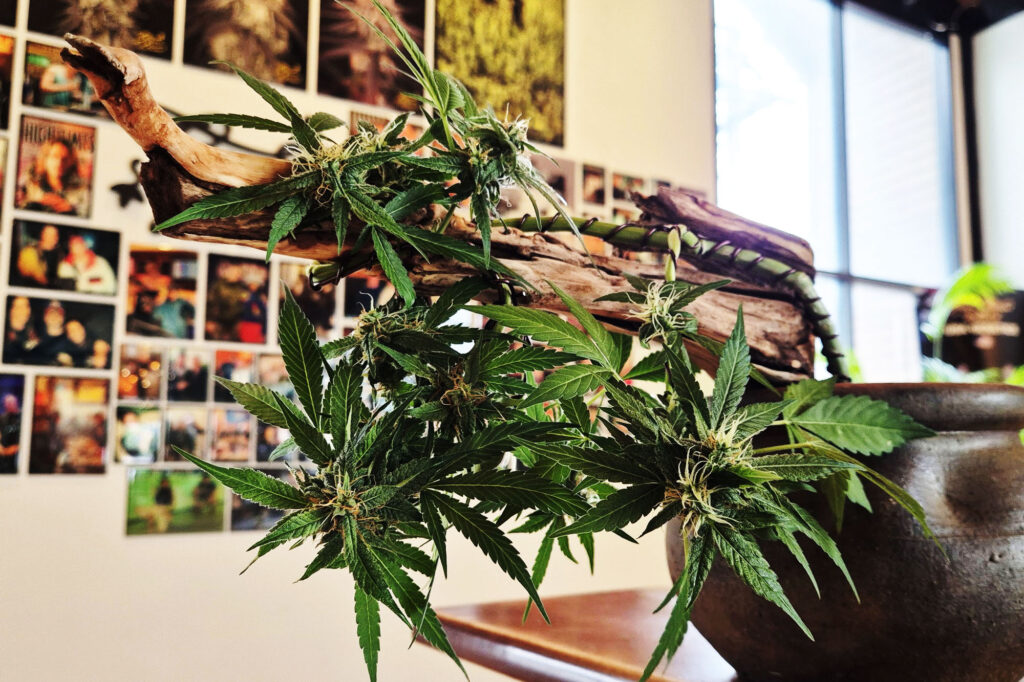
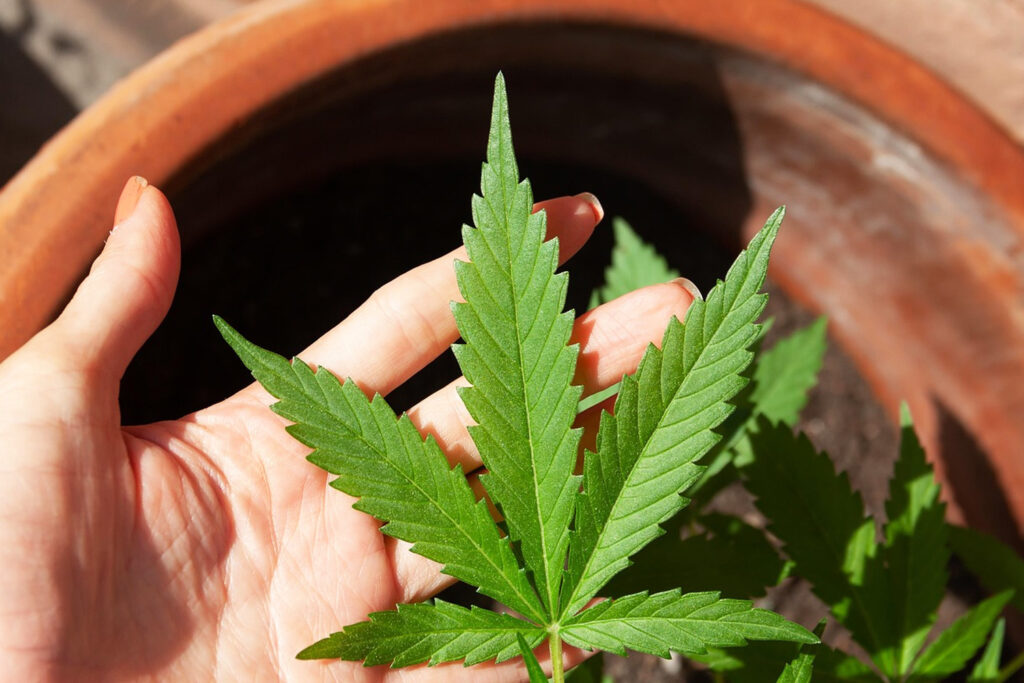
Scientists have discovered rare chemical compounds hidden in cannabis leaves, a part of the plant frequently discarded as agricultural waste after harvest. These molecules are highly unusual and are seldom encountered elsewhere in nature.
In a recent study, researchers conducted… pic.twitter.com/dT7mPFnItZ
— Massimo (@Rainmaker1973) May 11, 2026
It involves the confirmation of rare compounds called “flavoalkaloids” from cannabis leaves — a part of the plant that has received relatively little attention until now.
Flavoalkaloids are described as an exceptionally rare class of compounds that combine characteristics of both flavonoids and alkaloids — something seldom encountered across the plant kingdom. What makes this research notable is the suggestion that these compounds may be present not in the flower, but in the leaves.
Personally, working with cannabis bonsai, there has always been a sense that leaves and branches carry a quality distinct from the flower — something harder to define. This research reinforced the feeling that cannabis may be a plant that “THC alone still cannot fully explain.” That said, no medical effects have been confirmed at this stage.
What makes this finding worth paying attention to is that it represents a research direction turning toward parts of the plant that have largely been treated as secondary — and that shift in perspective feels significant.
1: Rare Compounds “Flavoalkaloids” Identified From Cannabis Leaves
What has drawn attention here is not the flower — long the focus of cannabis research — but the confirmation that rare compounds have reportedly been identified from the leaves.
In the current cannabis market, attention concentrates heavily on the flower, where THC and CBD are most abundant, and leaves are frequently discarded as agricultural waste after trimming. This research has generated interest because that same “secondary” material — the leaf — may contain a highly unusual class of compounds: flavoalkaloids.
A Class of Compounds Distinct From THC and CBD
The flavoalkaloids identified in this research belong to an entirely different chemical category from THC or CBD. Described as an exceptionally rare compound class that combines the characteristics of flavonoids and alkaloids, they are seldom encountered across the plant kingdom.
The reason flavoalkaloids have drawn interest is that they appear to bring together two types of compounds that do not typically intersect — flavonoids and alkaloids.
Flavonoids are compounds associated with plant color, aroma, and UV protection, found in tea, fruit, and many other plants — part of what gives plants their individual character. Alkaloids, by contrast — caffeine and nicotine being familiar examples — are a class of compounds frequently associated with strong physiological activity in plants.
- Characteristics associated with plant aroma and individual character
- Characteristics potentially related to physiological activity
The flavoalkaloids reportedly identified here are described as a rare class of compounds that may carry both of these qualities simultaneously.
What effects they may have is not yet understood. Researchers are, however, focused on the possibility that cannabis contains complex chemical structures that have not yet been fully characterized.
Cannabis May Still Be a Plant With Much Left to Understand
Cannabis research has advanced considerably in recent years, but a significant amount remains unresolved. Particularly in recent years, research has been moving into areas that THC and CBD alone cannot explain — terpene and flavonoid interactions, cannabinoid-to-cannabinoid relationships, and the complexity of the experience itself.
Against that backdrop, the suggestion that rare compounds may have been identified from the leaf — a part of the plant that has received relatively little research attention — reinforces a sense of how much complexity remains in cannabis as a plant.
Personally, the impression of cannabis has always been less “a plant that produces effects” and more “a plant where the full picture is still being worked out.”
- Growing environment
- Drying process
- Storage conditions
- Harvest timing
Even among the same strain, aroma and character can shift considerably depending on these variables.
This research may be one signal of a gradual shift — away from “cannabis equals THC” as the primary frame, and toward a period where the plant as a whole begins to receive more complete attention.
2: What This Research Has and Has Not Established
This research is notable for suggesting that rare compounds — flavoalkaloids — may be present in cannabis leaves, a part of the plant that has not historically been a focus of study. What stands out is the shift in attention itself: away from the flower, which has dominated cannabis research, and toward something that has largely been overlooked. In a market where THC and CBD absorb most of the focus, this research carries the feeling that cannabis as a plant may still contain elements that have not yet come into view.
At the same time, a great deal remains unresolved at this stage.
The flavoalkaloids reportedly identified here have not yet been characterized in terms of what effects they may have, or how they might interact with the human body — these remain open research questions. The identification itself is also described as “tentative” — a preliminary analytical stage that will require further detailed study to confirm.
In other words, this research is less accurately read as “a new medical effect has been discovered” and more as a study that reinforces the possibility that cannabis remains a plant with significant unknowns still to be worked through.
Note: This article is based on content originally published on the Japanese edition of OG Times .