How Cannabis Affects Your Nervous System and Hormones: A Structured Look at What’s Actually Happening

When you use cannabis, the changes tend to feel like one continuous experience — mood shifts, sudden hunger, growing sleepiness. From observing people’s experiences on the ground in Bangkok and Pattaya, these responses don’t happen at random. They follow a recognizable pattern that becomes easier to understand when you separate the nervous system response from the hormonal response.
Thinking in terms of neural reactions and hormonal reactions gives you a more useful framework than just tracking how you feel. THC acts through the endocannabinoid system to modulate neural activity, and that neural activity then influences the endocrine system in ways that produce the slower, more sustained changes — appetite, sleep, body temperature — that follow the initial effects. (Source: Nature Reviews Neuroscience)
This article works through the nervous system and hormonal dimensions of cannabis use separately — using both personal observation and available research to make the experience legible rather than mysterious.
1: Why It Helps to Separate “Neural” from “Hormonal” When Reading Your Own Response
Understanding cannabis effects becomes easier when you stop treating the experience as one undifferentiated feeling and start noticing the layers. From personal experience, “I got high” and “I got drowsy” describe different things happening at different times through different mechanisms.
The nervous system handles immediate, moment-to-moment signaling — sensation changes, perceptual shifts, mood variations. These are fast. Hormones work differently: they travel through the bloodstream and produce slower, more sustained adjustments. When you notice that hunger arrives later than the initial effect, or that drowsiness builds gradually over time, that sequence reflects this difference in mechanism. (Source: World Health Organization)
The Two-System Framework: Why It Works
The nervous system uses electrical signals that travel at speed — the immediate responsiveness of sensation and thought. Hormones are chemical messengers that modulate ongoing physiological states — appetite, sleep drive, temperature regulation, mood over time. (Source: Encyclopædia Britannica, Medical Sciences)
When THC binds to receptors in the brain, it first produces neural-level changes: altered sensory processing, shifts in time perception, changes in emotional tone. Then, as those neural changes cascade through the system, hormonal adjustments follow — food suddenly becomes appealing, the body starts pulling toward sleep, the heart rate changes.
From personal experience: the sensation changes come first; the appetite and drowsiness follow later. That timing gap is not incidental. It reflects the two systems operating at different speeds. Keeping that framework in mind makes both the experience itself and any unexpected reactions easier to navigate calmly.
What the Pattern Looks Like Across Multiple People
Across the people I’ve observed in Thailand, one consistent pattern stands out: neural changes and physical changes appear in stages, not simultaneously. The early response — sharpened senses, altered time perception, emotional shift — tends to precede the physical cascade: appetite, heart rate changes, growing fatigue. This staged progression is consistent with what’s reported in the literature on THC’s interaction with the autonomic nervous system and downstream hormonal effects. (Source: Frontiers in Neuroscience)
From my perspective: cannabis is best understood not as a single experience but as a sequence of overlapping physiological responses. The neural-hormonal framework gives you a way to read that sequence rather than just be inside it.
2: THC and the Autonomic Nervous System
The most immediate physical responses to cannabis — elevated heart rate, body warmth, and occasionally strong relaxation — are connected to the autonomic nervous system. This is often underestimated in basic cannabis discussions, but from what I’ve observed, autonomic effects explain a significant portion of what people find either pleasant or alarming about the experience.
The autonomic nervous system manages involuntary functions: heart rate, breathing, body temperature, digestion. THC acts through the endocannabinoid system to influence central nervous system activity, and this includes autonomic regulation. (Source: Frontiers in Physiology)
Sympathetic and Parasympathetic Effects
The autonomic nervous system divides into two branches: the sympathetic system (associated with activation and alertness) and the parasympathetic system (associated with rest and recovery). (Source: World Health Organization)
THC has been associated with temporary sympathetic activation — particularly at higher doses or in less experienced users. This shows up as increased heart rate and heightened sensory sensitivity. At lower doses, or as the acute phase resolves, parasympathetic dominance often follows: deep relaxation, body heaviness, eventual drowsiness.
From personal experience: small amounts tend to produce calm and mild sensory enhancement. Larger amounts, especially in unfamiliar settings or with higher-THC strains, can tip toward sympathetic activation — racing heart, mild tension. Understanding this as an autonomic response rather than a sign of danger makes it significantly easier to manage.
Heart Rate and Body Temperature — What’s Behind the Change
Post-consumption increases in heart rate have been documented across multiple research contexts. (Source: American Heart Association)
The proposed mechanism involves temporary sympathetic activation combined with vasodilation — blood vessels widening slightly, which the cardiovascular system compensates for with increased heart rate. The facial warmth or flushing that some users experience connects to the same vasodilation process.
From observation, one of the most common sources of unnecessary anxiety in first-time users is interpreting a racing heart as a dangerous symptom rather than a transient autonomic response. In most cases, the elevated heart rate settles within 20–30 minutes. Knowing this in advance — and knowing the mechanism — reduces the likelihood that the sensation itself triggers a cascade of anxiety.
3: THC and Appetite Hormones — The Mechanism Behind “The Munchies”

The sudden, sometimes overwhelming appetite that follows cannabis use — widely known as “the munchies” — isn’t simply a psychological craving. From observing numerous people across Bangkok and Pattaya, someone who felt no appetite before use actively searching for food 30–40 minutes later is a common pattern. The shift is real, and the mechanism involves both neural signaling and hormonal adjustment.
THC acts on hypothalamic regions of the brain and is reported to influence appetite-regulating hormone secretion. This makes hunger after cannabis use a physiologically driven response, not merely a change in preference. (Source: Nature Neuroscience)
Ghrelin, Leptin, and How the Balance Shifts
Ghrelin is a hunger-promoting hormone secreted primarily by the stomach; leptin is a satiety hormone secreted by fat cells. These two hormones form the core of the body’s appetite regulation system. (Source: National Library of Medicine, Bookshelf)
THC, operating through the endocannabinoid system’s influence on the hypothalamus, may shift this balance toward hunger-promoting signaling. The result is appetite activation that can feel disproportionate to actual caloric need.
From personal experience: post-use cravings tend to land specifically on sweet or intensely salty foods. This isn’t random preference — it may reflect the way reward and appetite circuits respond together when the endocannabinoid system is activated.
Why the Experience Goes Beyond Simple Hunger
The appetite-enhancing effect of cannabis involves more than just ghrelin signaling. THC also affects sensory processing circuits involved in smell and taste, which can make food more appealing at the perceptual level — flavors more pronounced, textures more noticeable. (Source: Cell Reports)
From observation, people frequently describe food as tasting “better” or “more interesting” after use rather than just being hungry. This amplification of the eating experience itself — not just appetite — likely contributes to how much people end up consuming. Understanding this as a combined sensory and hormonal effect makes the phenomenon considerably less mysterious.
4: THC and Sleep Hormones — What’s Behind the Drowsiness

Drowsiness after cannabis use is one of the most common reported effects. From local observation, the responses divide noticeably: some people describe sleeping deeply and waking refreshed; others report sleeping quickly but waking with a heaviness or low-grade fatigue. This split isn’t random — it connects to how THC interacts with sleep architecture and sleep-related hormonal regulation.
THC has been reported to influence the central nervous system’s management of the sleep-wake cycle. (Source: Sleep Foundation)
THC and Melatonin
Melatonin is produced primarily by the pineal gland and regulates the timing of the sleep-wake cycle. (Source: National Library of Medicine, Bookshelf)
THC, through endocannabinoid system activity in the hypothalamus and brainstem, may indirectly affect sleep-related hormonal regulation — potentially accelerating the onset of sleep by influencing the systems that melatonin also modulates. This would explain why cannabis often produces rapid sleep onset even when the user doesn’t feel conventionally tired.
Sleep Architecture, REM, and Why the Next Morning Feels Different
Beyond the onset of sleep, THC has been associated with changes in sleep structure — particularly reductions in REM sleep (rapid eye movement sleep, associated with dreaming and certain memory consolidation processes). (Source: Oxford Academic, Sleep Research)
From observation, the people who describe next-morning heaviness after cannabis use aren’t necessarily sleeping fewer hours — they’re likely experiencing altered sleep architecture. When REM is reduced, the body’s restorative cycle is incomplete in a specific way, which can register as grogginess or low energy even after a full night’s sleep.
From my perspective: the feeling of “sleeping deeply but waking tired” is a recognizable pattern that connects directly to sleep structure changes rather than being a sign of something wrong. Understanding this mechanism helps avoid interpreting the next morning’s heaviness as a reason for concern, while also providing useful information for adjusting timing or dosage in future use.
5: How Food Affects Your Neural and Hormonal Response to Cannabis
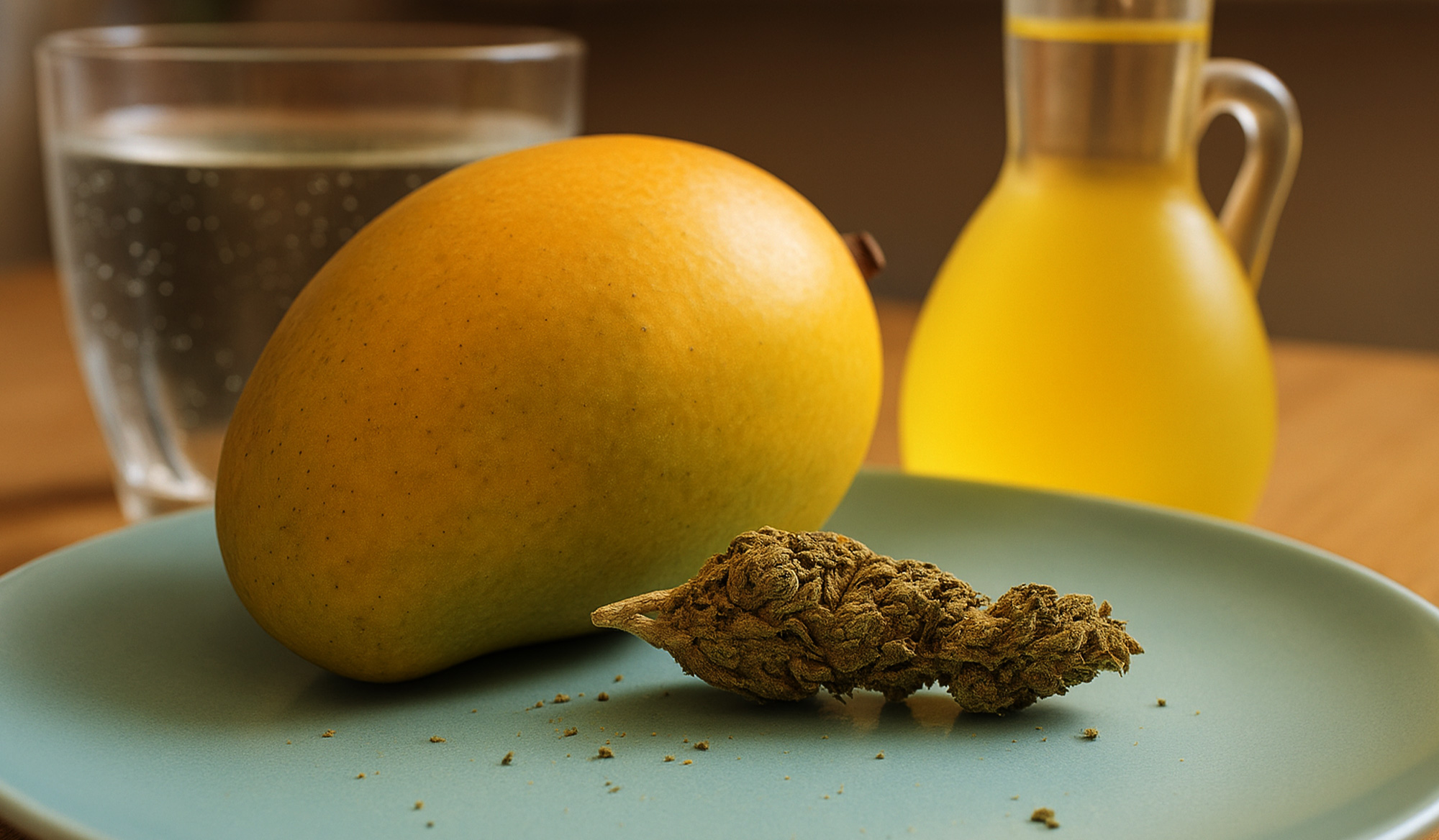
From observation, the timing and content of meals before cannabis use noticeably shape the intensity and character of the experience. Some people report stronger effects after eating; others find an empty stomach amplifies the initial hit. These differences are not purely subjective — nutritional state influences both neural responsiveness and the hormonal environment that mediates the cannabis response.
THC is fat-soluble, which means how it moves through the body is directly related to the presence of dietary fat. (Source: National Library of Medicine, Bookshelf)
Fat-Solubility and THC Absorption
As a lipophilic compound, THC distributes into fatty tissues and cell membranes. In oral consumption (edibles), the presence of dietary fat in the digestive tract significantly affects absorption efficiency — fat facilitates uptake from the gastrointestinal tract into circulation. (Source: Frontiers in Pharmacology)
From personal experience: edibles consumed after a fatty meal tend to produce a noticeably stronger effect than the same product taken on an empty stomach or after a low-fat meal. This isn’t a matter of tolerance — it’s absorption efficiency changing based on digestive context.
For smoked or vaporized cannabis, the fat-solubility effect is less directly relevant to absorption, but the overall physiological state still matters.
Why Post-Meal Effects Can Intensify
Eating triggers a cascade of hormonal changes: blood glucose rises, insulin is secreted, and various digestive hormones shift into the post-absorptive state. This hormonal environment interacts with the neural response to THC in ways that can amplify the experience. (Source: Nature Metabolism)
From observation, people who eat a full meal — particularly one with significant fat content — before using cannabis frequently describe a stronger relaxation response than those who use on an empty stomach. Empty stomach use, by contrast, can produce a sharper initial response that some find uncomfortable.
The practical takeaway: eating a moderate meal before use, rather than using on an empty stomach or immediately after a very heavy meal, tends to produce the most predictable baseline. This is less about pharmacology and more about setting up a stable physiological environment before adding THC into the system.
6: Why Understanding the Neural-Hormonal Framework Changes How You Approach Cannabis
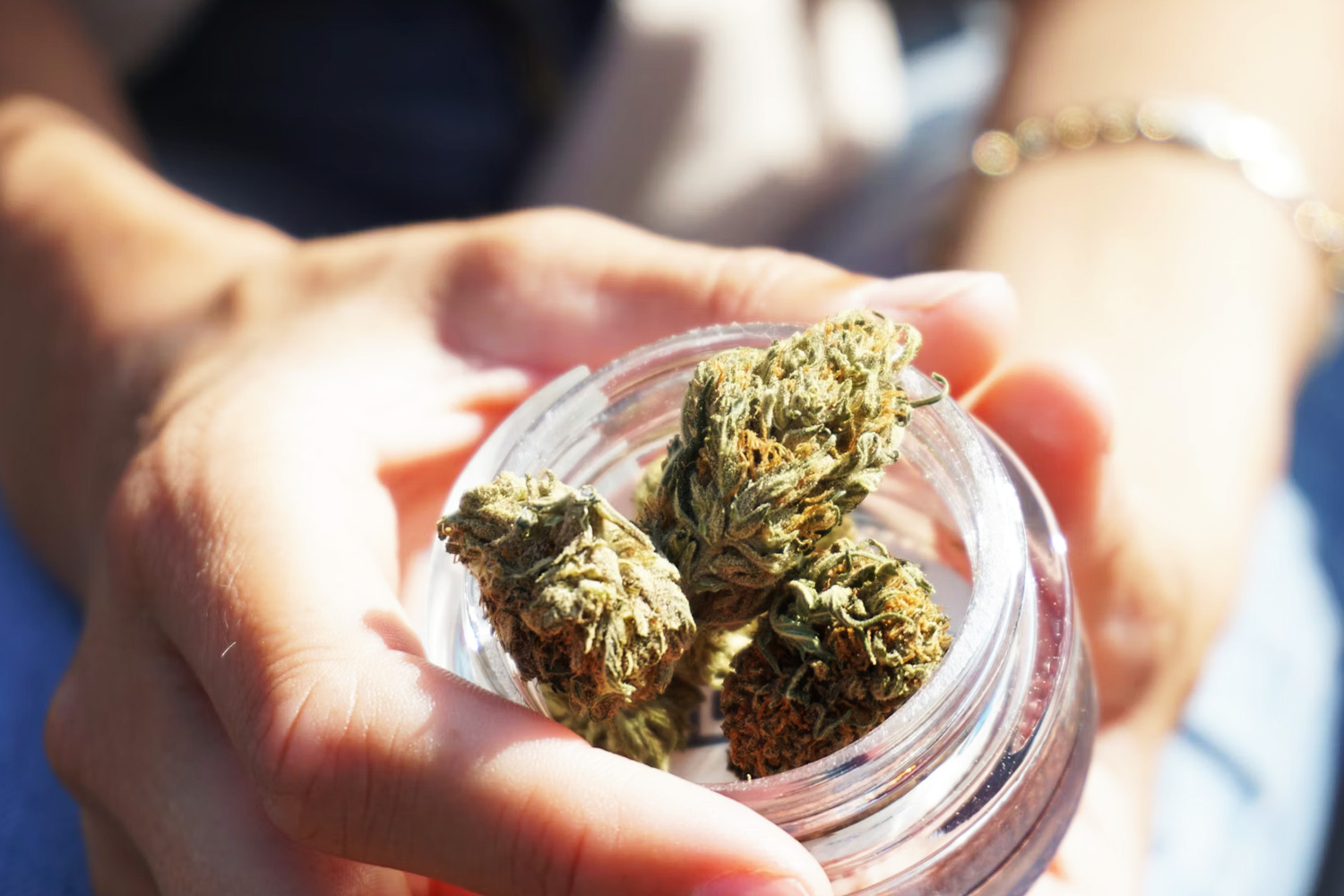
The changes this article covers — autonomic nervous system shifts, appetite hormone adjustments, sleep architecture effects, the influence of dietary fat — are all connected. They don’t happen separately. They happen in sequence, with the fast neural response leading and the slower hormonal adjustments following.
Understanding that sequence makes the experience less surprising and more manageable. A racing heart becomes a recognizable autonomic response rather than a sign of danger. Sudden appetite becomes a hormonal adjustment rather than weakness or loss of control. Next-morning grogginess becomes a predictable consequence of altered sleep architecture rather than evidence of harm.
From personal experience working with cannabis over time: the people who navigate the experience most calmly are not necessarily more experienced or more tolerant. They’re the ones who understand what’s happening and therefore don’t amplify discomfort by interpreting it as danger. The neural-hormonal framework gives you that understanding — a way to read your own responses as structured, predictable, and temporary rather than opaque or alarming.
Note: This article is based on content originally published on the Japanese edition of OG Times .