Why Anxiety Can Appear 30 Minutes After Cannabis Use: THC Timing, Sensitivity, and Nervous System Responses
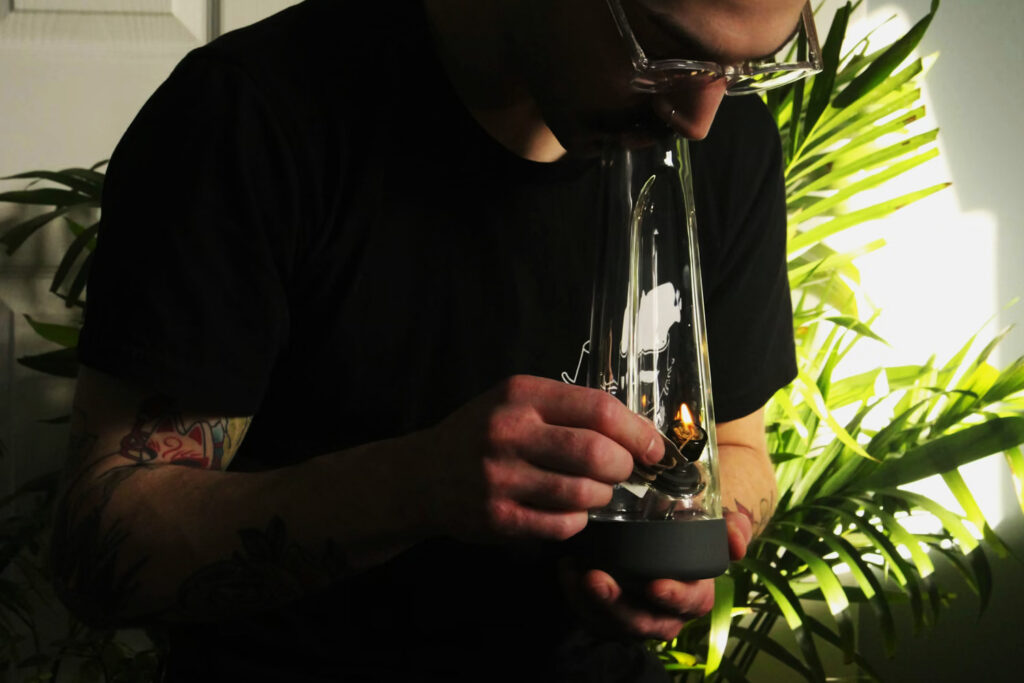

Experiencing anxiety about 30 minutes after using cannabis is a pattern that has been reported by many users, especially those who felt fine immediately after consumption. This delayed onset of discomfort does not necessarily indicate that the cannabis was unsafe or that something went wrong.
It has been suggested that this type of reaction may relate to how THC moves through the body, how its effects gradually reach peak levels, and how individual sensitivity and mental state interact with those changes. In some cases, the difference between expected timing and actual effects may contribute to feelings of unease or loss of control.
This article examines why anxiety can appear after a short delay rather than right away, based on observed experiences and findings from public and research-based sources. By organizing these factors clearly, the aim is to help readers understand what may be happening and approach the experience with more perspective and calm.
Why Can Anxiety Appear About 30 Minutes After Cannabis Use?
Anxiety that appears around 20 to 40 minutes after cannabis use is often described as a “delayed wave” rather than an immediate reaction. Some people feel normal at first, then notice that their body sensations, attention, and sense of control shift later. When the experience does not match what they expected, that mismatch itself may increase worry.
In many cases, the anxiety is not only about THC itself, but also about timing. If someone assumes the peak should happen right away, the later intensification can feel sudden or “too much,” even if the change is gradual. This can lead to a feedback loop where noticing a faster heartbeat or a strange sensation increases monitoring, and monitoring increases anxiety.
From practical observation, this pattern is more common when a person is new, has taken a long break, is tired, hungry, dehydrated, or is in an unfamiliar environment. The key point is that a delayed onset does not automatically mean something is dangerous, but it may signal that the effects are still building and need time and a calmer setting to settle.
How THC Moves Through the Body Over Time
Understanding delayed anxiety becomes easier when you look at how THC effects can evolve after inhalation. Even though inhaled THC enters the body relatively quickly, the experience may change in phases as THC distributes through the body and interacts with the nervous system. This is one reason some people feel “fine” at first, then notice stronger mental or physical effects later.
This time-based shift is often misunderstood as “it suddenly got worse,” but it may be closer to “it continued to develop.” If a person adds more cannabis before recognizing this progression, the later phase can feel more intense than expected.
(According to: U.S. National Library of Medicine)
Changes in Blood THC Levels After Inhalation
After inhalation, THC is absorbed through the lungs and enters the bloodstream. Many people interpret that as “the peak should be immediate,” but blood levels and perceived effects do not always feel identical moment to moment. A person may notice early signs (light relaxation, mild sensory change) and only later recognize that their attention, heart rate awareness, or thought pace has shifted.
This is one reason the 30-minute window can matter. If someone is not paying attention early, or if the first phase feels subtle, they may only label the experience as “strong” once it crosses a personal threshold. That moment of recognition can feel like a sudden onset, even if the process has been building gradually.
Why Effects May Strengthen Gradually Instead of Immediately
A gradual strengthening can happen when the mind and body “catch up” to the change in state. As THC effects develop, self-monitoring often increases: people check their breathing, heartbeat, and thoughts more closely than usual. If the setting is unfamiliar or overstimulating, that monitoring may become worry.
Another factor is expectation. If someone expects a short, controllable experience and instead notices the effects continuing to rise, the sense of uncertainty can trigger anxiety. In these situations, it can help to assume that the effects may still be building, avoid adding more, reduce stimulation, and give the body time to move toward a steadier phase.
What Is Often Described as “Too Much THC”
The phrase “too much THC” is commonly used to describe a situation where the effects feel stronger or more uncomfortable than a person expected. It is not a formal medical diagnosis, but rather a subjective description of how the experience is perceived at that moment.
In many cases, this feeling does not mean that the amount taken was objectively excessive. Instead, it reflects a mismatch between the intensity of the effects and the person’s expectations, physical condition, or mental readiness. What feels manageable on one day may feel overwhelming on another, even at the same dose.
Understanding “too much THC” as an experiential state rather than a fixed threshold can help reduce unnecessary fear and support a calmer interpretation of what is happening.
Common Reactions When THC Effects Feel Stronger Than Expected
When THC effects feel stronger than anticipated, people often report reactions such as increased anxiety, heightened body awareness, faster heartbeat perception, difficulty organizing thoughts, or changes in time perception. These reactions tend to develop gradually rather than all at once.
In practical observation, many individuals describe a moment where they realize, “This feels more intense than I planned.” That realization itself can trigger further worry, which may amplify the overall experience. The reaction is often shaped by attention focusing inward rather than by a sudden change in THC levels.
Importantly, these responses are frequently described as temporary and tend to soften as the effects stabilize over time.
Why Sensitivity Matters More Than Amount Alone
Sensitivity to THC varies widely between individuals. Two people can use the same product in the same amount and have very different experiences. Factors such as receptor sensitivity, prior experience, mental state, fatigue, and environment all influence how strong the effects feel.
Because of this variability, “too much THC” is often less about the absolute amount consumed and more about how that amount interacts with the individual at that specific time. A dose that feels comfortable for one person may feel excessive for another, without implying a problem or weakness.
Viewing THC response through the lens of sensitivity rather than dosage alone allows for a more flexible and realistic understanding of why strong reactions can occur.
Who May Be More Prone to Anxiety Reactions
Anxiety reactions after cannabis use do not occur randomly. Observations and research suggest that certain conditions make these responses more likely, even when the amount used is relatively small.
Being prone to anxiety reactions does not indicate a problem or weakness. Instead, it reflects how THC interacts with individual mental state, expectations, and prior experience. Understanding these tendencies can help explain why similar use situations produce very different outcomes across people.
First-Time or Infrequent Use
People who are using cannabis for the first time, or after a long break, may be more likely to experience anxiety-related reactions. This is often linked to unfamiliarity with the sensations rather than to the substance itself.
Without prior reference points, it can be difficult to judge whether a sensation is normal or temporary. When physical or mental changes appear stronger than expected, uncertainty can quickly turn into worry. Infrequent users may also have lower tolerance, making shifts in perception feel more pronounced.
These reactions are often described as easing once experience accumulates and expectations become more realistic.
Baseline Anxiety and Mental Tension
People who already experience higher levels of baseline anxiety or ongoing mental tension may be more sensitive to THC-related changes. In such cases, THC may amplify existing patterns of attention and bodily awareness rather than creating anxiety from nothing.
When the mind is already alert or stressed, increased awareness of heartbeat, breathing, or internal sensations can be interpreted as threatening. This interpretation, rather than the sensation itself, often plays a key role in how anxiety develops.
This does not mean cannabis inevitably causes anxiety in anxious individuals, but it suggests that mental state at the time of use can strongly influence how effects are perceived.
Why the Same Amount Affects People Differently
It is common for people to notice that the same amount of cannabis produces very different effects across individuals. This variation is not unusual and does not necessarily reflect tolerance, experience level, or product quality alone.
Research and observation suggest that individual biological differences and situational factors play a significant role in how THC is perceived. Understanding these variables helps explain why one person may feel calm while another experiences discomfort under similar conditions.
Individual Differences in Cannabinoid Receptors
One frequently discussed factor is individual variation in cannabinoid receptors. These receptors are present throughout the nervous system, but their density, distribution, and responsiveness may differ from person to person.
Because THC interacts directly with these receptors, differences at this level can influence how strongly signals are processed. As a result, the same dose may feel mild for one person and intense for another, even when all other factors appear similar.
This variability is considered a normal part of human biology rather than an exception.
The Role of Physical Condition and Mental State
Beyond biology, physical condition and mental state at the time of use can strongly shape how effects are experienced. Fatigue, hunger, dehydration, or physical tension may increase sensitivity to bodily sensations.
Similarly, mental focus, stress levels, and expectations can influence interpretation of those sensations. When attention is already directed inward or toward potential discomfort, normal changes may be perceived as more significant.
These factors help explain why reactions can vary from day to day, even for the same individual using the same amount.
Observed Patterns of Delayed Anxiety Reactions
Delayed anxiety reactions are frequently reported in situations where initial effects feel mild or manageable. Rather than appearing immediately, discomfort may emerge as sensations gradually intensify and become more noticeable.
Observations suggest that the timing of perceived effects plays an important role in how those sensations are interpreted. When changes feel unexpected or difficult to place in context, anxiety may become more likely.
When Small Amounts Feel Stronger Than Expected
A commonly observed pattern is anxiety arising after what was believed to be a small or cautious amount. In these cases, the initial lack of strong sensation may create an assumption that effects will remain mild.
As effects continue to develop, however, the contrast between expectation and actual intensity can lead to discomfort. This mismatch may draw attention to bodily sensations such as heartbeat or breathing, which can further amplify unease.
These reactions are often linked to perception rather than a sudden change in physical condition.
Actions That Can Intensify Anxiety After It Starts
Once anxiety begins, certain behaviors may unintentionally make the experience feel stronger or last longer. These actions are usually attempts to regain control, but they may shift attention toward the sensation itself.
Recognizing these patterns can help reduce unnecessary escalation.
Additional Use During Delayed Onset
One frequently observed action is additional use during delayed onset. When effects have not yet fully appeared, anxiety may be misinterpreted as a sign that the amount was insufficient.
However, if THC is still being absorbed, additional use may compound the overall intensity rather than resolve uncertainty. This can make it harder to distinguish between natural progression and overconsumption.
Overexposure to Alarming Information
Another factor that may intensify anxiety is repeated exposure to alarming or sensational information. Searching symptoms or reading extreme accounts during heightened sensitivity can reinforce fear-based interpretations.
In such moments, external information may shape perception more strongly than physical sensations themselves. This can prolong anxiety even when the underlying effects are stabilizing.
What Research and Public Institutions Have Noted
Research institutions and public health organizations have discussed anxiety-related responses to THC not as rare anomalies, but as reactions that may occur under certain conditions. These responses are generally described as dose-related, context-dependent, and influenced by individual sensitivity.
Rather than presenting anxiety as an inevitable outcome, many sources emphasize that THC-related anxiety appears to depend on how, when, and in what state it is used.
Findings on THC and Anxiety Responses
Multiple studies have suggested that THC may influence neural pathways associated with stress and alertness. At lower amounts, some individuals report neutral or calming effects, while higher amounts have been associated with increased anxiety or unease.
Public research summaries often describe this as a dose-sensitive response, where the same substance may produce different outcomes depending on intensity and individual factors. These findings support the view that anxiety reactions are not simply psychological weakness, but part of how the nervous system can respond to stronger stimulation.
Time-Dependent Changes in Perceived Effects
Public institutions have also noted that perceived effects of THC do not always peak immediately after use. Inhalation may lead to rapid absorption, but subjective sensations can continue to evolve over time.
This has led to the observation that anxiety may emerge later as effects become more noticeable or reach their peak. Such time-dependent changes help explain why some individuals feel comfortable at first, only to experience unease 20 to 40 minutes later.
A Balanced Way to Understand Delayed Anxiety After Cannabis Use
Taken together, delayed anxiety after cannabis use is generally understood as a response that can be explained through timing, dose, and individual sensitivity rather than as an abnormal or dangerous event.
Many reports suggest that these reactions are usually temporary and tend to ease as effects naturally diminish. Approaching the experience with contextual understanding, rather than fear-based interpretation, may help maintain perspective.
A balanced view recognizes that delayed anxiety is not a personal failure or a sign of incompatibility, but a signal that the body and nervous system are responding to stimulation. Understanding this response can support calmer decision-making and more informed distance from the sensation itself.
Understanding Delayed Anxiety After Cannabis Use in a Balanced Way
Delayed anxiety after cannabis use is often confusing, especially when the initial experience feels calm. However, research findings and observational patterns suggest that this reaction can be explained by how THC moves through the body, how effects develop over time, and how individual sensitivity influences perception.
Rather than appearing immediately, THC effects may intensify gradually as blood levels change and neural signaling adjusts. During this period, some people become more aware of bodily sensations or internal thoughts, which may be interpreted as anxiety. These reactions are generally discussed as temporary nervous system responses rather than signs of danger or incompatibility.
Importantly, delayed anxiety does not indicate personal weakness or a failure to tolerate cannabis. Many public health explanations emphasize that timing, dose, mental state, and physical condition all interact to shape the experience. Recognizing these factors can help maintain distance from the sensation itself and reduce unnecessary fear.
A balanced understanding focuses on awareness rather than alarm. By knowing that delayed anxiety can occur and usually eases with time, individuals may feel more prepared to respond calmly and make informed choices about use.
Understanding Delayed Anxiety After Cannabis Use in a Balanced Way
Delayed anxiety after cannabis use is often confusing, especially when the initial experience feels calm. However, research findings and observational patterns suggest that this reaction can be explained by how THC moves through the body, how effects develop over time, and how individual sensitivity influences perception.
Rather than appearing immediately, THC effects may intensify gradually as blood levels change and neural signaling adjusts. During this period, some people become more aware of bodily sensations or internal thoughts, which may be interpreted as anxiety. These reactions are generally discussed as temporary nervous system responses rather than signs of danger or incompatibility.
Importantly, delayed anxiety does not indicate personal weakness or a failure to tolerate cannabis. Many public health explanations emphasize that timing, dose, mental state, and physical condition all interact to shape the experience. Recognizing these factors can help maintain distance from the sensation itself and reduce unnecessary fear.
A balanced understanding focuses on awareness rather than alarm. By knowing that delayed anxiety can occur and usually eases with time, individuals may feel more prepared to respond calmly and make informed choices about use.
Note: This article is based on content originally published on the Japanese edition of OG Times .