Why Organic Cannabis Is Being Sought: Pesticides, Heavy Metals, and What Gets Into the Plant

As more countries and regions legalize cannabis, the questions being asked have expanded beyond “where can I buy it” and “how do I use it.” Increasingly, the question is: how was this grown, and what’s in it besides the cannabinoids?
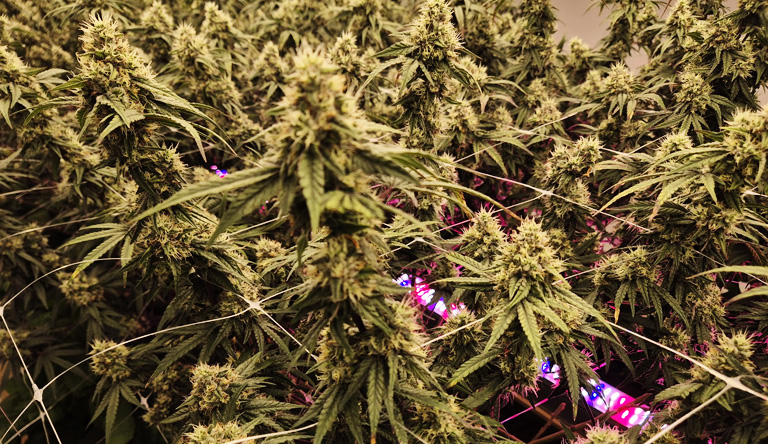
From time spent across Bangkok and Pattaya’s dispensary scene — and from visiting farms and speaking with growers in Thailand — the variation in product quality is real and not always visible. Products that look identical in the jar can produce meaningfully different experiences. The reasons for that variation trace partly to strain and THC content, but also to soil conditions, irrigation sources, fertilizer choices, and whether any pesticides or heavy metals ended up in the plant.
This article covers why cannabis absorbs its environment so readily, what that means for pesticides and heavy metals, and how to think about organic cultivation as a purchasing consideration rather than a marketing label.
1: Cannabis Is Unusually Good at Absorbing Its Environment
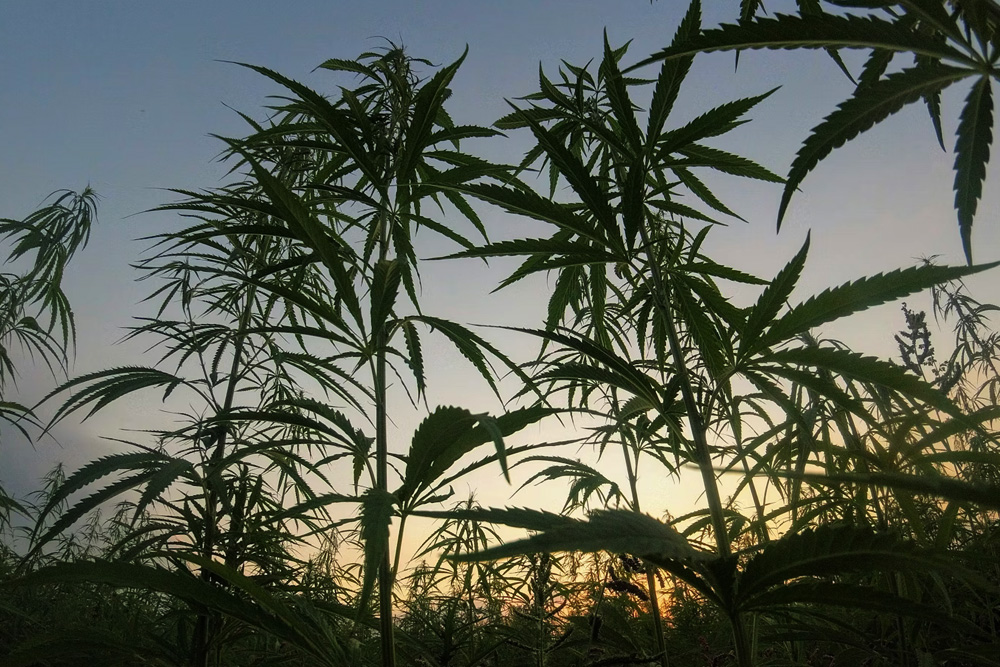
Cannabis grows quickly and develops an extensive root system. These characteristics make it productive — and they make it an efficient absorber of whatever is present in the soil and water it grows in. This is not a fringe claim: the same property that makes industrial hemp useful for phytoremediation (pulling contaminants from polluted soil) is the property that makes growing conditions so relevant to product quality.
Why Soil Composition Matters More Than It Does for Most Plants
Cannabis doesn’t selectively absorb only the nutrients it needs. If heavy metals, pesticide residues, or other environmental contaminants are present in the soil or irrigation water, the plant has a high probability of incorporating them. Research has indicated that cannabis plants accumulate heavy metals from soil at rates that make them effective bioaccumulators — the same property that has led to their experimental use in land remediation. (Source: United States Environmental Protection Agency (EPA))
From observation at Thai farms: the same variety grown in different soil conditions produces different results — different aroma, different texture, and subjectively different experience. Some of that variation is strain expression responding to environment; some of it reflects what the plant absorbed.
The Inhalation Factor — Why Cannabis Is Different from Food
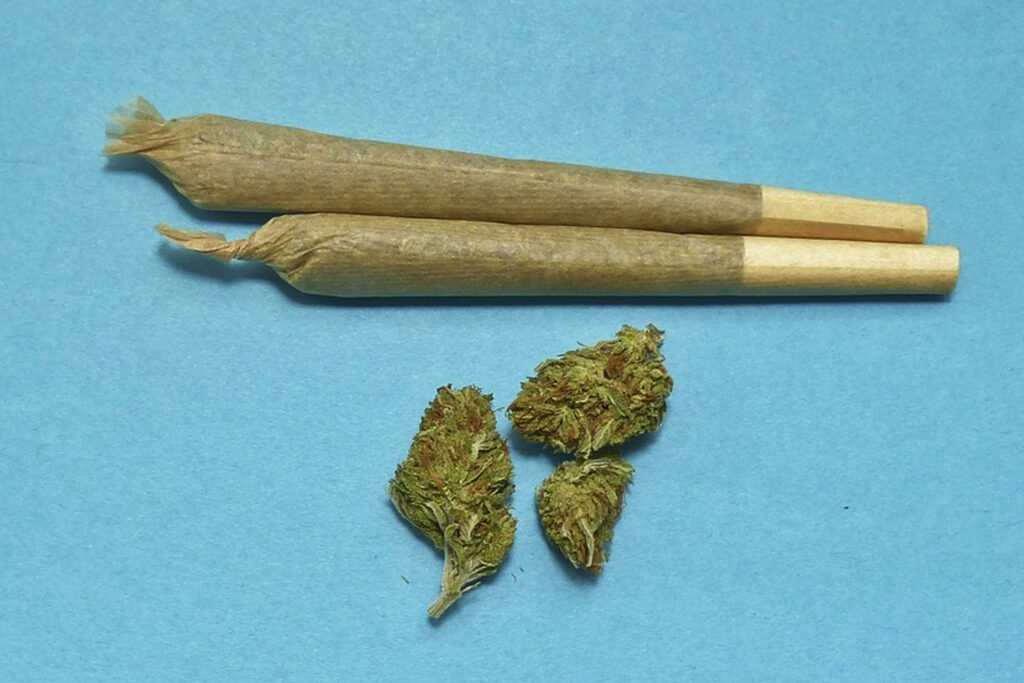
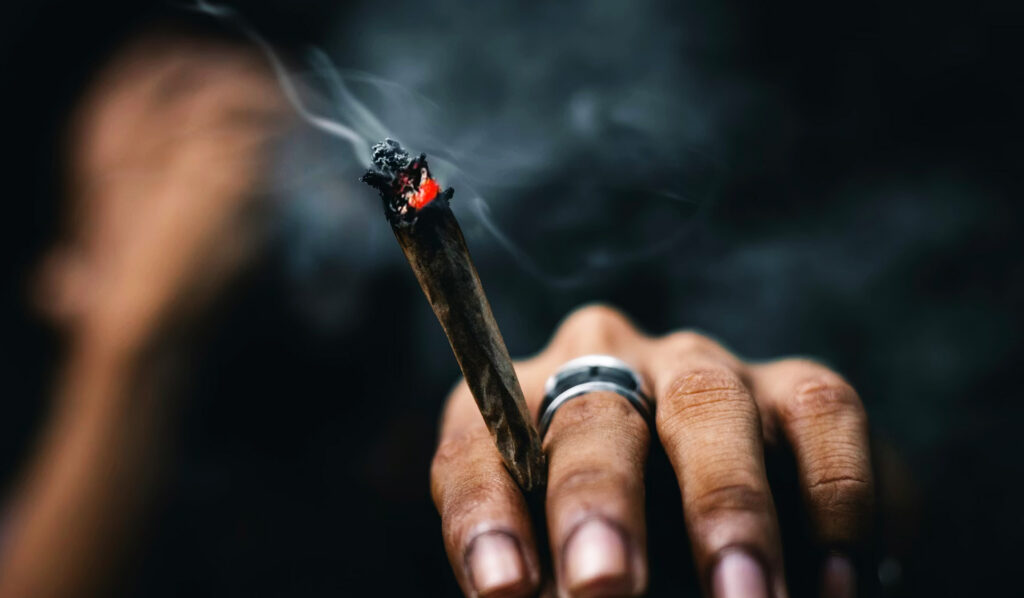
Cannabis is typically consumed by combustion and inhalation — which means its contents enter the body through the lungs rather than the digestive system. This is a meaningful difference from food.
When you eat food containing trace agricultural chemicals, the digestive process, liver metabolism, and gastrointestinal filtering all intervene before anything reaches systemic circulation. When you inhale combusted cannabis, that filtering doesn’t apply. Compounds reach the bloodstream through the lung surface relatively directly and relatively quickly.
From personal experience: the onset of smoked cannabis is fast and direct for this reason — and the same directness applies to whatever else is in the plant. The argument for paying attention to cultivation inputs is more compelling for inhaled cannabis than it would be for a comparable agricultural food product.
2: Why Pesticide Use in Cannabis Cultivation Raises Specific Concerns
Pesticide residues in cannabis are a documented problem in legal markets globally, not just in Thailand. The concern is not that pesticides are being used maliciously — most agricultural use is routine and economically motivated — but that the inhalation route creates a different risk profile than the same residues would produce in food.
What Combustion Does to Pesticide Compounds
Some pesticide compounds are relatively stable at low temperatures but decompose at combustion temperatures into different, potentially more harmful compounds. The chemical transformation that happens when plant material is burned is substantial, and the combustion products of pesticide-containing cannabis may include breakdown compounds that weren’t present in the original plant and aren’t covered by residue testing designed for food safety. (Source: World Health Organization (WHO))
From personal experience: cannabis that produces notable throat irritation or a chemical aftertaste tends to correlate with products from less transparent supply chains. This is impressionistic rather than a reliable diagnostic, but it reflects the real variation in combustion experience across products.
The Food Safety Testing Gap
Cannabis is not food, and food safety testing frameworks don’t map directly onto cannabis inhalation safety. The maximum residue limits established for agricultural food products are calculated with digestive processing in mind. Cannabis consumed via inhalation bypasses that processing.
This gap means that a cannabis product could technically pass residue limits designed for food while still presenting different considerations for inhalation users. Reputable cultivators and dispensaries address this with cannabis-specific testing protocols rather than food residue testing. (Source: World Health Organization (WHO))
3: Heavy Metal Contamination — The Less Visible Risk
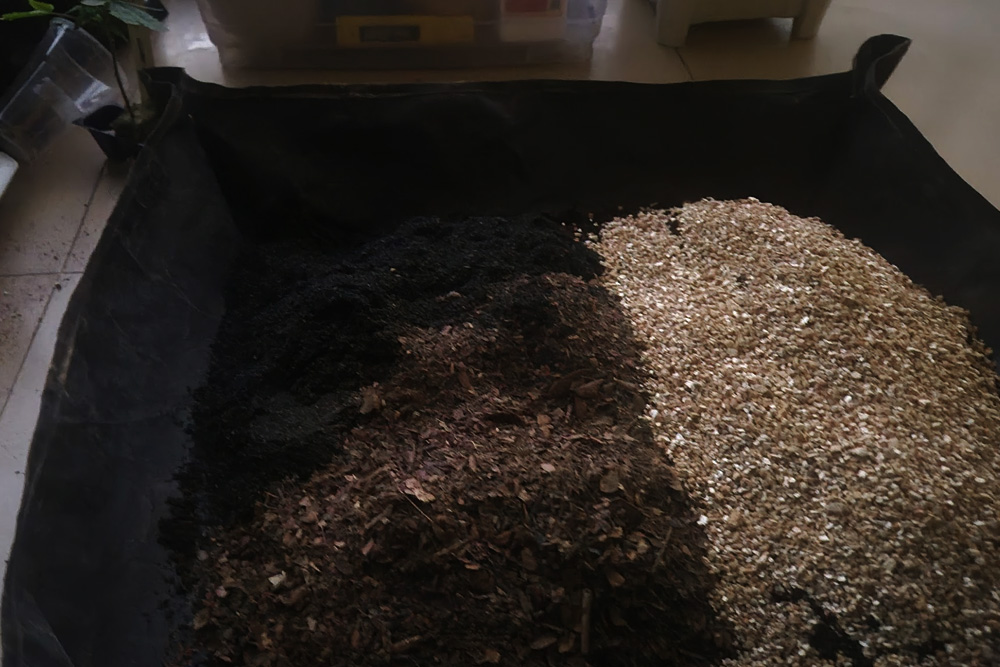
Heavy metal contamination is, in some ways, a harder problem than pesticides. Pesticides are used intentionally and can be eliminated by choosing cultivation methods that don’t use them. Heavy metals enter the supply chain through the soil and water environment, often without the grower’s knowledge or intention.
Soil-Origin Heavy Metal Absorption
Lead, cadmium, arsenic, mercury, and other heavy metals occur naturally in soil at varying concentrations, and historical land use can dramatically elevate those concentrations. Industrial activity, prior agricultural chemical use, proximity to mining or manufacturing sites — all of these can leave elevated heavy metal levels in soil that persists across decades.
Cannabis absorbs these metals efficiently through its root system. The bioaccumulation is not necessarily visible in the plant’s appearance, aroma, or apparent quality. Products that look identical can have substantially different heavy metal profiles depending on where the soil came from and what that land was used for previously. (Source: National Library of Medicine (NLM))
Why Indoor Cultivation Doesn’t Guarantee Low Heavy Metal Levels
A common assumption: indoor cultivation means controlled conditions and therefore lower contamination risk. This is partially but not fully true. Indoor cultivation removes the variable of ground soil — but introduces variables in potting media, compost, mineral additives, and water sources, all of which can carry heavy metal content.
From conversations with Thai growers: the awareness of this is variable. Some indoor operations source their growing media carefully and test input materials. Others use commercially available mixes without knowing or checking their heavy metal profiles. The indoor/outdoor distinction is not a reliable proxy for heavy metal risk.
4: What the Quality Difference Actually Looks Like in Practice
The gap between cultivation-transparent and cultivation-opaque cannabis is real, but it doesn’t always show up in ways that buyers can easily detect at point of sale. From extensive time at Thai farms and dispensaries, the visible signals — flower size, trichome coverage, aroma intensity — don’t reliably predict what’s in the product.
Why Appearance Doesn’t Guarantee Quality
Products from cultivation operations that prioritize yield and appearance metrics over input transparency can look excellent. High THC percentages can be achieved with heavy nitrogen feeding, growth regulators, and other inputs that optimize for measurable outputs. None of this is visible in the flower.
From personal experience: the differences that do consistently correlate with cultivation quality are subtler — how the throat feels after inhalation, how the experience settles over time, whether there’s a chemical-adjacent aftertaste, and the presence or absence of headache following a session. These are subjective and not reliable enough as the sole basis for judgment, which is why third-party testing matters.
5: Why Organic Cultivation Has Meaning Beyond the Label
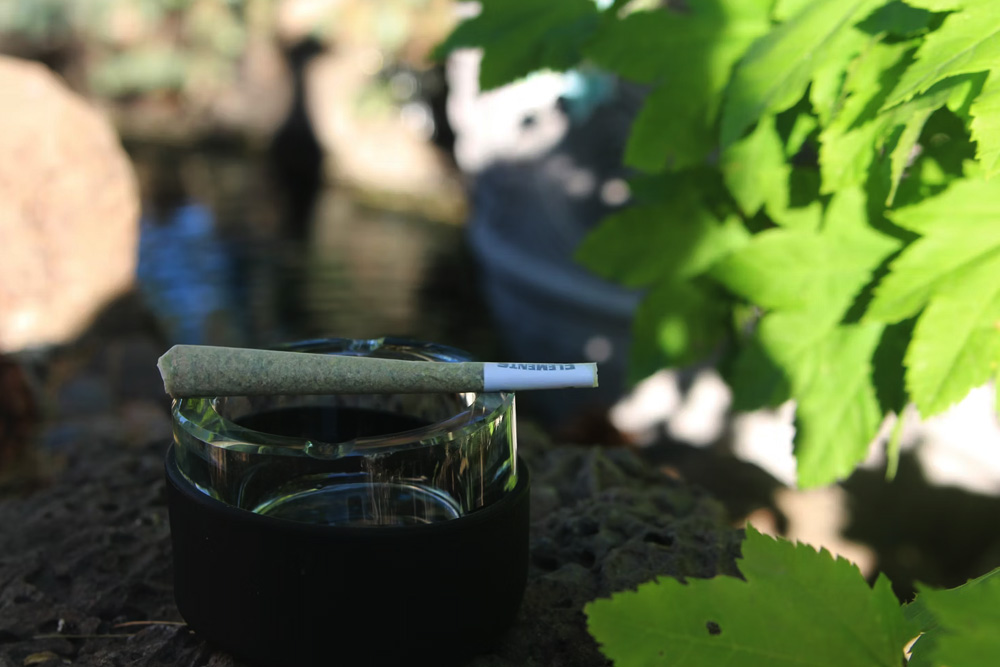
The value of organic cultivation isn’t in the word “organic” — it’s in what the approach implies about input transparency and grower intentions. From observation: the cultivators who describe their methods in detail, who can name their soil sources and compost ingredients, who limit themselves to specific input categories, tend to produce products with fewer of the quality inconsistencies described above.
Input Transparency as the Meaningful Signal
Organic cultivation, when practiced genuinely, means knowing what went into the plant at every stage. No synthetic pesticides means there are no combustion byproducts from those compounds. Careful soil sourcing and compost selection means lower probability of heavy metal loading from input materials. Natural pest management means the plant’s inputs are more predictable and more traceable.
From speaking with Thai growers who take this approach: the most reliable signal isn’t the organic label — it’s whether the grower can explain their inputs and reasoning when asked. Growers who know their soil composition, who can name their fertilizer sources, who have thought through their pest management approach — these are the operations where quality is more consistent and the inhalation-safety considerations are more carefully addressed.
Long-Term Use as a Frame for Cultivation Choice
The calculation changes when cannabis use is regular and extended rather than occasional. A single exposure to suboptimal inputs is unlikely to matter much. Regular use over months or years accumulates exposure in ways that make input quality more relevant as a cumulative consideration.
From personal experience: this is when the question of cultivation origin started mattering more — not after one session but after thinking about what regular inhalation over time means for what the body is accumulating. The frame isn’t “is this dangerous right now” but “what am I regularly taking in, and is there an alternative that gives me more confidence in the answer?”
6: How to Think About Organic Claims When Purchasing
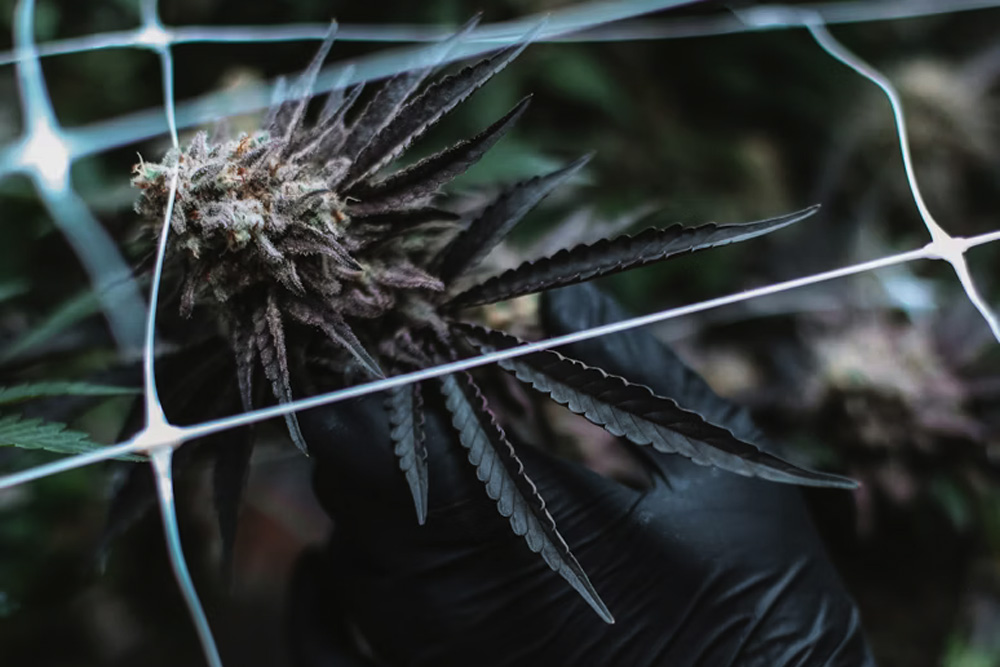
The practical problem with “organic” as a purchasing signal is that the term is inconsistently defined and unevenly applied. From observation across the Thai market: the same word is used by operations that have thought carefully about every input and by operations that simply didn’t use synthetic pesticides last season.
What “Organic” Does and Doesn’t Guarantee in Thailand
Thailand does not have a unified, mandatory cannabis-specific organic certification standard that applies consistently across all producers. Unlike regulated markets in North America or Europe where organic certification involves third-party auditing and defined input restrictions, “organic” in Thai cannabis contexts is typically a descriptive claim made by the grower.
This doesn’t mean the claim is false — many Thai growers who describe their cannabis as organic are using that term sincerely and accurately to describe their practices. It means the claim requires verification rather than assumption. (From observation, not from a single source — this reflects the regulatory environment as understood through direct engagement with the market.)
What to Actually Ask at the Dispensary
Rather than asking “is this organic,” more useful questions:
- Where was this grown? (Indoor or outdoor, which region)
- Does the dispensary have COA (Certificate of Analysis) from third-party testing, including heavy metals and pesticide residues — not just cannabinoid content?
- What soil or growing medium was used?
- Can the dispensary explain what pest management approach the cultivator uses?
Dispensaries that can answer these questions with specifics are operating at a transparency level that the organic label alone doesn’t convey. Dispensaries that deflect with general quality claims are providing less meaningful assurance.
Evaluating the Grower’s Approach, Not the Label
From personal experience as someone who has visited multiple Thai farms: the most reliable quality signal is whether the grower can explain their decisions and constraints. A grower who can tell you what variety of compost they use, why they chose it, what they do about pests, and how they source their water is giving you actual information. A grower who says “we’re organic, the plants are grown with love” is giving you less.
This applies at the dispensary level too. Staff who can describe cultivation background are working from actual supply chain knowledge. Staff who can only describe flavor profiles are working from product descriptions.
7: The Underlying Logic — Inhaled Products and Cultivation Inputs
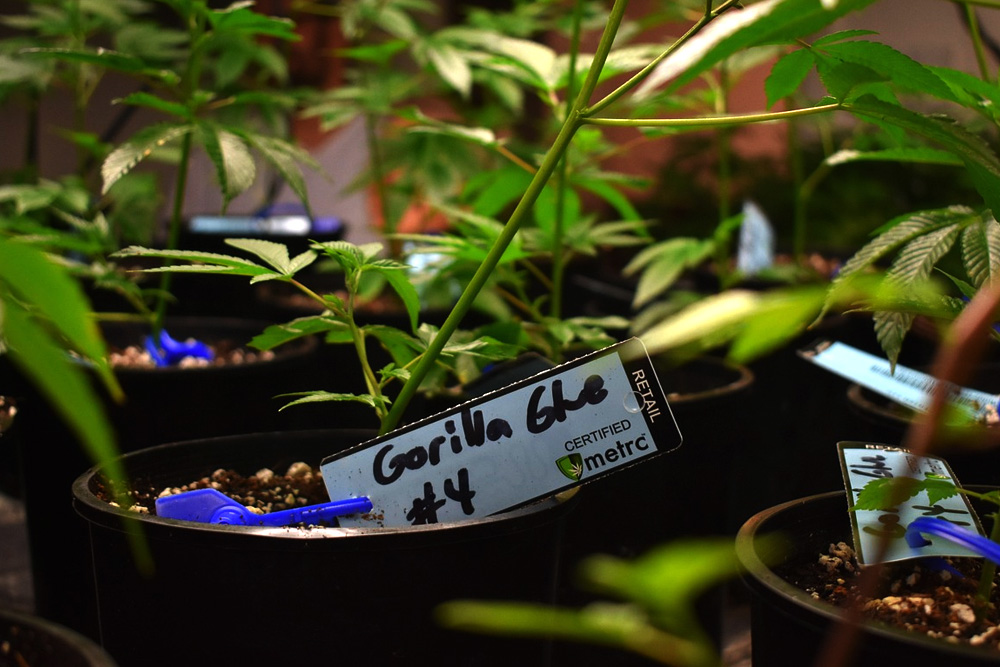
The reason cultivation inputs matter more for cannabis than for many other agricultural products is the inhalation route. When you eat strawberries, the journey from plant to cell involves washing, digestion, and hepatic processing. When you inhale cannabis, the journey is considerably more direct.
This doesn’t mean every non-organic cannabis product is dangerous, or that every organic claim corresponds to genuinely clean cultivation. What it means is:
- The standard of care appropriate for inhaled cannabis is logically higher than for comparable food products
- Third-party testing that includes heavy metals and pesticide residue analysis (not just cannabinoid potency) is the most reliable indicator of what’s actually in the product
- Grower transparency — the ability to explain inputs and cultivation choices — is the best available proxy when testing documentation isn’t available
- Organic as a label is a useful starting filter but not a sufficient one without the supporting information
From personal perspective: the shift toward caring about cultivation inputs came from thinking about what regular inhalation actually involves over time — not from a single concerning experience but from applying the same logic to cannabis that applies to other things regularly taken into the body. The question isn’t whether caution is warranted; it’s whether the information needed to exercise that caution is available. The cultivators and dispensaries that provide it are, by that fact, more trustworthy than those that don’t.
Note: This article is based on content originally published on the Japanese edition of OG Times .