Medical vs Recreational Cannabis: Key Differences in Purpose, Effects, and Legal Positioning


Medical cannabis and recreational cannabis come from the same plant. The difference is not the plant itself. The key distinction lies in purpose and mindset.
At first, I also viewed them as a simple split: medical or recreational. After observing users locally, I began to see that the difference is less about chemical composition and more about why and how cannabis is used.
This section organizes that distinction from the perspective of intention and interpretation.
1: What Is the Difference Between Medical Cannabis and Recreational Cannabis?
Medical and recreational cannabis are often separated by context rather than by completely different substances. From what I observed locally, the central difference was the intention behind use.
Both forms involve the same plant. The separation emerges from how the use is framed and discussed. Understanding this framing clarifies why they are treated differently.
Common Points That Are Often Confused at First
Many people assume that medical cannabis is strictly therapeutic while recreational cannabis is purely for enjoyment. In practice, the line can appear less clear.
Some medical users report feeling relaxed. Some recreational users expect improvements in sleep or anxiety. When people judge only by subjective sensation, confusion becomes likely.
This overlap in experience makes the distinction seem blurred.
Why “Purpose” Is the Most Important Distinction
Policy discussions often position medical cannabis as intended for symptom or condition management. Recreational cannabis is described as use centered on enjoyment or experiential change (Reference: World Health Organization).
Locally, I noticed a consistent difference in attitude. Medical users prioritized stability over intensity. Recreational users valued change itself.
The difference is not primarily chemical. It is about intention and orientation toward the experience.
2: Characteristics of Medical Cannabis
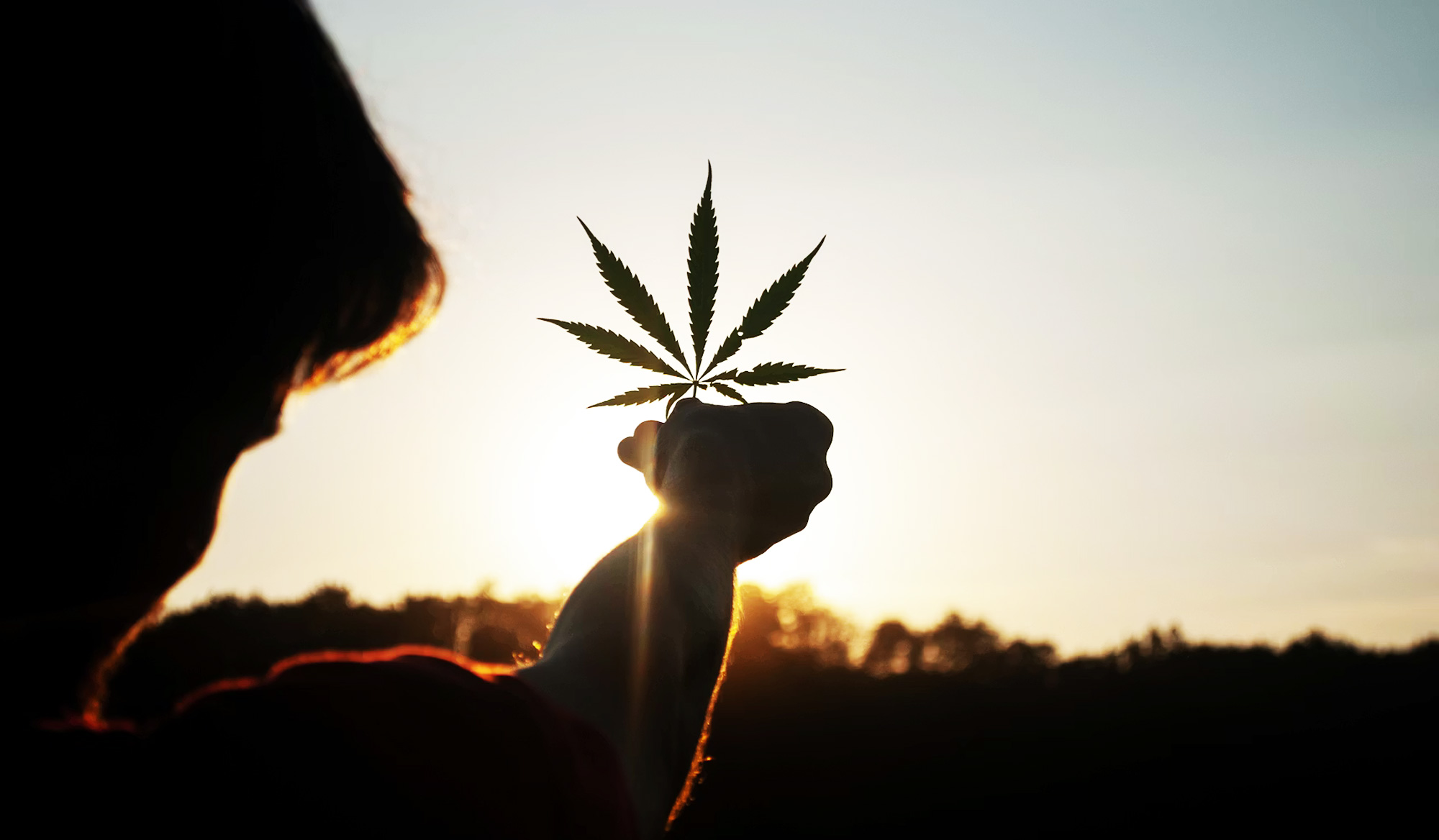
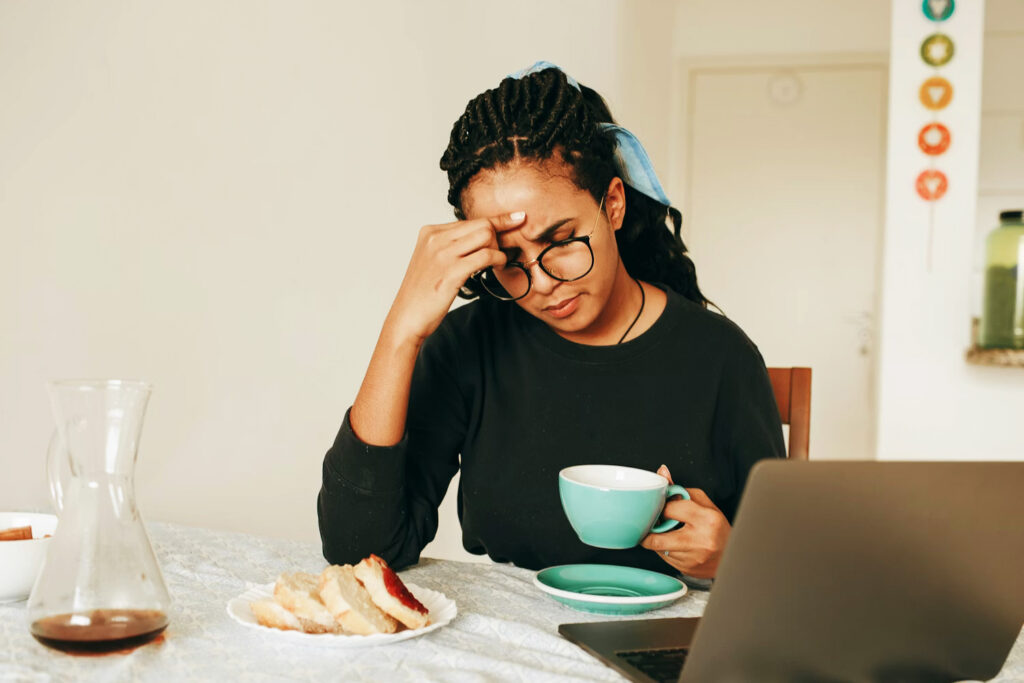
Medical cannabis is positioned around the management of specific symptoms or conditions. In conversations I had locally with medical users, enjoyment or euphoria was not the priority. Instead, the focus was on stability and maintaining daily functioning.
The orientation is different from experience-centered use. The emphasis is not on intensity, but on regulation.
The Approach of Using Cannabis to Regulate Symptoms or Conditions
Medical cannabis is often described in policy discussions as being used for the management of pain, sleep disturbances, or anxiety-related states (Reference: World Health Organization).
What stood out to me locally was the mindset. Users did not seek dramatic shifts. They sought moderation of excessive tension or imbalance. The goal was to move closer to a workable daily state rather than to pursue a strong altered experience.
In this framing, value is placed on restoring balance rather than increasing stimulation.
The Approach of Using Cannabis to Regulate Symptoms or Conditions
In practice, this means that intensity is not the primary metric. Stability becomes the reference point. When speaking with medical users, I rarely heard descriptions centered on “how strong it felt.” Instead, the focus was on whether daily routines became more manageable.
This reflects a difference in orientation. Medical cannabis use is structured around reducing disruption rather than creating sensation. The intention shapes the interpretation of effects.
2: Characteristics of Medical Cannabis
Medical cannabis is positioned around the management of specific symptoms or conditions. In conversations I had locally with medical users, enjoyment or euphoria was not the priority. Instead, the focus was on stability and maintaining daily functioning.
The orientation is different from experience-centered use. The emphasis is not on intensity, but on regulation.
The Approach of Using Cannabis to Regulate Symptoms or Conditions
Medical cannabis is often described in policy discussions as being used for the management of pain, sleep disturbances, or anxiety-related states (Reference: World Health Organization).
What stood out to me locally was the mindset. Users did not seek dramatic shifts. They sought moderation of excessive tension or imbalance. The goal was to move closer to a workable daily state rather than to pursue a strong altered experience.
In this framing, value is placed on restoring balance rather than increasing stimulation.
The Approach of Using Cannabis to Regulate Symptoms or Conditions
In practice, this means that intensity is not the primary metric. Stability becomes the reference point. When speaking with medical users, I rarely heard descriptions centered on “how strong it felt.” Instead, the focus was on whether daily routines became more manageable.
This reflects a difference in orientation. Medical cannabis use is structured around reducing disruption rather than creating sensation. The intention shapes the interpretation of effects.
3: Characteristics of Recreational Cannabis
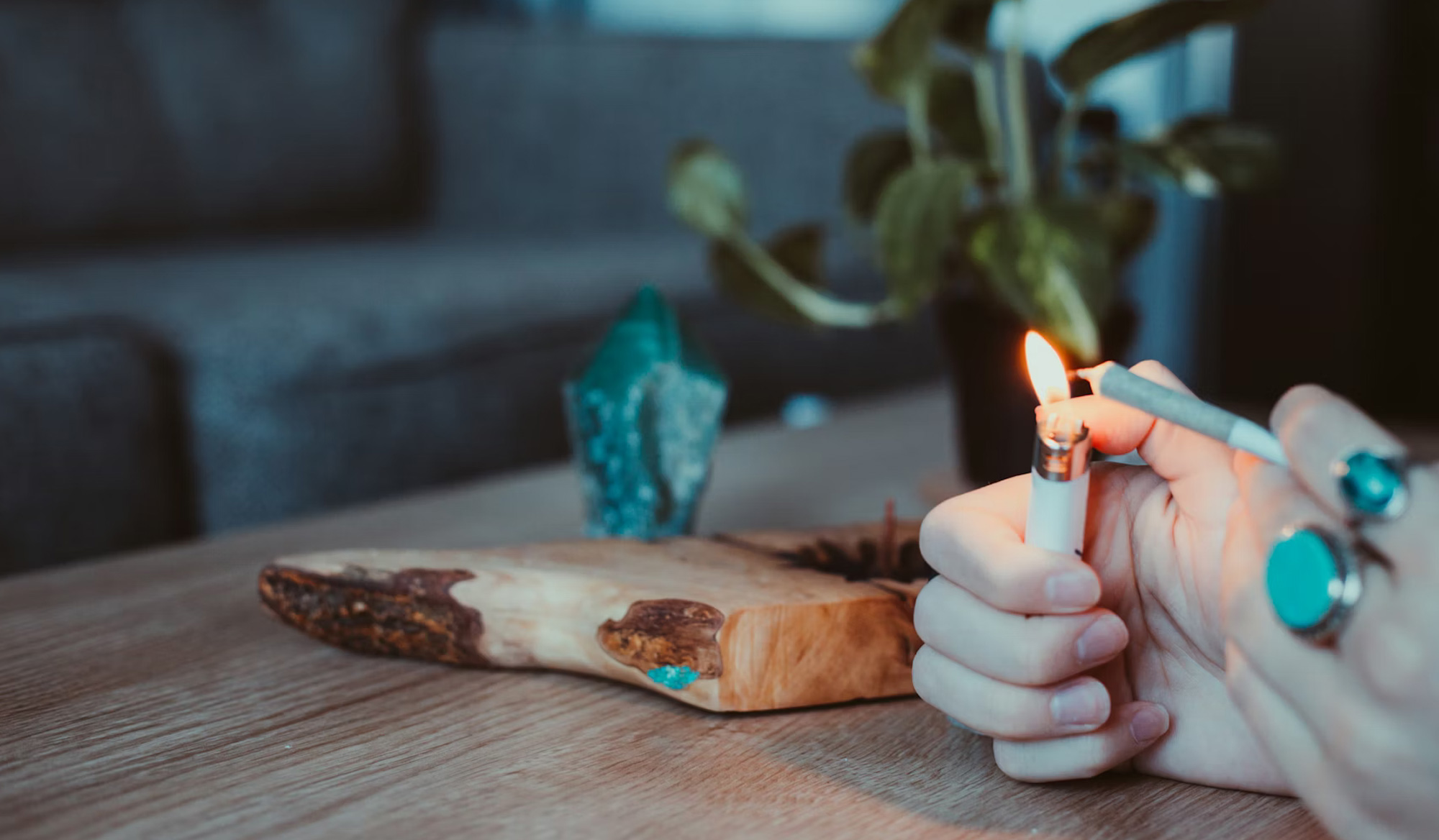
Recreational cannabis is commonly framed around enjoyment and experiential change. While medical use emphasizes stability, recreational use tends to prioritize the experience itself as the primary value.
Among users I observed locally, some clearly distinguished their use as centered on enjoyment rather than symptom regulation.
Using Cannabis Primarily for Enjoyment
Recreational cannabis is often associated with relaxation, elevation of mood, or altered perception. In regions where non-medical use is permitted, the narrative frequently highlights the experiential aspect of cannabis (Reference: United Nations Office on Drugs and Crime).
In conversations I heard locally, expectations often focused on how the experience would feel. The question was less about balance and more about what kind of state could be reached.
This orientation frames cannabis as a source of change rather than correction.
The Tendency to Value Intensity of Effects
In recreational contexts, intensity and clarity of effects often become benchmarks of comparison. THC percentage and duration of effects are frequently discussed metrics. I observed conversations centered on “how strong it was” or “what kind of high it produced.”
In this framing, the strength and distinctiveness of the experience become forms of value.
At the same time, reports indicate that intensity does not automatically equal satisfaction (Reference: U.S. National Library of Medicine). Even within recreational use, subjective evaluation varies.
4: Differences in How Effects Are Interpreted
The distinction between medical cannabis and recreational cannabis appears not only in policy or purpose, but also in how effects are interpreted. I observed that the same physical change could be labeled either as a “good experience” or as a “balanced state,” depending on the user’s orientation.
Interpretation shapes meaning. The effect itself may be similar, but the framework differs.
The Perspective That Seeks “Intensity”
In recreational contexts, clarity and strength of effects often become the primary reference points. High-potency products circulate in markets where users actively seek stronger sensations (Reference: United Nations Office on Drugs and Crime).
In local conversations, phrases such as “how much it changed me” or “how strong it was” frequently centered the discussion. In this framing, the magnitude of change becomes linked to satisfaction.
The focus is on transformation and impact.
The Perspective That Prioritizes “Stability”
In medical-oriented use, intensity is not the central benchmark. Instead, users often describe whether daily rhythms feel more stable. In discussions I observed locally, expressions such as “the waves became calmer” or “the imbalance reduced” appeared more often than descriptions of strength.
Here, stability outweighs intensity as the measure of value. The evaluation shifts from how dramatic the change feels to how manageable daily life becomes.
5: Differences in Legal and Regulatory Positioning
The distinction between medical cannabis and recreational cannabis also appears in legal and regulatory frameworks. However, this classification is not uniform worldwide. It varies by country and region.
From what I observed across different systems, regulation reflects not only scientific discussion but also social agreement within each society. The meaning of “legal” or “illegal” depends on the jurisdiction being referenced.
Why Classifications Differ by Country or Region
Legal categories are shaped by historical context, healthcare structures, and public debate within each country. In some regions, only medical use is permitted. In others, both medical and recreational use are formally recognized.
This variation shows that classification is contextual rather than universal. The framework changes depending on the legal system in place.
The Fact That Both Medical and Recreational Cannabis Come From the Same Plant
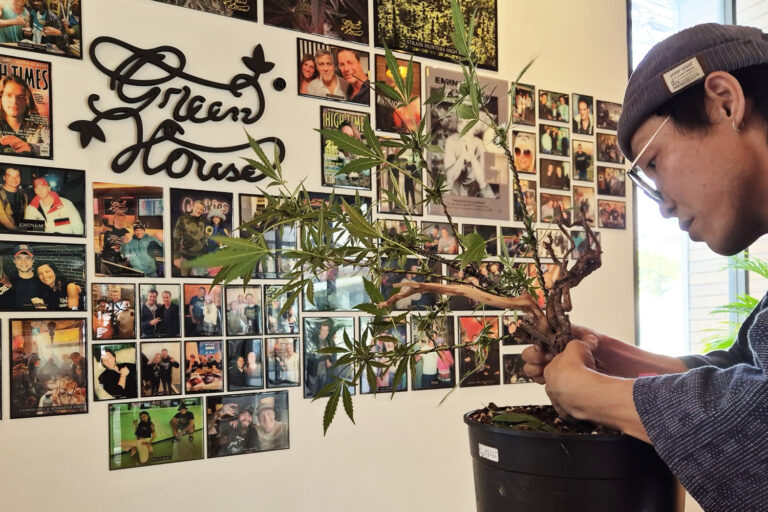
Both medical and recreational cannabis originate from the same plant, Cannabis sativa L.. The plant itself is not fundamentally different between categories.
The distinction emerges through cultivar selection, cannabinoid ratios, cultivation methods, and processing controls. In medical contexts, cannabinoid content may be managed for defined purposes. In recreational contexts, cannabinoid balance is often selected according to desired experiences.
The difference lies not in the plant, but in how it is positioned and used.
6: How to Conceptually Organize Medical and Recreational Cannabis
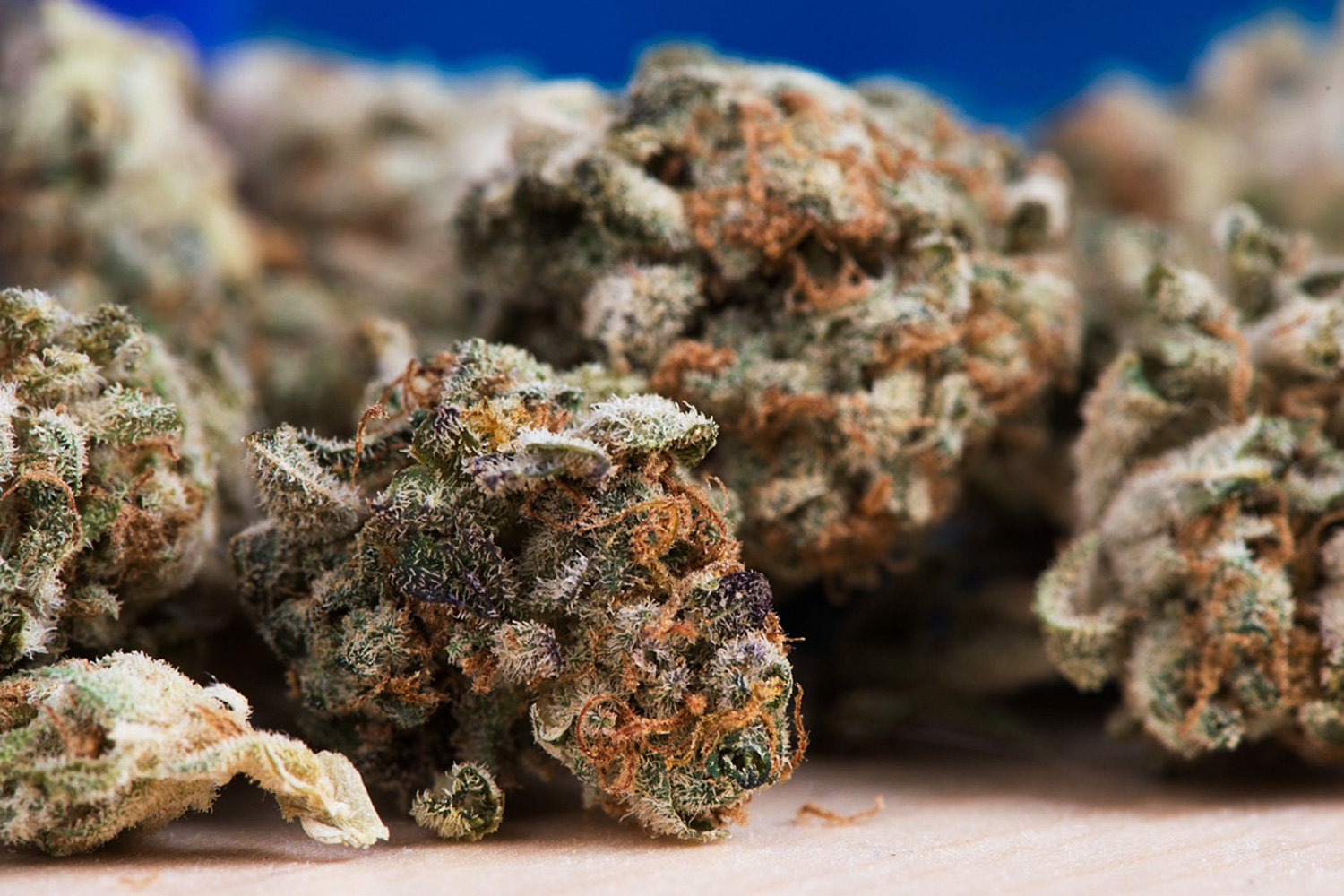
Medical and recreational cannabis cannot be reduced to simple binaries such as “legal vs. illegal” or “strong vs. weak.” Based on what I observed locally, the central distinction rests on purpose.
Medical use prioritizes stabilization and management of conditions. Recreational use prioritizes experiential change. When the purpose shifts, the evaluation criteria, dosage considerations, and interpretive framework shift as well.
Viewing both through the lens of why it is used provides a clearer structure than focusing solely on intensity or legality.
Note: This article is based on content originally published on the Japanese edition of OG Times .