How to Reduce Anxiety During Your First Medical Cannabis Experience
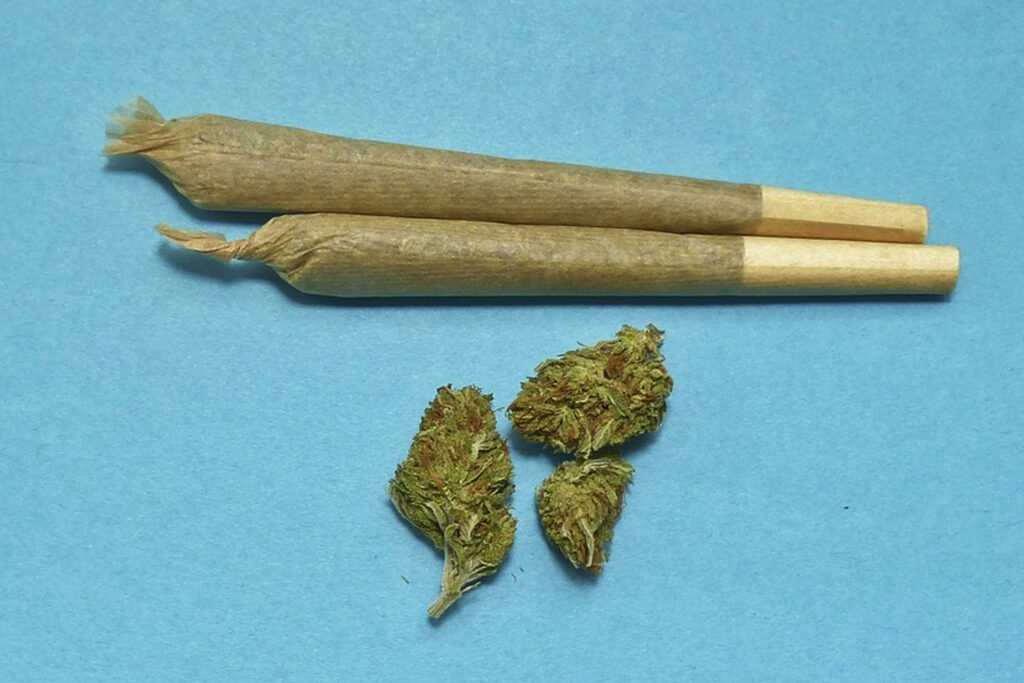

Some people do not feel strong anxiety during their first medical cannabis experience. From what I observed locally, the difference did not appear to depend on body type alone. Those who remained calm often shared certain behaviors and attitudes. It did not look accidental. Preparation and mindset seemed to influence the outcome.
1: What People Who Didn’t Feel Anxiety on Their First Medical Cannabis Use Had in Common
When I reflected on first-time users who did not report anxiety, I did not see special knowledge or advanced experience as the key factor. Instead, they seemed to naturally follow a few basic principles before and during the session. In the situations I observed, their preparation and posture appeared to shape how they interpreted changes in sensation.
The outcome did not look random. Their approach suggested that the first experience can shift depending on how someone prepares and responds.
Common Patterns I Noticed From Local Situations
What stood out most was how calm their behavior appeared. Even during their first session, they did not rush or follow the atmosphere around them. They kept their own pace instead of reacting to others.
They also did not exaggerate uncertainty about how their perception might change. When sensations shifted, they observed them without immediate alarm. Another common attitude was the idea that any change would pass with time. From my experience, that perspective seemed to reduce tension during the first experience.
2: Rule 1: They Controlled Dosage and Pace
When I looked at first-time users who did not report anxiety, attention to dosage and pacing appeared to be a shared factor. They did not rush the process. Instead, they monitored their body’s response and adjusted gradually.
From what I observed locally, people who kept their intake moderate and moved step by step seemed more settled. The first session did not appear to be about intensity, but about awareness of how the body reacted.
Starting With a Small Amount and Observing
Many first-time users began with a very small amount rather than inhaling deeply from the start. They paid attention to each change in sensation before continuing. This approach seemed to reduce sudden surprise.
In my own experience, smaller amounts felt easier to interpret. If something felt unfamiliar, it was easier to accept and observe without escalation. For a first session, that caution appeared to support a calmer experience.
Why They Did Not Smoke Too Much at Once
Those who avoided anxiety did not appear to chase immediate results. They did not increase their intake simply because they did not feel effects right away. Instead, they assumed that changes might become noticeable over time.
When intake increased too quickly, I noticed that attention shifted strongly toward bodily sensations. That shift sometimes intensified tension. Keeping a slower pace seemed to reflect a deliberate decision to avoid overwhelming change during the first experience.
3: Rule 2: They Prepared Their Physical Condition and Mindset in Advance
When I reflected on first-time users who did not report anxiety, they seemed to value their condition before starting more than the act of consumption itself. They paid attention to how they felt physically and emotionally before deciding to begin.
From what I observed locally, those who chose a moment when they felt settled appeared better able to interpret bodily changes calmly. Their preparation did not look complicated, but it appeared intentional.
Choosing a Time When Their Condition Felt Stable
Many people who remained calm did not begin during periods of strong fatigue or tension. They selected a time when their physical state felt relatively stable. In those situations, they seemed able to accept changes in perception without immediate concern.
In contrast, starting while already tense sometimes led to heightened awareness of small sensations. From my perspective, taking a moment to assess one’s physical and emotional state before beginning appeared to support a steadier first experience.
4: Rule 3: They Chose a Safe and Comfortable Environment
When I observed first-time users who did not report anxiety, they appeared to pay close attention to where and how they were spending the session. The setting seemed to influence their interpretation of bodily changes as much as dosage or strain.
People who selected calm environments appeared more composed when sensations shifted. The atmosphere around them did not seem rushed or chaotic. That stability appeared to shape their overall experience.
Examples of Choosing a Quiet, Calming Place
In many local situations, individuals avoided crowded or noisy spaces. They chose places with fewer external distractions and where they could sit comfortably. Lower levels of movement and stimulation appeared to support steadier reactions.
Lighting and physical comfort also seemed relevant. Environments that felt familiar and secure appeared to make it easier to observe sensations without alarm. The presence of trusted people also appeared to influence how changes were interpreted.
5: Three Perspectives to Keep in Mind for Your First Session
Looking back at those who did not experience strong anxiety, no single factor explained the outcome. It appeared to result from a combination of controlled dosage, stable condition, and supportive environment.
Their approach did not seem based on special knowledge. Instead, they appeared to move slowly, assess their condition, and choose their surroundings carefully. From my perspective, viewing the first experience without exaggerating its significance also appeared to reduce tension.
Note: This article is based on content originally published on the Japanese edition of OG Times .