Why CBD May Not Feel Right for Some People: Understanding Compatibility and Individual Differences
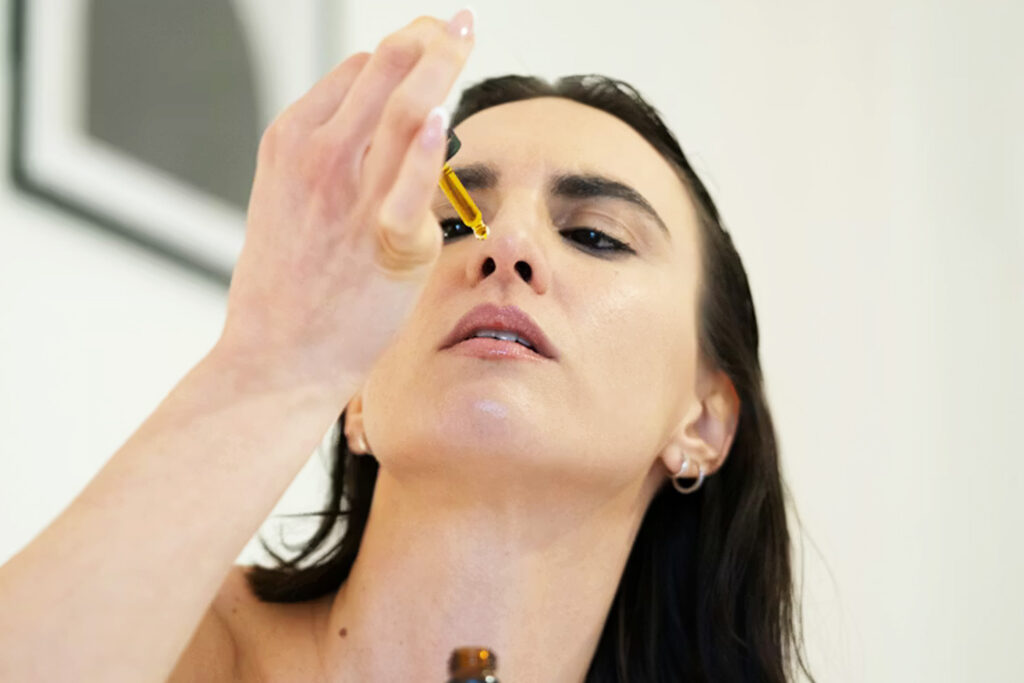

Some people try CBD and later feel “this is not what I expected” or “maybe this doesn’t suit me.” Through listening to many local experiences, I came to recognize how widely CBD perception can vary between individuals.
Feeling that CBD does not suit you may not be explained by body type alone. Physical condition, lifestyle, and expectations often overlap and shape the experience.
This article organizes why CBD may feel unsuitable for some people, drawing from personal perspective and research or official sources. Rather than judging it as good or bad, the focus is on how to understand and approach the experience calmly.
1: Why CBD May Not Feel Right for Some People
Feeling that CBD “doesn’t suit you” is often described not as a strong side effect, but as a difference from what was expected or a lingering sense of discomfort.
From my own experience and local accounts, it was rarely a clear physical problem. Instead, it appeared as subtle unease or restlessness that led to the thought, “maybe this is not right for me.”
This section organizes that initial perception and why it is often labeled as incompatibility.
My First Experience of Subtle Discomfort
From my own perception, rather than feeling relaxed immediately, I experienced a sense that nothing had changed, yet my awareness turned inward.
There was no strong physical shift, but subtle movements in sensation or thought became noticeable, and I was unsure how to interpret them.
Research describes CBD perception as generally subtle, with significant individual variation in evaluation. A shift in attention itself may lead to a sense of discomfort.
(Reference: National Institutes of Health)
In hindsight, this discomfort felt more like an early response than clear incompatibility.
Why It Is Often Described as “Not Working” or “Not Suitable”
In conversations locally, the phrases “it doesn’t work” or “it’s not suitable” appeared frequently, yet their meanings varied. Those who expected strong or immediate changes were more likely to interpret subtle perception as nothing happening, leading to the conclusion that it did not suit them.
Research indicates that CBD changes are not always immediate or obvious, and that expectations may influence evaluation. A subtle experience does not automatically indicate absence of effect.
(Reference: Harvard University Research Team)
2: Who Is More Likely to Feel CBD Doesn’t Suit Them?

When organizing accounts of people who felt CBD did not suit them, it does not appear to be explained by body type alone. Perception style and physical or mental condition at the time seem to play a role.
From personal experience and local observation, certain tendencies appeared repeatedly among those who described CBD as unsuitable.
This section outlines two patterns that were frequently observed.
People Who Are Highly Sensitive to Internal Changes
One pattern I observed frequently involved people who are highly sensitive to physical or mental changes and notice small differences easily.
CBD perception is often described as subtle. When attention shifts inward, sensations that usually go unnoticed may feel amplified. As a result, the experience may be interpreted as “different than usual” or “slightly unsettling.”
Research indicates that individuals who are more sensitive to internal bodily or cognitive signals may perceive subtle changes more strongly. This sensitivity is described as a personal trait and does not necessarily indicate a problem.
(Reference: National Institutes of Health)
From my perspective, sensitivity itself may not cause incompatibility, but it may make interpretation more complex.
Those Already Experiencing Anxiety or Tension
Another frequently observed pattern involved those who were already experiencing anxiety or tension.
In my own experience, during periods of fatigue or emotional unrest, CBD sometimes seemed to amplify internal awareness rather than create relaxation.
Psychological research indicates that heightened anxiety can increase attention toward bodily sensations, making subtle changes more likely to be interpreted as discomfort. In such cases, changes associated with CBD may be perceived as unease rather than calm.
(Reference: American Psychological Association)
3: How Physical Condition and Lifestyle Influence Perception
Looking back at different experiences, whether CBD feels suitable or not seems closely connected not only to the compound itself, but also to physical condition and lifestyle at the time.
From personal observation and local accounts, perception often shifted when the body or mind was not in a stable condition.
This section organizes two factors that appeared to influence perception most clearly.
The Impact of Sleep Deprivation and Fatigue
From my own perception, when I used CBD during periods of insufficient sleep or accumulated fatigue, I noticed a sense of dullness or difficulty concentrating rather than relaxation.
When the body and mind are not fully recovered, subtle shifts may draw more attention and be interpreted as discomfort.
Official sources note that sleep deprivation and chronic fatigue can influence how sensations are perceived and how stable mood feels. In such states, responses to external inputs may differ from usual patterns.
(Reference: Ministry of Health, Labour and Welfare (Japan))
The Influence of Caffeine and Other Substances
Another factor to consider is the combination of caffeine or other substances.
In my experience, using CBD after consuming large amounts of coffee or energy drinks sometimes emphasized internal restlessness rather than calm.
Research identifies caffeine as a compound that influences alertness and tension. When taken alongside other substances, perception may shift. Interactions between compounds are described as highly individual.
(Reference: National Institutes of Health)
4: How Expectations and Mental Images Shape the Experience

Looking back at different experiences, perception was not shaped by the compound alone. Expectations and mental images formed beforehand appeared to influence how the experience was interpreted.
From personal observation and local accounts, the assumption of how CBD “should” feel often affected how the experience was evaluated.
This section organizes two tendencies that appeared to shape perception.
The Assumption That CBD Should Feel Relaxing
From my own perception, when I strongly assumed that CBD “should feel relaxing” or “should calm me down,” I was more likely to notice discomfort if the sensation differed slightly from that expectation.
Even subtle changes, when different from imagined outcomes, could be interpreted as “not suitable” or “not working.”
Research suggests that expectations and prior beliefs may influence how experiences are evaluated. The same stimulus can be interpreted differently depending on mental framing.
(Reference: National Institutes of Health)
The Tendency to Monitor Sensations Too Closely
Another pattern involved monitoring sensations too closely.
When I repeatedly checked “How do I feel now?” or “Has anything changed?”, the act of monitoring itself seemed to intensify restlessness.
Psychological research indicates that continuously directing attention toward internal sensations may amplify them, increasing the likelihood that they are perceived as discomfort. This tendency is not specific to CBD but applies broadly to subjective experiences.
(Reference: American Psychological Association)
5: The Role of Intake Method and Dosage
Looking back at cases where CBD felt unsuitable, intake method and dosage sometimes appeared more influential than the compound itself.
From personal experience and local accounts, discomfort was occasionally emphasized not because of incompatibility, but because the way it was used did not match the individual.
This section organizes dosage, concentration, and reactions commonly observed during first use.
When Dosage or Concentration May Not Be Appropriate
From my own perception, when dosage or concentration did not match my condition, discomfort appeared more noticeable than calm.
A sensation that was barely noticeable at a lower amount became more pronounced after increasing the dose, leading to the thought that it might not suit me.
Research notes that CBD perception may vary depending on dosage, and that smaller and larger amounts can be experienced differently. Appropriate dosage is described as highly individual.
(Reference: National Institutes of Health)
In this context, dosage mismatch may sometimes be interpreted as incompatibility.
Reactions That Are Common During First Use
Another factor to consider involves reactions during first use.
From my experience and local accounts, the first experience often includes uncertainty about how it is supposed to feel, which itself may intensify perception.
Research suggests that when trying a new compound for the first time, expectations and nervousness may influence evaluation. Initial impressions may also shape later interpretation.
(Reference: Harvard University Research Team)
From my perspective, it may be helpful not to conclude incompatibility based solely on a first experience.
6: What to Consider If CBD Feels Unsuitable

When CBD feels unsuitable, it may be helpful not to rush into conclusions or force a clear explanation immediately.
From personal experience and local observation, simply adjusting how the experience is approached sometimes changes how it is interpreted.
This section outlines two perspectives that may help organize the experience calmly.
The Option of Pausing Instead of Forcing Continuation
From my perspective, if discomfort continues, choosing to pause rather than forcing continuation is a reasonable option.
In my own experience, continuing while feeling doubtful increased vigilance toward sensations and amplified unease.
Official guidance notes that when discomfort is present, pausing and observing one’s condition may be appropriate. Continuing use does not automatically lead to better outcomes.
(Reference: Ministry of Health, Labour and Welfare (Japan))
Choosing to stop temporarily can be seen not as failure, but as respecting one’s own perception.
Viewing the Experience as a Temporary Reaction
Another perspective is not assuming that the current sensation will last indefinitely.
Discomfort or unease can feel fixed in the moment, but in my experience, such reactions often changed over time.
Research indicates that CBD-related sensations and psychological responses are frequently temporary and vary between individuals. The intensity and duration of perception differ from person to person.
(Reference: National Institutes of Health)
7: Is CBD Not for Everyone? Understanding Compatibility
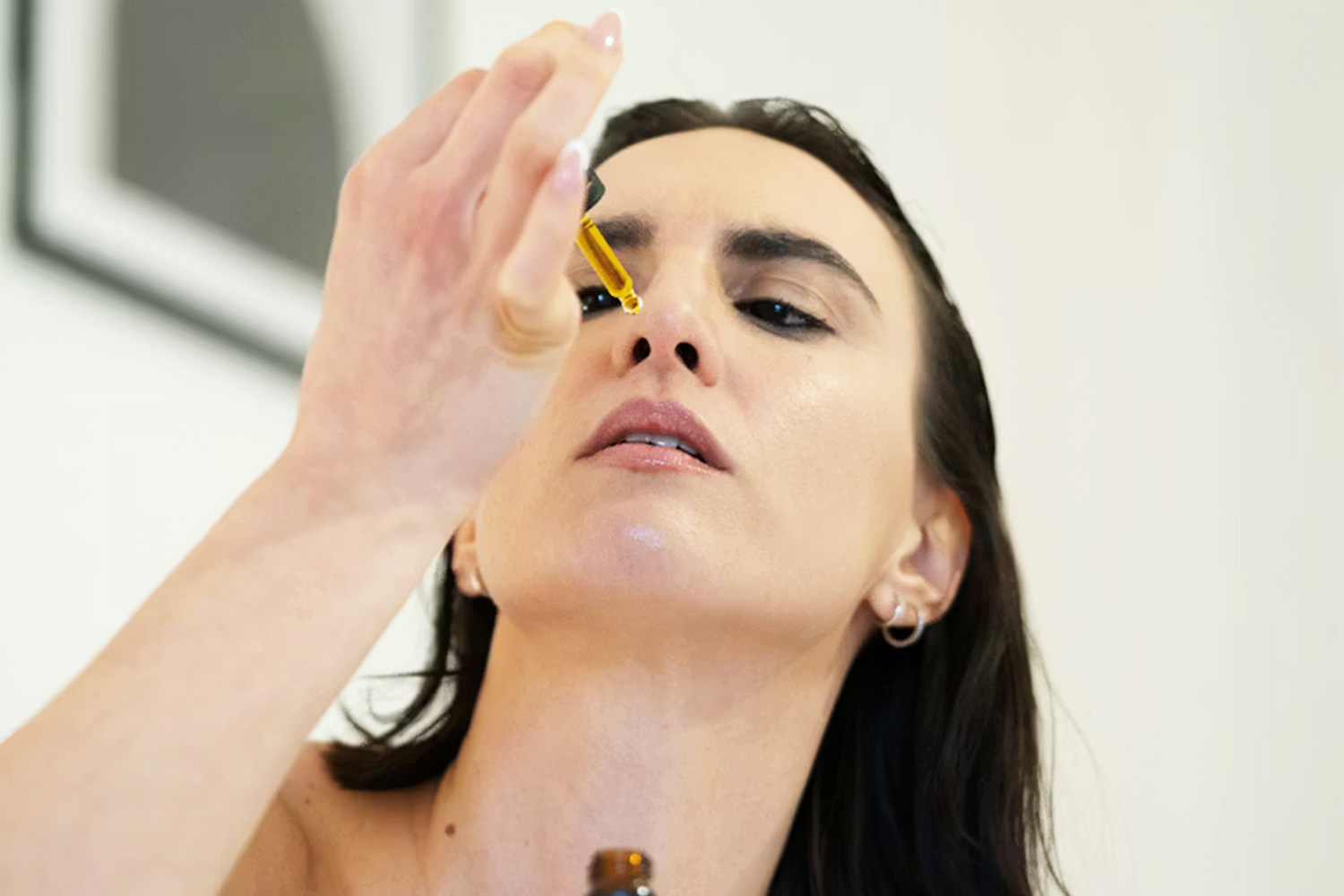
Feeling that CBD does not suit you cannot be explained by body type or the compound alone. Physical condition, lifestyle, expectations, and intake method often overlap and shape the experience.
From personal observation, even the same person may perceive CBD differently depending on circumstances.
Rather than deciding too quickly whether it suits you, it may be more helpful to organize how you feel and consider options without pressure.
CBD does not produce identical experiences for everyone. Compatibility exists on a spectrum. Viewing perception as situational rather than absolute may help reduce unnecessary concern.
Note: This article is based on content originally published on the Japanese edition of OG Times .