Smoking, Eating, or Applying Cannabis: How the Method Changes the Experience

One of the most consistent questions that comes up in Bangkok and Pattaya dispensary settings is some version of: “what’s the difference between smoking and eating it?” The answer involves more than just preference — the route of administration changes how the same compounds are processed by the body, which changes the onset timing, duration, intensity, and qualitative character of the experience.
Same plant, same cannabinoids, meaningfully different experience depending on how they enter the body.
From observation: the majority of problems that first-time visitors encounter don’t come from the product being too strong — they come from not understanding how the administration route shapes what happens. This guide works through smoking, eating, and topical application as three distinct categories with different physiological profiles.
1: Why Administration Route Changes the Experience
The reason the same cannabis compound produces different experiences through different routes comes down to absorption speed, metabolic pathway, and the specific form the compound takes in the bloodstream after processing.
THC and CBD are processed differently depending on how they enter the body. Inhaled cannabis moves from the lungs into the bloodstream and reaches the brain within minutes. Consumed cannabis passes through the digestive system and liver before reaching the bloodstream — a process that takes significantly longer and converts THC into a different compound in the process.
Why the Pathway Determines the Experience
When cannabis is inhaled, THC enters the bloodstream via the lungs and reaches the brain relatively quickly. When cannabis is consumed orally, THC passes through the digestive tract and is metabolized by the liver — converting into a compound called 11-hydroxy-THC, which has different pharmacological properties and may produce a more intense experience than inhaled THC at equivalent doses. (Source: National Institutes of Health (NIH))
This conversion is why edibles can produce a stronger, longer-lasting, and qualitatively different experience than smoking — even when the cannabinoid content appears equivalent. The compound the body actually processes is not identical.
What This Looks Like in Practice
From observation at dispensaries: most first-time visitors gravitate toward smoking, primarily because the effects arrive quickly and can be adjusted incrementally. Edible users more frequently report being surprised by the intensity — not because they took “too much” in any absolute sense, but because the metabolic pathway produced a different result than expected.
Topical products occupy a different category entirely — their purpose and mechanism are distinct from inhaled or ingested cannabis in ways that make comparison difficult.
2: Smoking — The Most Adjustable Method
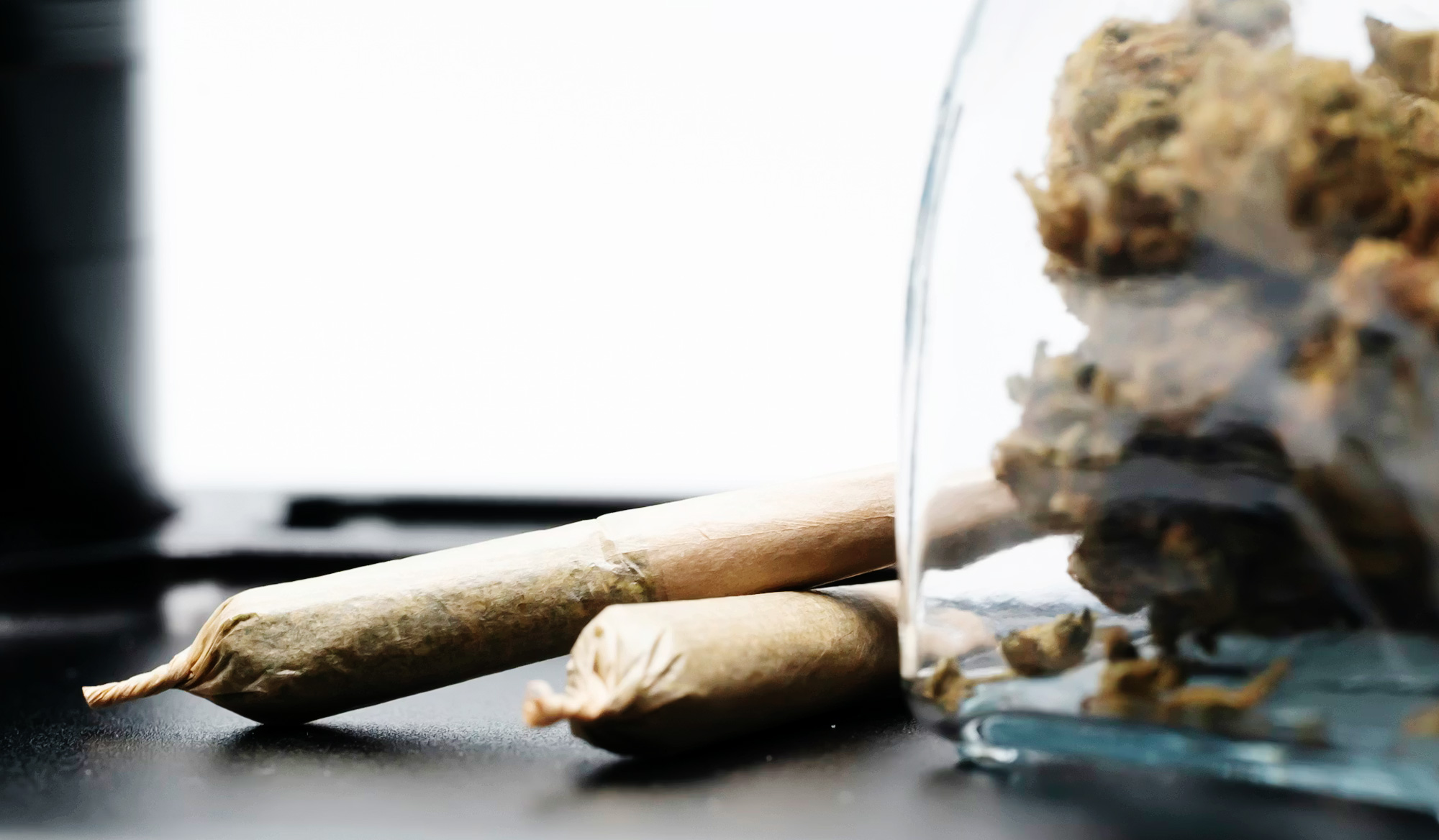
Smoking remains the most common first-choice method in Thailand’s dispensary context, and the reason isn’t merely familiarity. From observation: the most practical reason is that inhaled cannabis provides feedback quickly enough to allow dose adjustment during a session.
Lung absorption delivers THC into the bloodstream rapidly — effects become noticeable within minutes, peak within 15–30 minutes, and the relatively fast feedback loop makes it possible to stop before taking more than intended. (Source: National Institute on Drug Abuse (NIDA))
Onset Timing and Duration
Inhaled cannabis typically produces noticeable effects within minutes. Duration varies by individual, product, and dose, but the general range reported is 2–4 hours — shorter than edibles.
From observation: the “it starts and then it settles” pattern of smoked cannabis is more predictable and more legible to first-time users than the delayed onset of edibles. The relatively clear beginning and gradual end give people reference points for understanding their own experience.
That said: individual variation exists here too. A highly tolerance-naive person may find even modest amounts of high-THC flower overwhelming, regardless of how gradually they approach it.
Why How You Inhale Matters
The technique of inhalation affects how much THC actually enters the bloodstream. Slow, deep inhalation with brief retention allows more absorption through the lung surface area. Shallow or short inhalation delivers less. This means the same amount of cannabis can produce notably different experiences depending on inhalation pattern.
From personal experience: this is the mechanism behind why the same product feels different when you’re rushing versus when you’re taking your time. The cannabis hasn’t changed; the absorption efficiency has.
How Combustion Method Affects the Experience
Within the category of smoking, the combustion method also shapes the sensory experience. Standard lighter flame, hemp wick, and different filter types all produce slightly different impressions.
Hemp wick burns at a more consistent, lower temperature than butane lighters. From observation and personal experience: this produces a somewhat cleaner aromatic experience — the terpene profile of the cannabis is less disrupted by the combustion source. The difference is subtle but real, and for people who are paying attention to the specific flavor characteristics of a strain, the combustion method is a relevant variable.
3: Eating Cannabis — Slower, Longer, and Often Stronger
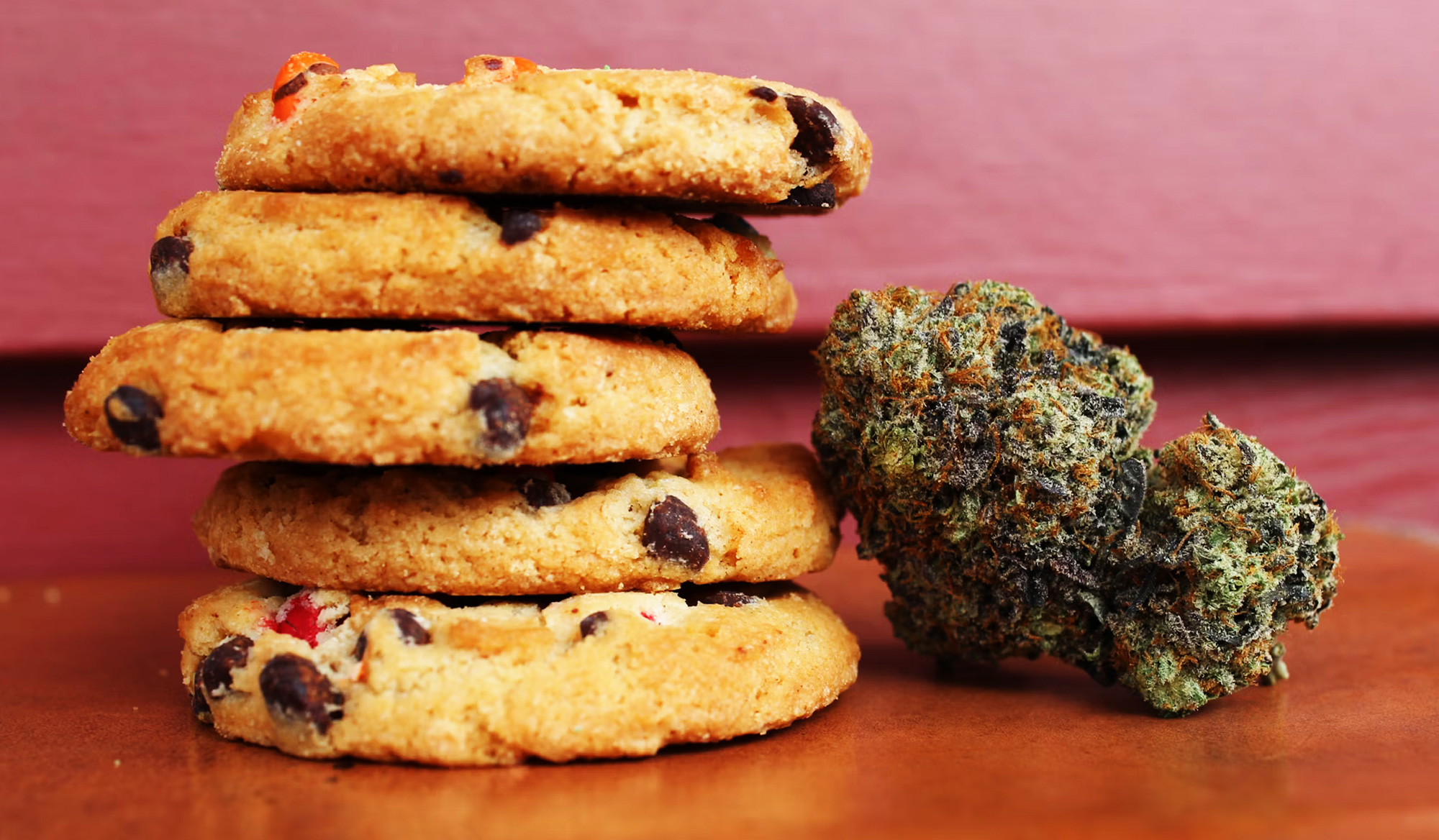
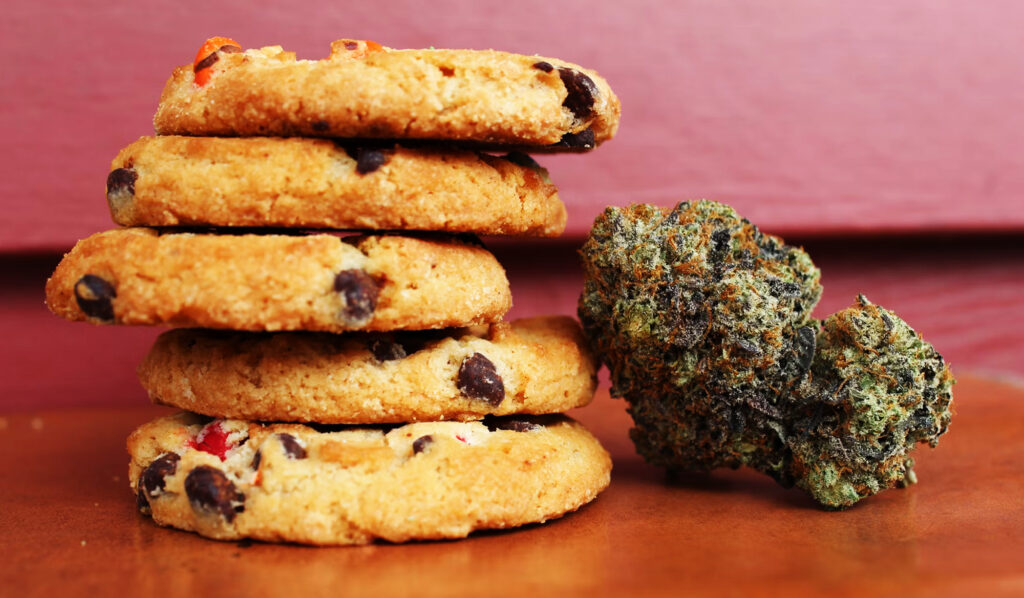
Edibles — cannabis infused into food products — produce a fundamentally different physiological experience than smoked cannabis. The mechanism is different, the timeline is different, and the intensity ceiling is typically higher for equivalent apparent doses. Understanding these differences before consuming is the most important safety preparation for edible use.
Why Edibles Tend to Feel Stronger
As noted above, oral THC is converted by the liver into 11-hydroxy-THC before entering general circulation. This metabolite has been reported to produce more pronounced effects than delta-9 THC (the form inhaled via smoking) at equivalent blood concentrations. (Source: National Institutes of Health (NIH))
The combination of a more potent metabolite and a longer absorption window explains why the common first-time edible experience is “this felt much stronger than expected.” The dose wasn’t necessarily wrong — the metabolic conversion produced more than was anticipated.
Why Onset Takes So Long
The digestive process from ingestion to full absorption takes 30 minutes to 2 hours, depending on stomach contents, individual metabolism, and the specific product. (Source: National Institute on Drug Abuse (NIDA))
This lag is the primary source of edible-related problems. From observation: the pattern is consistent — person takes edible, notices nothing after 45 minutes, takes more, then 90 minutes after the first dose everything arrives simultaneously. The result is significantly more intense than either dose alone would have produced.
Duration for edibles is correspondingly longer: 4–8 hours is a commonly cited range, with some people reporting effects lasting beyond that.
What First-Time Edible Users Should Know
- Wait a minimum of 2 hours after the first dose before concluding it wasn’t effective
- Do not take a second dose on the same day as the first if using for the first time
- Start at the lower end of what’s recommended — effects can be significantly stronger than labeled doses suggest
- Physical state matters more with edibles: empty stomach, fatigue, and stress all amplify the response
- If using edibles, plan for a longer duration than you think you’ll need
4: Topical Application — Local Effect, Different Purpose
Topical cannabis products — creams, balms, oils applied to the skin — occupy a different category from inhalation and edibles. Their purpose is fundamentally different, their mechanism is different, and they shouldn’t be evaluated against the same expectations.
Local vs. Systemic Effect
Applied topically, cannabinoids interact with cannabinoid receptors in the skin and underlying tissue rather than entering general systemic circulation in significant amounts. The skin contains CB1 and CB2 receptors, and localized interaction at these receptors is the proposed mechanism behind topical cannabis products. (Source: National Institutes of Health (NIH))
From observation: the most consistent use case is localized muscle discomfort or joint stiffness — topical products applied to specific areas rather than used for a general experience.
Why Topicals Don’t Produce a High
For topical application to produce psychoactive effects, THC would need to enter the bloodstream in meaningful quantities. Skin is an effective barrier, and transdermal absorption of cannabinoids without specific permeation-enhancing technology is limited. Research has indicated that transdermal absorption via standard topical formulations produces minimal blood concentration increases. (Source: National Institutes of Health (NIH))
This is why topical cannabis products can be used during the day without concern about cognitive impairment — they’re not reaching the central nervous system in any meaningful way through ordinary application.
How Topicals Are Used in Practice
From observation in Thailand: topical cannabis products are used primarily by long-stay residents and medical visitors rather than recreational tourists. The application context is wellness-adjacent — recovery from physical activity, localized discomfort, skin care — rather than recreational experience-seeking.
This makes topicals a genuinely separate category that shouldn’t be compared to inhalation or edibles on a spectrum of “strength” — they’re not trying to produce the same type of result.
5: Onset, Duration, and Individual Variation — Compared
| Method | Onset | Peak | Duration | Psychoactive? | Dose Adjustability |
|---|---|---|---|---|---|
| Smoking / Vaporizing | Minutes | 15–30 min | 2–4 hours | Yes | High — incremental adjustment possible |
| Edibles / Oral | 30 min – 2 hours | 2–4 hours after ingestion | 4–8+ hours | Yes — often more intensely than smoked | Low — difficult to adjust once consumed |
| Topical | Variable | Localized | Variable | No — under normal application | N/A — different mechanism entirely |
(Source: National Institute on Drug Abuse (NIDA))
Why Individual Variation Makes These Ranges Approximate
The figures above are tendencies, not guarantees. Individual variation in onset, duration, and intensity comes from multiple overlapping factors: body composition (THC is fat-soluble, which affects distribution), metabolic rate, tolerance from prior use, current physical state, and the specific product’s actual cannabinoid and terpene profile. (Source: National Institutes of Health (NIH))
From personal experience: the same product produces noticeably different experiences on days with different baseline physical states. Fatigue, hunger, and stress all amplify effects. Adequate rest, food, and hydration produce more predictable, moderate responses.
This means the table above provides a useful orientation but shouldn’t be treated as a personal prediction. The direction of each variable is reliable; the specific numbers are not.
6: Safety Considerations Across All Methods
From observation: problems with cannabis across all administration methods trace most often to dose, physical state, and environment — not to the method itself being inherently risky. Understanding the specific risk profile of each method is what makes safety practical rather than abstract.
THC Level and Physical State
Higher-THC products amplify all of the above — faster onset (smoked), stronger conversion (edibles), more pronounced response at a given dose. Physical state interacts with this multiplicatively: high-THC product plus depleted physical state (hunger, fatigue, stress) produces considerably more intense responses than either factor alone. (Source: National Institute on Drug Abuse (NIDA))
From personal experience: the most common source of uncomfortable first experiences is a high-THC product consumed in a compromised physical state, without adequate time for effects to develop before judgment was made.
Patterns to Avoid as a First-Time User
Two patterns account for the majority of difficult first experiences, regardless of administration method:
Adding more before the first dose has expressed itself — particularly dangerous with edibles, where the lag between ingestion and effect is long enough to produce a false “it isn’t working” impression.
Calibrating to someone else’s dose — the person who shared their edible with you or the dispensary staff recommendation may be based on established tolerance. First-time use requires starting at a fraction of what experienced users report as effective.
Setting Matters at Least as Much as Method
The environment and psychological state you bring to cannabis use consistently shapes the experience, regardless of administration method. Research has indicated that “set and setting” — internal psychological state and external environment — are significant determinants of subjective cannabis experience. (Source: National Institutes of Health (NIH))
From personal experience: the most stable and positive experiences consistently happen in calm, familiar settings with people you trust, when physical state is solid (fed, rested, hydrated). The most uncomfortable experiences cluster around unfamiliar settings, compromised physical state, and time pressure.
7: Choosing a Method Based on Your Purpose
The right administration method depends on what you’re actually trying to achieve. From observation: the people who have the most consistent experiences are those who’ve matched method to purpose — not those who’ve found the “strongest” option.
Matching Method to Purpose
- Quick onset, dose-adjustable experience → smoking or vaporizing
- Extended duration, willing to wait for onset → edibles (with the patience to wait fully)
- No psychoactive effect, localized area of focus → topical
- First-time use with no prior experience → smoking at moderate THC levels, CBD-heavy ratio if possible
- Sleep support → edible timed 2 hours before sleep, or smoking 30–60 minutes before (accounting for shorter duration)
Not Rushing the Experience
Across all methods, the most consistently useful advice from observation: don’t chase the effect. With smoking, don’t add a third or fourth puff because you’re expecting more than you got. With edibles, don’t take a second dose because you haven’t felt anything yet. With any method for the first time, give the experience time to develop fully before making any assessment.
The cannabis isn’t going anywhere. The effect will arrive. Patience with the process is what separates comfortable, accurate first experiences from the overwhelming ones that come from adding too much too soon.
8: Understanding the Method Is the Foundation for Safety
The three administration methods covered here produce meaningfully different experiences not because the cannabis is different but because the body processes the same compounds differently through different routes. Inhalation produces fast, relatively short, dose-adjustable effects. Oral consumption produces slow, long, and often more intense effects through liver conversion. Topical application produces localized effects without psychoactivity.
These aren’t preferences on a spectrum — they’re genuinely different physiological events. Treating them as equivalent in terms of expected onset, duration, and intensity is where most first-time problems originate.
From observation: the people who navigate cannabis most consistently well are those who understand what they’re choosing before they choose it — what the onset timeline is, what the duration will be, and what the intensity ceiling looks like for their chosen method. That understanding is the practical foundation for a safe and accurate first experience.
Note: This article is based on content originally published on the Japanese edition of OG Times .