420-Friendly Hotels in Thailand (2026 Guide): Best Cannabis-Friendly Stays in Bangkok, Pattaya, Phuket, Chiang Mai & Koh Samui

Thailand has legalized cannabis, but that does not mean you can smoke anywhere without consequences. For travelers, the most important factor is not the law itself, but choosing the right hotel.
Hotel policies, building structure, and surrounding environment have a far greater impact on your stay than most people expect. Many complaints, warnings, or unexpected issues happen because travelers book accommodations without understanding how the property operates. This section explains why hotel selection is the single most important factor when using cannabis in Thailand.
Explore 420-Friendly Hotels in Thailand
1: Why Choosing the Right Hotel Is the Most Important Factor When Using Cannabis in Thailand
When using cannabis in Thailand, many travelers focus only on whether it is legal. In reality, the bigger issue is hotel policy, structure, and environment. Even within the same city, hotels differ significantly in design and operational management. These differences determine whether you can relax comfortably or face unnecessary complications. The real question is not simply whether cannabis is allowed in Thailand, but whether you can stay safely and comfortably at a specific property.
The Risk of Odor Complaints and Public Nuisance Violations
While cannabis is legal in Thailand, producing a strong odor that disturbs others may be treated as a “Public Nuisance.” In practice, this usually appears as complaints inside the hotel rather than direct legal enforcement. In buildings with sealed rooms or shared air-conditioning systems, odor can spread into hallways or neighboring rooms more easily than expected. This can result in staff warnings or additional cleaning fees. The issue is not cannabis itself, but how effectively odor is managed. Understanding this distinction is critical for avoiding problems during your stay.
How Room Structure Changes Where You Can Safely Smoke
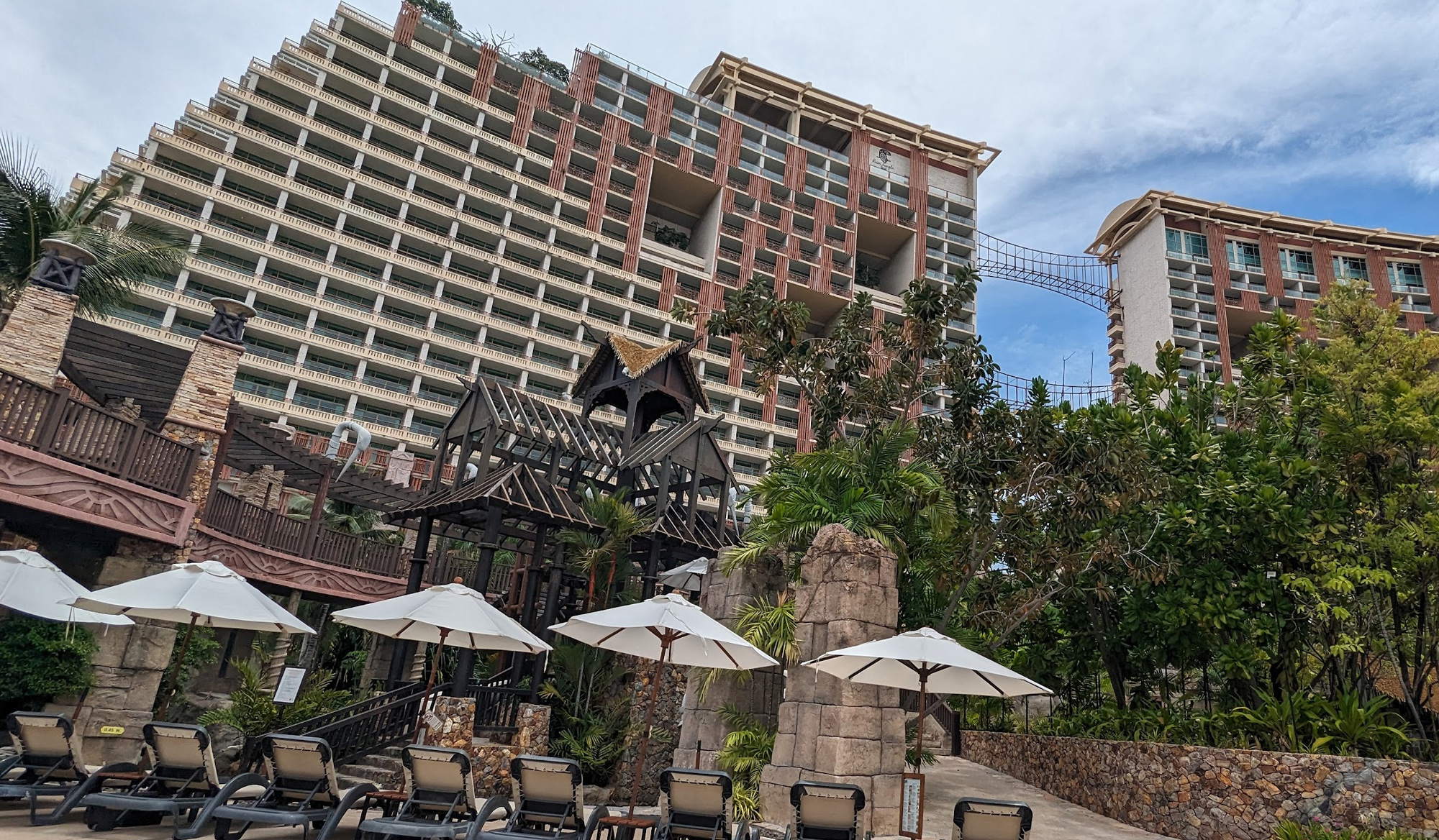
Room structure significantly affects risk levels. Rooms with spacious balconies and good airflow allow odor to disperse naturally, while sealed rooms without openable windows increase the chance of buildup. High-rise tower hotels with tightly packed rooms create a different environment compared to resort-style properties with separated buildings. In other words, it is not only about permission, but the physical design of the space. Booking without understanding structural differences often leads to preventable trouble.
Why Location and Surroundings Affect Your Travel Experience
Location also plays a major role in overall comfort. Hotels in busy nightlife districts may be convenient, but high foot traffic and close proximity to others require greater caution. Riverside, beachfront, or suburban properties often provide more space and a calmer atmosphere. Proximity to dispensaries also influences travel flow and convenience. Ultimately, safety and comfort depend less on written rules and more on distance, layout, and environmental design. Choosing the right hotel directly impacts the quality of your entire trip.
2: Selection Criteria for the “Cannabis-OK Hotels” Featured in This Article
The hotels introduced in this guide were not selected simply because cannabis use is tolerated. The key factor is whether the property provides an environment where guests can stay safely, comfortably, and realistically within the rules. Legal interpretation alone is not enough. We evaluated structural design, operational consistency, surrounding environment, and review patterns to determine whether a hotel truly supports a smooth experience. Below are the core criteria used in this selection process.
Hotels Designed with Consideration for Cannabis Rules
The first requirement is that the hotel does not take an aggressively negative stance toward cannabis. Properties that clearly define their smoking policies or provide organized smoking areas tend to reduce misunderstandings and complaints. The goal is not unrestricted freedom, but rather a structure that allows guests to operate within clearly managed boundaries. Hotels with stable management and consistent staff communication offer significantly greater peace of mind.
Balcony and Outdoor Smoking Areas with Practical Usability
A hotel may state that smoking is allowed, but practical usability is what truly matters. Balcony size, airflow, physical distance between rooms, and openness of outdoor spaces all affect how safely odor disperses. Dense high-rise buildings create a different environment compared to properties with more spatial separation. Therefore, our focus is not on whether smoking is technically permitted, but whether the space can be used safely in real-world conditions. Structural design directly influences risk levels.
Safety, Reviews, and Suitability for Women and Beginners
Safety is a critical factor, especially for solo travelers, women, or first-time cannabis users in Thailand. We consider neighborhood security, hotel atmosphere, and patterns found in guest reviews. A calm and stable environment reduces unnecessary stress and lowers the chance of conflict. Comfort and safety influence overall travel satisfaction more than cannabis use itself. Hotels that feel secure tend to produce fewer problems overall.
Walking Distance to Dispensaries and Smooth Travel Flow
Travel flow also plays an important role. When dispensaries are within walking distance, guests avoid unnecessary transportation stress and potential complications. Long commutes or heavy traffic can create avoidable tension and reduce overall comfort. A smooth transition from purchase to relaxation improves the entire experience. For this reason, natural travel flow and convenient location are included as essential selection standards.
3: First-Hand Experiences Staying at Hotels in Bangkok, Pattaya, Phuket, Chiang Mai, and Koh Samui
After staying at hotels across Bangkok, Pattaya, Phuket, Chiang Mai, and Koh Samui, one clear conclusion emerged: legalization alone does not guarantee a stress-free stay. Each city has a distinct atmosphere, and even within the same destination, hotel policies and operational styles vary significantly. High-rise business hotels in Bangkok, resort-style properties in Pattaya, beachfront accommodations in Phuket, boutique hotels in Chiang Mai, and private villas in Koh Samui all present very different structural environments. These structural and environmental differences directly influence comfort and risk levels. The decisive factor is not the national law, but the actual on-site hotel environment.
Important: Many Hotels in Thailand Have Their Own Cannabis Restrictions
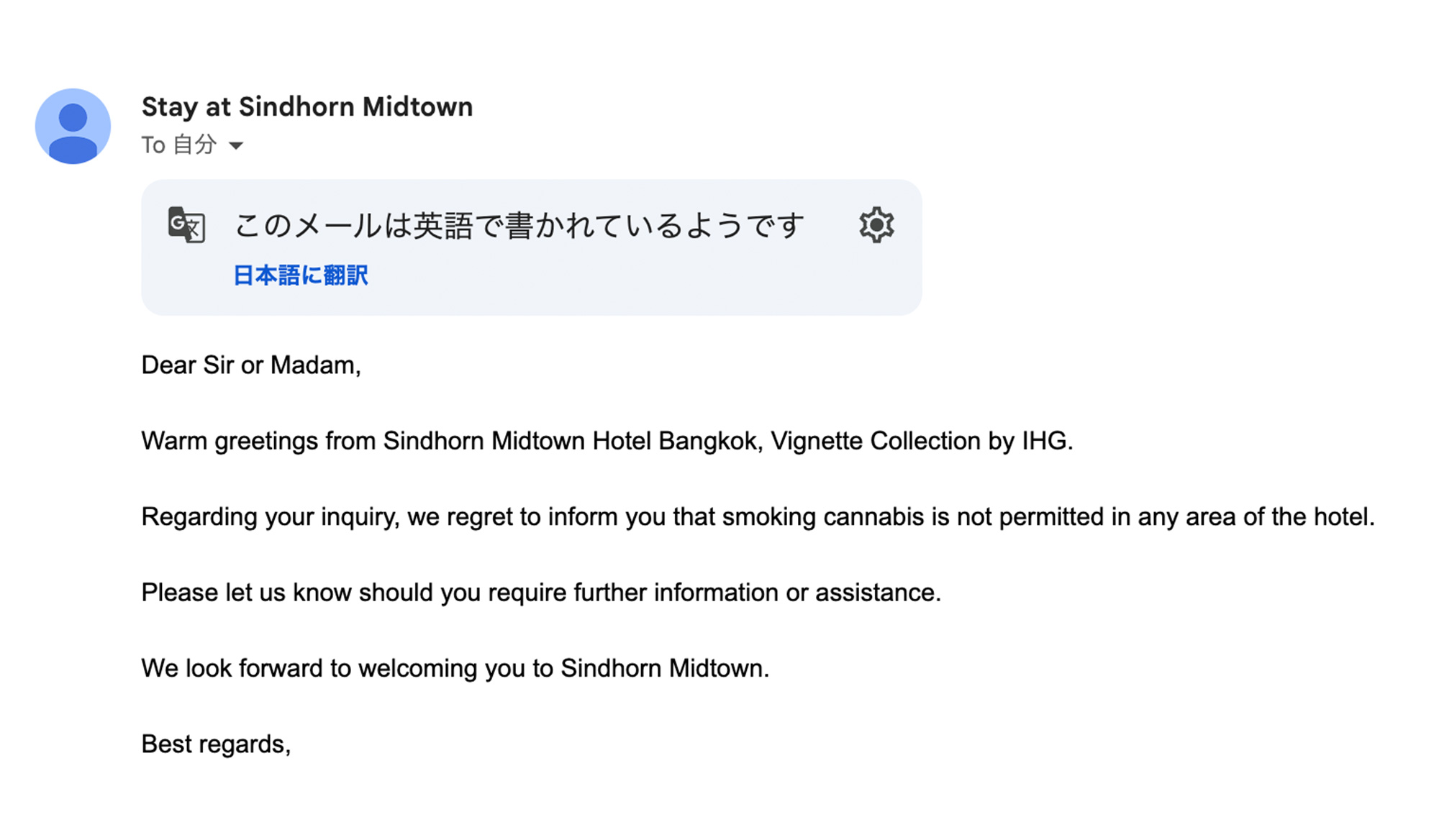
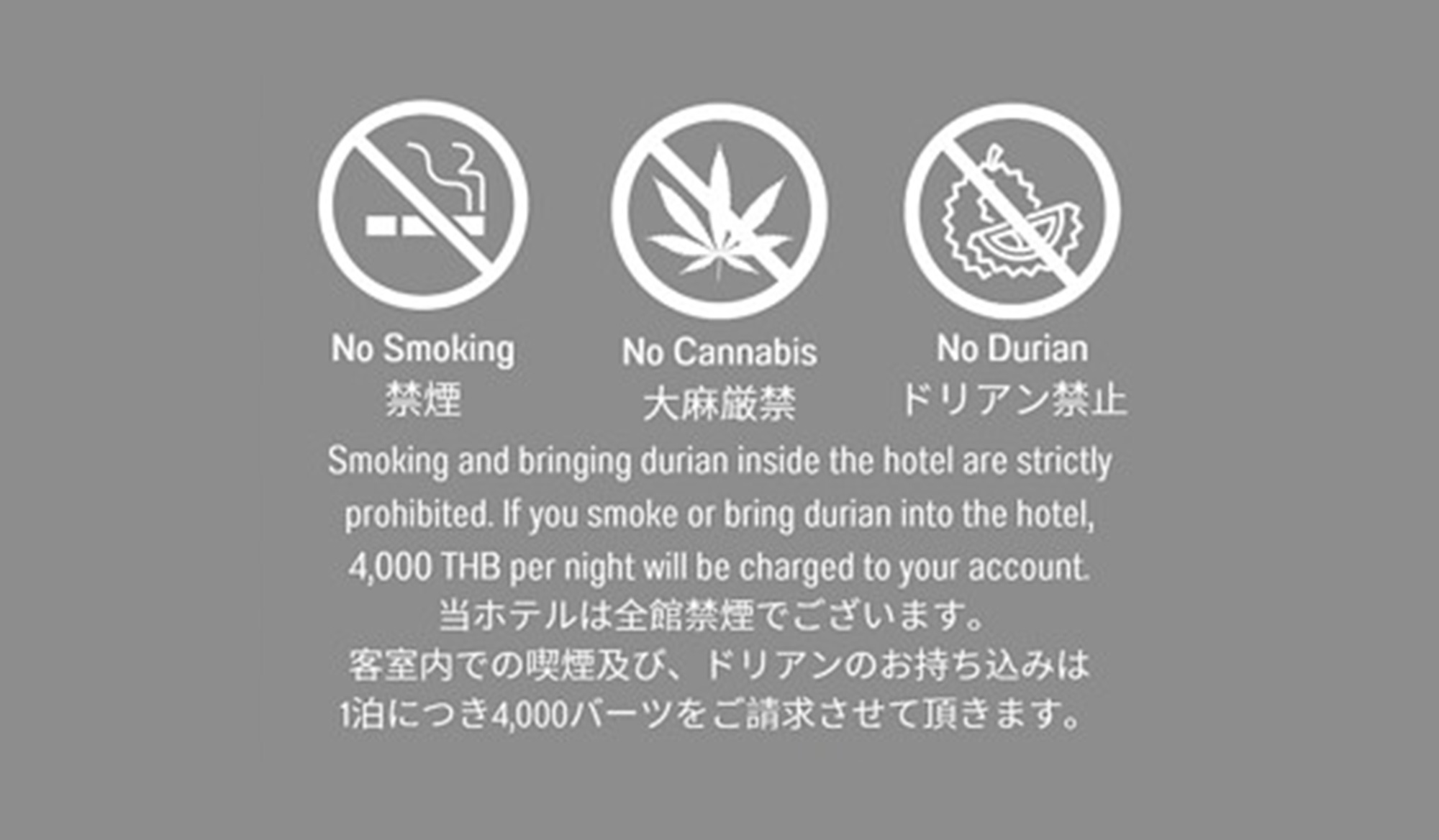
Although cannabis is legal in Thailand, most hotels enforce their own internal policies. Some properties prohibit all in-room smoking, while others may allow use only in designated outdoor areas. Certain hotels strictly limit smoking to official smoking zones. Assuming that legalization automatically means full permission is a common mistake. Many problems occur when guests fail to verify hotel-specific rules in advance. For a smooth and comfortable stay, it is essential to prioritize individual hotel policies over general legal assumptions
4: Best 420-Friendly Hotels in Bangkok (Cannabis-Friendly Stays)
| Hotel | Approx. Price / Night (THB) | Location | Balcony | Book |
|---|---|---|---|---|
| Rent V38 | Approx. 1,500–2,000 THB | North Bangkok (near Chatuchak) | Yes (spacious) | |
| Live Local Cafe & Hotel | Approx. 1,200–1,800 THB | Bangkok Old Town | Yes (selected rooms) | |
| Grande Centre Point Hotel Ratchadamri | Approx. 3,000–4,500 THB | Central Bangkok (Ratchadamri) | Yes (most rooms) | |
| The Quarter Ari by UHG | Approx. 2,200–3,200 THB | North Bangkok (Ari) | Yes (most rooms) | |
| Anantara Riverside Bangkok Resort | Approx. 4,500–7,000 THB | Chao Phraya Riverside | Yes (many large balconies) | |
| Ibis Bangkok Sathorn | Approx. 1,000–1,800 THB | Central Bangkok (Sathorn) | No (designated smoking area available) |
Bangkok offers one of the largest hotel selections in Thailand, but not all “420-friendly” stays provide the same level of comfort or practicality. The key is not simply whether cannabis use is tolerated, but whether the hotel offers clear smoking policies, usable outdoor spaces, and a calm surrounding environment. Based on structural design and real-world stay experience, the following hotels provide a more reliable and stress-free experience for cannabis travelers.
① Rent V38: The Most Reliable 420-Friendly Hotel in Bangkok
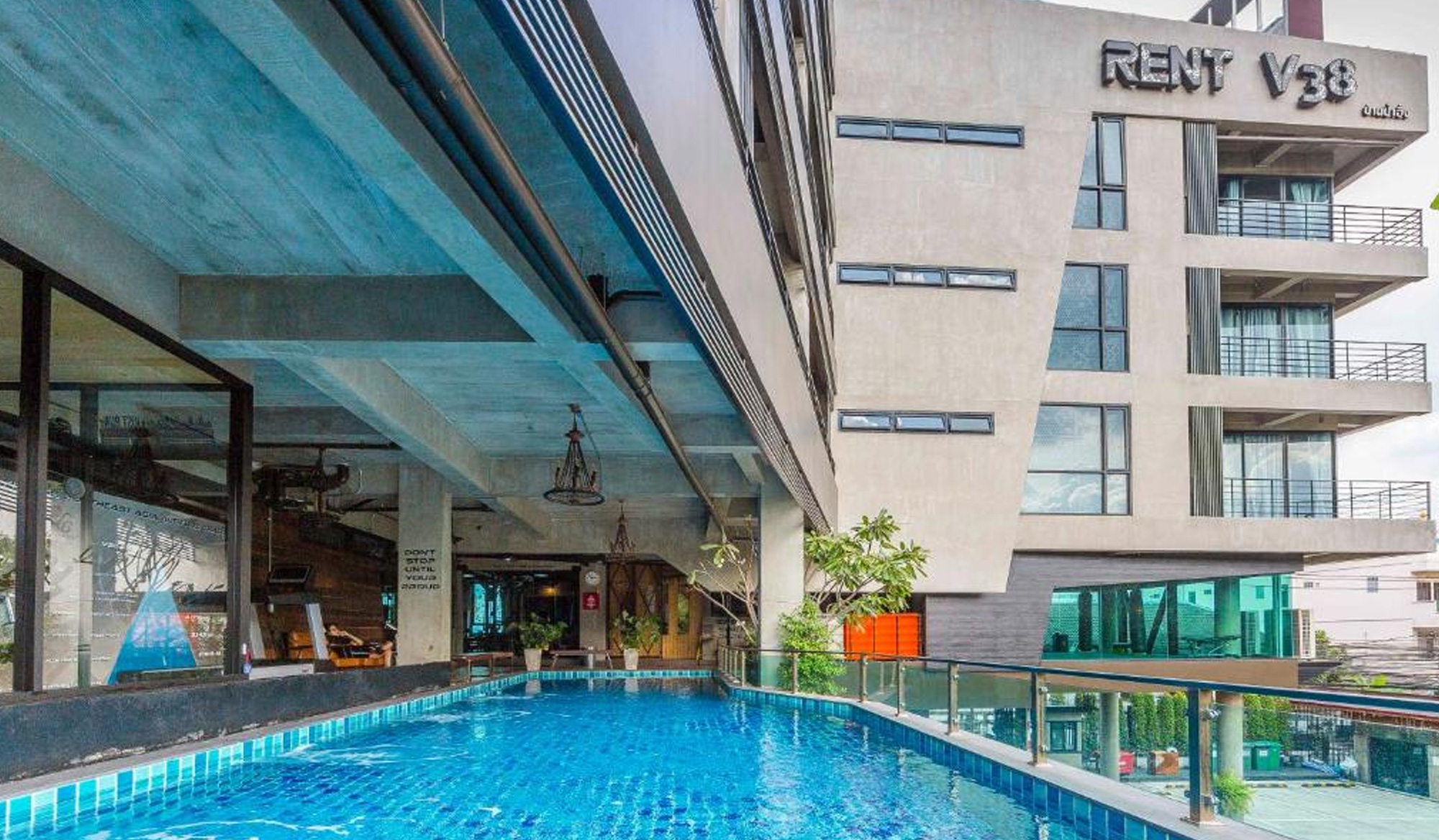
- After staying here myself, I found it to be one of the most comfortable hotels — there’s no stress about where you can smoke.
- The staff are familiar with 420 culture, so you can relax and enjoy your stay without any awkwardness.
- Located in a quiet residential area, it’s the perfect environment for a slow walk after smoking.
Rent V38 is widely recognized as one of the most cannabis-friendly hotels in Bangkok. Clear outdoor areas and straightforward policies reduce confusion and make it easier to relax without unnecessary stress.
Rent V38 Location & Surrounding Area
Located in a quieter residential zone, the area avoids heavy nightlife crowds. Foot traffic is moderate, making it suitable for travelers who prefer a calm environment after using cannabis.
Rent V38 Hotel Overview
Rooms are spacious, and many include balconies that allow airflow. Shared spaces are organized and policies are clearly communicated. If safety and clarity are your top priorities, Rent V38 stands out as one of the strongest options in Bangkok.
② Live Local Cafe & Hotel: A True Cannabis-Friendly Hidden Retreat
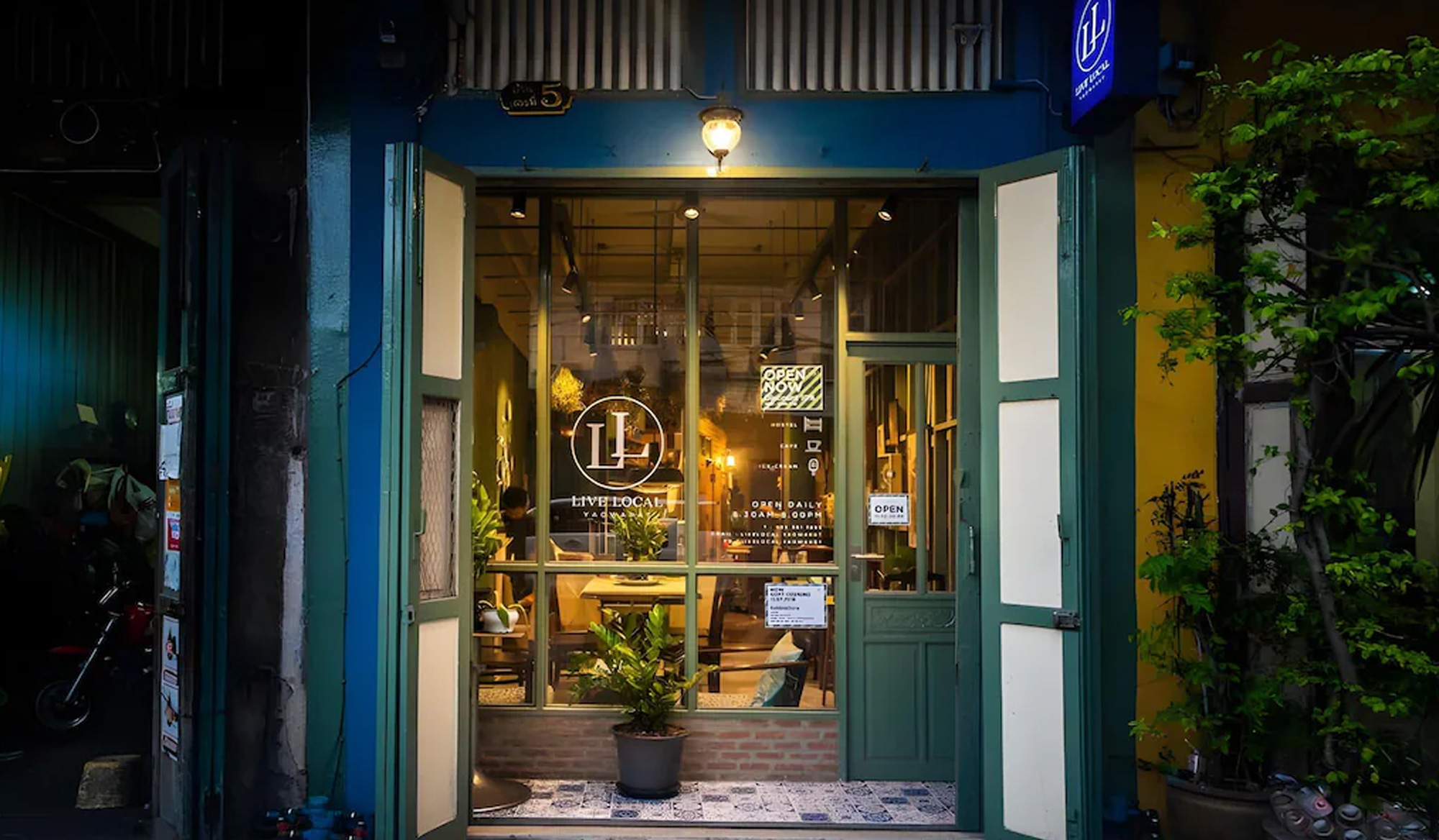
- When I stayed here, I immediately felt reassured knowing I was at a place that understands the culture from the start — even first-time visitors can feel completely at ease.
- The staff are exceptionally kind and naturally accommodating toward 420 culture, allowing you to relax without feeling self-conscious.
- Located in a quiet, local neighborhood, it offers a calm atmosphere — perfect for a slow walk after smoking.
Live Local Cafe & Hotel offers a relaxed and welcoming atmosphere. The approachable staff and small-scale property design create a comfortable setting for travelers.
Live Local Cafe & Hotel Location & Surrounding Area
The neighborhood features local cafés and smaller businesses rather than intense nightlife. It provides a quieter alternative to tourist-heavy districts.
Live Local Cafe & Hotel Overview
Although compact, the hotel provides practical outdoor areas and manageable policies. Its friendly environment makes it suitable for solo travelers and first-time cannabis visitors.
③ Grande Centre Point Hotel Ratchadamri: Luxury Stay with Practical 420 Comfort
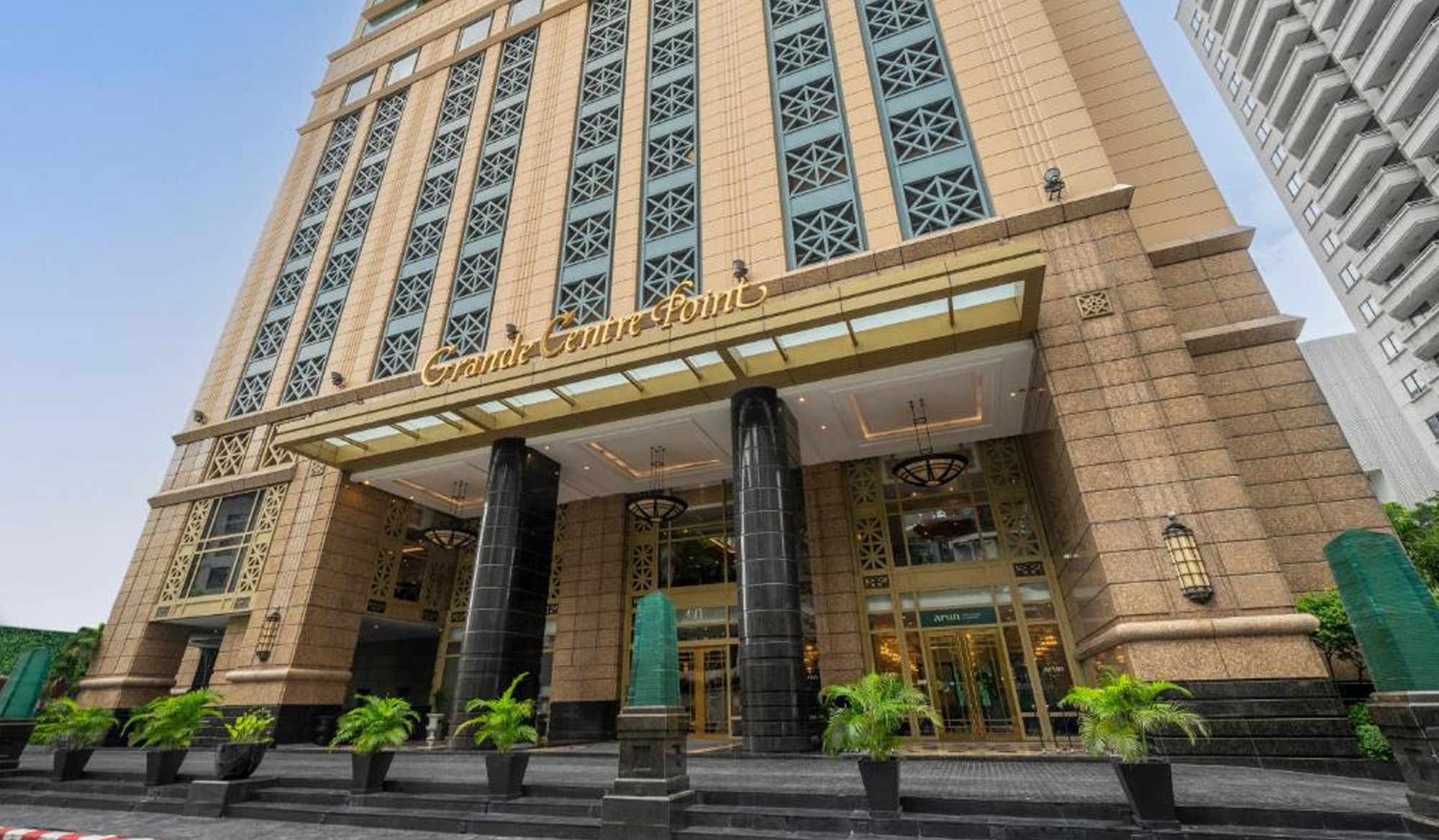
- For a luxury hotel, it’s rare to find this level of peace of mind — I never felt stressed about where I could smoke during my stay.
- The combination of attentive staff, strong security, and a quiet atmosphere creates a setting where even first-time visitors can feel mentally at ease.
- Located in a safe and calm central area, it’s easy to walk around at night — even after smoking, you can step outside with confidence.
Located in central Ratchadamri, this upscale property combines convenience with structure. It is ideal for travelers who want premium accommodation without sacrificing practicality.
Grande Centre Point Ratchadamri Location & Surrounding Area
Close to BTS stations, shopping centers, and parks, the area is well-developed and generally secure. Urban convenience is a major advantage.
Grande Centre Point Hotel Ratchadamri Overview
While it is a high-rise hotel, certain room types include balconies and spacious layouts. This option balances luxury with manageable comfort for cannabis-conscious travelers.
④ The Quarter Ari by UHG: Modern City Hotel with Balcony-Friendly Comfort
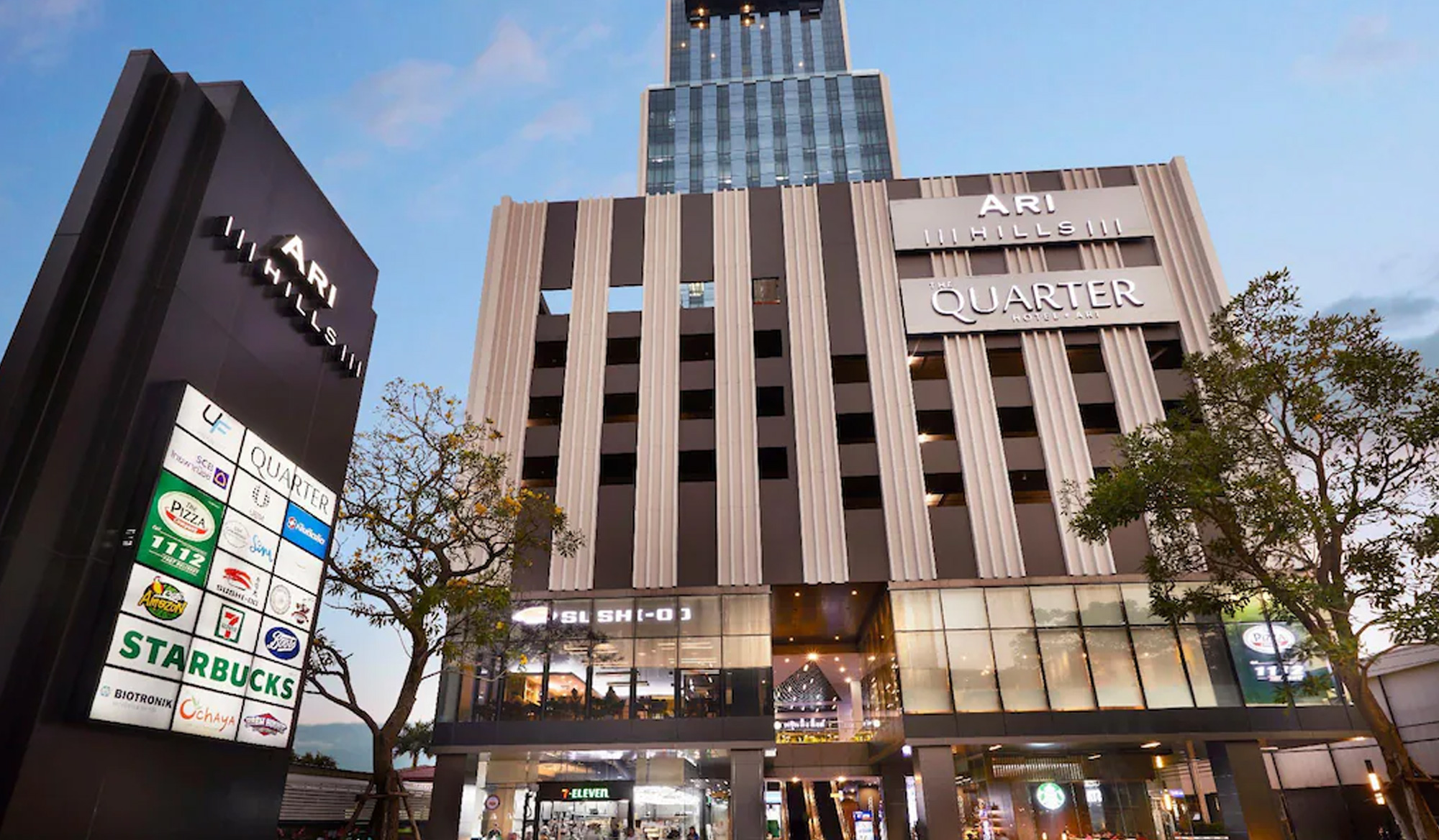
- From my own stay, I felt a strong sense of ease — it’s the kind of place where you can smoke naturally without feeling tense.
- Ari’s signature calm atmosphere makes it especially comfortable, even for first-time visitors.
- The balcony and outdoor areas are well-designed and practical, so you never have to second-guess where you can smoke.
Situated in the popular Ari district, this modern hotel blends urban style with a calmer neighborhood feel.
The Quarter Ari by UHG Location & Surrounding Area
Ari is known for its café culture and residential atmosphere. Compared to major nightlife zones, it remains quieter and more relaxed.
The Quarter Ari by UHG Overview
Rooms are clean and functional, with select balcony options available. A well-balanced choice for travelers seeking city access without excessive stimulation.
⑤ Anantara Riverside Bangkok Resort: Riverside Oasis for Relaxed 420 Time
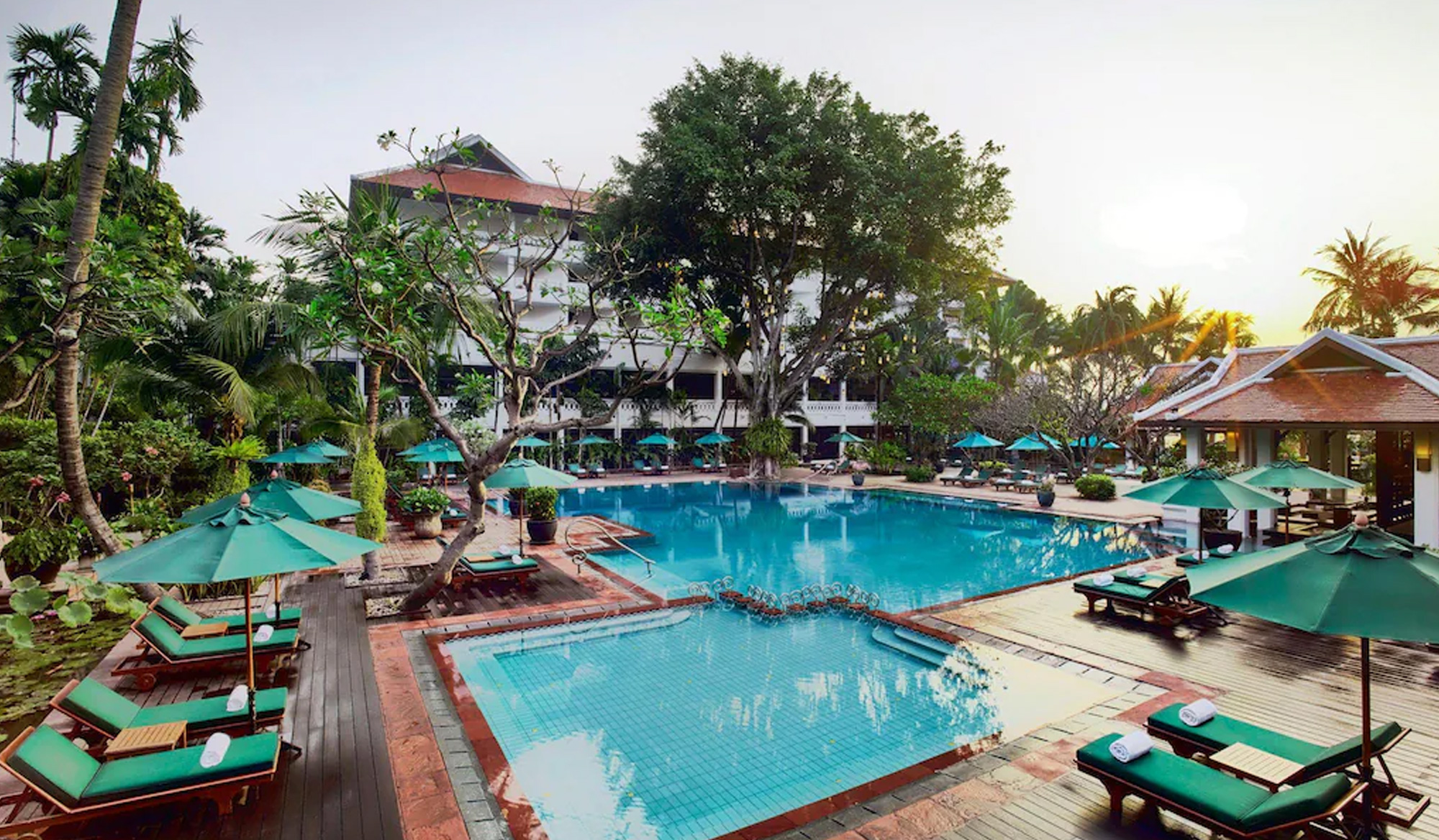
- The property is incredibly spacious, offering a sense of openness where you can truly unwind without worrying about others around you.
- With balconies, garden areas, and riverside spots, it’s easy to find a calm and comfortable place to smoke.
- The relaxed layout of the resort creates a slow, unhurried atmosphere — even first-time visitors are unlikely to feel overwhelmed.
This riverside resort provides a spacious layout rarely found in central Bangkok. The expansive property allows greater physical distance between guests.
Anantara Riverside Bangkok Resort Location & Surrounding Area
The Chao Phraya riverside offers a calmer atmosphere compared to downtown districts. Evening walks feel more relaxed and less crowded.
Anantara Riverside Bangkok Resort Overview
Gardens, terraces, and open views enhance airflow and privacy. An excellent option for travelers who prioritize relaxation and low-stimulation surroundings.
⑥ Ibis Bangkok Sathorn: Quiet Budget-Friendly Option with Smoking Area
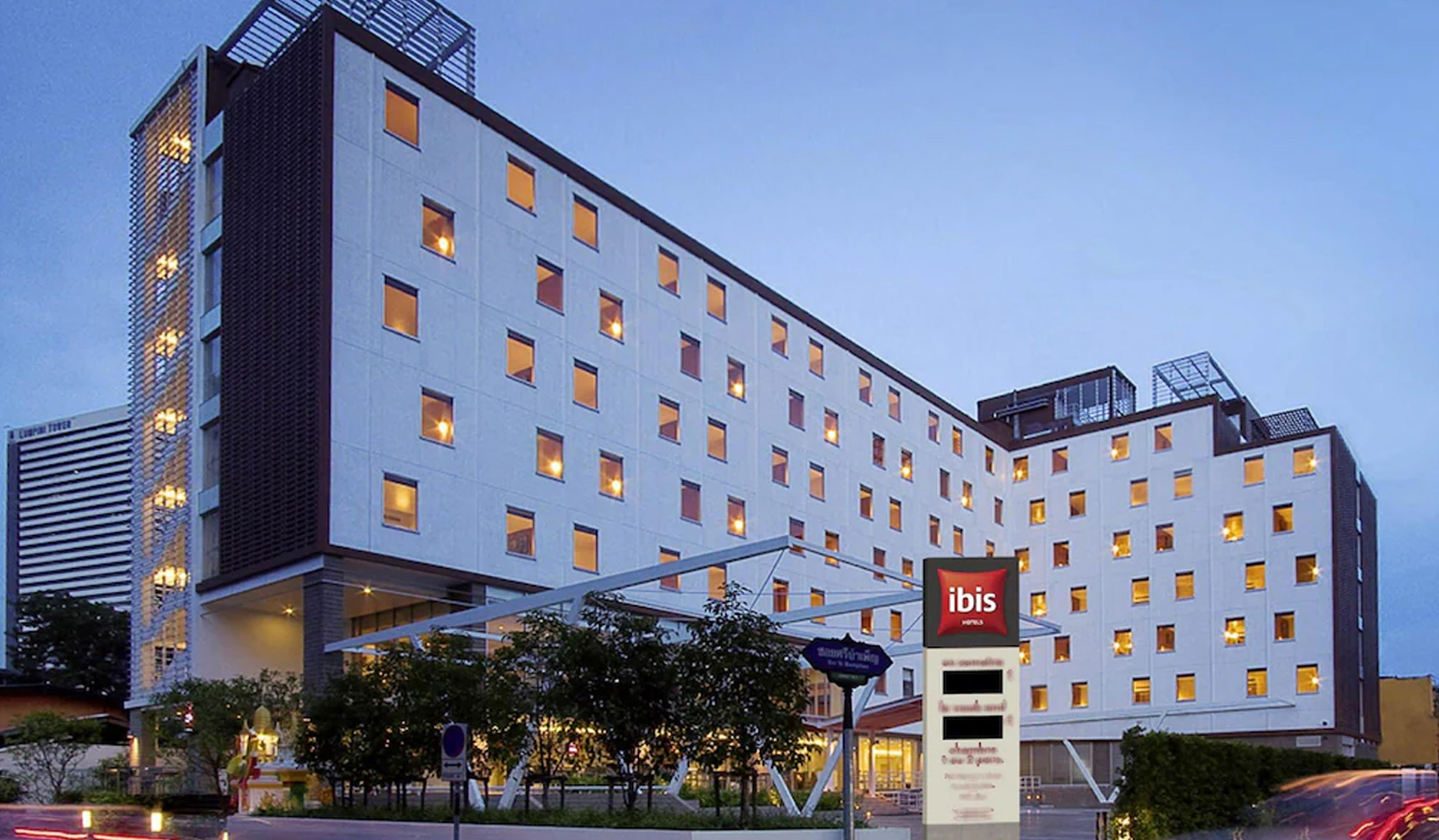
- The designated smoking areas on the property are spacious, so there’s little uncertainty about where you can smoke.
- Located in the quiet Sathorn district, it offers a calm setting that’s comfortable even for first-time visitors.
- Despite its budget-friendly pricing, the hotel is clean and comfortable — making it a practical base for your stay.
For budget-conscious travelers, Ibis Bangkok Sathorn offers a practical and structured stay without unnecessary luxury.
Ibis Bangkok Sathorn Location & Surrounding Area
Sathorn is a business-oriented district that becomes relatively quiet at night. It offers distance from heavy nightlife areas.
Ibis Bangkok Sathorn Overview
Clear smoking areas and simple operational rules make expectations easy to understand. A solid choice for travelers who prioritize cost efficiency and clarity.
5: Best 420-Friendly Hotels in Pattaya (Cannabis-Friendly Resorts)
| Hotel | Approx. Price / Night (THB) | Location | Balcony | Book |
|---|---|---|---|---|
| Zing Resort & Spa | Approx. 1,000–1,500 THB | South Pattaya (Jomtien) | Yes (most rooms) | |
| Rabbit Resort Pattaya | Approx. 2,500–3,500 THB | Jomtien Beachfront | Villa-style (semi-outdoor spaces) | |
| The Monttra Pattaya | Approx. 4,000–5,500 THB | South Pattaya (Pratumnak) | Yes (private terraces) | |
| The Grass Serviced Suites by At Mind | Approx. 1,200–1,800 THB | South Pattaya | Yes (selected rooms) | |
| The Agate Pattaya Boutique Resort | Approx. 2,000–3,000 THB | South Pattaya (near Jomtien) | Yes (most rooms) |
Pattaya differs from Bangkok in that many properties are resort-style with more open layouts and outdoor space. Structural design and usable outdoor areas directly affect how comfortable and practical a stay will be for cannabis-conscious travelers. Especially in Jomtien and beachfront zones, hotels often provide more physical distance between guests, making them naturally suited for a relaxed atmosphere. The following selections focus on structural comfort, surrounding environment, and overall reliability.
① Zing Resort & Spa: Jomtien’s Most Cannabis-Friendly Hotel
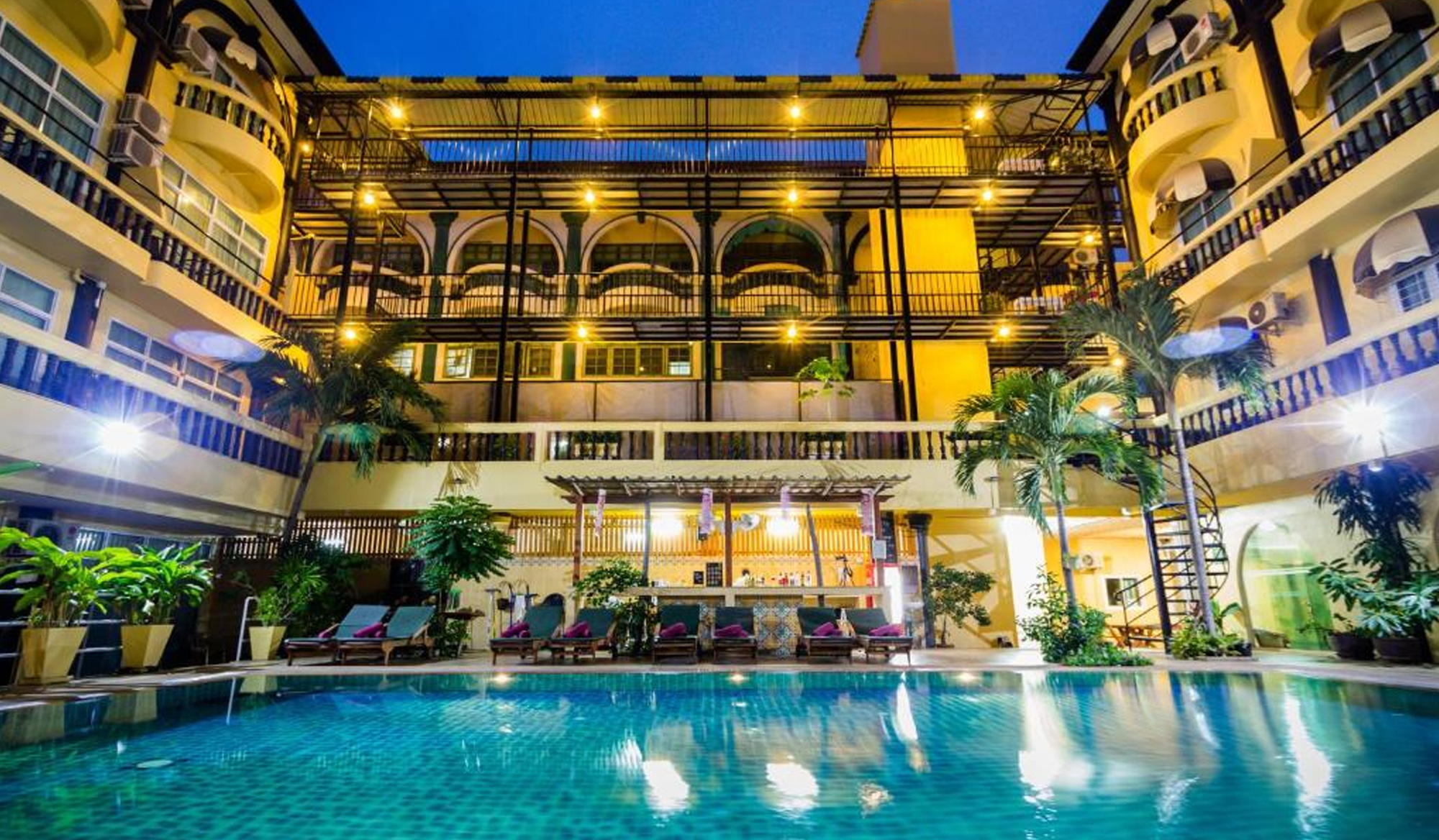
- With multiple smoking-friendly areas on the property, there’s strong peace of mind — you won’t have to wonder where you can smoke.
- The staff are understanding and accommodating, so even first-time visitors can relax without any awkwardness.
- Quiet Jomtien makes it easy to take a calm walk afterward, creating a comfortable and laid-back atmosphere.
Zing Resort & Spa is one of the most consistently recommended cannabis-friendly hotels in Pattaya. Its open layout and clearly defined outdoor spaces reduce confusion and make policies easier to follow.
Zing Resort & Spa Location & Surrounding Area
Located in Jomtien, the area is calmer than central Pattaya nightlife districts. The beach is nearby, and evening foot traffic remains moderate. It is well-suited for travelers who prefer a quieter environment.
Zing Resort & Spa Overview
The property features a courtyard-style layout that promotes airflow and separation. Policies are straightforward and expectations are clear. A strong choice for travelers seeking clarity and low-stress comfort in Pattaya.
② Rabbit Resort Pattaya: Quiet Adult-Oriented Resort for Discreet 420 Stays
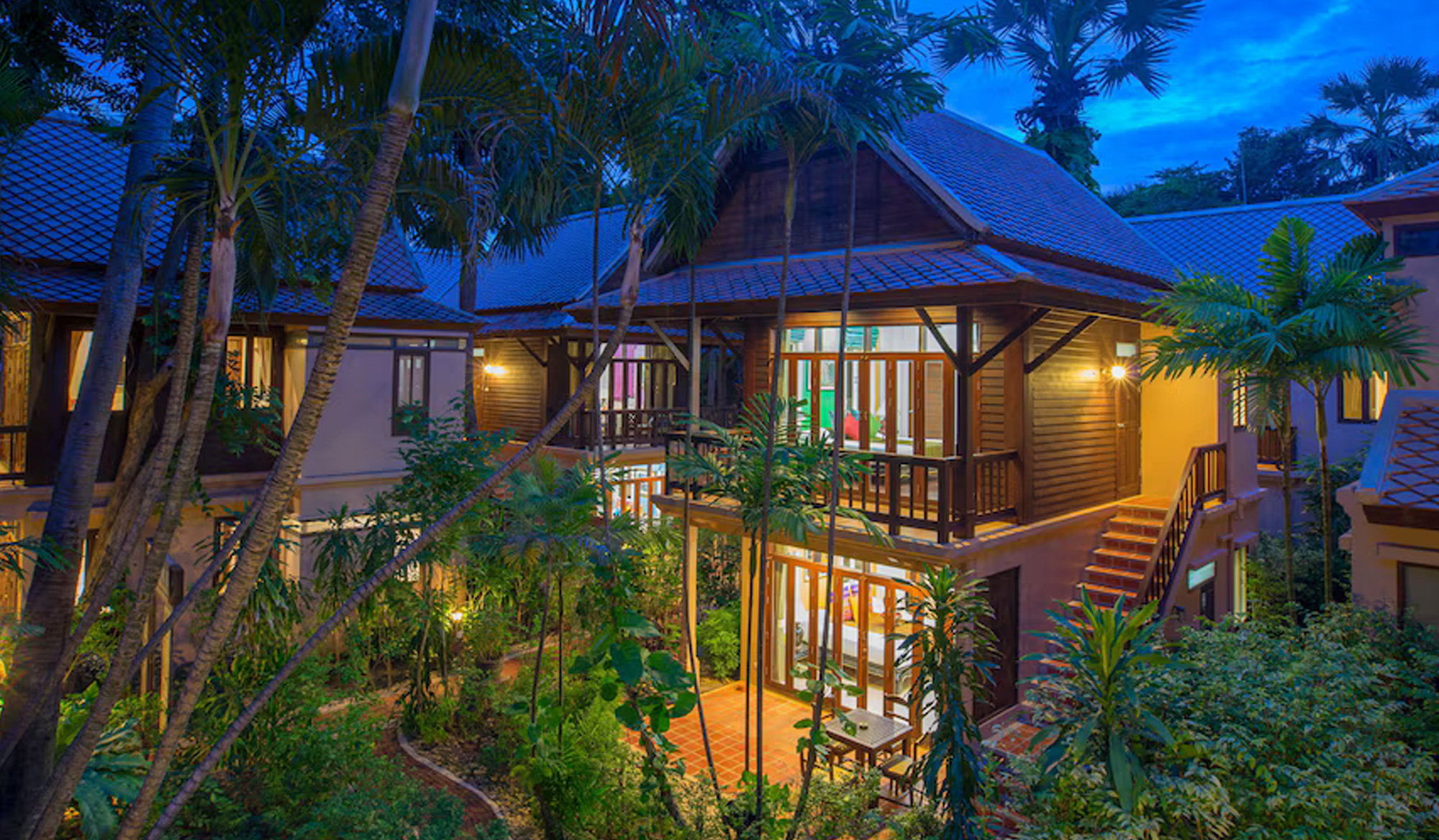
- The standalone wooden villas offer a strong sense of privacy, making it easy to unwind without worrying about others around you.
- Located along a quiet stretch of beach away from the city center, the environment feels calm and low-stimulus — comfortable even for first-time visitors.
- The sea breeze in the late afternoon and evening is especially refreshing, and the beachfront setting makes it perfect for a relaxed walk afterward.
Rabbit Resort Pattaya offers a tree-lined, tranquil atmosphere near the beach. While close to the ocean, the property itself feels private and removed from heavy nightlife activity.
Rabbit Resort Pattaya Location & Surrounding Area
Situated along Jomtien Beach, it remains at a distance from the busiest nightlife zones. Evenings are generally calm, supporting a relaxed pace.
Rabbit Resort Pattaya Overview
Many rooms are villa-style, allowing physical space between units. Ideal for travelers who prioritize discretion and privacy during their stay.
③ The Monttra Pattaya: Private Forest & Sea Chill Resort
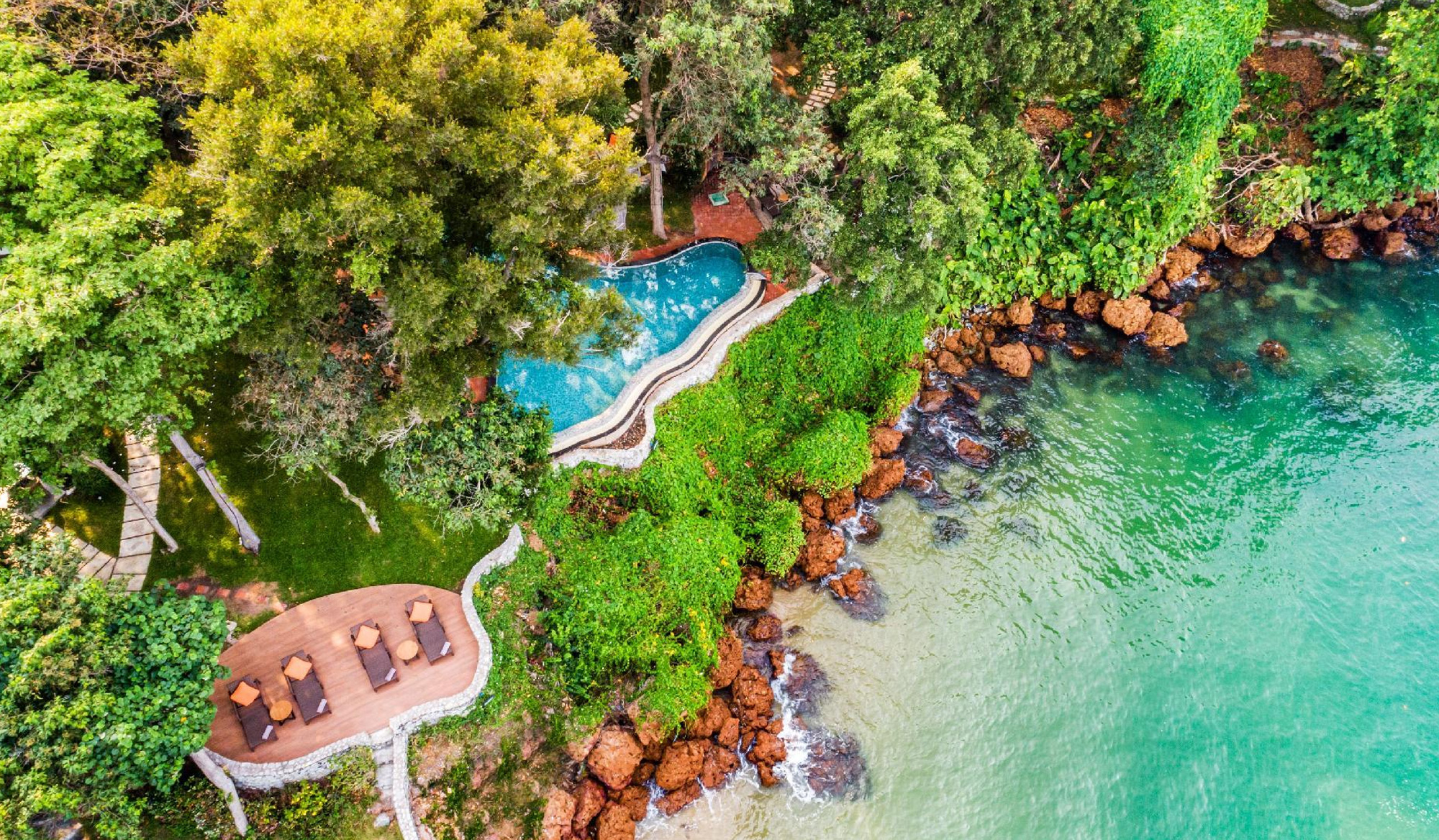
- The standalone villas provide an exceptional level of privacy, with virtually no concern about being overlooked.
- Surrounded by forest and sea, the peaceful setting makes it easy to stay grounded and relaxed — even after smoking.
- With fewer people around, the atmosphere feels calm and reassuring, making it comfortable even for first-time visitors.
The Monttra Pattaya sits slightly outside the central tourist core, offering hillside views and a more secluded atmosphere.
The Monttra Pattaya Location & Surrounding Area
The surrounding neighborhood is quieter and less commercialized. It allows guests to avoid intense nightlife stimulation while remaining accessible.
The Monttra Pattaya Overview
With fewer rooms and generous spacing, the resort provides a naturally calm setting. Best suited for travelers who want a quiet, nature-oriented 420 experience.
④ The Grass Serviced Suites by At Mind: Best Value Long-Stay Suites
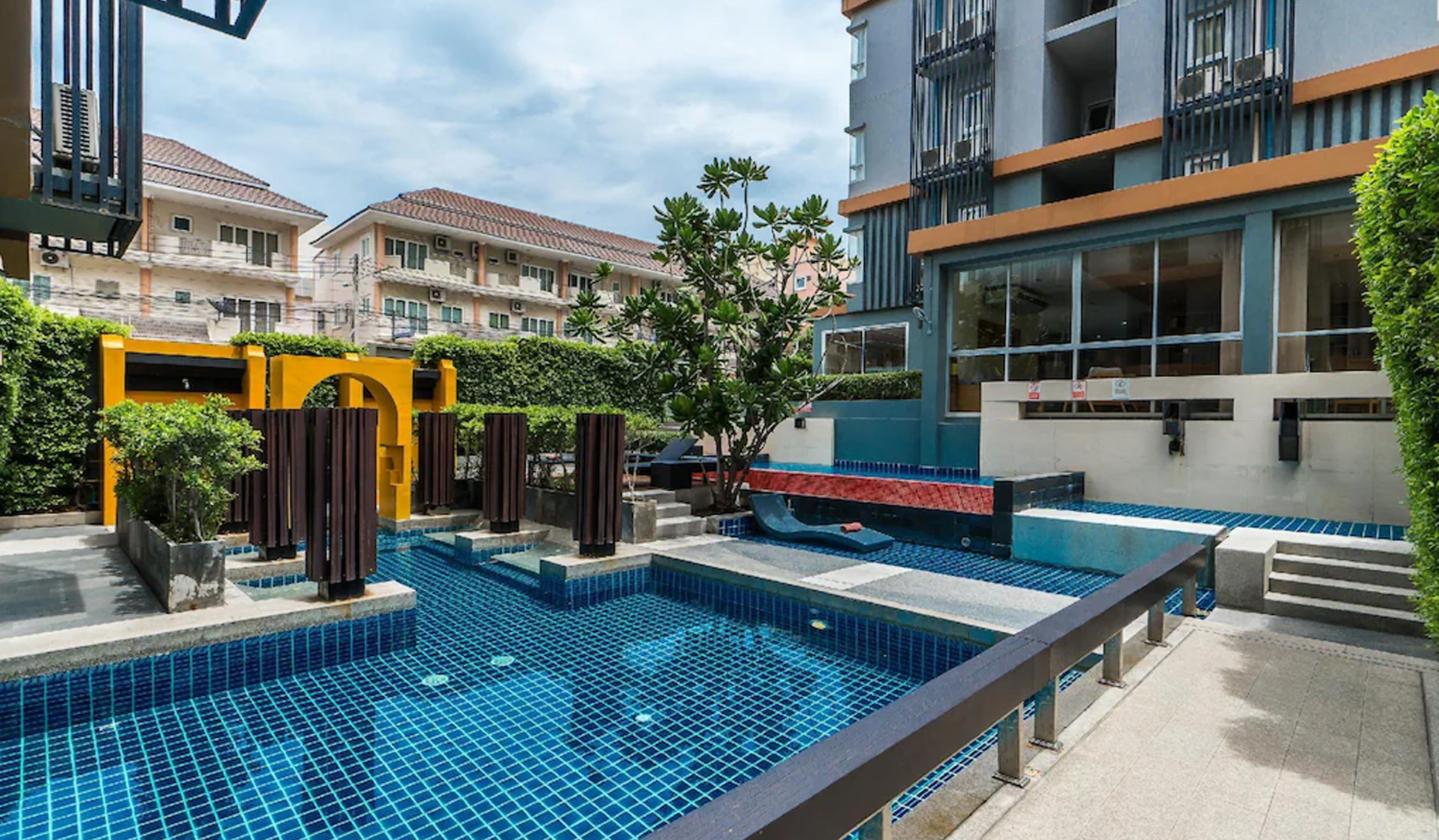
- All rooms are suite-style, offering space and comfort that feel exceptional for the 1,000 THB range.
- With balconies and designated smoking areas available, there’s reassuring clarity about where you can smoke.
- Set in a quiet residential neighborhood, it’s easy to settle in and feel comfortable — even for first-time visitors or long-term stays.
The Grass Serviced Suites caters to travelers seeking affordability and functionality. It balances cost-efficiency with practical layout.
The Grass Serviced Suites Location & Surrounding Area
Conveniently located with access to central Pattaya, the area offers a balance between nightlife access and residential calm.
The Grass Serviced Suites by At Mind Overview
Many units include balconies, improving airflow and usability. A practical choice for long stays or budget-conscious cannabis travelers.
⑤ The Agate Pattaya Boutique Resort: Elegant & Quiet Cannabis-Friendly Stay
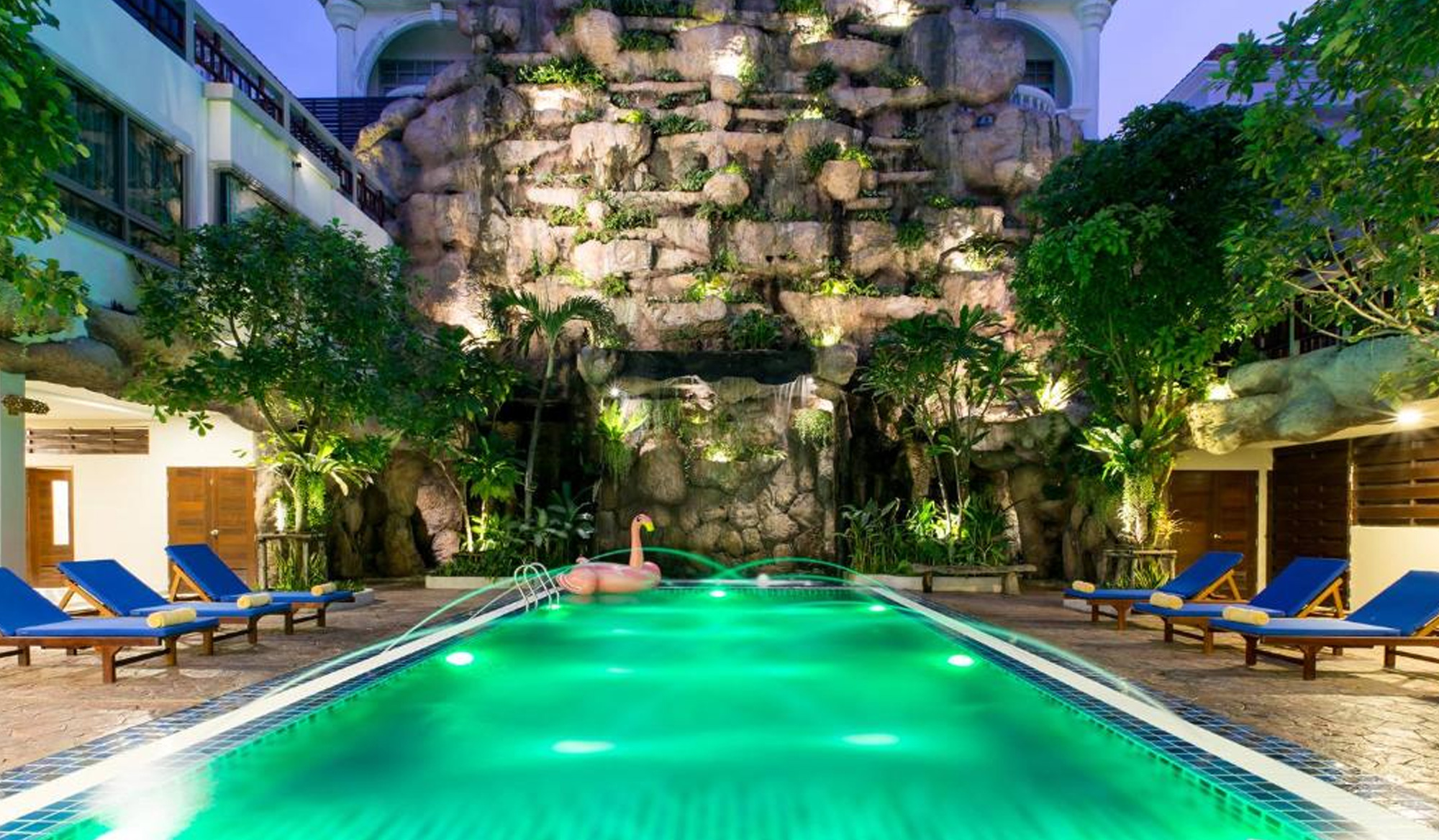
- An elegant hotel that pairs perfectly with travelers seeking quiet and composure in their 420-friendly stay.
- Spacious rooms and balconies in nearly every unit help keep the air open and comfortable.
- The atmosphere remains calm in the evening, making it easy to unwind with confidence after smoking.
The Agate Pattaya Boutique Resort provides a smaller-scale, refined atmosphere compared to large chain properties.
The Agate Pattaya Boutique Resort Location & Surrounding Area
Located in Jomtien, it offers beach proximity while remaining less chaotic than central Pattaya.
The Agate Pattaya Boutique Resort Overview
Room spacing and overall layout avoid excessive density. Well-suited for travelers who value elegance, calm surroundings, and structured comfort.
6: Best 420-Friendly Hotels in Phuket (Cannabis-Friendly Beach Resorts)
| Hotel | Approx. Price / Night (THB) | Location | Balcony | Book |
|---|---|---|---|---|
| Kudo Hotel & Beach Club | Approx. 3,000–6,000 THB | Phuket (direct access to Patong Beach) | Yes (balconies in most rooms) |
Phuket is known for its beachfront resorts and open-air layouts, which naturally create better airflow compared to high-rise city hotels. Structural design plays a major role in overall comfort, especially for cannabis-conscious travelers. Properties near the beach often provide wider outdoor spaces and stronger natural ventilation. However, busy tourist zones still require attention to surroundings. The following selection focuses on open-air design, practical usability, and balanced location to support a smoother stay.
① Kudo Hotel & Beach Club: Beachfront Stay with Open-Air Comfort
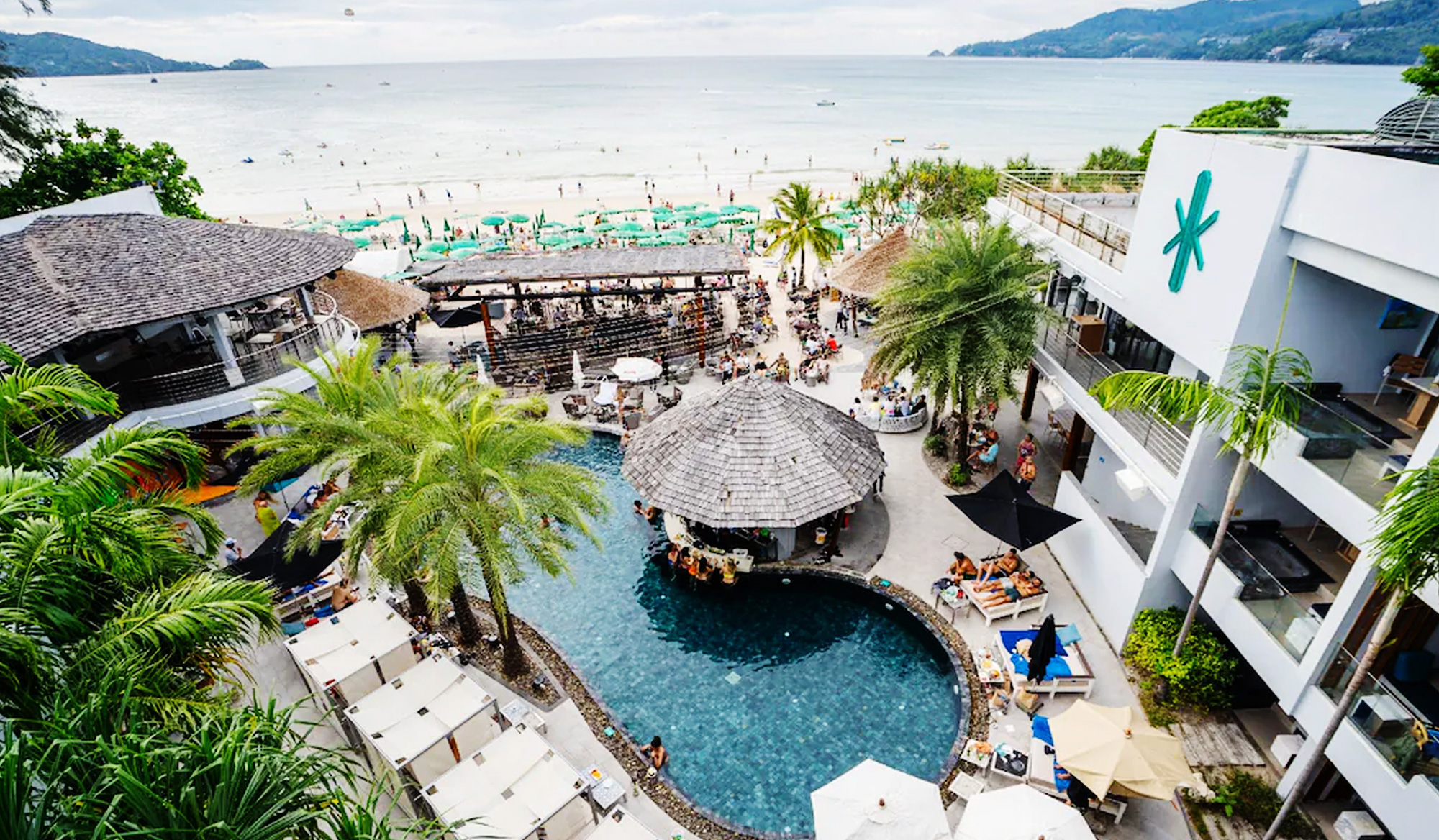
- Right on the beachfront and directly connected to a beach club, it offers an open and breezy setting that complements a relaxed 420-friendly stay.
- Even in a lively area, the surroundings feel walkable and well-lit, making it comfortable to move around — even for first-time visitors.
- After smoking, you can step straight into the sea breeze, creating an easy transition back into a balanced and refreshed mood.
Kudo Hotel & Beach Club is a beachfront property located along Patong Beach. Its open layout and direct access to the ocean create constant airflow, reducing the feeling of enclosed space common in city hotels. Compared to tower-style buildings, this design emphasizes openness and natural ventilation. For travelers who prioritize fresh air and beachside relaxation, this structure offers a practical advantage.
Kudo Hotel & Beach Club Location & Surrounding Area
Patong is one of Phuket’s most active areas, but the beachfront side maintains wide sightlines and steady sea breezes. While nightlife districts nearby can become lively, the ocean-facing environment feels more spacious and less confined. Restaurants, cafés, and convenience stores are within walking distance, making daily movement easy.
Kudo Hotel & Beach Club Overview
Many rooms include balconies, and the property is designed around outdoor flow rather than enclosed corridors. The attached beach club reinforces the open-air atmosphere. A suitable option for travelers seeking a beachfront 420-friendly experience with strong natural ventilation and easy access to amenities.
7: Best 420-Friendly Hotels in Chiang Mai (Cannabis-Friendly Stays)
| Hotel | Approx. Price / Night (THB) | Location | Balcony | Book |
|---|---|---|---|---|
| Blue Dream Hotel (Chiang Mai) | Approx. 1,000–1,800 THB | Chiang Mai Old Town (near Tha Phae Gate) | Yes (balconies in most rooms) | |
| Anantara Chiang Mai Resort | Approx. 7,000–15,000 THB | Chiang Mai (Ping River, near Night Bazaar) | Yes (all rooms with balconies) |
Chiang Mai offers a completely different atmosphere compared to Bangkok or Pattaya. Known for its slower pace, historic Old City, and surrounding nature, the city provides a calmer environment for cannabis-conscious travelers. Boutique-style accommodations dominate the area, meaning structural layout and neighborhood atmosphere directly affect overall comfort. The following selections emphasize quiet surroundings, practical design, and reliable management for a smoother stay.
① Blue Dream Hotel: Official 420 Hotel in the Old City
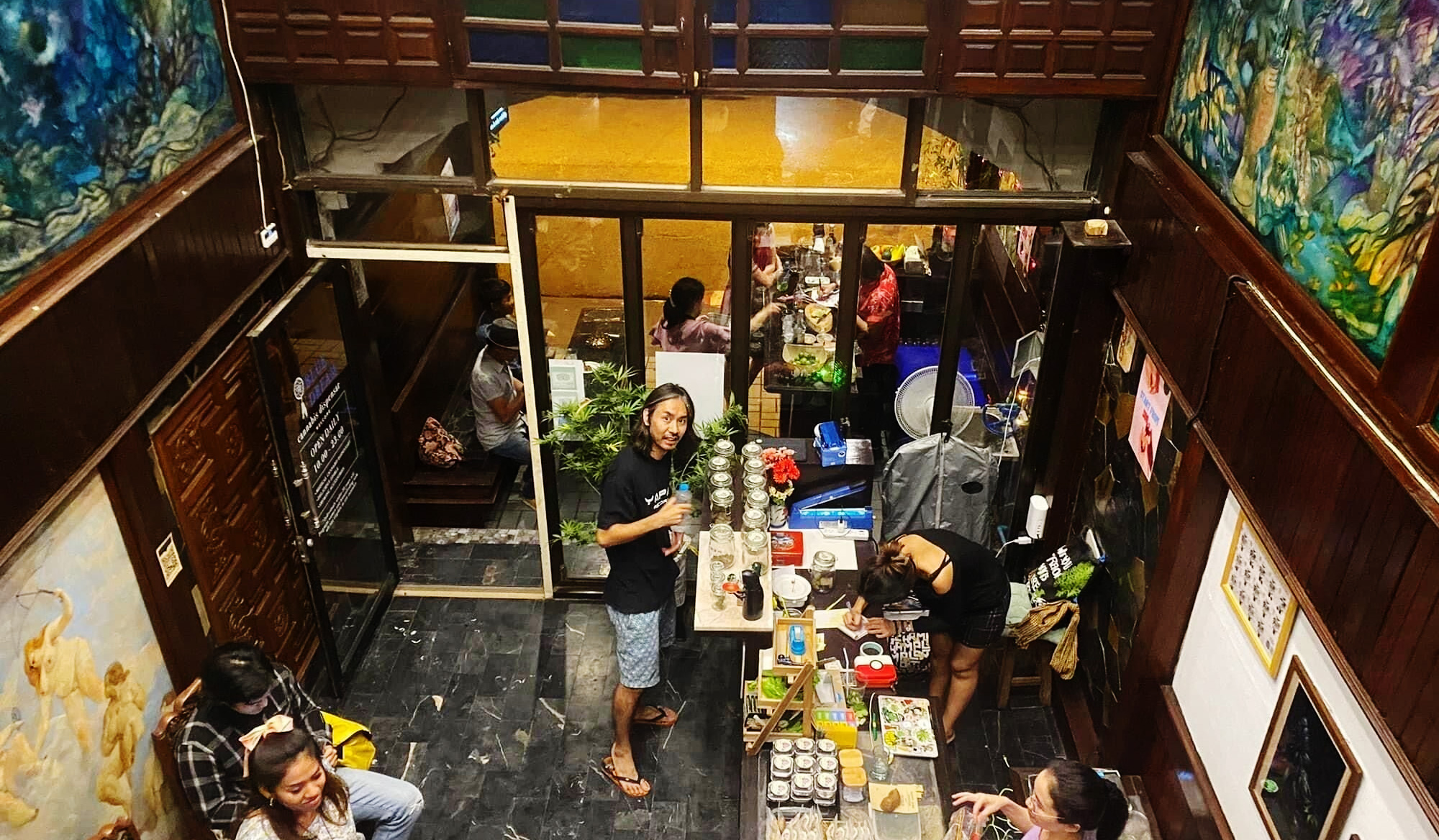
- Balconies in most rooms create an open-air structure that allows fresh airflow, offering reassuring comfort throughout your stay.
- A rare stay in Chiang Mai where you can experience cannabis-focused wellness treatments alongside a relaxed boutique atmosphere.
- Located near Tha Phae Gate in the Old Town, the calm surroundings provide an easy environment to unwind after smoking.
Blue Dream Hotel is recognized as one of Chiang Mai’s most openly cannabis-friendly properties. Its operational style shows clear understanding of cannabis use, with structured guidelines that reduce confusion and uncertainty for guests.
Blue Dream Hotel Location & Surrounding Area
Located inside the Old City, the neighborhood features temples, cafés, and walkable streets. Evenings remain relatively calm compared to nightlife-heavy districts in other cities. Restaurants and small shops are within walking distance without overwhelming stimulation.
Blue Dream Hotel Overview
The property is compact and easy to navigate, with clearly communicated usage expectations. A strong option for travelers who prioritize clarity and a genuinely cannabis-friendly atmosphere in Chiang Mai.
② Anantara Chiang Mai Resort: Riverside Luxury for Wellness-Focused Travelers
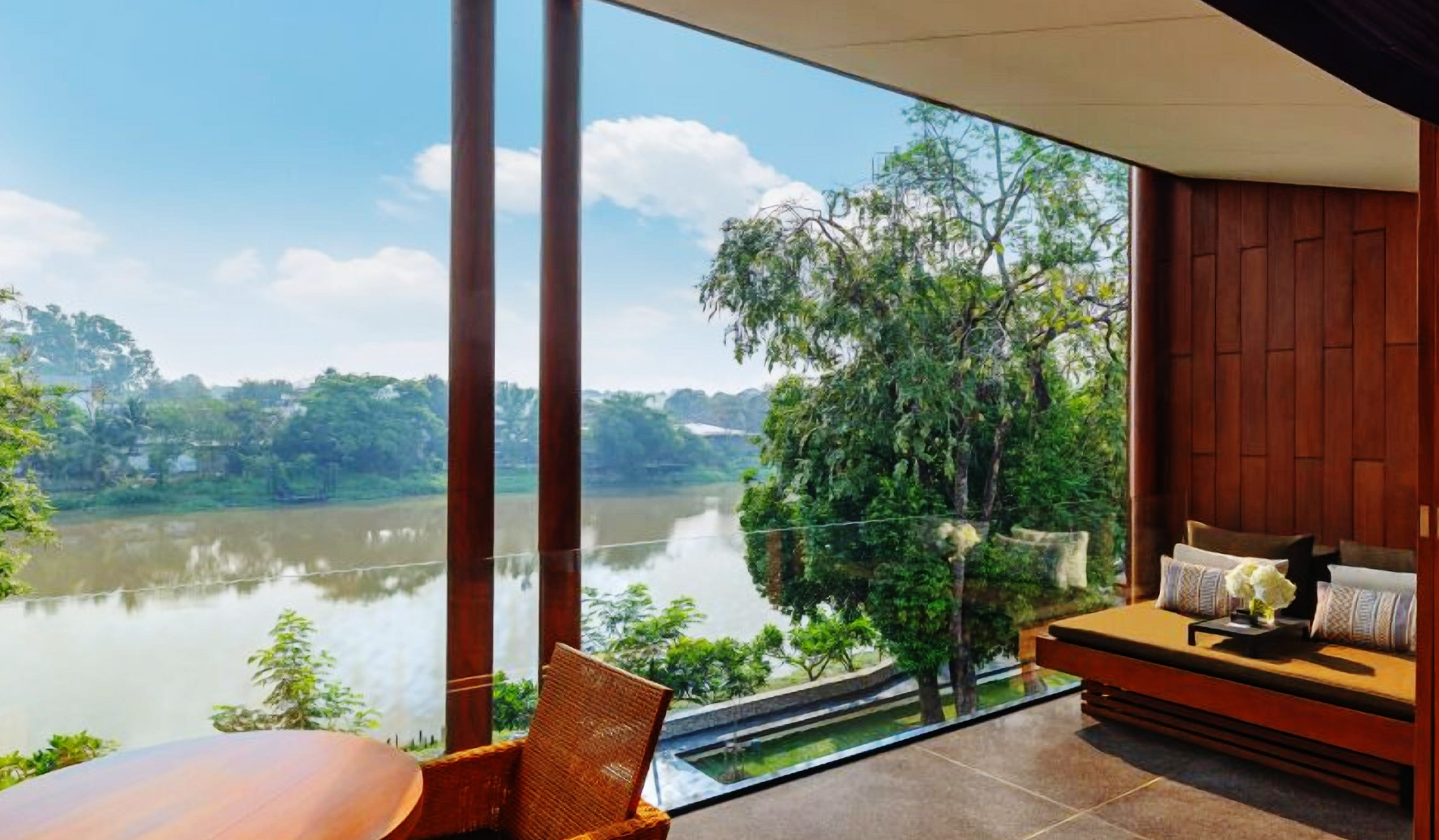
- All rooms feature private balconies, creating an open-air layout that allows natural airflow and a reassuring sense of comfort.
- A rare riverside resort where you can experience cannabis-integrated wellness treatments in a refined and elegant setting.
- The tranquil atmosphere along the Ping River provides an environment that makes it easy to settle and unwind after smoking.
Anantara Chiang Mai Resort sits along the Ping River and offers a spacious, resort-style environment rarely found within city limits. Its open design and landscaped grounds create a more relaxed setting.
Anantara Chiang Mai Resort Location & Surrounding Area
The riverside area feels quieter than the Old City and maintains a peaceful evening atmosphere. Walking paths and nearby cafés provide balanced access to both nature and urban convenience.
Anantara Chiang Mai Resort Overview
Rooms are generous in size, with terraces and outdoor spaces available in select categories. The property’s low-density layout enhances privacy and airflow. Ideal for travelers seeking a refined, wellness-oriented cannabis-friendly stay in Chiang Mai.
8: Best 420-Friendly Hotels in Koh Samui (Cannabis-Friendly Resorts)
| Hotel | Approx. Price / Night (THB) | Location | Balcony | Book |
|---|---|---|---|---|
| Avani+ Samui Resort | Approx. 4,000–8,000 THB | Koh Samui (quiet, private-feeling beachfront) | Yes (balconies or terraces in most rooms) | |
| Four Seasons Resort Koh Samui | Approx. 25,000–60,000 THB | Koh Samui (luxury villa area, northwest coast) | Yes (private pool & terrace in all villas) |
Koh Samui offers one of Thailand’s most naturally relaxed island environments. Unlike dense city hotels, most accommodations here are villa-style or low-rise resorts with generous spacing between buildings. Physical distance, airflow, and limited foot traffic significantly influence overall comfort for cannabis-conscious travelers. The following selections focus on privacy, natural ventilation, and calm surroundings to support a smoother and more peaceful stay.
① Avani+ Koh Samui: Quiet Beachfront 420-Friendly Resort
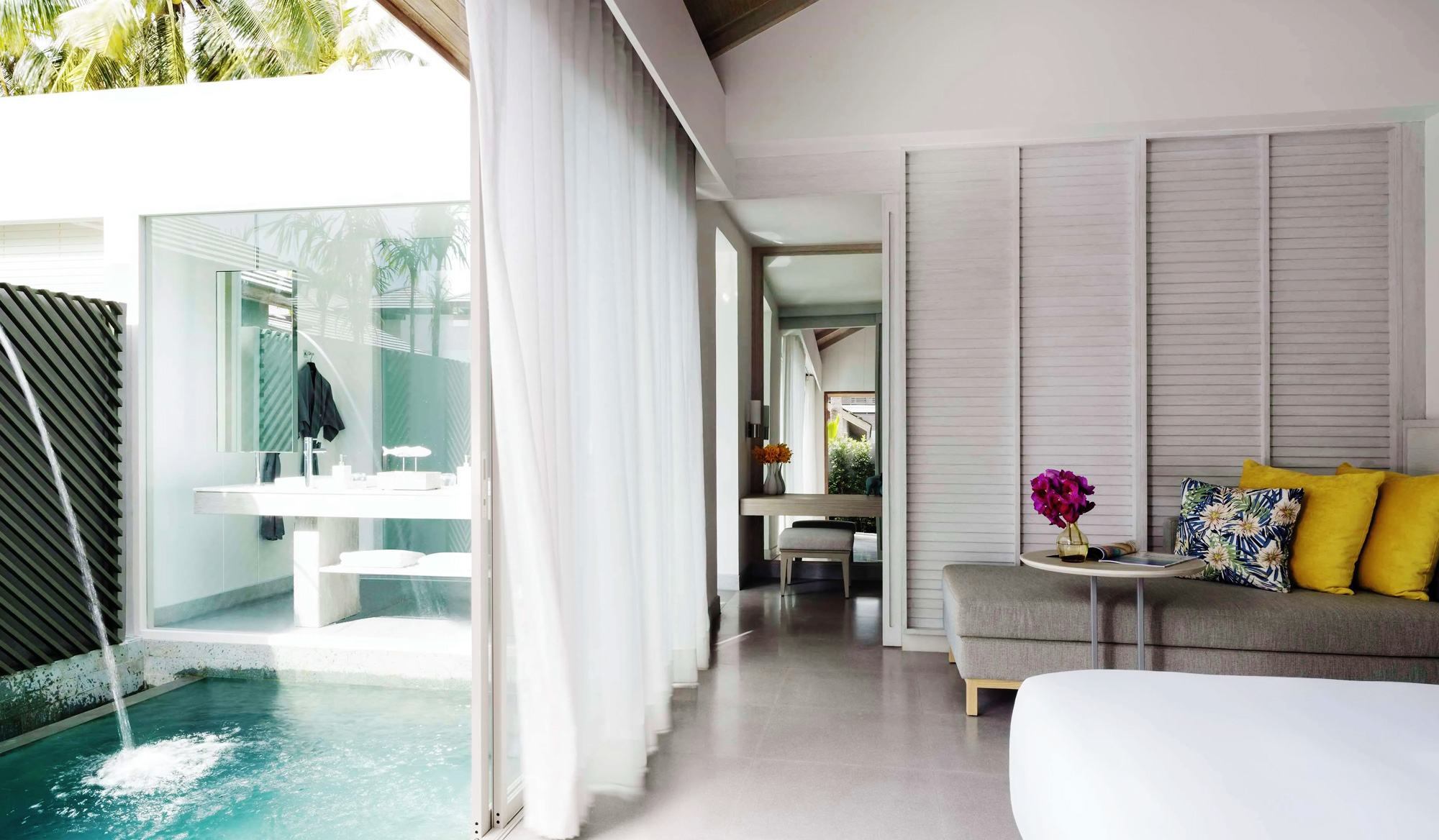
- Set along one of Koh Samui’s quietest beachfront areas, it allows you to avoid the crowds and fully slow down.
- The resort is known for its distinctive wellness spa, incorporating CBD and cannabis-inspired treatments.
- With a focus on private villas, the setting offers a relaxed environment where you can unwind without feeling observed.
Avani+ Koh Samui is located in one of the island’s quieter beachfront areas, away from the busiest nightlife zones. Surrounded by nature, the property maintains a slow-paced, relaxed atmosphere. Ideal for travelers who prefer minimal crowds and a private rhythm during their stay.
Avani+ Koh Samui Location & Surrounding Area
The surrounding neighborhood is a calm local beach zone rather than a nightlife hub. Ocean breezes are consistent, and walking paths along the shoreline provide a low-stimulation environment. Evenings remain peaceful, making it comfortable for solo travelers and beginners.
Avani+ Koh Samui Overview
Many accommodations include private pools or spacious terraces, enhancing airflow and separation between guests. Wellness-focused amenities further support relaxation. A suitable choice for those prioritizing quiet, nature, and open-air comfort in a 420-friendly Koh Samui resort.
② Four Seasons Resort Koh Samui: Ultra-Private Luxury Villas for Discreet 420 Relaxation
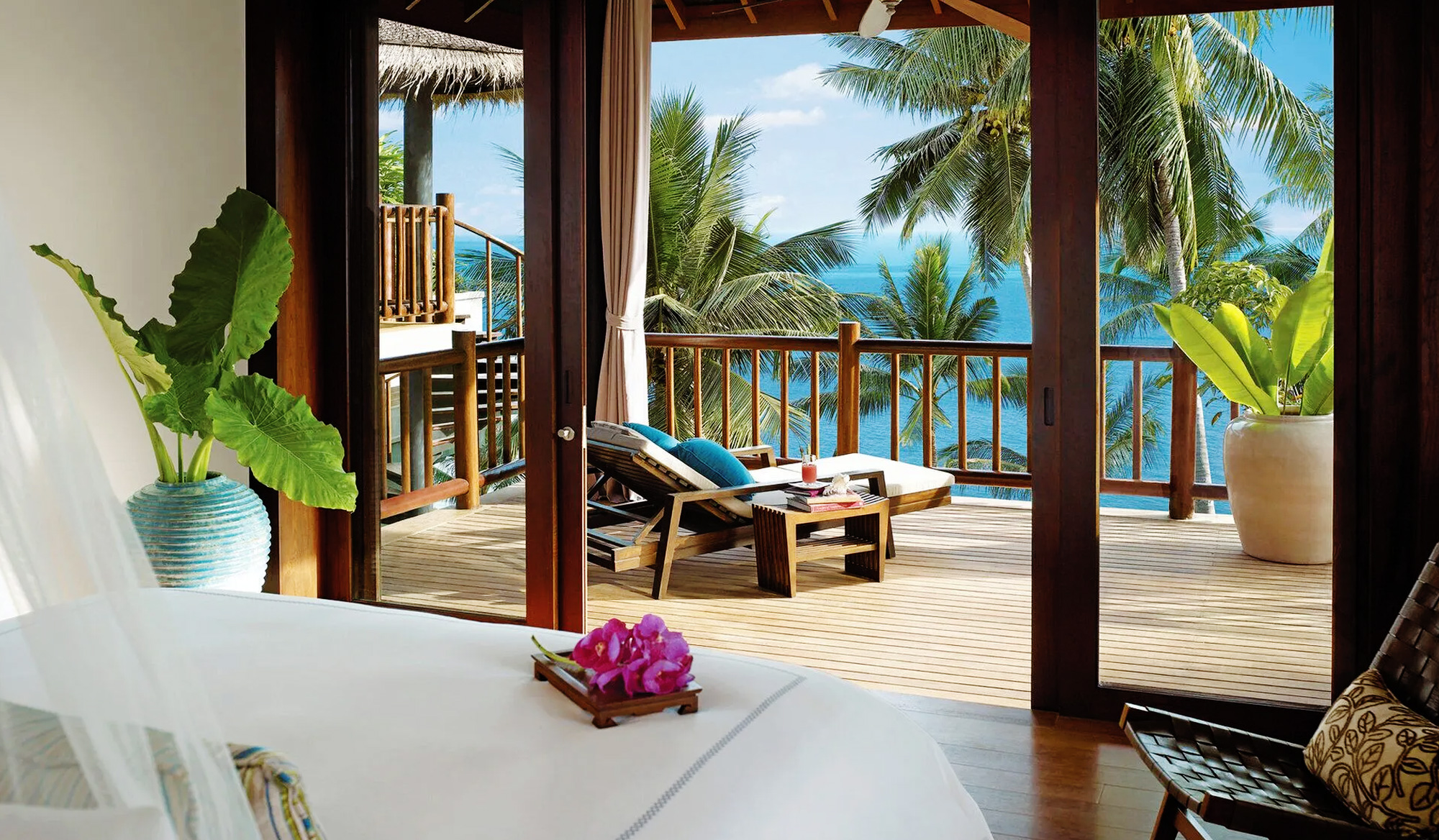
- All accommodations are villa-style, ensuring a fully private and self-contained space throughout your stay.
- Guests can experience high-quality wellness treatments incorporating CBD and cannabis-derived elements.
- One of Koh Samui’s most exclusive locations, combining exceptional tranquility with panoramic ocean views.
Four Seasons Resort Koh Samui is a hillside luxury retreat where individual villas are spread across expansive grounds. Each villa provides physical separation and wide ocean views, reducing density and enhancing privacy.
Four Seasons Resort Koh Samui Location & Surrounding Area
Situated in the island’s northwest region, the property remains distant from heavy tourist nightlife. The surrounding environment is defined by greenery and open sea views, maintaining a tranquil atmosphere even after sunset.
Four Seasons Resort Koh Samui Overview
Private pool villas are standard, and the layout emphasizes space and discretion. Spa programs and nature-based activities complement the overall experience. An exceptional option for travelers seeking high-end privacy, strong natural airflow, and a refined cannabis-friendly island retreat.
9: Cannabis-Friendly Hotel FAQ in Bangkok, Pattaya, Phuket, Chiang Mai & Koh Samui
When searching for 420-friendly hotels in Thailand, most travelers share the same concerns: “Will hotel staff warn me?” “Is balcony smoking allowed?” “Could I be fined?” Online information is often inconsistent, and policies vary significantly between properties. Based on on-the-ground stays, direct communication with hotel staff, and structural comparisons across cities, this FAQ addresses the most common concerns clearly and realistically.
Whether you are a first-time visitor or a solo female traveler, understanding risk points, practical precautions, and how to choose the right hotel can significantly reduce stress during your stay.
Q: Can I smoke cannabis on a hotel balcony in Thailand?
Balcony smoking policies vary widely depending on the hotel category and management style. Mid-range and locally operated hotels often show more flexibility, while five-star properties frequently prohibit balcony smoking due to odor concerns.
In some cases, official policy may state “no smoking,” yet enforcement can depend on circumstances. However, the most reliable approach is to confirm directly with hotel staff during check-in. Hotels with tightly packed room layouts increase the risk of odor complaints from neighboring guests. Complaints can lead to warnings or additional charges. Therefore, understanding the hotel’s structure and ventilation before booking is essential.
Q: Is there a way to smoke without hotel staff noticing?
Based on local experience, attempting to hide cannabis use often increases risk rather than reducing it. In many cases, complaints originate from neighboring guests rather than hotel staff. Odor travels quickly in enclosed buildings, especially in high-rise properties.
If discretion is necessary, using designated outdoor smoking areas or well-ventilated balconies can reduce risk. However, choosing a hotel with clearly defined smoking policies or known cannabis-friendly operations is typically a safer and less stressful strategy than attempting concealment.
Q: What happens if someone complains about the smell? Are fines possible?
While cannabis itself is legal in Thailand, odor-related disturbances may be treated as a “Public Nuisance.” In practice, hotels may impose cleaning fees or penalties if strong odor affects other guests. Reports from travelers indicate fines commonly range between 2,000–3,000 THB, and in rare cases, early check-out may be requested.
Luxury hotels tend to enforce stricter standards, particularly if complaints are filed. Managing airflow, avoiding peak quiet hours, and minimizing intensity are practical steps to reduce risk. Ultimately, choosing properties with open-air structures significantly lowers the likelihood of issues.
Q: How can I identify truly cannabis-friendly hotels?
Guest reviews are often more reliable than official descriptions. Keywords such as “weed,” “cannabis,” or “balcony smoking” appearing in review sections can indicate real-world experiences from previous guests.
Hotels offering widespread balcony rooms or clearly defined outdoor smoking areas tend to operate with greater flexibility. Residential-style neighborhoods such as Ari, Thonglor, or Jomtien generally provide calmer environments compared to nightlife-heavy districts. Reviewing guest feedback carefully is one of the most practical safety measures.
Q: Which areas are safest for solo female travelers?
From on-site observation, neighborhoods like Thonglor, Phrom Phong, Ari, and Sathorn in Bangkok, as well as Jomtien in Pattaya, tend to maintain calmer nighttime environments. Well-lit streets, residential layouts, and stable hotel operations contribute to a greater sense of safety.
Areas known for heavy nightlife, such as Khao San Road or central Patong, may feel more chaotic depending on time and season. Selecting districts with balanced activity levels can significantly improve overall comfort.
Q: Will smoking inside the room result in cleaning fees?
Indoor smoking presents higher risk due to smoke detectors and odor absorption into curtains, bedding, and upholstery. Multiple traveler reports suggest cleaning charges ranging from 300–1,000 THB, depending on severity.
Because many Thai hotels are equipped with smoke sensors, indoor use increases both complaint risk and potential penalties. For this reason, balconies or designated outdoor smoking areas are strongly preferred where permitted.
Q: Are there certain times when smoking is riskier?
Late-night and early-morning hours typically carry higher complaint risk due to reduced ambient noise and heightened sensitivity to odor. If other guests are resting, even minor disturbances may become noticeable.
Since odor-related complaints can fall under Public Nuisance considerations, timing and airflow matter. Choosing windy conditions, open-air spaces, and non-peak quiet hours may reduce potential issues.
10: Why Choosing the Right Hotel Determines 90% of Your Cannabis Travel Experience
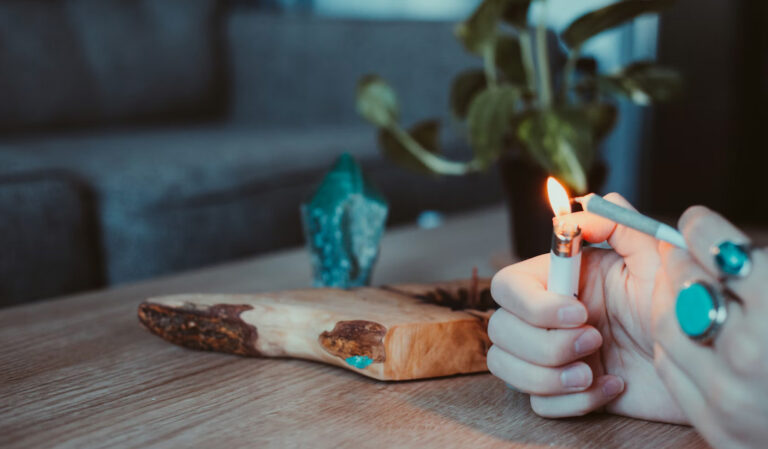
Based on direct hotel comparisons across Thailand, four factors consistently influence a smooth stay: ventilation and structural design, staff attitude toward cannabis, neighborhood safety, and post-use comfort when returning to the hotel.
Public reports confirm that hotel-level policy differences significantly affect enforcement standards. Balcony design, smoking area clarity, and management communication all influence complaint likelihood.
In practical terms, the most important question is not “What strain will you choose?” but “Where will you use it?” Hotel selection often determines whether a trip feels relaxed or stressful. Choosing thoughtfully structured accommodations dramatically improves overall travel satisfaction.
Note: This article is based on content originally published on the Japanese edition of OG Times .