How Food Pairings Are Best Understood in Cannabis Use
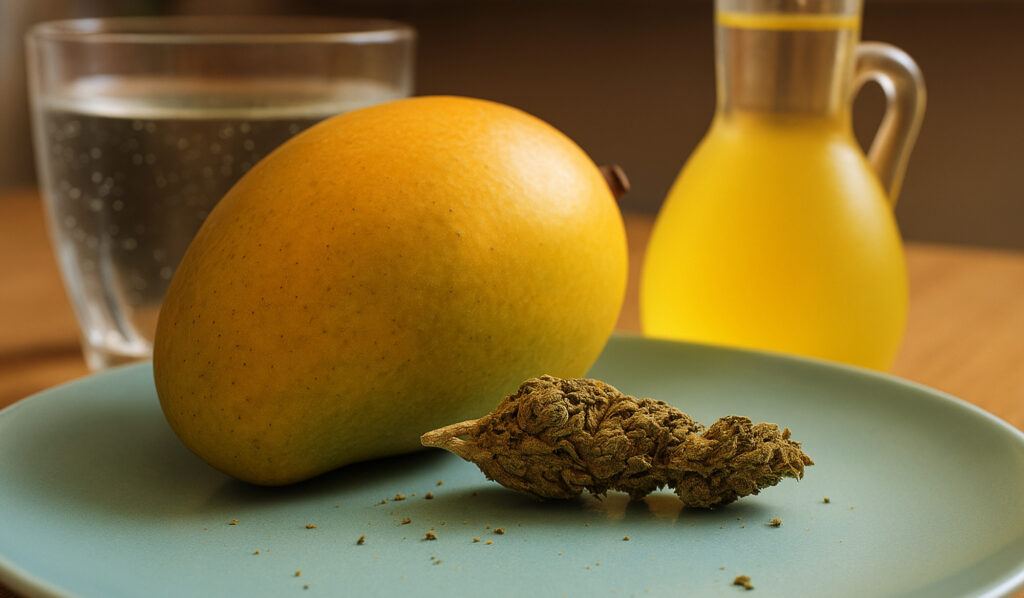

Certain foods are often said to make a cannabis experience feel stronger, smoother, or more stable. Mango, chocolate, black pepper, and other everyday ingredients are frequently mentioned in this context, but how much of this is supported by research, and how much is based on interpretation and repeated anecdote, is not always clear.
Current scientific discussion suggests that food may influence cannabis experiences indirectly, mainly through absorption, metabolism, and comfort, rather than acting as a direct amplifier of effects. Factors such as dose, product type, method of use, and setting are consistently described as having a much greater impact.
This article organizes what research most clearly supports, how certain foods are commonly discussed, and how these ideas are best understood without overstating cause and effect. The goal is not to promise stronger results, but to clarify where food fits realistically within cannabis use.
Can Certain Foods Make a Cannabis High Feel Stronger or More Stable?
Certain foods are often discussed in relation to cannabis because they may influence how the experience is perceived. This does not mean that food directly increases potency, but rather that it can affect how cannabinoids are absorbed and processed in the body. As a result, some people report feeling a high that seems smoother, longer-lasting, or more balanced depending on what they ate beforehand.
From a scientific perspective, this idea is usually explained through digestion, metabolism, and the interaction between dietary components and fat-soluble compounds like THC. In other words, food is generally framed as a supporting factor, not a determining one. Understanding this distinction helps avoid overestimating what food alone can do.
Why Food Can Change How Cannabis Feels
Food is commonly discussed because cannabinoids such as THC are fat-soluble compounds. This means their movement through the body can be influenced by digestive conditions, including whether food is present and what type it is. As a result, the same cannabis product may feel slightly different depending on timing and meals.
Rather than altering the substance itself, food is usually understood as affecting the pathway cannabinoids take after entering the body. This is why discussions focus more on absorption and metabolism than on potency.
How Absorption and Metabolism Influence Perceived Intensity
Absorption refers to how cannabinoids enter the bloodstream, while metabolism describes how they are processed afterward. Both steps can influence how quickly effects appear and how long they last. When food is present, especially meals containing fat, cannabinoids may enter the bloodstream more gradually.
Because of this, some people describe the experience as less abrupt and more even, rather than stronger in a strict sense. These differences are usually subtle but noticeable enough to be discussed in everyday cannabis use.
Why “Same Dose, Different Day” Is Commonly Reported
Many people report that the same dose can feel different from one day to another. This is often explained by changes in sleep, stress, hydration, and food intake rather than changes in the cannabis itself.
Food is one of several variables that may shift how the experience unfolds. This is why it is usually discussed alongside other factors, not as a single explanation.
What the Research Most Clearly Supports
Current research most consistently points to the role of digestion and fat metabolism when discussing how food interacts with cannabis. Rather than suggesting that food directly increases psychoactive strength, studies tend to focus on how cannabinoids move through the body once consumed. This distinction is important, as it frames food as a factor that may influence exposure levels, not potency itself.
Most discussions in scientific literature therefore center on oral intake, where digestion plays a measurable role, rather than inhalation, where absorption follows a different route.
Why Dietary Fats Are Often Linked to Higher Oral Cannabinoid Exposure
Cannabinoids such as THC are commonly described as fat-soluble compounds. When cannabis is consumed orally, dietary fats can support the formation of micelles during digestion, which may lead to higher or more sustained cannabinoid exposure in the bloodstream.
Because of this mechanism, meals containing fats are often mentioned in studies examining edibles or oral cannabis products. Importantly, this does not mean effects are guaranteed to be stronger, but rather that absorption may be more efficient or prolonged.
How This Differs Between Inhaled Use and Edibles
Inhaled cannabis enters the bloodstream through the lungs, bypassing digestion almost entirely. Because of this, food intake is usually considered less influential for inhaled use compared to edibles.
For edibles, cannabinoids pass through the digestive system and liver before entering circulation, making timing, meal content, and metabolism more relevant. This difference is why food-related discussions are far more common in the context of oral cannabis use than smoking or vaping.
Terpenes in Foods and Why They Get Mentioned
Terpenes are naturally occurring aromatic compounds found in many plants, including fruits, herbs, and spices. In discussions about cannabis, they are often mentioned because the same terpene compounds can exist both in cannabis and in everyday foods.
Rather than being described as drivers of psychoactive effects, food-derived terpenes are usually framed as contextual elements that may influence how an experience is perceived. This connection is commonly discussed within the broader concept of how aroma, chemistry, and expectation interact.
Myrcene as a Commonly Discussed Mango Terpene
Myrcene is a terpene frequently cited in both cannabis and mangoes. It is often discussed because of its presence in strains described as relaxing or body-oriented, and because mangoes are a familiar dietary source.
Some discussions suggest that myrcene may influence permeability or subjective smoothness, though research remains limited and context-dependent. As a result, mango is commonly referenced as an example when terpene overlap between foods and cannabis is explained.
Limonene in Citrus as a Frequently Referenced Aroma Compound
Limonene is a terpene commonly found in citrus fruits such as lemons and oranges. In cannabis discussions, it is often associated with bright, sharp, or uplifting aromatic profiles.
Because limonene is easily recognized by smell, it is frequently used as an example when explaining how aroma perception may shape the overall experience, rather than altering pharmacological intensity directly.
Beta-Caryophyllene in Black Pepper and the CB2 Discussion
Beta-caryophyllene is a terpene found in black pepper and several other spices. It is often mentioned because it has been shown to interact with the CB2 receptor, which distinguishes it from many other terpenes.
In food-related discussions, black pepper is therefore cited as an example of a dietary source that contains a cannabinoid-adjacent compound, though this is typically framed as biochemical interest rather than a direct effect modifier.
6 Foods Commonly Mentioned for a “Stronger” or “Smoother” Experience
Certain foods are frequently mentioned in cannabis discussions because they are thought to influence how an experience is perceived. These references usually focus on smoothness, stability, or comfort, rather than claiming a direct increase in potency.
The foods listed below are commonly cited due to their natural compounds, timing considerations, or supportive nutritional context.
Mango and Timing-Based Claims Around Myrcene
Mango is often referenced because it contains myrcene, a terpene also found in many cannabis varieties. Discussions usually focus on timing, with claims that eating mango before use may influence how smoothly effects are felt.
Rather than being described as a guaranteed enhancer, mango is typically mentioned as a food where perceived changes depend on individual metabolism and when it is consumed.
Dark Chocolate and “Mood” Compounds People Reference
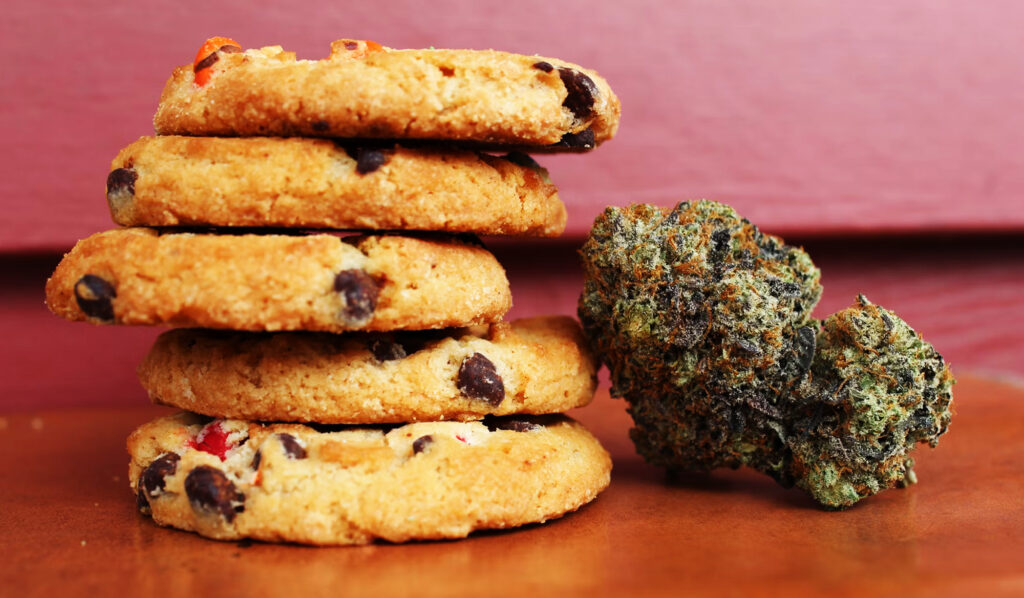
Dark chocolate is commonly mentioned due to its association with mood-related compounds and fats. It is often framed as a food that may contribute to a more relaxed or comfortable mental state.
References usually focus on moderation, with small amounts being discussed rather than large servings.
Nuts and Avocado as Fat-Based Absorption Support
Nuts and avocado are often cited because they contain dietary fats. Since cannabinoids are commonly described as fat-soluble, these foods are mentioned as supporting more consistent absorption, especially around edible use.
The emphasis is usually on stability rather than intensity.
Green Tea as a Calm, Steady Pairing People Mention
Green tea is frequently referenced as a gentle pairing. It is often described as supporting a calmer and more centered experience, rather than amplifying effects.
Mentions usually highlight warmth, hydration, and routine familiarity.
Broccoli and the “Body-Comfort” Context It Is Linked To
Broccoli is sometimes mentioned in discussions focusing on physical comfort. It is typically framed in relation to body-oriented balance, rather than psychoactive intensity.
The emphasis is often on dietary habit rather than immediate timing.
Black Pepper as a “Too Strong” Support Food People Reference
Black pepper is commonly referenced when experiences feel overwhelming. It is discussed as a supportive option, not as a preventative enhancer.
Mentions usually focus on aroma and grounding perception rather than ingestion quantity.
Timing and Practical Patterns People Pay Attention To
When food is discussed alongside cannabis, the focus is often on timing and practical patterns, rather than specific ingredients alone. Many conversations emphasize when food is eaten relative to use, as this timing is thought to influence how smoothly or strongly effects are perceived.
Rather than fixed rules, these patterns are usually framed as tendencies that vary depending on individual metabolism and context.
Why Eating Right Before vs 30 to 60 Minutes Before Gets Discussed
Eating immediately before use is often described as leading to quicker or less predictable sensations. In contrast, eating 30 to 60 minutes beforehand is commonly framed as allowing digestion to settle, which may result in a more stable experience.
This distinction is usually discussed in terms of comfort and predictability, not guaranteed intensity changes.
How “Empty Stomach” vs “Light Meal” Is Commonly Framed
An empty stomach is frequently associated with faster onset and stronger perceived effects, especially in anecdotal discussions. A light meal, on the other hand, is commonly framed as helping to smooth out intensity and reduce discomfort.
These descriptions are usually presented as general observations rather than strict recommendations.
Foods and Drinks Commonly Used When It Feels Too Strong
When cannabis effects feel stronger than expected, certain foods and drinks are often mentioned not as ways to cancel the experience, but as methods to regain comfort and stability. These approaches are usually framed as supportive adjustments rather than fixes.
The focus is typically on grounding the senses, easing physical discomfort, and allowing the experience to settle naturally.
Black Pepper and Grounding Through Aroma
Black pepper is frequently referenced because its aroma is described as grounding and focusing. Smelling or lightly chewing whole peppercorns is often mentioned as a way to shift attention back to the body and breathing.
This practice is usually framed around sensory grounding rather than biochemical certainty.
Citrus Aroma and “Reset” Framing
Citrus aromas, such as lemon or orange peel, are often framed as offering a mental reset. The bright scent is commonly described as helping to interrupt spiraling thoughts and refresh attention.
This approach is usually discussed as a sensory cue rather than a way to reduce potency.
Water or Electrolytes for Comfort and Stability
Water and electrolyte drinks are commonly mentioned because dry mouth, lightheadedness, or physical unease can amplify discomfort. Slow hydration is often framed as a basic step to support bodily balance.
This is generally discussed as a first-line comfort measure.
How to Think About Food Pairings Without Over-Attributing Cause
Food pairings are often discussed in cannabis contexts, but they are generally framed as minor contextual factors rather than primary drivers of the experience. While certain foods may influence comfort or perception, most discussions emphasize caution against assigning too much causal weight to any single ingredient.
The overall consensus tends to be that food works best as a subtle adjustment, not a determining factor.
Why Dose, Product Type, and Setting Still Matter More Than Any Single Food
Across most discussions, dose, product type, and environment are consistently described as having a far greater impact than food choices. Inhaled versus edible use, cannabinoid concentration, and the mental or physical setting are commonly cited as the primary factors shaping how cannabis feels.
Food is usually mentioned only after these core variables are accounted for.
How to Use Food as a Small Adjustment Tool, Not a Guarantee
Food is often framed as a comfort or stability aid, rather than something that guarantees stronger or smoother effects. Using food intentionally is usually described as a way to gently nudge the experience, not to control or predict it.
This perspective helps keep expectations realistic and avoids disappointment or misunderstanding.
How to Understand Food and Cannabis as a Whole
Discussions around food and cannabis often focus on whether certain foods can make effects feel stronger, smoother, or more stable. However, most evidence and repeated observations suggest that food should be understood as a secondary adjustment factor, not a primary driver of the experience.
Dose, product type, method of use, and environment consistently appear to shape how cannabis feels far more than any individual food choice. Food is most commonly framed as a way to support comfort, reduce variability, or help users feel more grounded, rather than as a reliable method to control intensity.
Approaching food pairings with this perspective helps keep expectations realistic. Instead of looking for guarantees, food can be used as a small tool to gently influence stability and comfort within an already well-considered setup.
Note: This article is based on content originally published on the Japanese edition of OG Times .