When Does Cannabis Start Working? Onset, Peak, and Duration Explained
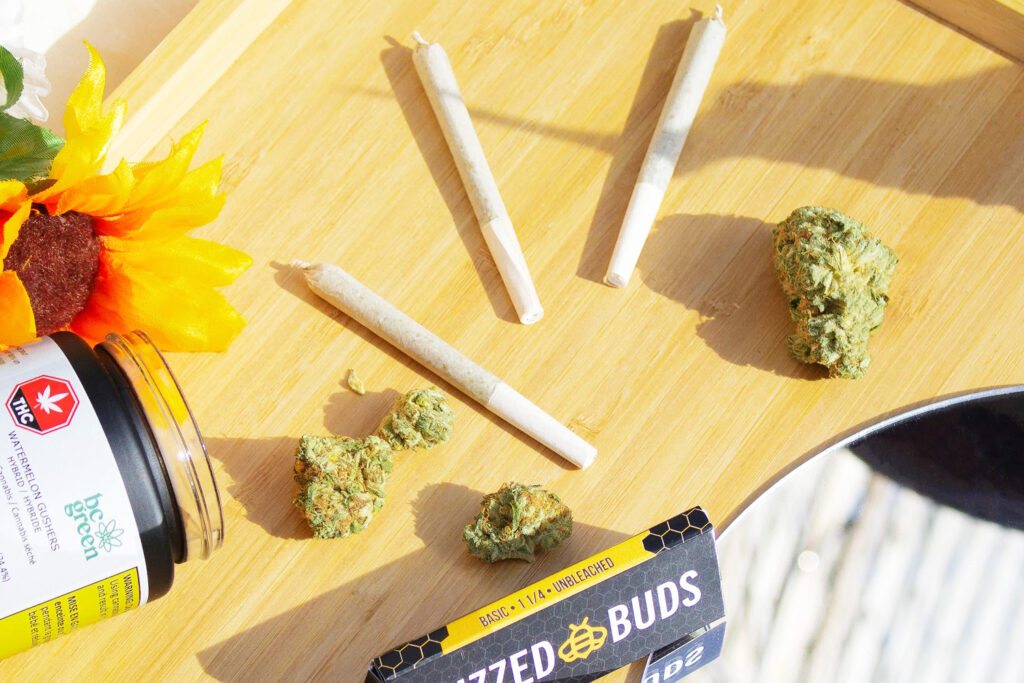

Among the questions that come up most consistently from first-time cannabis users in Bangkok and Pattaya’s dispensary scene, timing-related questions dominate: “how long until I feel it,” “when will it be strongest,” “how long does it last?” From observation: the anxiety that sometimes accompanies a first cannabis experience is often less about the effect itself and more about not knowing where in the timeline the experience currently sits.
Cannabis doesn’t arrive all at once. It unfolds over time — with onset, peak, and gradual resolution following a pattern that becomes more readable with experience.
Research has indicated that THC from inhaled cannabis enters the bloodstream through the lungs and reaches the brain within a relatively short timeframe after inhalation. (Source: National Library of Medicine (NLM))
This guide works through the timeline of smoked cannabis onset, what the peak experience involves, how duration plays out, how eating cannabis changes all three, and why the same product produces different timing for different people.
1: Why the Timeline Matters Before You Start
Most difficult first experiences with cannabis trace back to timing misunderstanding — specifically, not recognizing where in the experience curve the person currently is and making decisions based on that misread. Understanding the general shape of the timeline before using is the most practical preventive measure available.
The key insight: cannabis effects don’t switch on like a light. They develop gradually, peak, and then ease off through a continuous curve. Treating any point in that curve as if it were the endpoint — “it’s not working” or “it’s getting stronger” — leads to decisions that make the experience harder to manage.
Research has indicated that the subjective experience of cannabis is variable across individuals, with onset timing, peak intensity, and duration all showing significant person-to-person differences. (Source: National Library of Medicine (NLM))
2: Onset — When Does the Effect Begin?
For smoked cannabis, the onset of noticeable effects typically falls within the first few minutes after inhalation. THC moves from the lung surface into the bloodstream rapidly, and from there reaches the brain through general circulation.
Research has indicated that inhaled THC produces blood concentration increases within minutes of inhalation, with subjective effects becoming noticeable in a corresponding timeframe. (Source: National Library of Medicine (NLM))
What “Minutes” Actually Means in Practice
From observation: the onset experience is rarely described as a sudden switch. The more common description is gradual — a subtle initial awareness that something has shifted, which deepens over several minutes rather than arriving all at once. “I noticed something was different” is more typical than “it hit immediately.”
This gradual quality serves a practical purpose: it gives the person time to notice the onset and make a decision about whether to continue before the effect is fully developed. With smoked cannabis, the feedback loop between inhalation and effect is short enough to allow this assessment.
The Absorption Pathway
When cannabis is inhaled, THC travels from the lung through the bloodstream to the brain. The lung’s large surface area makes this absorption efficient — which is why smoked cannabis onset is considerably faster than edibles, which require digestive processing before absorption begins.
Research has indicated that inhaled THC reaches brain tissue through the bloodstream, where it interacts with cannabinoid receptors and produces the characteristic changes in neural activity. (Source: National Library of Medicine (NLM))
Onset Patterns Observed in Practice
From dispensary observation in Thailand: two patterns come up most consistently. The first — more common — is a gradual awareness over several minutes: mild shifts in mood or physical sensation that deepen progressively. The second is a delayed recognition: the person didn’t notice effects arriving and then realizes, several minutes in, that their experience has already changed. “I didn’t feel anything and then realized I was already there” is a common formulation.
Research has confirmed that the subjective experience of cannabis onset involves individual variation, with some users reporting rapid awareness and others reporting delayed recognition of the effect. (Source: National Institute on Drug Abuse (NIDA))
3: The Peak — When Is the Effect Strongest?
Following onset, the experience typically builds to a peak — a period of maximum intensity before gradual resolution. From observation: “when will it be the strongest?” is a common question, and the most accurate answer is “some time after onset, and it will be apparent when you’re there.”
Research has indicated that blood THC concentration rises rapidly after inhalation and reaches a peak within a relatively short period, with subjective peak experience following a corresponding pattern. (Source: National Library of Medicine (NLM))
The Window Between Onset and Peak
From personal experience and observation: the experience between initial onset and the point of maximum intensity is usually gradual rather than abrupt. The early experience builds over time — the initial mild awareness deepens, physical relaxation spreads, sensory and cognitive changes become more pronounced.
The peak isn’t usually a single identifiable moment — it’s more of a period during which the experience feels fullest, before a gradual easing begins. From observation: people who have experienced cannabis multiple times tend to recognize the peak more accurately, while first-time users often aren’t sure they’ve reached it until they’re past it.
Why Peak Recognition Varies
From observation: experienced users and first-time users describe their peak recognition differently. More experienced users often describe a relatively clear sense of where they are in the curve. First-time users more often describe retrospective recognition — they identified the peak after it had passed rather than while in it.
Research has indicated that subjective peak experience is individually variable, with prior experience, psychological state, and environmental factors all shaping how the experience is perceived and interpreted. (Source: National Institute on Drug Abuse (NIDA))
4: Duration — How Long Does It Last?
For smoked cannabis, the duration of noticeable effects generally falls in a range of a few hours. The effect doesn’t end sharply — it resolves gradually, with the most intense phase passing first and subtler residual changes persisting afterward.
Research has indicated that blood THC concentration decreases progressively after the initial peak, with subjective effects following a corresponding gradual decline. (Source: National Library of Medicine (NLM))
The Gradual Resolution
From observation: the end of a cannabis session is rarely described as a clean return to baseline. More commonly, people describe a staged resolution — the most prominent effects ease first, then a period of reduced but persistent change, then a gradual return to ordinary experience.
The subjective sense of “it’s wearing off” typically arrives before the experience has fully resolved. Some cognitive and sensory shifts may remain for a period after the person feels the main effect has passed.
This matters practically because decisions made during the later phase of a cannabis session — about activities requiring full alertness, about taking more, about operating anything that requires undivided attention — should account for this residual period rather than assuming full return to baseline at any particular point.
Not a Fixed End Point
From personal experience: the variation in how a session resolves is significant. Some days, the transition back to baseline is smooth and relatively complete. Other days, a degree of residual heaviness or perceptual softness persists longer. Body and mind feel more settled eventually, but the timing of “fully back” varies.
Research has indicated that the duration and character of the cannabis resolution phase is influenced by dose, product composition, and individual metabolic factors. (Source: National Institute on Drug Abuse (NIDA))
5: How Eating Cannabis Changes the Timeline
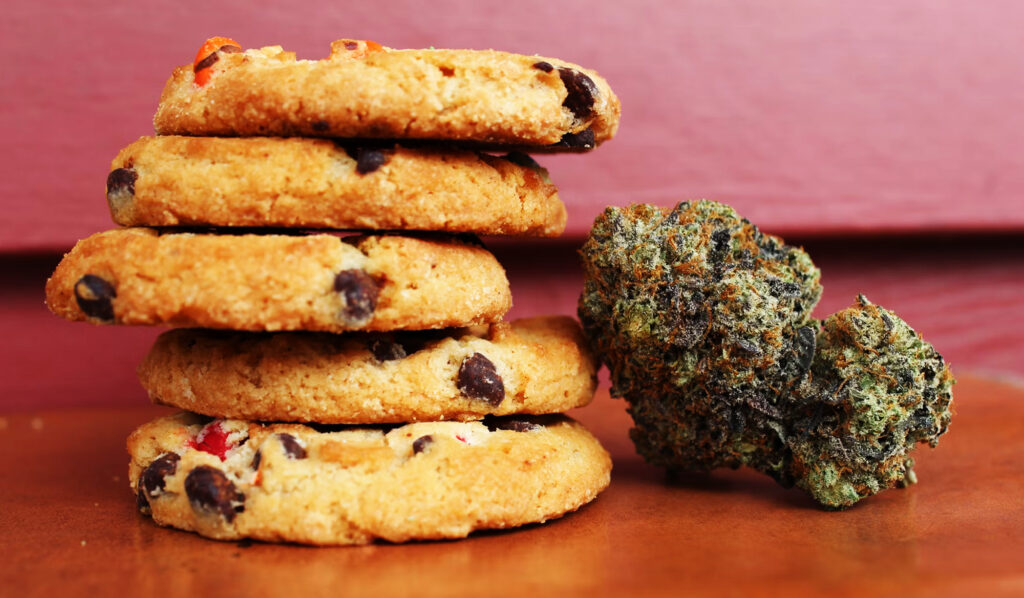
Edibles — cannabis incorporated into food — produce a fundamentally different timeline than smoked cannabis. The mechanism is different, the timeframe is different, and the mismatch between expectation and experience is the primary source of difficult edible experiences.
Why Onset Is Delayed
When cannabis is consumed orally, THC must travel through the digestive system before reaching the bloodstream. This process involves gastric emptying, intestinal absorption, and liver metabolism — all of which take substantially longer than lung absorption.
Research has indicated that oral THC reaches peak blood concentration significantly later than inhaled THC, with onset of subjective effects typically delayed by 30 minutes to 2 hours depending on individual metabolic factors and stomach contents. (Source: National Library of Medicine (NLM))
Why Edibles Often Feel Stronger
During liver metabolism, THC is converted into 11-hydroxy-THC — a compound with different pharmacological properties that may produce more intense effects than delta-9 THC at comparable blood concentrations. This conversion is one reason edible experiences often feel stronger than the equivalent amount of smoked cannabis.
The combination of delayed onset and more potent metabolite explains the most common edible problem: “I didn’t feel anything after 45 minutes, so I took more — and then everything arrived at once.” The two doses overlap at full expression, producing an experience substantially more intense than either alone would have produced.
From observation: this pattern is one of the most consistent sources of difficult cannabis experiences in Thailand’s dispensary scene, almost always involving first-time edible users who added a second dose before the first was fully expressed.
The Edible Duration Difference
Edible experiences also last considerably longer than smoked sessions — typically 4–8 hours, with some people reporting effects extending beyond that. For first-time edible users, this extended duration can itself be surprising.
The practical implication: edibles require planning a longer window, patience in waiting for onset, and a strict commitment to not adding more until a minimum of 2 hours has passed after the initial dose.
6: Why the Timeline Varies Between People
The timelines described above are tendencies, not guarantees. From observation: the same product, the same dose, and the same inhalation technique produce different onset timing, peak intensity, and duration across different people — and across the same person on different days.
Body Composition and Metabolism
THC is fat-soluble, which means its distribution through the body and its rate of metabolism are influenced by body composition and metabolic rate. These vary significantly between individuals, producing real differences in how quickly effects develop and how long they persist.
Research has indicated that individual differences in cannabinoid metabolism contribute substantially to variation in onset timing, peak intensity, and duration. (Source: National Library of Medicine (NLM))
Physical State and Environment
Sleep status, hunger, hydration, and stress level all influence how THC is processed and experienced. From personal experience: tired and depleted physical states tend to amplify effects. A rested, fed, hydrated baseline produces more moderate and predictable outcomes. The same dose feels different under different physical conditions.
Environment adds another layer. A calm, familiar setting produces different attentional and perceptual conditions than a busy or unfamiliar one. Research has indicated that environmental context shapes the subjective cannabis experience, with set and setting recognized as significant variables. (Source: National Library of Medicine (NLM))
Dose and Product
The amount consumed and the specific cannabinoid and terpene composition of the product both shape the timeline. Higher doses generally produce stronger and longer-lasting effects. Higher-THC products produce different timelines than balanced THC:CBD products at equivalent apparent doses.
From observation: this is why the same person can have a different experience with two products labeled identically in terms of strain but sourced from different cultivations — the actual cannabinoid and terpene profiles may differ substantially.
7: Understanding the Timeline Rather Than Measuring It
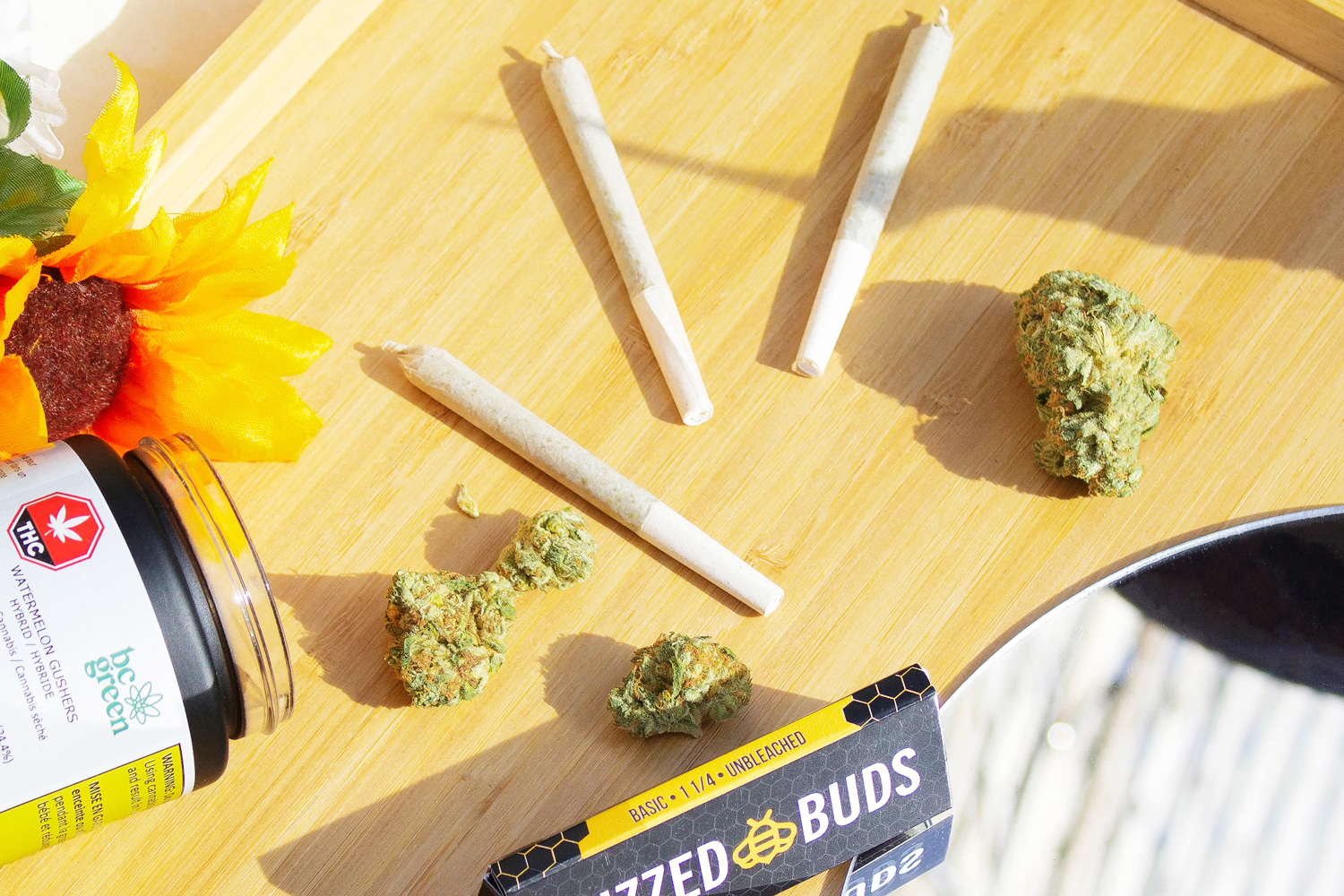
The most useful way to hold the information in this guide is not as precise predictions — “it will start in X minutes and peak at Y” — but as a general shape. Cannabis arrives gradually, builds to a period of maximum experience, resolves over time, and leaves a period of residual change before returning to baseline. The specific timing of each phase varies by person, product, method, and condition.
What this understanding provides: a framework for not misinterpreting where you are in the curve. “I don’t feel anything yet” at 5 minutes after a first draw is not a signal to take more — it’s an early point in a normal onset. “This feels very strong” 20 minutes in is not a permanent state — it’s a point near the peak of a curve that will ease. “It’s wearing off” is not the same as “I’m back to baseline.”
From personal experience: the people who navigate cannabis most calmly across different products and conditions are those who hold the timeline loosely — who know enough about the general shape to not misinterpret a normal phase as a problem, and who wait for genuine information before making any decisions about continuing, adjusting, or stopping.
That patience — which is nothing more than knowing there is a curve and letting it unfold — is the most practical thing timing knowledge provides.
Note: This article is based on content originally published on the Japanese edition of OG Times .