How Much Cannabis Should a Beginner Take? Dosage Guide — Puffs, Edibles, and What to Expect

The first question most first-time cannabis users ask is: “How much should I take?” From what I’ve seen in Thailand, the range of responses to the same amount is wider than most people expect — one person feels strong effects from a single puff, while another barely notices anything.
The difference isn’t just about how much you inhale. Your body’s internal state and condition on that particular day play a much larger role than most beginners realize. Without knowing their own threshold, first-timers often push too far — and end up with anxiety, racing heart, or an overwhelming experience they weren’t prepared for. Research from the National Institutes of Health confirms that cannabis effects vary substantially based on external factors, and that understanding appropriate dosage is one of the most important variables in shaping the quality of the experience.
Finding your appropriate amount is the first step toward using cannabis safely and comfortably. This guide breaks down why quantity affects experience so dramatically, and where beginners most commonly go wrong — drawing on both personal observation and available research.
1: Why Does Cannabis Dosage Matter for Beginners?
| Method | Beginner Starting Dose | Wait Time | Key Caution |
|---|---|---|---|
| Smoking(flower, pre-roll) | 1–2 puffs | 10–15 minutes | Feel the effect before deciding to add more |
| Edibles(gummies, cookies) | 2.5–5mg THC | 60–90 minutes | Don’t re-dose just because you “don’t feel it yet” |
| Topicals(cream, balm) | Small amount, applied locally | 30–60 minutes | No psychoactive effect — lowest risk option |
At the core of most beginner problems is something simple: not knowing how much is right for them. From watching beginners in Thailand, I’ve seen both extremes — people who took too much and spent the next few hours overwhelmed, and people who took so little that nothing happened and they assumed the product didn’t work.
THC (tetrahydrocannabinol) acts on CB1 receptors in the brain. The sensitivity of these receptors varies significantly between individuals, which means even a small difference in amount can produce a very different experience. (Source: National Library of Medicine)
The core problem for beginners is that they don’t yet know their own tolerance. Body type, sleep, food, stress — all of these shift how the receptors respond on any given day. The same amount can feel completely different from one session to the next.
Getting to know your appropriate amount gradually is the foundation of a safe experience.
How THC Amount Influences Perceived Effects
From guiding beginners through their first sessions, I’ve found that “why does it feel stronger today than last time?” almost always comes back to how THC absorption changes based on internal body conditions — not a difference in the product itself.
Factors that consistently influence absorption include: (Source: National Library of Medicine)
- Whether you’ve eaten recently (empty stomach = faster, more intense absorption)
- Body fat percentage (THC accumulates in fat tissue)
- Sleep deprivation or stress (slows metabolism, extends duration)
- Blood sugar and hydration levels (lower = stronger perceived effects)
An empty stomach in particular tends to accelerate the onset and amplify intensity — what feels manageable after a meal can feel overwhelming on an empty stomach. Foods that influence THC absorption, like mango or certain nuts, also play a role.
This is why it’s not just how much you take, but what state you’re in when you take it that shapes most of the experience.
Why Beginners Often Misjudge Their Personal Limit
One pattern I’ve seen repeatedly: someone takes a small amount, feels nothing after a few minutes, and assumes it isn’t working. So they take more. Then, 10–15 minutes after the first dose, both hit at once.
This happens because cannabis effects are delayed — they don’t arrive immediately after inhalation. THC peaks in the bloodstream several minutes after smoking, not instantly. (Source: National Center for Biotechnology Information)
Research also shows that individuals with higher enzyme activity for breaking down THC feel less effect, while those with lower activity feel more — and beginners typically have no tolerance built up at all, meaning even moderate amounts can produce strong responses.
If you feel nothing after 1–2 puffs, wait at least 5–10 minutes before drawing any conclusion. Rushing to add more is the most common path to an overwhelming experience.
Common Mistakes Beginners Make With Dosage
The most frequent mistake I’ve observed is trying to match the pace of more experienced users. Cannabis tolerance varies enormously — what’s a comfortable amount for someone who uses regularly is often far too much for a first-timer.
The second most common problem is re-dosing too early. As described above, the delayed onset of effects catches many beginners off guard. I’ve personally watched first-timers take a second dose while still waiting for the first one to arrive, then find themselves far more affected than they intended.
There’s also the combination effect. Mixing cannabis with alcohol significantly increases THC blood concentration, producing effects that are much stronger than either would cause alone. (Source: National Center for Biotechnology Information)
For beginners: start with 1–2 puffs, then wait 5–10 minutes before making any decision about taking more.
2: What Determines How Strong Cannabis Feels?
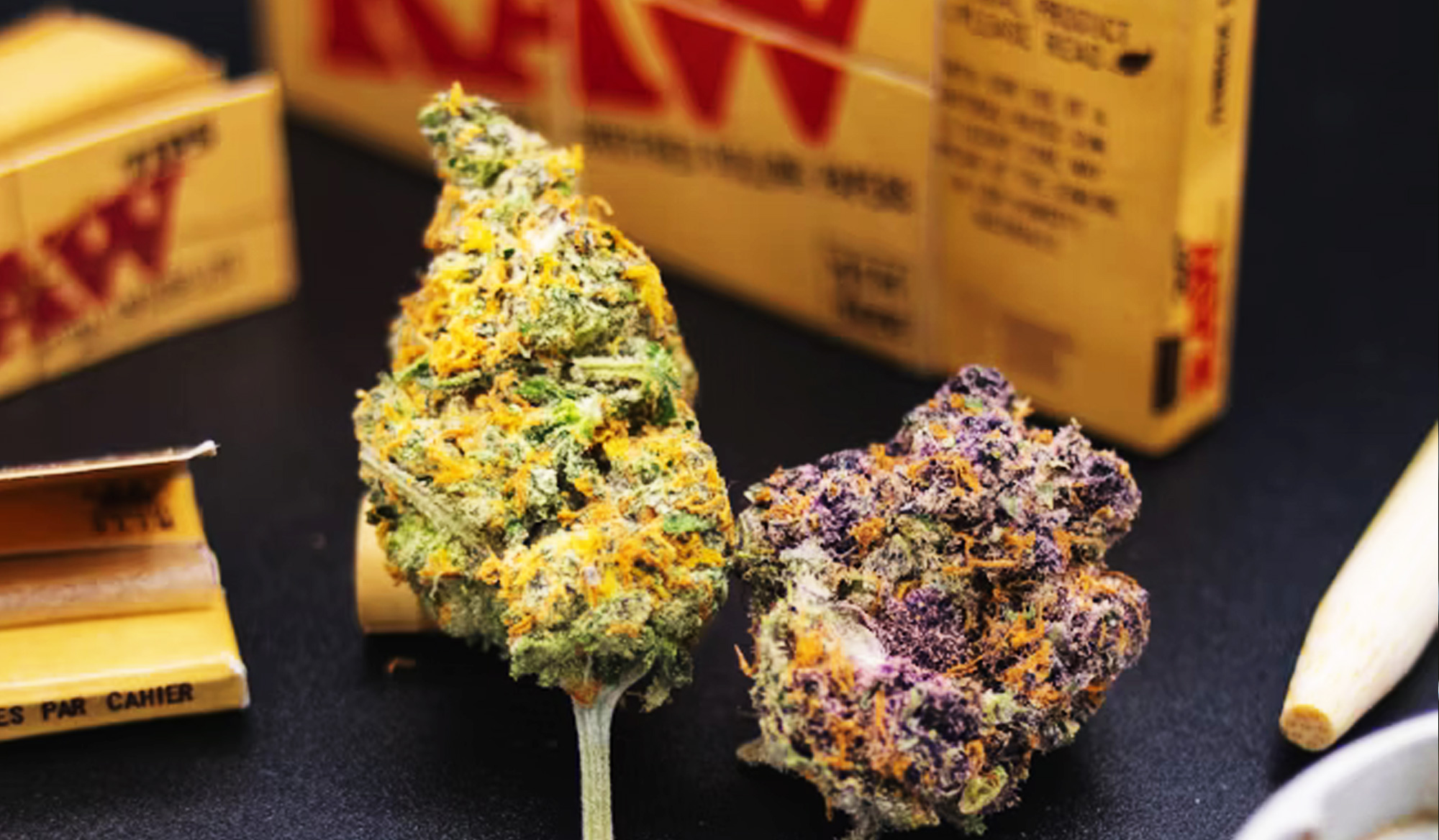
From watching many people use cannabis in Thailand, the “why does it feel different today?” question almost never comes down to the product. It comes down to the person’s physical and mental state on that particular day. Meal timing, sleep quality, stress levels, ambient temperature — all of these influence how THC and CBD are absorbed and processed.
Individual variation in cannabis response is also physiological. Body fat percentage, metabolism rate, and receptor sensitivity all contribute to why the same strain at the same dose produces genuinely different experiences in different people. (Source: National Center for Biotechnology Information)
Understanding these variables makes it easier to find your own rhythm — and helps beginners stop blaming the product when the real variable is their own state.
The Role of Age, Weight, and Metabolism
- Younger / faster metabolism → shorter, sharper peak
- Higher body fat / slower metabolism → gentler, longer-lasting effects
- Women may feel stronger effects due to hormonal influences
THC metabolism varies significantly with age and body type. People with faster metabolisms tend to clear THC from the bloodstream more quickly, producing a shorter but more intense peak. Those with more body fat may find THC accumulates in fat tissue, creating a gentler effect that lasts longer. (Source: National Center for Biotechnology Information)
Hormonal factors also matter. Research suggests that estrogen may enhance THC sensitivity, which means women sometimes feel stronger effects from the same amount as male counterparts. Understanding these physiological differences helps explain why “everyone reacts differently” is genuinely true, not just a disclaimer.
How Physical Condition Affects THC Absorption
- Empty stomach → THC absorbs faster, hits harder
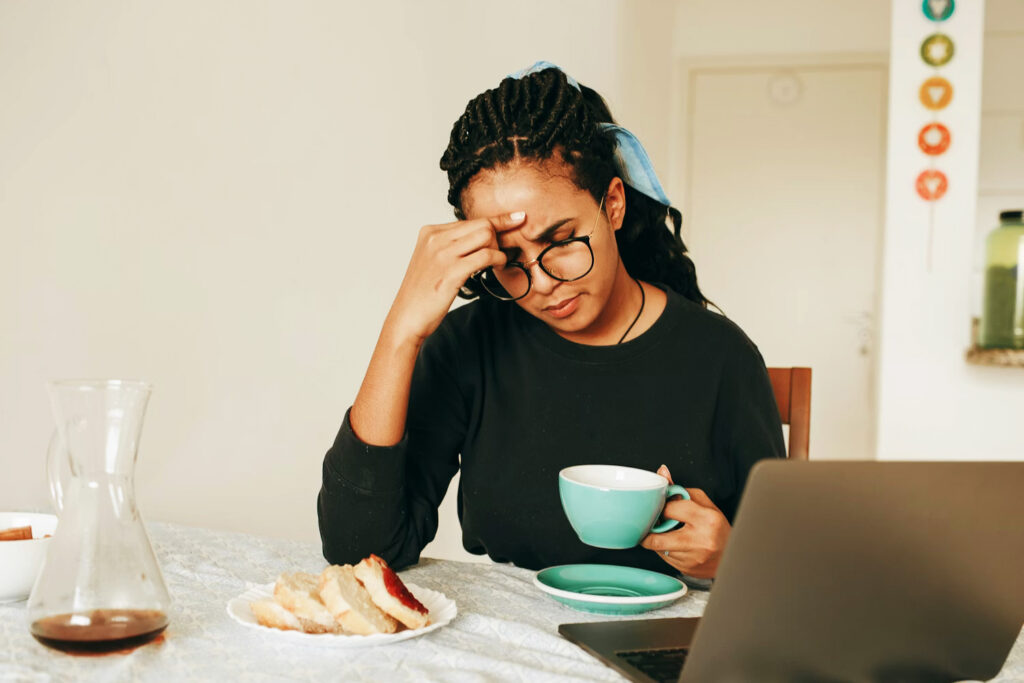
- Sleep deprivation or stress → increased anxiety risk
- Environment (lighting, sound, company) → shapes the entire experience
From my own experience, how I feel on a given day changes the cannabis experience more than the strain does. On an empty stomach, THC enters the bloodstream faster and more intensely. After eating, absorption slows — the same amount feels gentler.
Sleep deprivation and stress heighten nervous system sensitivity. On days when I’m already tired or anxious, the same amount I’d normally find calming can produce racing thoughts or mild anxiety instead. (Source: National Library of Medicine)
The physical environment also shapes the experience significantly. A calm, familiar setting allows the body to process THC more smoothly. The same amount that feels fine in a quiet, comfortable space can feel disorienting in a loud or unfamiliar one.
Days when your body and mind are settled tend to produce more comfortable, predictable experiences from the same dose.
The Role of Food and Blood Sugar
On an empty stomach, blood sugar drops and THC enters the bloodstream more readily — producing faster, stronger effects. From watching users in Thailand, the difference between smoking on an empty stomach versus after a light meal is consistently noticeable. A full meal slows absorption, which can actually reduce the experience below what the person intended. (Source: National Library of Medicine)
The Role of Sleep and Stress
When the nervous system is already under strain from poor sleep or stress, it responds to THC differently. Rather than producing relaxation, the same amount may trigger an elevated heart rate or anxious thoughts. I’ve noticed this in my own use — tired days consistently produce less comfortable experiences at identical doses. (Source: National Institutes of Health)
The Role of Environment
Lighting, sound levels, and the people around you all affect how cannabis feels. A trusted, familiar setting reduces background anxiety — which means the same dose lands differently in a quiet hotel room versus a crowded bar. For beginners especially, choosing a calm, safe environment removes one of the biggest variables that can push a manageable dose into an uncomfortable one.
3: How to Find Your Personal Appropriate Amount — A Practical Guide
Cannabis dosage is personal, and it shifts with your physical state, mental state, and environment on any given day. From watching many beginners in Thailand, I’ve seen that the same person can have noticeably different experiences from the same amount depending on how they’re feeling that day — and first-timers tend to show the widest variation of all. This section covers a practical approach to finding your appropriate amount safely, starting from the assumption that you don’t yet know what that amount is.
Starting With Microdosing and Gradual Adjustment
Microdosing means starting with a very small amount of cannabis and adjusting gradually based on how your body responds. For smoking, this means 1–2 puffs followed by a 10–15 minute wait before deciding whether to take more. This approach prevents overconsumption while giving you the information you need to find your comfortable range. It’s widely recommended as the safest starting method for first-time users. (Source: National Institutes of Health)
From my own experience, starting small and being patient consistently produces better outcomes than starting at a dose that “should” work based on what others take.
- For a joint: take 1–2 puffs only
- Observe your body’s response for 10–15 minutes
- If you want more, add just 1 puff at a time
THC doesn’t peak immediately — the strongest part of the effect often arrives several minutes after you stop inhaling. Many of the beginner overconsumption cases I’ve seen followed the same pattern: smoke, feel nothing for 5 minutes, add more, then find both doses arriving together. Patience between inhalations is one of the most practical skills a first-timer can develop.
Why Waiting Between Inhalations Matters
The same principle applies more strongly to edibles. With edibles, the onset can take 30–90 minutes. The product isn’t failing to work — it’s still being processed. Taking more during this window is the most common cause of unexpectedly intense experiences with edibles.
How Setting and Preparation Help Stabilize Dosage
Even with identical amounts, the environment you’re in affects how cannabis feels. From observing beginners, I’ve consistently found that sound levels, lighting, and who you’re with all influence how smoothly the experience goes — a calm setting helps the body process THC more gently. (Source: National Institutes of Health)
- Choose a quiet, familiar space you feel safe in
- Dim the lighting slightly and keep sounds at a comfortable level
- Being with someone you trust reduces background anxiety significantly
For first-timers especially, who you’re with matters as much as what you take. Having a trusted person nearby reduces the edge that can push an otherwise manageable experience in an uncomfortable direction. Before your session, simple preparation also helps:
- Drink a full glass of water
- Do a few minutes of light stretching to settle your breathing
- Eat something light beforehand — avoid an empty stomach
Preparation is part of the dose. Consistently, the beginners I’ve seen who had stable, comfortable first experiences were the ones who approached the session with intention — not just holding a joint and hoping for the best.
Note: This article is based on content originally published on the Japanese edition of OG Times .