Cannabis Bad Trip: Causes, Symptoms, and What to Do If It Happens
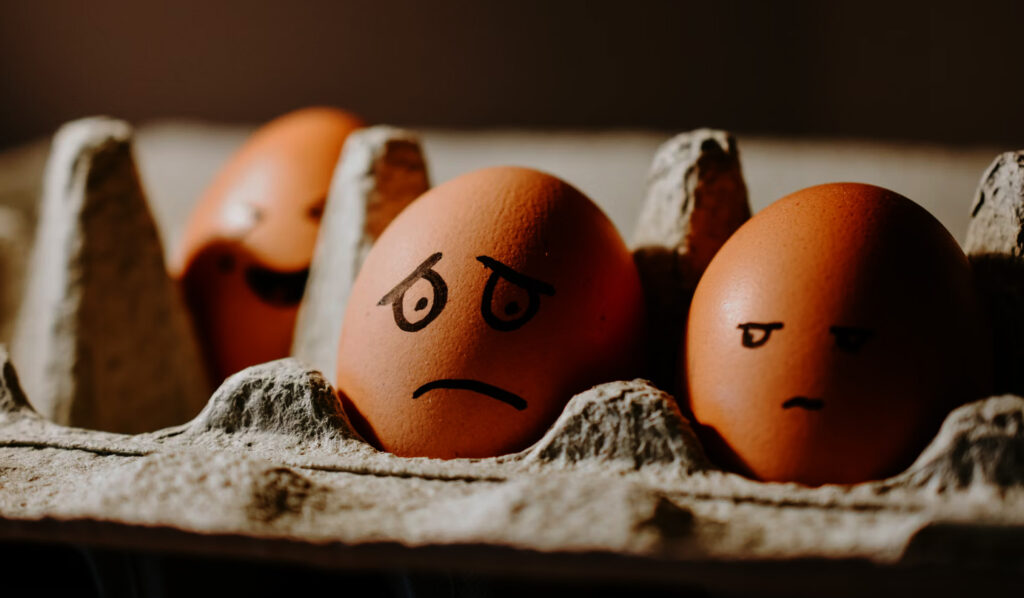

After using cannabis, some people suddenly experience intense anxiety, fear, palpitations, or confusion. This reaction is commonly called a “cannabis bad trip.” For those expecting relaxation, the contrast can be shocking.
A bad trip is described as a reaction in which intense anxiety, fear, and confusion arise due to the effects of cannabis or similar substances, temporarily placing the mind and body in a heightened and sensitive state. Even when used for relaxation, factors such as THC dosage, physical condition, and environment may overwhelm the brain’s ability to process stimulation, resulting in an uncomfortable experience. In many cases, symptoms are reported to settle as time passes.
From what I have observed locally, travelers who try cannabis for the first time sometimes feel far stronger anxiety than expected. This is especially noticeable with high-THC products and edibles, where the effects can build quickly or last longer than anticipated.
What matters most is this: in most reported cases, a cannabis bad trip is temporary and not life-threatening. It tends to occur when dosage, physical condition, and environment are not aligned. With time, symptoms generally settle.
In this article, we clarify what a cannabis bad trip is, why it happens, and how to understand it calmly and realistically.
1:What Is a Cannabis Bad Trip?
A cannabis bad trip refers to a state in which the psychoactive effects of THC (tetrahydrocannabinol) lead to negative psychological reactions rather than relaxation or euphoria. Typical symptoms include intense anxiety, fear, palpitations, confusion, and altered time perception.
Medical literature explains that THC interacts with cannabinoid receptors (CB1 receptors) in the brain, influencing neurotransmission. When stimulation becomes strong, regions such as the amygdala, which processes fear and anxiety, may react more intensely (source: U.S. National Institutes of Health).
Based on my own observations, bad trips are more likely when someone feels “too high to process.” Beginners, unfamiliar environments, lack of sleep, or an empty stomach can amplify the experience even at moderate doses.
A key point is that a cannabis bad trip is not simply proof that cannabis itself is inherently dangerous. It is better understood as a temporary reaction influenced by dosage, mental state, physical condition, and setting. In many cases, symptoms ease as THC is metabolized and time passes.
Common Symptoms: Mental and Physical Signs
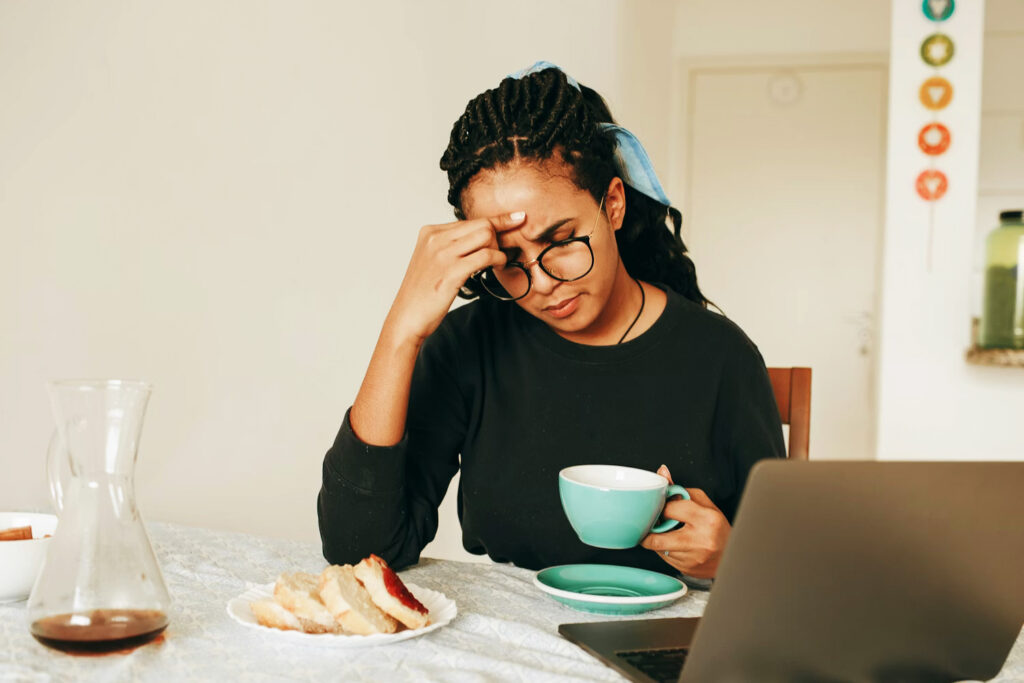
A cannabis bad trip is characterized by the presence of both psychological and physical reactions at the same time. Based on what I have observed locally, beginners often experience stronger anxiety responses, making the symptoms appear more intense.
On the psychological side, common signs include unexplained anxiety, fear, paranoia, racing or confused thoughts, and distorted time perception. Medical reports indicate that THC may influence the amygdala, the brain region involved in processing fear and anxiety, which can amplify these reactions (source: U.S. National Institutes of Health).
Physical symptoms may include palpitations, dizziness, trembling, weakness, dry mouth, and cold sweats. THC can stimulate the sympathetic nervous system, temporarily placing the body in a heightened state. An increased heart rate may then reinforce feelings of anxiety, creating a feedback loop.
Duration varies depending on the method of use. With inhalation, the peak often occurs within 30 minutes to 2 hours, with effects settling after about 4 to 6 hours. In contrast, edibles have a delayed onset, with peak effects appearing after 1 to 3 hours and sometimes lasting 6 to 12 hours (source: Health Canada).
In many observed cases, psychological symptoms intensify first, followed by physical discomfort, and then gradual stabilization, often accompanied by drowsiness. A key point is that these reactions are generally temporary and tend to resolve as time passes.
2:What to Do If It Happens
If a cannabis bad trip occurs, the first step is to understand that the reaction is temporary. In many cases I have observed locally, symptoms settle within minutes to a few hours.
Start by regulating your breathing and moving to a low-stimulation environment. Slow, steady breathing and a quiet, well-lit space can help reduce escalating anxiety. Crowded, noisy, or dark environments may intensify discomfort.
Hydration is important. Water, sports drinks, or light sugar intake may help stabilize symptoms related to dehydration or low blood sugar. Alcohol should be avoided, as reports indicate it may increase THC absorption (source: U.S. National Institutes of Health).
In my experience, CBD use has sometimes helped reduce anxiety during the early stages. Research suggests CBD may influence how THC interacts with CB1 receptors (source: U.S. National Institutes of Health).
Medical consultation is recommended if the following symptoms persist:
- Severe chest pain or pressure
- Continuous vomiting or signs of dehydration
- Reduced responsiveness or confusion
- Unusually shallow breathing
THC alone has been reported to have very low lethality (source: Health Canada), but if symptoms feel abnormal, seeking professional evaluation is the safest option.
The key is to remain calm, stay in a safe place, and allow time to pass. In most cases, symptoms gradually ease as THC is metabolized.
3:Why It Happens: THC, Your Condition, and Setting
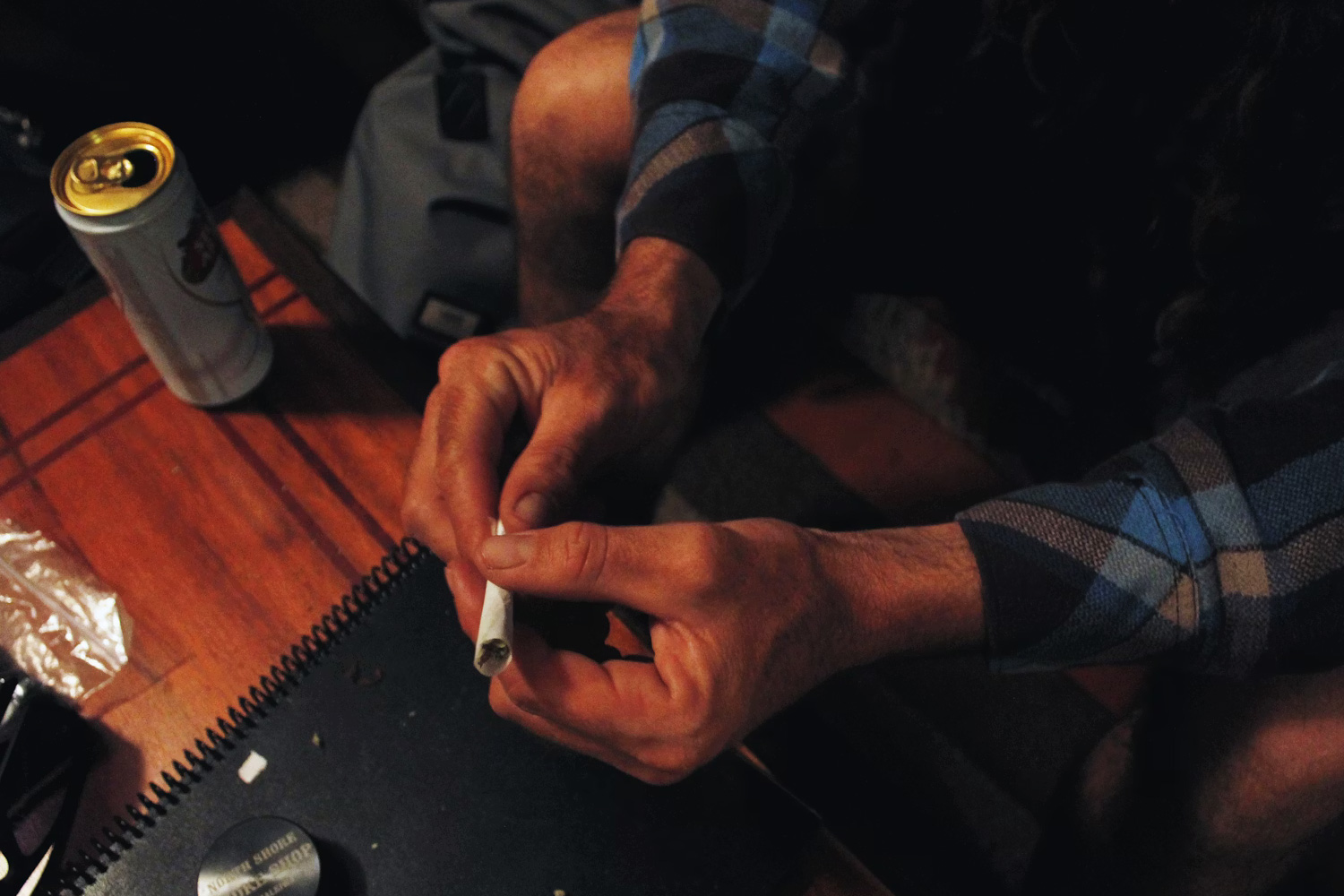
A cannabis bad trip does not result from a single factor. It is more likely to occur when THC intensity, physical condition, mental state, and environment combine.
Medical literature explains that THC (tetrahydrocannabinol) interacts with CB1 receptors in the brain, influencing neurotransmission. When stimulation becomes strong, the amygdala, which processes fear and anxiety, may react more intensely (source: U.S. National Institutes of Health).
High-THC products or larger doses may overwhelm cognitive processing, leading to confusion or altered time perception. Products with THC levels around 20–30%, concentrates such as rosin or wax, and edibles with delayed and prolonged effects have been reported to increase the difficulty of controlling the experience (source: Health Canada).
Physical condition also plays a significant role. Hunger, dehydration, sleep deprivation, low blood sugar, and fatigue can intensify the effects of THC. Low blood sugar may cause dizziness or anxiety, which can overlap with THC sensations and feel like a bad trip (source: U.S. National Institutes of Health).
Environment and mindset matter as well. Dark spaces, crowds, noise, or unfamiliar settings may increase psychological stress. Based on local observations, beginners in unstable environments tend to experience stronger reactions.
In summary, a cannabis bad trip is best understood as a temporary reaction triggered by strong THC stimulation combined with personal condition and environmental factors.
4:How to Prevent a Bad Trip
Based on what I have observed locally, a cannabis bad trip is less a random accident and more the result of dosage, physical condition, environment, and product choice overlapping. Adjusting these factors can significantly reduce risk.
The first principle is “start low and go slow.” Beginners typically have low THC tolerance, and even small amounts may feel strong. With inhalation, use a small amount and wait before taking more. With edibles, begin with a minimal dose and allow sufficient time before considering additional intake. Reports indicate that premature redosing is a major factor in excessive experiences (source: Health Canada).
Maintaining stable physical condition is also important. Hunger, dehydration, sleep deprivation, low blood sugar, and fatigue may intensify THC effects. Low blood sugar in particular can increase dizziness and anxiety, overlapping with THC sensations (source: U.S. National Institutes of Health).
Choosing the right environment matters as well. A calm, well-lit, and familiar setting with trusted people nearby can reduce psychological stress. Dark, crowded, or noisy environments may increase stimulation and discomfort.
Finally, check product labels and THC concentration. Flowers with THC levels of 25–35% and concentrates may produce stronger reactions in beginners. Selecting clearly labeled products and appropriate potency can help prevent excessive experiences.
In summary, prevention centers on four basics: low dosage, stable condition, safe environment, and informed product selection.
5:FAQ About Cannabis Bad Trips
Cannabis bad trips can feel intense, especially for first-time users or those in unfamiliar environments. In many cases, the discomfort is temporary and influenced by factors such as THC concentration, dosage, physical condition, and setting. Understanding what is happening in the body and mind can significantly reduce fear and prevent symptoms from escalating.
Below are some of the most frequently asked questions about cannabis bad trips, including duration, recovery, beginner risks, CBD use, and when medical attention may be appropriate. Clear information helps replace uncertainty with calm decision-making.
Q1|How Long Does a Cannabis Bad Trip Last?
Duration varies depending on method and THC concentration. With inhalation, the peak typically settles within 30 minutes to 2 hours, with relief after about 4 to 6 hours. Edibles have delayed onset, with peak effects appearing after 1–3 hours and sometimes lasting 6 to 12 hours (source: Health Canada).
Q2|Does Drinking Water Stop It?
Water does not directly counteract THC. However, hydration and stabilization of blood sugar may help reduce discomfort. Alcohol may increase THC absorption and should be avoided (source: U.S. National Institutes of Health).
Q3|Why Are Beginners More Affected?
Beginners generally have low THC tolerance, meaning even small amounts may feel intense. Psychological uncertainty can also amplify the experience. Hunger, low blood sugar, fatigue, and sleep deprivation have been reported as factors that intensify THC effects (source: PubMed).
Q4|Can CBD Reduce a Bad Trip?
Research suggests that CBD may influence THC interaction with CB1 receptors (source: UCL). Based on observation, some users report reduced anxiety when CBD is used alongside environmental adjustments and rest.
Q5|Can Cannabis Cause Death? When Should Emergency Services Be Contacted?
Reports indicate that THC alone has very low lethality (source: Health Canada). However, medical consultation is recommended if the following symptoms persist:
- Severe chest pain or pressure
- Continuous vomiting
- Reduced responsiveness or inability to communicate
- Unusually shallow breathing
6:Understand the Risk, Stay Calm, and Make Informed Choices
A cannabis bad trip is not usually a random or mysterious event. It is more accurately understood as a temporary reaction influenced by dosage, physical condition, and environment. Intense anxiety or palpitations can feel alarming, but in many cases symptoms settle as time passes.
The most important step is understanding what is happening and responding calmly. Starting with low amounts, maintaining stable physical condition, and choosing a safe setting significantly reduce risk.
If symptoms arise, regulate your breathing, hydrate, and move to a quiet, secure space. When reactions feel unusual or severe, seeking medical evaluation is the safest option.
Knowledge reduces fear. Approaching cannabis with awareness, rather than assumption, allows for more stable and informed experiences.
Note: This article is based on content originally published on the Japanese edition of OG Times .