Green House Explained: Why the Brand Is Referenced Beyond Hype in Global Cannabis History

Green House is a widely recognized name in the cannabis industry. However, fewer people can clearly explain what kind of brand it is and why it has been evaluated globally.
The brand has not been known only through trends. It has been discussed for its approach to strain development and quality philosophy. This article organizes how Green House became known and why it continues to be evaluated over time.
1: What Kind of Brand Is Green House?

Green House Seed Company has been discussed in the history of cannabis breeding since the 1990s. It became known through long-term work in genetics and cultivation, not through temporary trends.
Among long-term users and industry participants, Green House is often recognized as a name that appears repeatedly when tracing cannabis history. Rather than being described only as a product brand, it is often spoken of as part of cannabis culture and breeding history.
Why Green House Is Known Worldwide
One reason Green House became known worldwide is its early focus on genetic preservation and strain development. Operating from Amsterdam, the brand paid attention to landrace genetics and regional varieties from different parts of the world.
Green House has received recognition in multiple international cannabis competitions, and through this accumulation of results, the brand name became shared across different regions and generations.
What Makes Green House Different from Other Cannabis Brands
Green House has often been discussed in terms of breeding philosophy rather than only product marketing. Questions such as why a strain is created and which genetics should be preserved have been part of its narrative.
In many discussions, the focus shifts from strength or flavor to breeding background and long-term direction. The brand is also mentioned in contexts related to medical use and research, where cannabis is considered from a long-term perspective.
2: Why Is Green House Recognized Globally?
Green House is recognized globally not only because of its name recognition. It is often described as a brand that influenced standards and values within the cannabis industry.
In conversations with long-term industry participants, Green House is frequently referred to as a brand that shaped trends rather than followed them. Its reputation has accumulated over time rather than through short-term popularity. As a result, the name is understood across different countries and generations within cannabis culture.
Green House’s Position in the Cannabis Industry
Within the cannabis industry, Green House is often discussed in relation to breeding and cultivation standards. The brand has been associated with discussions about which genetics hold long-term value and how quality should be defined.
When strain development is discussed, Green House’s lineage and past work are frequently referenced. Rather than being described simply as a market leader, it is often positioned as a reference point within the industry.
3: The People Who Shaped Green House
Green House has been described not only as a brand but as a team shaped by a shared philosophy. It has not been presented as a project dependent on a single charismatic figure. Instead, different individuals have played long-term roles in breeding, cultivation, and direction. Here, two figures often associated with Green House are outlined.
Arjan Roskam

Arjan Roskam is the founder of Green House Seed Company. He has been described as a figure who connected philosophy with cannabis breeding.
His perspective treated cannabis not only as a product but as culture and expression. He maintained the position that cannabis should not be evaluated solely by strength or numerical values. Through events such as the Cannabis Cup, he was associated with making evaluation standards more visible within the industry.
Timothée Rouanet (Dust)

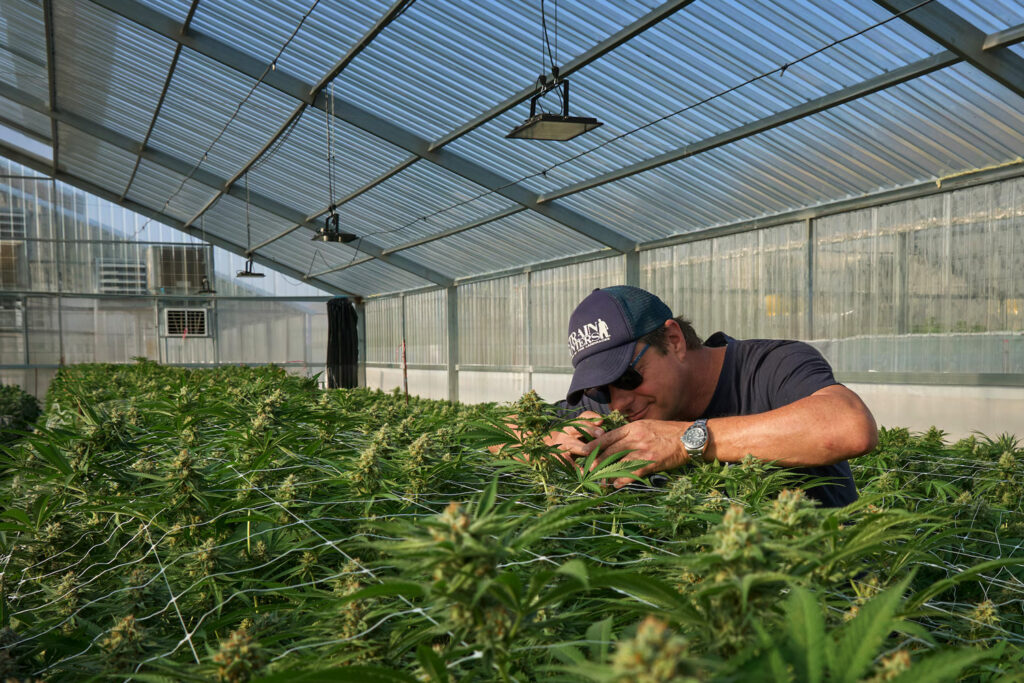
Timothée Rouanet, also known as Dust, has been associated with cultivation and quality control within Green House. He has been described as the person responsible for turning genetics into finished plants.
Rather than relying only on numerical data, he emphasized observing plant responses in daily practice. Environmental factors such as temperature, humidity, light, and soil were adjusted based on each plant’s condition. The brand’s long-term stability in quality has been linked to continuous work at the cultivation level.
4: Strain Development and Philosophy Behind Green House
Green House became globally recognized not only through branding, but through its approach to strain development. The brand has often been discussed not only for the strains it created, but for how it approached genetics.
Rather than producing strains quickly to follow trends, it focused on long-term breeding. Its philosophy emphasized developing genetics that could remain relevant over time.
Core Principles in Strain Development
In strain development, Green House emphasized stability and reproducibility, not only yield or appearance. The goal was to create genetics that expressed similar traits across different environments and growers.
The philosophy prioritized long-term usability over temporary strength. There has been discussion within the industry that strains which remain stable across growers are more likely to spread culturally.
Why Green House Is Associated with Medical and Quality-Oriented Cannabis
Green House has often been discussed in relation to medical and quality-focused cannabis. Its development approach emphasized balance, aroma, and post-use condition, rather than only numerical potency.
The focus included how the experience feels and how it fits into daily life. Descriptions such as “not excessively strong,” “easy to handle,” and “less tiring over time” have been associated with its strains. These characteristics overlap with what quality-oriented and medical users often seek.
5: Green House’s Influence in the Cannabis Industry

Green House has often been described as influencing the values and evaluation standards of the cannabis industry. In some discussions, how a person evaluates Green House reflects how they view cannabis itself.
Through projects such as Strain Hunters, the brand documented landrace strains and rare genetics across different regions. Led by Arjan Roskam and Timothée Rouanet (Dust), the series focused on genetic preservation and cultural context. Rather than only presenting strains, it highlighted biodiversity and the origins of cannabis genetics.
Recognition at Cannabis Cup
The Cannabis Cup is a globally recognized award evaluating cannabis quality, strains, and cultivation. Founded in the 1990s, it assesses aroma, flavor, experience, and overall quality.
Green House has received recognition across multiple strains over many years. Its name has appeared in different eras and categories. This continuity has been described as more than a temporary trend.
Influence on Other Cannabis Brands
Green House has also influenced other breeders and brands. Within the industry, discussions of strain development often reference Green House as a starting point.
Some later breeders have openly acknowledged being influenced by its genetics and philosophy. This has positioned Green House not only as a popular brand, but as a reference point in breeding culture.
6: Characteristics of Green House Observed On Site
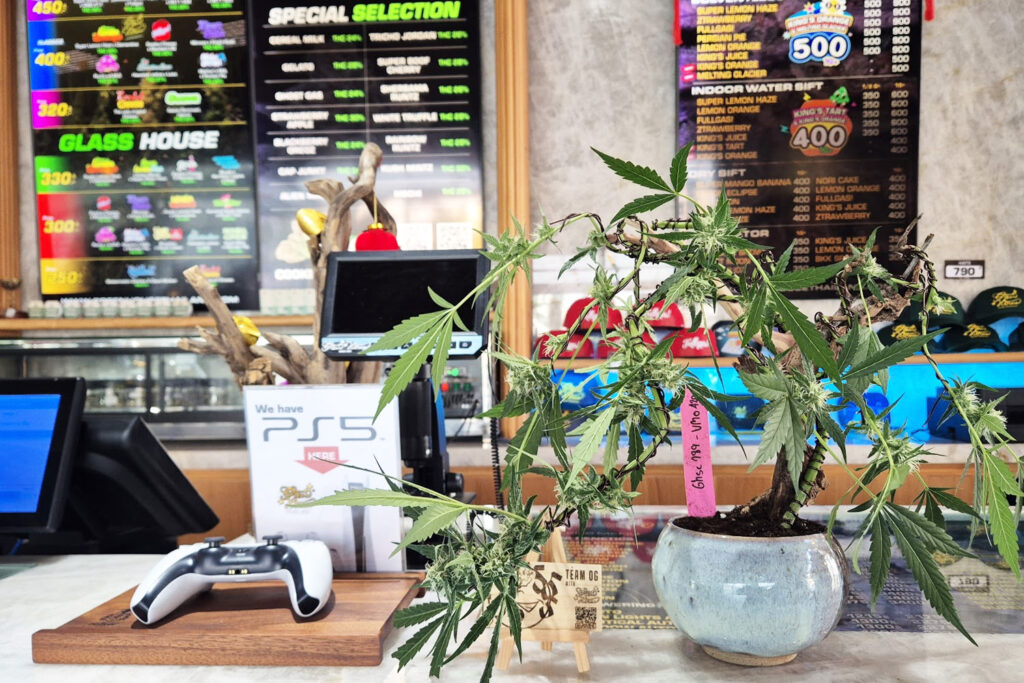
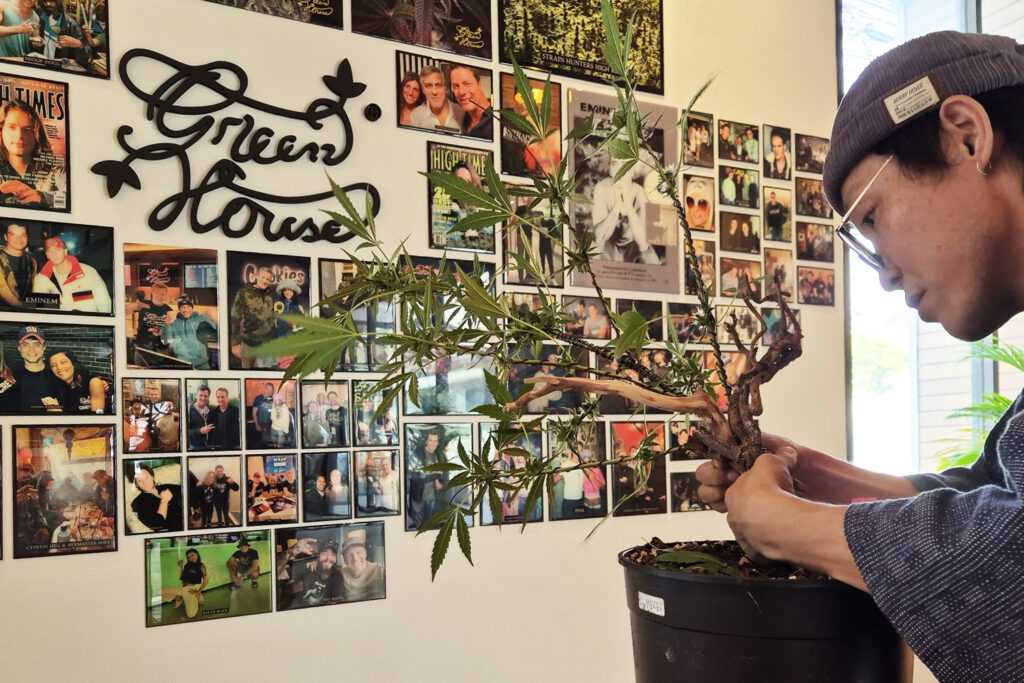
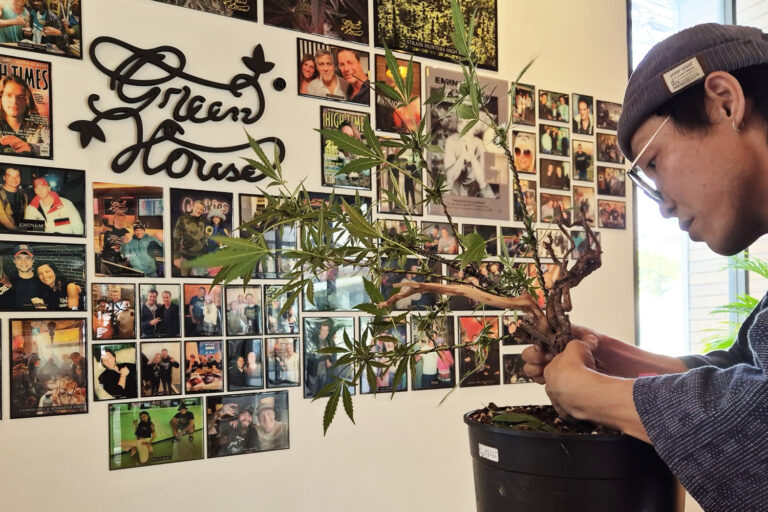
On site, Green House felt defined more by long-term consistency than by flashy presentation. Its attitude appeared in the space, the products, and the staff’s behavior.
Even without knowing the full brand story, its priorities were perceptible. The experience felt less like visiting a famous brand and more like stepping into an extension of its values.
Brand Atmosphere and Philosophy
The atmosphere did not rely on excessive luxury or loud presentation. It felt grounded and restrained.
There was a sense of respect toward cannabis itself and a balanced distance toward the user. This impression extended beyond interior design into operations and staff conduct. Rather than feeling built for sales alone, the brand appeared embedded within cannabis culture.
7: Where You Can Experience Green House

Green House is widely known through strain names and awards. However, fewer people recognize that its world can be experienced physically.
The impression changes significantly between knowing the name and visiting in person. Experiencing the brand on site provides a different understanding than reading about it.
Global Expansion
Green House does not rely on a single country or market. It began in the Netherlands and expanded across Europe, the United States, and Asia.
The brand has maintained involvement in breeding, quality, and philosophy. Regional expression may vary, yet the core identity remains recognizable.
Characteristics of Green House Dispensaries in Thailand
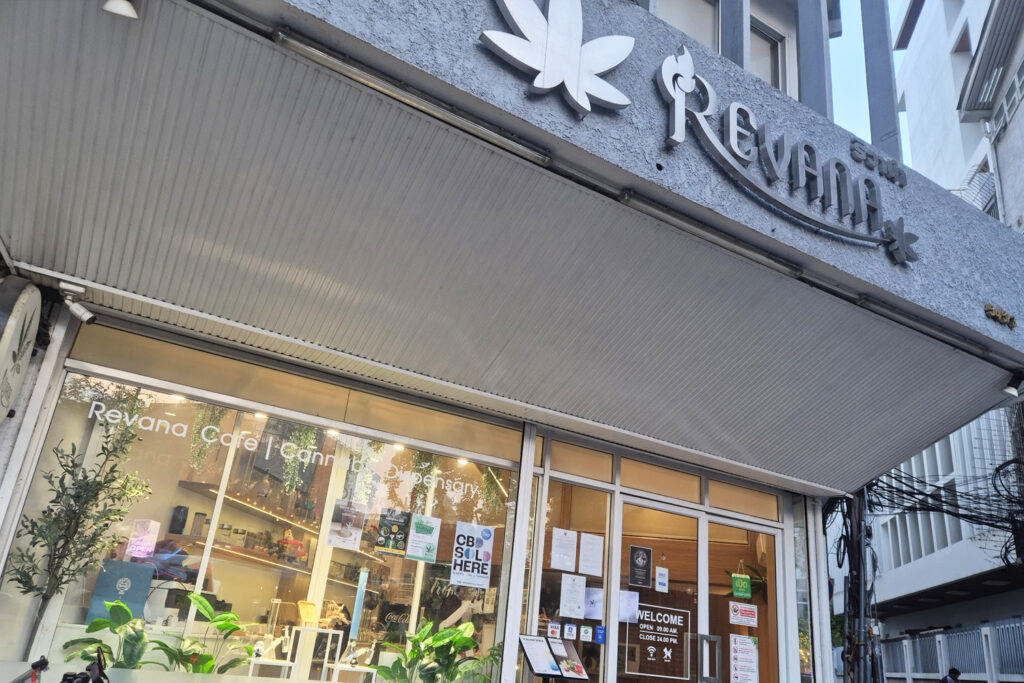
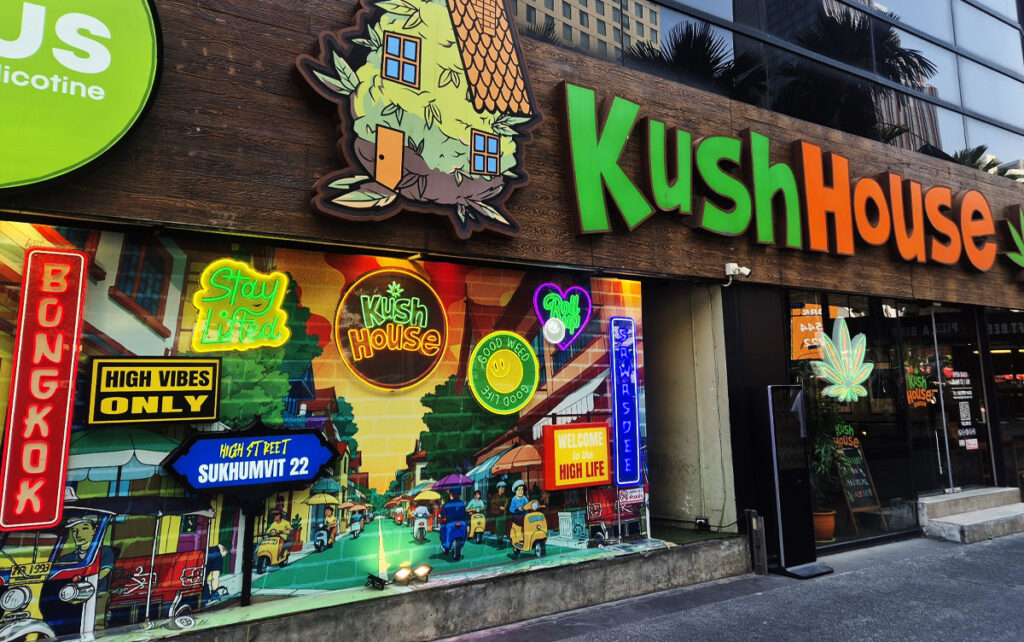
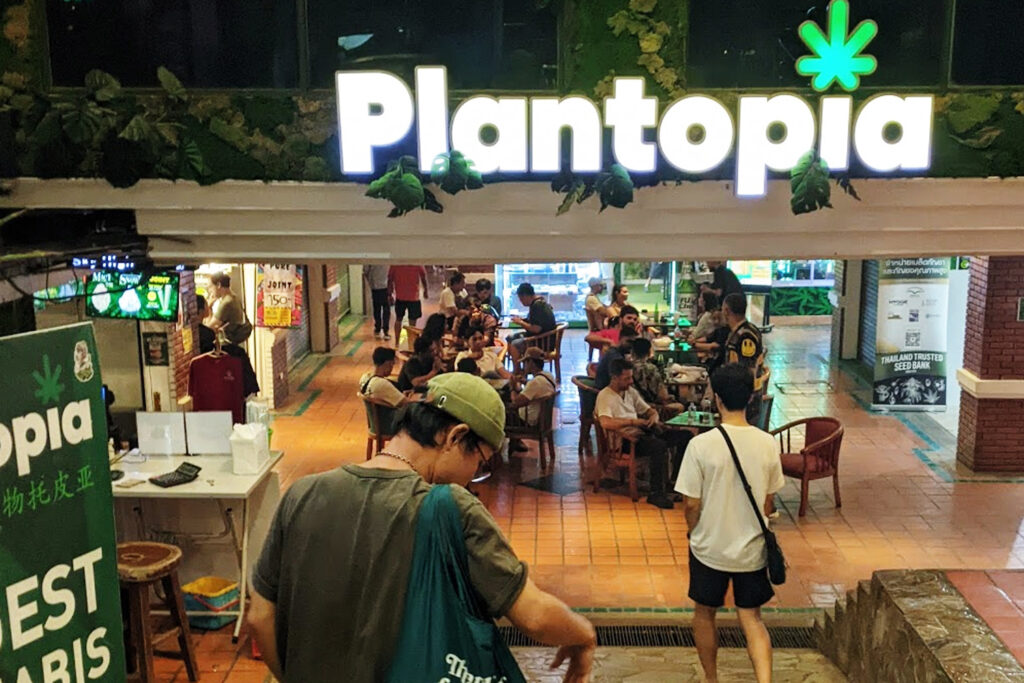
There are five Green House dispensaries in Thailand. They feel designed to reflect the brand’s philosophy rather than function as simple retail spaces.
The atmosphere emphasizes calmness over spectacle. First-time visitors can spend time there without feeling pressured. The focus on quality and cultural distance appears consistent. For those seeking deeper understanding, the physical space helps clarify the brand’s background.
8: Why Has Green House Become a Global Brand?
Green House did not become a global brand through awards alone. Its recognition reflects accumulated decisions in strain development, quality standards, cultural positioning, and regional expansion.
The brand appears to prioritize continuity over spectacle. That approach has allowed it to be accepted across cultural, medical, and research contexts.
Its global status seems rooted not only in achievements, but in the posture it has maintained over time. This sustained stance explains why it continues to function as a reference point within the industry.
For those visiting Thailand and wanting to understand Green House beyond its name, stepping into one of its dispensaries offers a direct way to experience the brand’s philosophy in person.
Note: This article is based on content originally published on the Japanese edition of OG Times .