Tropical Thunder Cannabis Farm in Pattaya: Living Soil Indoor Cultivation Explained
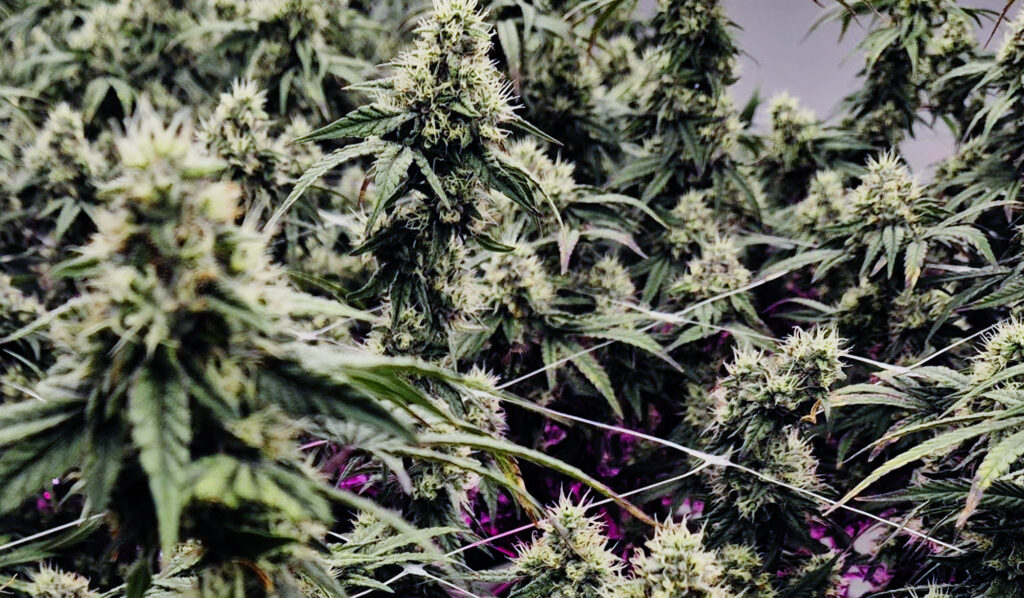

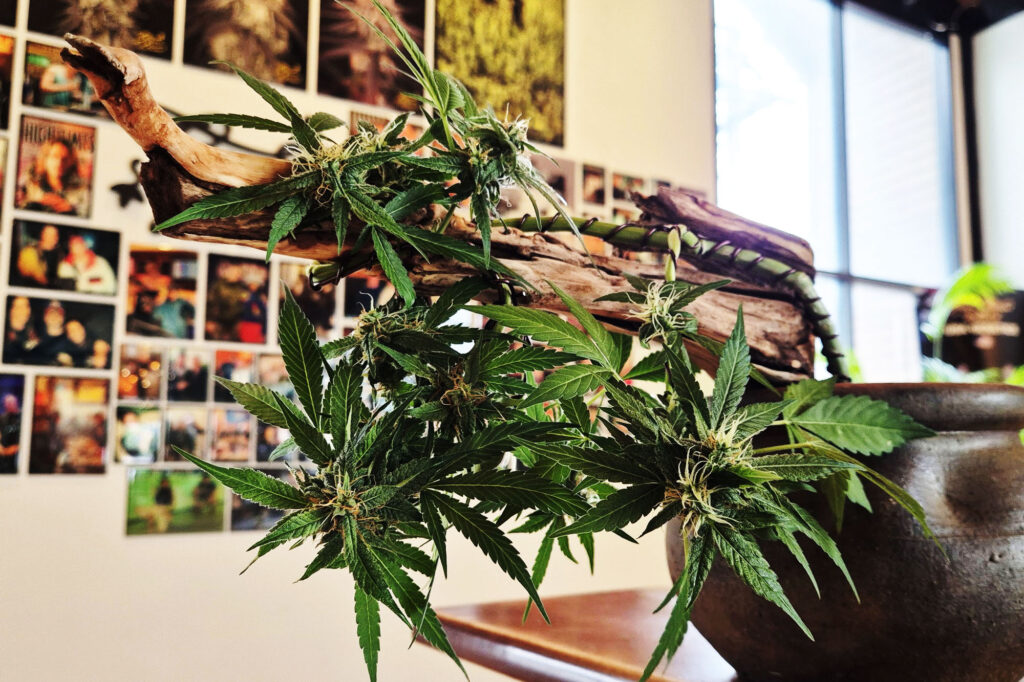
“Tropical Thunder” is a professional cannabis cultivation team in Pattaya with over 15 years of growing experience. They practice fully indoor cultivation using living soil.
Having consumed cannabis for over 15 years and worked as an organic grower myself, I consider the quality of their medical cannabis to be exceptional.
This article introduces their farm and cultivation philosophy based on an on-site visit.
Visiting the Tropical Thunder Cannabis Farm in Pattaya
Tropical Thunder operates a fully indoor cultivation facility using living soil. Their philosophy excludes the use of PGRs and synthetic pesticides, focusing instead on maximizing aroma and flavor through organic methods.
They hold cultivation licenses and GAP certification, and plan to obtain GACP certification.
Mustard as a Companion Plant to Improve Cannabis Quality
At Tropical Thunder, mustard greens are planted in the same beds as cannabis. This is a form of companion planting commonly used by organic cannabis growers.
Mustard helps suppress soil pathogens and nematodes. Its roots release allyl isothiocyanate, supporting soil health. The leaves also absorb excess nitrogen and moisture, stabilizing airflow and moisture balance.
Mustard’s deep root system stimulates microbial activity and strengthens biodiversity within the living soil.
Why Living Soil Is Powerful: Earthworms as Natural Fertilizer
Earthworms are intentionally maintained in the soil. The presence of earthworms is considered a sign of optimal conditions in organic cannabis cultivation.
Earthworms break down soil and produce nutrient-rich castings. These castings contain plant-available nitrogen, phosphorus, potassium, trace elements, and beneficial microbes.
Their movement improves aeration and drainage, reducing the risk of root rot and mold.
The Process of Building Soil with Custom Organic Nutrient Blends
Tropical Thunder prepares soil blends for each growth stage. Fish bone meal, crab shell meal, bone meal, fish meal, and rock phosphate are stored separately as natural fertilizer inputs.
These organic materials are broken down by soil microbes and gradually released to the plant. Fish bone meal and bone meal supply phosphorus and calcium, while crab shell meal supports plant resilience through chitin content.
Rather than feeding the plant directly, their philosophy is to build the soil so that the soil feeds the plant.
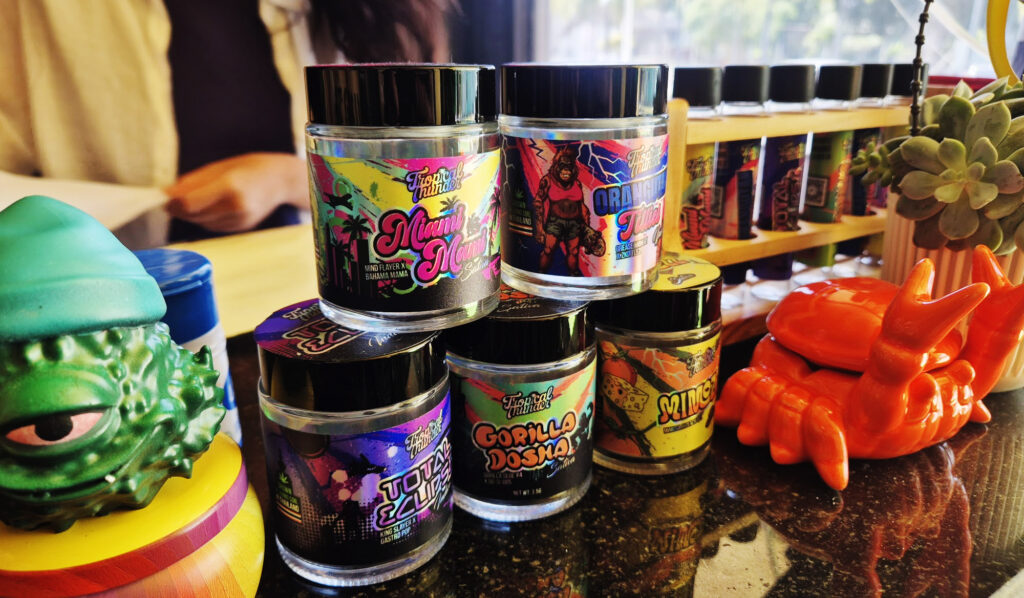
Miami Mami by Tropical Thunder: A Signature Strain
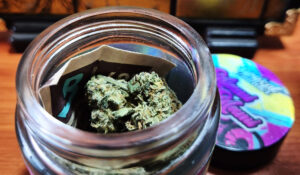
Miami Mami is Tropical Thunder’s signature strain and won 1st place in the Hybrid category at Patya Payap 2024.
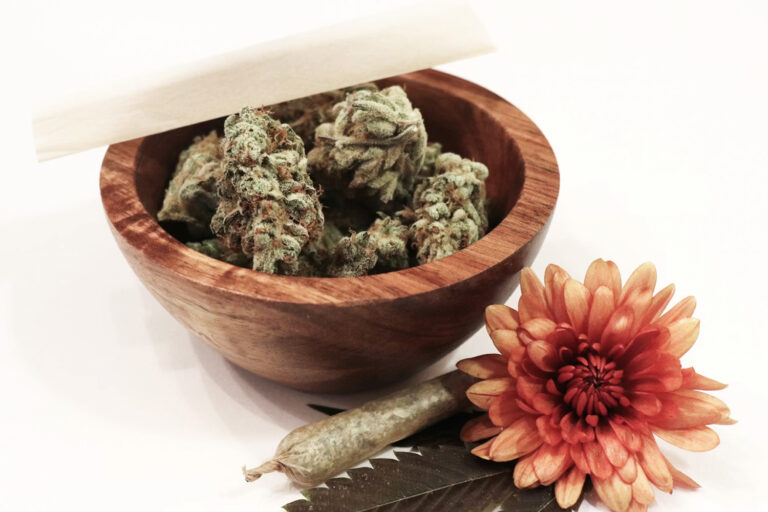
It combines tropical fruit, vanilla cream, and candy-like sweetness, creating a bright and expressive aroma from the first inhale.
The primary terpenes are Limonene, Myrcene, and Caryophyllene.
Limonene delivers a vibrant citrus top note. Myrcene adds tropical sweetness and deep relaxation. Caryophyllene contributes spice and balance.
When smoked, it lifts the mood while relaxing the body, yet delivers a stronger THC experience than expected.
Cultivated carefully in living soil, Miami Mami represents Tropical Thunder’s philosophy of drawing maximum flavor from natural inputs.
GanjaBonsai Reviews Tropical Thunder Medical Cannabis
Among the various Tropical Thunder strains I have tried, Miami Mami is the one I recommend most.
After more than 10 years of regular cannabis use, effects can become less pronounced. Even in that context, Miami Mami provided a noticeable lift in mood and motivation.I have personally used it since living in Pattaya and continue to consider it a favorite.The farm also offers lower-THC options suitable for beginners, allowing customers to choose strains based on their situation.
Tropical Thunder cultivates cannabis through fully indoor living soil methods, focusing on drawing out aroma and flavor from the soil itself.
In December 2025, they opened Tropical Thunder Dispensary in Jomtien, Pattaya.
If you would like to experience their flower directly, you can read the dispensary article below.
Note: This article is based on content originally published on the Japanese edition of OG Times .