Does Cannabis Help Depression? What Research and Clinical Practice Suggest Today


“Does cannabis help with depression?” is one of the questions that comes up most consistently at cannabis clinics and dispensaries in Thailand. From personal observation: some people describe feeling lighter, less caught in their own thinking, or more able to sleep. Others report increased anxiety or a heavier mood. Both responses are real, and neither cancels the other out.
Research into how cannabis compounds interact with brain systems involved in mood regulation is ongoing, and the endocannabinoid system’s role in emotional stability is an active area of study. (Source: National Institutes of Health (NIH) Research Team)
What has not been established is that cannabis treats depression as a medical intervention. That distinction matters, and it runs through everything in this article.
This guide works through what research shows, what clinical experience in Thailand’s medical cannabis context suggests, and what personal observation across dispensary settings has produced — presented as clearly as the current state of evidence allows.
1: Before Asking Whether Cannabis “Works” — Establishing the Right Frame
The question “does cannabis help with depression?” contains a category problem that needs untangling before anything useful can be said. From conversations at medical cannabis clinics in Thailand: the distinction between “depression” as a clinical diagnosis and “feeling depressed” as a temporary emotional state comes up in nearly every serious consultation on this topic.
Research has indicated that clinical depression is a psychiatric condition evaluated against diagnostic criteria — involving sustained depressive mood, loss of interest, sleep and appetite disruption, and other factors — and is distinct from transient low mood that most people experience periodically. (Source: National Institute of Mental Health (NIMH))
Conflating the two makes the “does it work” question impossible to answer usefully. The question means something different depending on which state it’s referring to, and honest answers require the distinction.
Feeling Down Is Not the Same as Clinical Depression
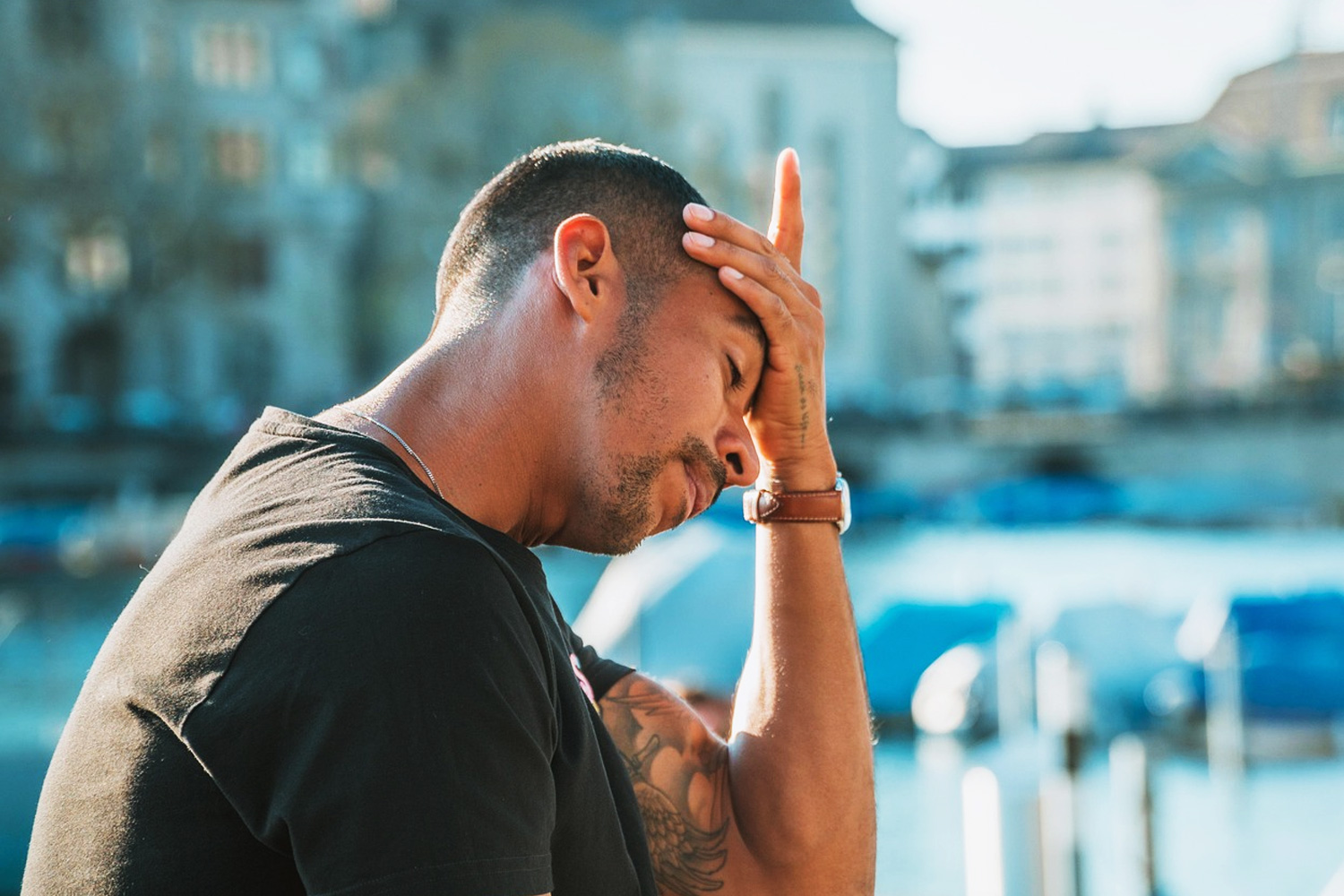
From observation at Thai dispensaries and clinics: many visitors who ask about cannabis for depression are describing stress, environmental difficulty, or a difficult period — not a formal diagnosis. Medical professionals make this distinction carefully, and the management implications are different.
Clinical depression involves a sustained pattern across multiple domains that significantly disrupts functioning. Temporary low mood from circumstance, fatigue, or stress follows a different course and responds differently to interventions. If cannabis is expected to address something at the level of clinical depression, the expectation is likely misaligned with what the evidence supports. If the aim is to ease temporary tension or improve sleep quality during a difficult period, the conversation is different.
Research has confirmed that depression is a clinically defined condition with specific diagnostic criteria, distinct from adjustment to circumstance or episodic low mood. (Source: World Health Organization (WHO))
The Causes Are Multiple — Which Matters for What Any Single Intervention Can Do
Depression and depressive states don’t have a single cause, and this is directly relevant to what cannabis can and cannot realistically address. From observation: the triggers people describe include work stress, sleep deprivation, relationship difficulty, economic pressure, and chronic anxiety — different combinations for different people.
Research has indicated that depression involves neurobiological factors, environmental stressors, genetic predisposition, and chronic stress — a multi-factor picture rather than a single mechanism. (Source: Harvard Medical School Research Team)
A substance that affects one part of that picture — say, acute anxiety or sleep onset — cannot be expected to resolve the rest. Cannabis may interact with some of the mechanisms involved; calling that “treating depression” overclaims what the evidence actually shows.
2: What Research Actually Shows About Cannabis and Mood
Research interest in cannabis compounds and mood-related conditions has grown considerably in recent years. From clinical consultations observed in Thailand: physicians regularly discuss the endocannabinoid system’s potential relevance to emotional regulation — while consistently noting that the research is at an early stage.
The endocannabinoid system is an endogenous regulatory network involved in stress response, emotional stability, and other functions. Research has indicated that disruption to this system may increase risk for mood disorders, and that cannabis compounds interact with it in ways that could influence these functions. (Source: National Institutes of Health (NIH) Research Team)
The gap between “interacts with a mood-relevant system” and “treats depression” is substantial. Most current research falls in the first category, not the second.
The Endocannabinoid System and Emotional Regulation
The endocannabinoid system involves endogenous cannabinoids that modulate neural activity across multiple systems relevant to stress and emotion. Research has indicated that deficiencies or dysregulation in this system may contribute to mood vulnerability, and that exogenous cannabinoids can interact with these pathways. (Source: National Library of Medicine (NLM))
From clinical discussions observed in Thailand: physicians describe this as cannabis potentially offering “temporary rebalancing through the endocannabinoid system” — with the explicit caveat that the clinical significance of this effect and its durability are still being established. The individual variation in response is large enough that the same product at the same dose produces meaningfully different outcomes across different people.
CBD — Anxiety Reduction and Anti-Inflammatory Research
CBD has more research associated with anxiety reduction than THC does for depression. Potential interactions with serotonin receptors (5-HT1A) and stress response modulation have been identified in research, with some studies showing reduced anxiety measures following CBD administration. (Source: University of São Paulo Research Team)
From clinical observation: CBD-dominant products are more frequently recommended for people presenting with significant anxiety components, particularly those who want to avoid the psychoactive effects of THC. The research on CBD and anxiety is more developed than research on CBD or cannabis and depression — but even here, establishing it as a treatment rather than a potential adjunct remains premature. Effect magnitude and duration vary substantially across individuals and studies.
THC — Mood Effects and the Dose-Dependent Risk
THC produces mood effects that some people experience positively — reduced tension, elevated mood at lower doses. This is part of what generates the “it helped my depression” report. (Source: National Institutes of Health (NIH) Research Team)
From observation: “I felt lighter” and “my mood lifted” are genuine descriptions of real experiences. What complicates this is that THC’s mood effects are strongly dose-dependent and heavily influenced by baseline psychological state. Higher doses or use during periods of significant stress increase the probability of anxiety amplification, disordered thinking, and mood deterioration — the opposite of the intended effect.
Research has confirmed that THC’s psychological effects are dose-dependent and that the same compound that produces mood elevation at modest doses can produce anxiety, paranoia, and depressive states at higher doses or in vulnerable individuals. (Source: Centre for Addiction and Mental Health (CAMH), Canada)
The implication: THC is not reliably mood-positive. Whether it helps or harms depends on dose, individual, and conditions — none of which can be fully predicted in advance.
3: Why Some People Report Feeling Better — The Observation-Based Account
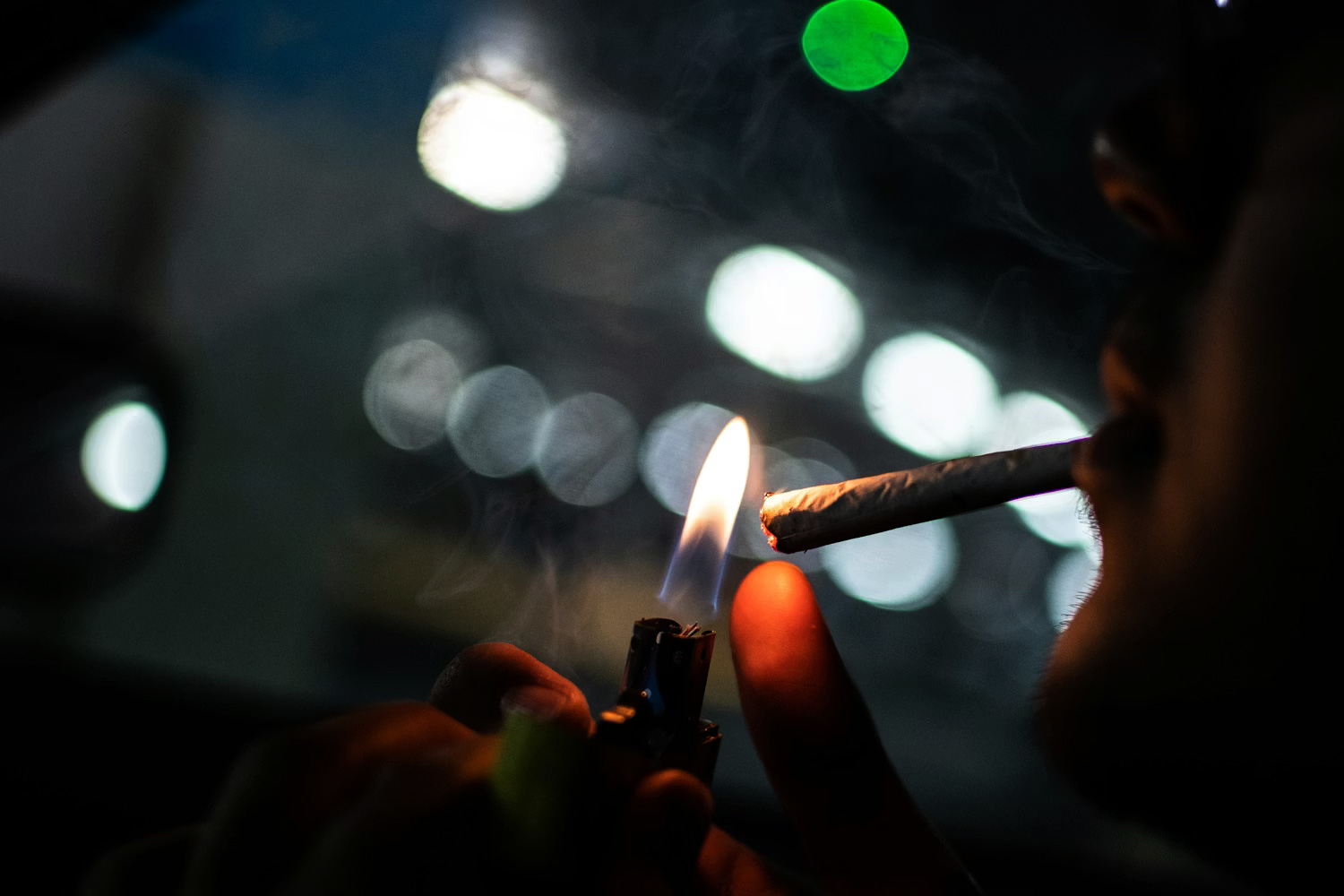
From extensive observation at Thai dispensaries and clinics: a consistent subset of people describe genuine improvement in how they feel during or after cannabis use. Understanding why requires separating what’s actually changing from the narrative that sometimes gets built around it.
An experience of feeling better is real. That experience is not the same as evidence of therapeutic action against depression. What’s actually happening in most cases involves changes in physical tension, thought patterns, and sleep — secondary factors that, when improved, make the subjective emotional state feel different.
Tension Release and Thought Quieting
From personal observation: the most consistent version of “cannabis made me feel better emotionally” describes a release of physical tension — shoulders, breathing, chronic muscular holding — combined with a reduction in the automatic cycling of anxious or ruminative thought. The outcome: “my head was quieter” or “I stopped going over things.”
Research has indicated that cannabis compounds may influence stress response and emotional processing in ways consistent with this description. (Source: National Library of Medicine (NLM))
The critical limitation: this effect is temporary, and the underlying conditions that produced the tension and rumination remain unchanged. Repeated use in this pattern creates a cycle that some people find difficult to step back from — not because the effect stops working, but because the relief it provides doesn’t address what generates the distress.
Sleep and Appetite — Indirect Pathways to Mood
From observation: “I finally slept” and “I started eating again” are among the most common positive reports from cannabis users with depressive presentations. Both matter because sleep disruption and appetite loss are recognized contributors to worsening depressive states. (Source: World Health Organization (WHO))
If cannabis enables better sleep or restores appetite, those changes can indirectly improve how someone feels — not through direct antidepressant action, but through improving conditions that support mood stability.
The complication: high-THC products can increase arousal and disrupt sleep for some people, making this benefit specific to product type, dose, and individual response. The indirect mood benefit from sleep improvement is real; predicting whether cannabis will produce that improvement for any given person requires some personal experimentation.
4: Cannabis and Sleep — Why “I Finally Slept” Matters
Sleep-related improvements are among the most consistently reported positive cannabis experiences in Thailand’s medical context. The relationship between sleep quality and mood is well-established — chronic sleep disruption is a recognized contributor to depressive states, and improving sleep has measurable mood effects. (Source: World Health Organization (WHO))
Why CBD-Dominant Products Are More Often Recommended for Sleep
THC:CBD ratio shapes the sleep-related cannabis experience more than almost any other variable. CBD-dominant formulations are more consistently associated with the sedative, tension-releasing effects that support sleep onset — without the stimulating or disorienting effects that high-THC products can produce. From clinical observation: when someone presents with sleep difficulty as a primary concern, CBD-dominant products are typically the first recommendation.
High-THC products can increase arousal and heart rate in ways that work against sleep onset, particularly for people who are already in an activated or anxious state. This means the direction of the cannabis-sleep relationship is product-dependent rather than universal.
Sleep Support Is Not Sleep Treatment
“I slept better” after cannabis use is a frequently accurate self-report. What this doesn’t mean is that the underlying sleep disorder or its causes have been addressed. If cannabis assists with sleep onset on a given night, that assistance is real — and its contribution to mood is also real. Whether continued use sustainably improves sleep, or whether dependency and tolerance effects develop, is a different question that the short-term experience doesn’t answer.
From personal observation: the people who find cannabis most useful for sleep tend to be using it as an occasional adjunct rather than a nightly requirement. When nightly use becomes necessary to achieve sleep, the picture has changed in ways that warrant consideration.
5: Why Cannabis Cannot Be Called a Depression Treatment
From clinical discussions observed in Thailand: physicians consistently describe cannabis as a possible adjunct to existing care, not as a first-line or standalone treatment for depression. The same framing is reflected in global medical guidance.
Research has not yet produced the volume, quality, and duration of clinical trial data required to position cannabis as a medically recommended intervention for depression — even as the potential mechanisms are being actively studied. (Source: World Health Organization (WHO))
Experiencing relief is not the same as receiving treatment. The gap between those two things is where careful thinking is most needed.
The Research Is Early-Stage and Incomplete
The studies most frequently cited in cannabis-depression discussions are primarily animal studies, small-scale clinical observations, and short-duration trials. Long-term efficacy data, comparison with established antidepressant treatments, and dependency risk profiles across extended use are inadequately characterized in the current literature.
Research has confirmed that while mechanisms are plausible and early findings are sometimes promising, the evidence base does not yet support cannabis as a clinically established depression treatment. (Source: National Institutes of Health (NIH))
High-THC Products Can Worsen Depressive States
From personal observation: among people who reported negative experiences — increased anxiety, more ruminative thinking, heavier mood — the common factor was high-THC products, often used during periods of significant psychological stress or pre-existing anxiety. This isn’t rare and it isn’t unpredictable in retrospect.
Research has confirmed that high-dose THC increases risk of anxiety amplification, paranoid ideation, and mood deterioration — particularly in individuals with anxiety predisposition or during high-stress periods. (Source: Centre for Addiction and Mental Health (CAMH), Canada)
This means that the same category of product being discussed as potentially helpful for depression is also documented as potentially harmful for it — depending on dose and individual factors. That asymmetry needs to be in the picture when forming expectations.
Why Medical Professionals Take a Cautious Position
From clinical observation in Thailand: every physician consultation on cannabis for mood-related concerns included two consistent points — don’t discontinue existing treatment, and don’t substitute cannabis for professional care. Drug interaction data between cannabis and antidepressants or anxiolytics is incomplete, and physicians cannot currently guarantee safety in combined use. (Source: National Institute of Mental Health (NIMH))
The clinical caution isn’t pessimism about cannabis — it’s the honest assessment of what the evidence currently supports.
6: Should You Use Cannabis When Feeling Depressed? A Framework for Thinking It Through
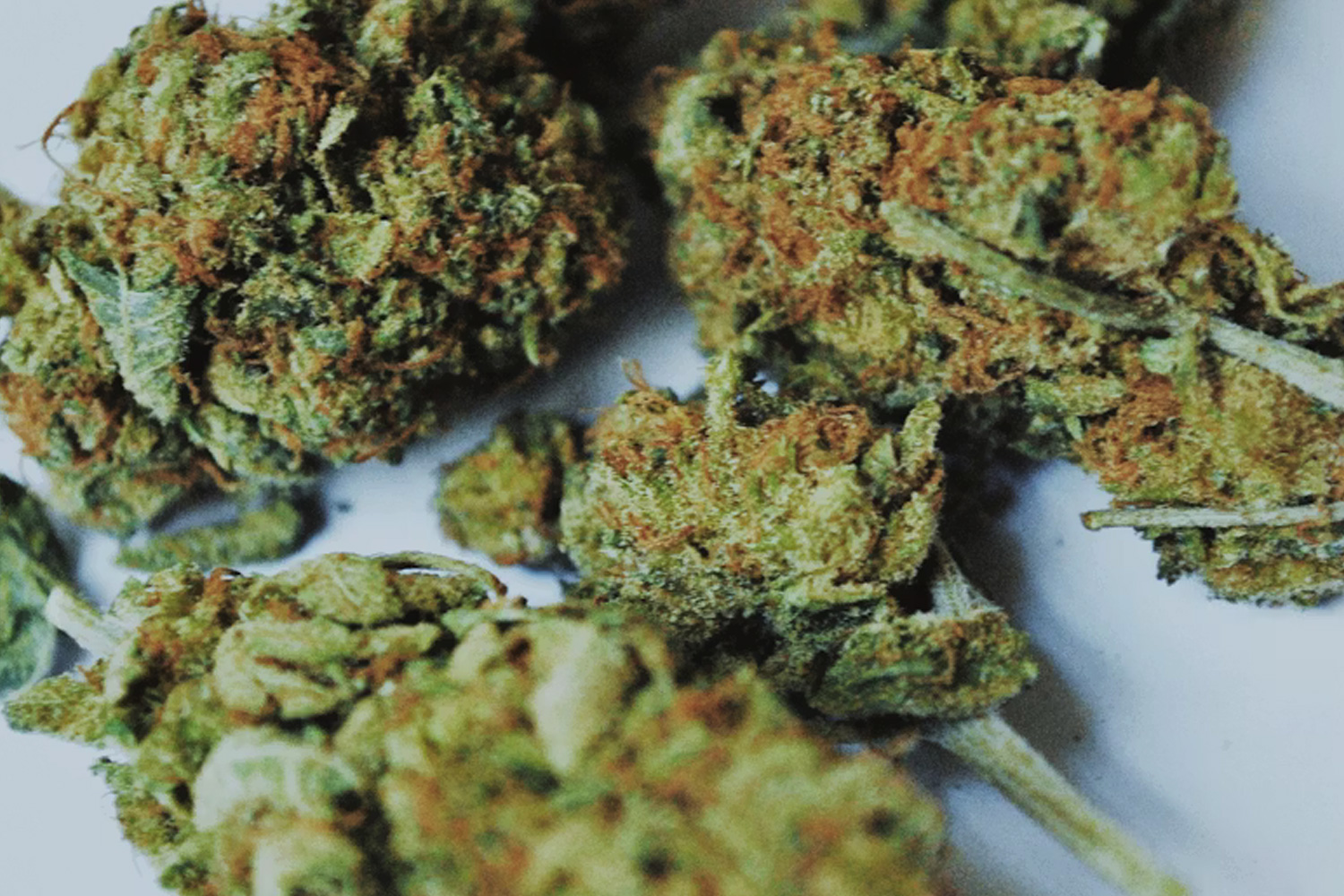
From observation: the question “I’m struggling right now — is cannabis a good idea?” doesn’t have a universal answer. Both the potential for temporary relief and the potential for worsening are real, and which direction the experience goes depends on factors that aren’t fully predictable in advance.
The most useful approach is to evaluate the question from both directions — what might help, and what might make things worse — rather than looking for a simple yes or no.
Possible Benefits and Possible Harms — Both in View
From observation, what people with depressive presentations most often report as positive: temporary mood lightening, reduced tension, quieter ruminative thinking, easier sleep onset, and restored appetite. Research suggests these effects are plausible through known mechanisms.
What the same population reports as negative: increased anxiety, more intense self-critical thinking, inability to stop the mental loop, physical discomfort from high-THC products, and a sense of heaviness after the effect passes.
Research has confirmed that THC’s effects on mood and anxiety are dose-dependent and individual-dependent, with outcomes that can run in opposite directions for the same person under different conditions. (Source: National Library of Medicine (NLM))
Temporary relief and long-term benefit are different things. Keeping both in view when making the decision is what makes it a considered decision rather than a reactive one.
Situations Where Caution or Avoidance Is Warranted
From clinical observation: the situations most consistently associated with difficult cannabis experiences in depressive or anxious individuals include high-THC products, use during acute stress or psychological crisis, prior history of panic episodes, and current involvement in psychiatric medication treatment.
When depressive symptoms are severe and significantly impairing daily functioning, the appropriate first step is professional consultation — not cannabis as a first trial.
From personal observation: the people who seem most at risk of negative outcomes are those who approach cannabis as the primary intervention in a difficult psychological period, without other support structures or professional assessment. Cannabis as one element of a considered approach is different from cannabis as the plan.
7: How Thailand’s Medical Cannabis System Actually Handles This
From observation across multiple medical cannabis clinics in Thailand: cannabis is not positioned as a depression treatment within the clinical system. The operational framing is consistently “supplementary to existing care” — not a replacement for it, and not a primary intervention.
Thailand has developed regulatory infrastructure for medical cannabis use, with physician oversight and structured issuance of medical certificates as prerequisites. (Source: Ministry of Public Health, Thailand)
From observation: the clinical context in Thailand is significantly more cautious about cannabis and depression than much of the online conversation around this topic.
How Cannabis Is Actually Positioned in Thai Clinics
From clinical consultations observed: when mood-related concerns are presented, the most common cannabis recommendations are for peripheral symptom management — sleep difficulty, persistent anxiety not responsive to other approaches, chronic tension. Direct “this will help your depression” framing is notably absent.
When patients are already in psychiatric treatment, the standard approach is to advise against changes to existing medication without the prescribing physician’s knowledge, and to flag the incomplete drug interaction data. The cannabis clinic’s role is positioned as supplementary, not primary.
What the Medical Certificate Process Involves
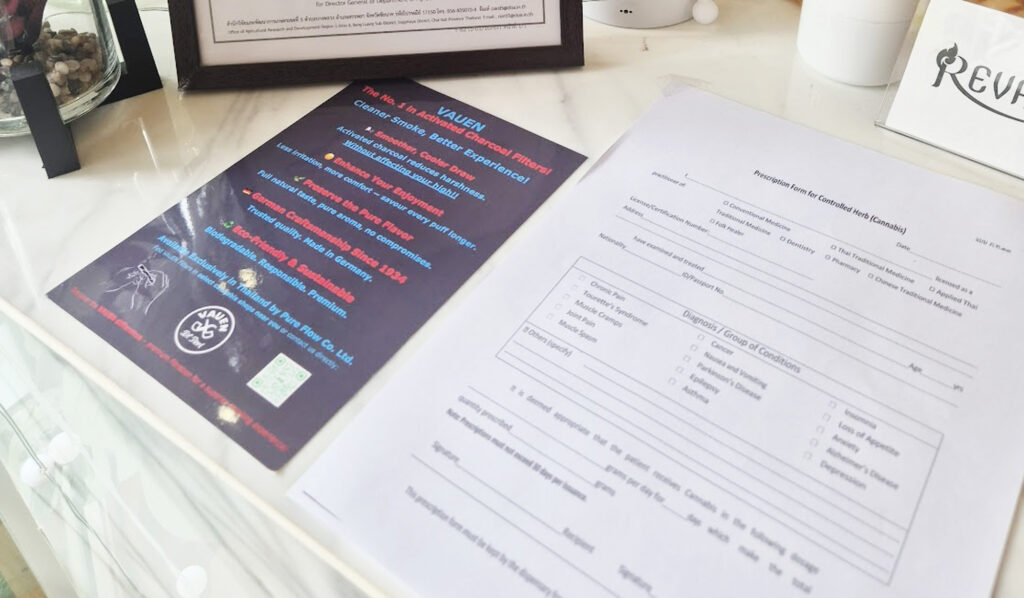
Obtaining a Medical Cannabis Certificate in Thailand involves a clinical consultation that includes symptom history, current medications, and previous diagnoses. From personal experience with the process: the consultation includes explicit guidance on starting at low doses, avoiding high-THC products in anxiety-prone individuals, monitoring response, and discontinuing if adverse effects appear.
The consistent message in Thai clinical cannabis contexts: proceed carefully, inform your existing treatment providers, and treat cannabis as a possible adjunct — not as an alternative to professional mental health care. (Source: Ministry of Public Health, Thailand)
8: What Can Actually Be Said — Summarizing the Evidence

Cannabis does not have established medical status as a depression treatment. That position reflects the current state of evidence, not a dismissal of real experiences.
What the evidence does support: cannabis compounds interact with systems involved in mood and stress regulation through the endocannabinoid system. Some people experience genuine relief from tension, anxious thinking, and sleep difficulty through cannabis use. These experiences are real. CBD in particular shows some research support for anxiety reduction. High-THC products carry real risk of anxiety amplification and mood worsening in vulnerable individuals and in unfavorable conditions.
What the evidence does not yet support: cannabis as a clinically validated, reliably effective treatment for depressive conditions. The research is ongoing but incomplete. Long-term safety, comparison with established treatments, and clear identification of who benefits remain inadequately characterized.
The most useful framework: cannabis as one possible element in a wider approach to managing mood and sleep difficulty — with realistic expectations about what it can and cannot do, awareness of the dose-dependent risk on the high-THC side, and a clear boundary between supplementing professional care and substituting for it.
From personal experience: the people who seem to navigate this most thoughtfully are those who hold both the possibility and the limitation honestly — who don’t dismiss their own experience of relief, and don’t inflate it into something the evidence doesn’t support.
Note: This article is based on content originally published on the Japanese edition of OG Times .