What Is a Cannabis Bad Trip? Causes, Symptoms, and How Beginners Can Avoid It

Cannabis may cause a “bad trip” for some people, especially when THC feels stronger than expected. In many cases, this experience appears to involve intense anxiety, fear, confusion, rapid heartbeat, or a panic-like reaction that can feel overwhelming in the moment.
This article organizes what a cannabis bad trip commonly refers to, what factors tend to increase the risk, and what practical steps may help if it happens. Instead of treating it as something mysterious or “dangerous by default,” it focuses on how dosage, product strength, physical condition, mental state, and environment can shape the experience, and why edibles are often linked to unintended overconsumption.
The goal is to help first-time users and cautious travelers reduce unnecessary fear and misunderstandings by understanding patterns that are often reported and discussed in public health and clinical contexts. It is written for general information and aims to support calmer decision-making rather than promotion.
Can Cannabis Cause a Bad Trip?
Cannabis can sometimes lead to an experience commonly referred to as a “bad trip,” although this outcome is not universal and depends on multiple factors.
Cannabis is often associated with relaxation or altered perception, but in some situations it may produce intense discomfort instead. A “bad trip” is generally used to describe a state in which anxiety, fear, confusion, or loss of control becomes the dominant experience after cannabis use.
Rather than being caused by cannabis alone, this reaction is usually discussed as the result of how THC interacts with the brain under certain conditions. Dosage, individual sensitivity, mental state, and environment are frequently mentioned as contributing factors. For this reason, a bad trip is better understood as a situational response rather than an inherent property of cannabis itself.
What a “Cannabis Bad Trip” Typically Means
A cannabis bad trip typically refers to a temporary state of intense psychological and physical discomfort following cannabis use.
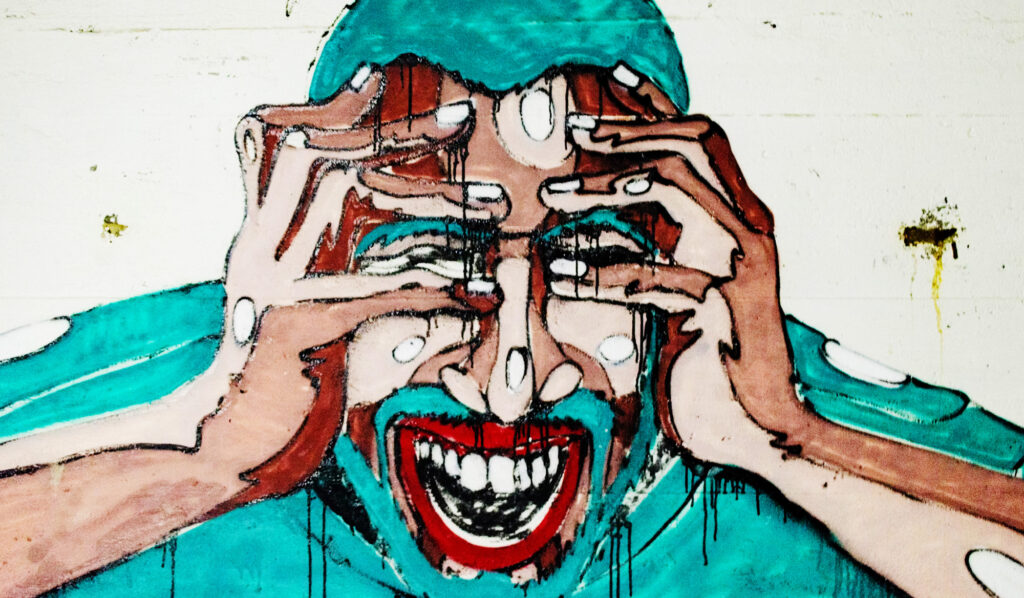
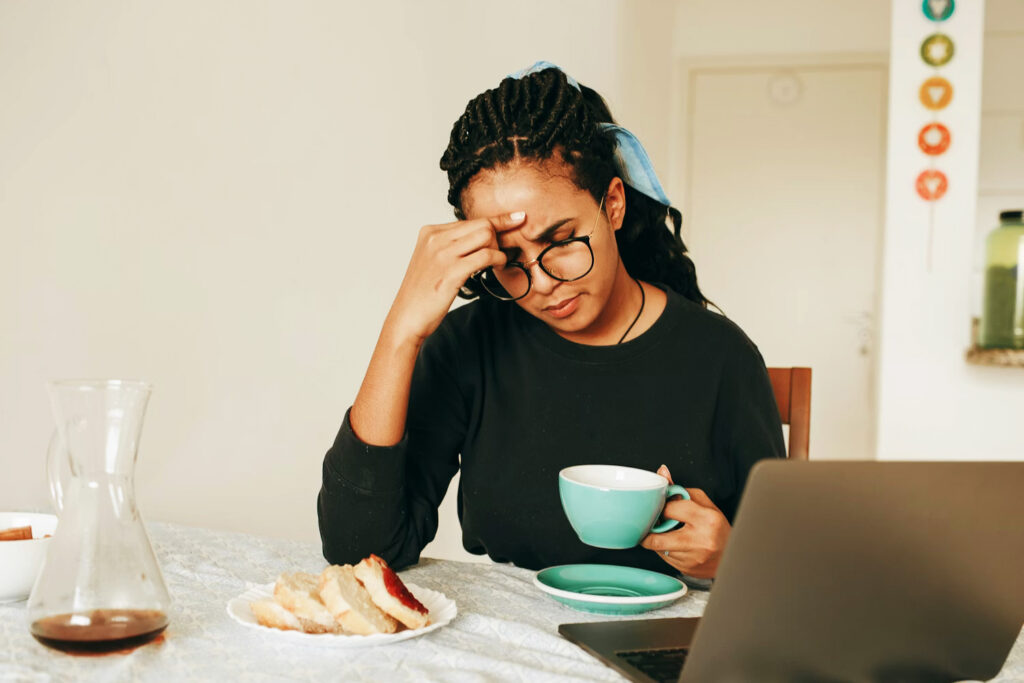
People who experience a bad trip often describe overwhelming anxiety, fear, racing thoughts, confusion, or a distorted sense of time. Physically, symptoms such as rapid heartbeat, dizziness, trembling, or a feeling of weakness may occur at the same time.
These reactions are commonly reported to be temporary and tend to ease as the effects of THC wear off. Public health discussions generally describe cannabis bad trips as non-lethal and self-limiting, although the subjective experience can feel severe while it is happening.
Why It Can Feel Like Panic or Losing Control
A cannabis bad trip can feel similar to a panic attack because THC may amplify fear-related responses and reduce the sense of control over thoughts and bodily sensations.
THC is known to affect brain regions involved in emotion, threat perception, and self-awareness. When these effects become too strong, normal bodily sensations such as a faster heartbeat or changes in perception may be interpreted as dangerous, which can further intensify anxiety.
This feedback loop can create the feeling of “losing control,” even though the reaction is usually temporary. Discussions in clinical and research contexts suggest that unfamiliar sensations, combined with worry about what is happening, play a significant role in why cannabis bad trips can feel so frightening.
What Causes a Cannabis Bad Trip?
A cannabis bad trip is usually triggered by a combination of dose, mental state, physical condition, and method of consumption rather than by cannabis itself.
While cannabis is often discussed as a single substance, the experience it produces can vary widely. Research and observational discussions suggest that bad trips tend to occur when THC effects become stronger than the user’s ability to comfortably process them. This imbalance can be influenced by potency, expectations, physical readiness, and timing.
Understanding these causes helps explain why the same product may feel calm and manageable in one situation, yet overwhelming in another.
High-THC Products and Taking Too Much
High-THC products are one of the most commonly cited factors associated with cannabis bad trips.
THC is the primary psychoactive compound in cannabis, and higher concentrations tend to produce stronger effects on perception, emotion, and bodily awareness. When intake exceeds an individual’s tolerance level, sensations such as anxiety, confusion, or loss of control may become more pronounced.
Modern cannabis products often contain much higher THC levels than in the past. Without careful dosing, it is easy to consume more than intended, especially for users who are unfamiliar with potency differences. Discussions in public health sources frequently note that excessive THC intake is linked to uncomfortable psychological reactions rather than physical toxicity.
First-Time Use and Anxiety-Prone Mindset
First-time use and an anxiety-prone mindset can increase sensitivity to THC and make negative reactions more likely.
People who are new to cannabis often lack familiarity with the sensations it produces. This uncertainty can lead to heightened self-monitoring and worry, which may amplify normal effects into distressing ones. THC is known to influence brain regions related to fear and emotional processing, which can intensify pre-existing anxiety.
An anxious mindset does not cause a bad trip on its own, but it can shape how sensations are interpreted. When unfamiliar bodily or mental changes are perceived as threatening, the experience may escalate into panic-like discomfort.
Fatigue, Sleep Loss, Hunger, and Dehydration
Poor physical condition can significantly increase the likelihood of a cannabis bad trip.
Fatigue, lack of sleep, hunger, and dehydration all place stress on the body’s regulatory systems. Under these conditions, THC effects may feel stronger or less predictable. Symptoms such as dizziness, weakness, or rapid heartbeat may already be present due to low blood sugar or dehydration and can be mistaken for signs of danger once cannabis is added.
Public health discussions often emphasize that cannabis experiences are influenced by overall physical state. Using cannabis when the body is already strained may reduce the ability to remain calm and grounded during psychoactive effects.
Edibles: Delayed Onset and Accidental Overconsumption
Edibles are frequently associated with bad trips because their effects are delayed and harder to judge.
Unlike inhaled cannabis, edibles must be digested and metabolized before THC enters the bloodstream. This delay, which can range from 30 minutes to several hours, often leads users to believe that the dose was insufficient and to consume more.
When multiple doses take effect at once, THC levels may rise higher than expected, increasing the risk of anxiety, confusion, and prolonged discomfort. Many health agencies note that edible-related bad trips are common precisely because timing and dosage are difficult to estimate without experience.
Common Signs of a Cannabis Bad Trip
A cannabis bad trip often involves a combination of mental and physical symptoms that feel intense but are usually temporary.
The experience is not limited to mood changes alone. Many people report both psychological discomfort and bodily sensations occurring at the same time. These reactions are generally linked to how THC affects the nervous system and how the individual interprets those sensations in the moment.
Recognizing common signs can help distinguish a bad trip from more serious medical issues and may reduce panic during the experience.
Mental Symptoms: Anxiety, Paranoia, Fear, Confusion
Mental symptoms are the most commonly reported features of a cannabis bad trip.
These may include sudden anxiety, a sense of fear without a clear cause, paranoid thoughts, or confusion. Some people describe racing thoughts, distorted time perception, or a feeling of being detached from themselves or their surroundings.
THC is known to influence brain regions involved in emotional processing and threat detection. When this stimulation becomes too strong, ordinary sensations may be interpreted as alarming, which can escalate mental discomfort. The experience may feel overwhelming, even though it is usually temporary.
Physical Symptoms: Rapid Heartbeat, Dizziness, Shaking, Weakness
Physical symptoms often accompany mental distress and can intensify the sense of danger.
Common physical signs include a rapid or pounding heartbeat, dizziness, trembling, sweating, dry mouth, or a feeling of weakness. These reactions are often linked to temporary activation of the sympathetic nervous system, which can occur with THC exposure.
Because these sensations resemble those of panic or anxiety attacks, they are sometimes misinterpreted as a medical emergency. In most cases, however, they subside as THC levels gradually decrease.
How Long It Usually Lasts: Smoking vs Edibles
The duration of a cannabis bad trip depends largely on the method of consumption.
When cannabis is smoked or vaporized, effects tend to peak within 30 minutes to 2 hours and gradually fade over several hours. In contrast, edibles take longer to take effect and are metabolized differently, which can lead to stronger and longer-lasting experiences.
With edibles, discomfort may peak one to three hours after ingestion and persist for six hours or more. This extended duration is one reason edibles are more frequently associated with prolonged bad trips. Despite this, the effects typically resolve on their own as the substance is processed by the body.
Mistakes Beginners Commonly Make
Many cannabis bad trips are linked not to the substance itself, but to common beginner mistakes that unintentionally increase intensity.
For people with little or no prior experience, cannabis effects can feel unpredictable. Without a clear understanding of timing, dosage, and personal condition, beginners may unknowingly create situations where discomfort becomes more likely.
Recognizing these patterns in advance can help reduce unnecessary anxiety and support safer, more controlled experiences.
Taking More Because “It’s Not Working Yet”
This is one of the most common mistakes among beginners.
Cannabis effects do not always appear immediately. When someone feels no change after a short time, it is easy to assume the dose was too small and take more. However, THC continues to absorb and circulate in the body over time.
When additional amounts are taken before the first dose has peaked, effects can overlap and intensify suddenly. This delayed stacking is a frequent trigger for overwhelming sensations, especially with edibles but also with smoking or vaping.
Using Late at Night or Under Stress
Timing and mental state strongly influence how cannabis is experienced.
Late at night, fatigue and reduced mental clarity can make sensations feel heavier and harder to process. Similarly, using cannabis while stressed, anxious, or emotionally unsettled may amplify uncomfortable thoughts or physical reactions.
THC interacts with brain systems involved in stress and threat perception. When the body is already tense or exhausted, the experience may shift toward anxiety rather than relaxation.
Choosing Products Without Checking THC Strength
High-THC products can be surprisingly strong for beginners.
Modern cannabis products often contain much higher THC levels than many first-time users expect. Without checking potency, a beginner may select a product that exceeds their tolerance by a wide margin.
Stronger THC concentrations increase the likelihood of rapid heart rate, confusion, and anxiety. Starting with lower-THC options allows the body and mind to respond more gradually and predictably.
What to Do If a Bad Trip Starts
If a cannabis bad trip begins, the most important priority is reducing stimulation and allowing the body and mind to settle naturally.
A bad trip can feel intense, but in most cases it reflects a temporary reaction to THC rather than a dangerous condition. Calm responses and simple adjustments often help prevent the experience from escalating further.
Understanding what to do in the early stages can significantly reduce fear and shorten recovery time.
Immediate Steps: Breathing, Quiet Space, Water, and Light Food
Simple physical actions can help interrupt the cycle of anxiety and physical discomfort.
Slow, steady breathing helps regulate the nervous system and may reduce racing thoughts or rapid heartbeat. Moving to a quiet, well-lit space can also help, as darkness, noise, or crowds often intensify fear and confusion.
Drinking water supports hydration and may ease dizziness or dry mouth. Light food or small amounts of sugar can be helpful if low blood sugar is contributing to weakness or shakiness.
These steps do not stop THC effects instantly, but they often make the experience easier to tolerate while the body processes the substance.
CBD and Low-Stimulation Environments as Practical Options
CBD and environmental adjustments may help soften the intensity of a bad trip.
Some reports suggest that CBD may reduce anxiety by moderating THC’s effects on the brain. While it is not a guaranteed solution, CBD is often described as helpful when discomfort is driven by nervous system overstimulation.
Equally important is the surrounding environment. Quiet rooms, gentle lighting, calm music, or familiar settings can reduce sensory overload. Strong sounds, crowded places, or emotionally charged conversations may worsen symptoms.
Reducing stimulation allows attention and physical sensations to gradually return to a more manageable level.
When to Seek Medical Help: Signs That Need Attention
Most cannabis bad trips resolve on their own, but certain symptoms require medical evaluation.
Medical attention should be considered if there is severe or persistent chest pain, uncontrolled vomiting, extreme confusion, loss of consciousness, or difficulty breathing. These signs may indicate complications, underlying conditions, or interactions with other substances.
If someone has a known heart condition, severe anxiety disorder, or has combined cannabis with alcohol or other drugs, seeking professional help sooner may provide reassurance and safety.
When in doubt, it is appropriate to prioritize health and consult medical services rather than waiting in distress.
How to Prevent a Cannabis Bad Trip
Preventing a cannabis bad trip largely comes down to preparation, moderation, and situational awareness.
Bad trips are often linked to conditions that can be adjusted in advance, such as dosage, environment, and product choice. By understanding these factors, many uncomfortable experiences can be reduced or avoided altogether.
Rather than relying on assumptions or past experiences, approaching cannabis use with intention and caution supports a more stable and predictable outcome.
Start Low and Go Slow: A Practical Dosing Mindset
Using small amounts and allowing enough time between doses is one of the most effective ways to reduce risk.
THC does not affect everyone in the same way, and tolerance can vary significantly between individuals and situations. Taking more because effects feel delayed is a common reason bad trips occur, especially with edibles.
Allowing the body time to respond before increasing intake helps prevent sudden intensity. This approach supports better self-awareness and reduces the chance of overwhelming physical or mental reactions.
Choose a Safe Setting and a Trusted Companion
The surrounding environment strongly influences how cannabis effects are perceived.
Quiet, familiar, and comfortable spaces tend to reduce anxiety and sensory overload. Crowded, noisy, or unfamiliar environments can amplify discomfort, especially for less experienced users.
Having a trusted companion nearby can provide reassurance and practical support if discomfort arises. Feeling safe and socially supported often makes experiences easier to manage and less intimidating.
Pick Products Carefully: THC Level, Label Clarity, and Reliability
Product selection plays a major role in how predictable and manageable the experience feels.
High-THC products increase the likelihood of intense reactions, particularly for beginners. Clear labeling helps users understand potency and avoid accidental overconsumption.
Choosing products from reliable sources with transparent ingredient information reduces uncertainty. Products with balanced THC and CBD levels may feel gentler for some individuals, especially when trying cannabis in a new environment.
FAQ: Cannabis Bad Trips (Duration, Water, CBD, and Safety Questions)
This section addresses common questions about cannabis bad trips that many users search for when feeling uncertain or anxious. Understanding what typically happens can help reduce unnecessary fear and support calmer decision-making.
How Long Does a Bad Trip Last?
The duration of a cannabis bad trip depends largely on the method of use, THC amount, and individual sensitivity.
When cannabis is smoked or vaporized, intense effects often peak within 30 to 90 minutes and gradually fade over several hours. In many cases, discomfort decreases as THC levels in the bloodstream decline.
With edibles, the experience may last significantly longer. Because THC is processed through the liver, effects can take one to two hours to appear and may persist for six to twelve hours. Although the sensation can feel prolonged, it generally resolves as the substance is metabolized.
Does Drinking Water Stop a Bad Trip?
Drinking water does not directly stop THC effects, but it can support physical stability.
Hydration may help reduce dry mouth, dizziness, and discomfort related to dehydration. In some cases, mild dehydration or low blood sugar can intensify anxiety-like sensations.
While water does not cancel THC, staying hydrated and physically comfortable may make the experience easier to tolerate. Alcohol, however, may increase THC absorption and is generally not recommended during discomfort.
Why Are Beginners More Likely to Panic?
Beginners often panic because the sensations feel unfamiliar and difficult to interpret.
Without prior experience, changes in perception, heart rate, or thought patterns may be mistaken for danger. This misinterpretation can increase anxiety, which in turn intensifies physical sensations.
Lack of tolerance, uncertainty about dosage, and unfamiliar environments all contribute to heightened reactions. Panic is often driven by confusion rather than actual physical harm.
Can CBD Reduce Anxiety From THC?
CBD has been discussed as a compound that may moderate some THC-related anxiety.
Research suggests that CBD interacts differently with cannabinoid receptors and may influence how THC is perceived in the brain. Some reports indicate that CBD may reduce anxiety or racing thoughts in certain individuals.
However, effects vary, and CBD should not be viewed as a guaranteed solution. A calm environment, rest, and time remain the most reliable factors in recovery.
Is It Dangerous, and When Should You Call for Help?
In most cases, cannabis bad trips are not medically dangerous, but certain symptoms require attention.
Severe chest pain, uncontrollable vomiting, confusion that does not improve, or loss of consciousness should be taken seriously. These situations may be related to underlying conditions, dehydration, or interactions with other substances.
If symptoms feel unusually intense or different from typical cannabis effects, seeking medical help is a reasonable and cautious choice.
A Balanced Way to Understand Cannabis Bad Trips
Cannabis bad trips are often discussed in extreme terms, either dismissed as harmless or feared as dangerous. A more balanced understanding recognizes that while most cases are temporary and not life-threatening, they are still meaningful experiences that deserve proper attention and prevention.
Understanding why bad trips happen and how they resolve can help users approach cannabis with more clarity and less unnecessary fear.
Why Most Cases Are Temporary but Still Worth Preventing
Most cannabis bad trips are temporary because THC effects gradually fade as the body metabolizes the substance.
In many cases, intense anxiety or physical discomfort peaks and then slowly diminishes over time. This temporary nature is one reason medical literature generally describes cannabis-related panic reactions as self-limiting rather than dangerous.
However, temporary does not mean insignificant. The experience itself can feel overwhelming, especially for first-time users or those in unfamiliar environments. Strong fear, confusion, or loss of control can leave a lasting impression, even if no physical harm occurs.
Because these experiences can be distressing and disruptive, prevention remains important. Avoiding unnecessary discomfort, anxiety, and panic is a reasonable goal, even when the risk of serious harm is low.
How Knowledge and Preparation Reduce Fear
Knowledge reduces fear by replacing uncertainty with understanding.
Many cannabis bad trips escalate because users do not know what is happening to their body or mind. When unfamiliar sensations are interpreted as danger, anxiety increases and intensifies the experience.
Preparation changes this dynamic. Knowing typical causes, expected duration, and practical responses allows users to recognize the situation as temporary and manageable. This understanding alone can significantly reduce panic.
Clear information about dosage, setting, physical condition, and product choice helps users make calmer decisions before and during use. Rather than eliminating all risk, preparation lowers the likelihood that normal cannabis effects are misinterpreted as a crisis.
A balanced approach does not ignore risks, but it also does not exaggerate them. It treats cannabis bad trips as preventable, understandable experiences that can be navigated more safely with the right knowledge.
A Clear and Balanced Understanding of Cannabis Bad Trips
Cannabis bad trips are not rare, but they are often misunderstood. In most cases, they are temporary reactions caused by a combination of THC strength, dosage, physical condition, mental state, and environment. While the experience itself can feel intense and frightening, it is usually not dangerous and tends to resolve as the effects of THC gradually wear off.
What makes bad trips particularly distressing is not only the physical or mental sensations, but the lack of understanding when they occur. When users do not know why anxiety, rapid heartbeat, or confusion is happening, those sensations are more likely to escalate into panic.
A more balanced approach focuses on preparation rather than fear. Starting with low doses, choosing appropriate settings, paying attention to physical condition, and understanding product strength all significantly reduce the likelihood of a bad trip. Even if discomfort arises, knowing that the experience is temporary and manageable helps prevent it from becoming overwhelming.
Rather than viewing cannabis bad trips as unpredictable accidents or proof that cannabis is inherently dangerous, they are better understood as preventable, context-dependent experiences. With accurate information and realistic expectations, cannabis use can be approached more calmly, safely, and responsibly.