Can Bamboo Filters Change How Cannabis Smoking Is Perceived?
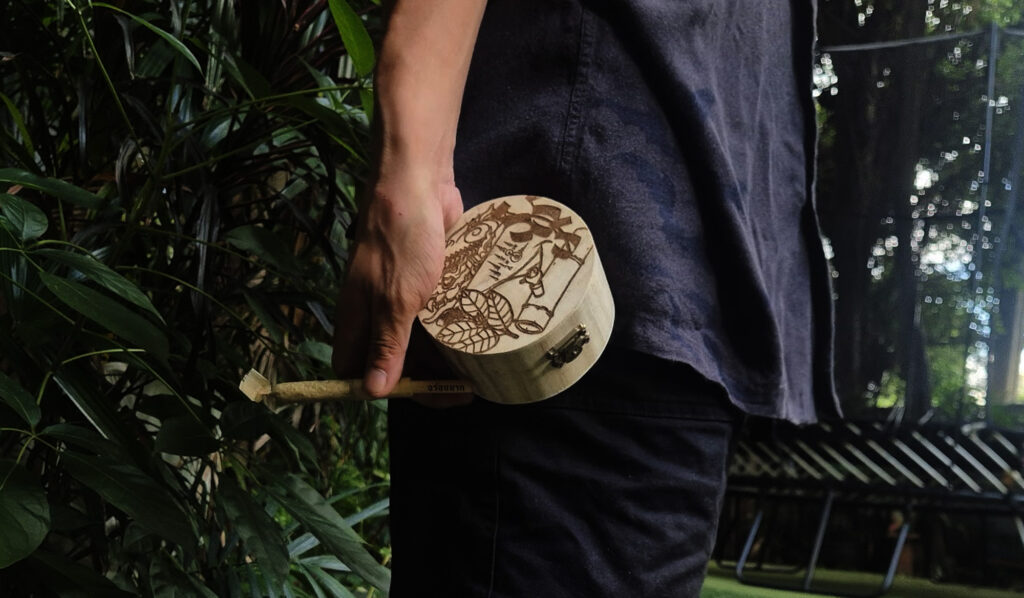

A bamboo filter may help some cannabis users create a “cleaner” and more considerate smoking setup, but it does not automatically make smoking safer or socially accepted. The main change often appears to be how the experience looks and feels: the materials, the reusability, and the etiquette around smell, ash, and cleanup.
In other words, the perceived “quality” of a smoking style is frequently shaped by consistency and care, not by chasing stronger effects. This article organizes on-the-ground observations from Thailand around bamboo filters, organic material choices, and daily-life presentation, while keeping claims limited to what can reasonably be explained without turning it into legal or medical certainty.
Can a Bamboo Filter Make Cannabis Smoking Feel “Cleaner” and More Acceptable?
This article does not attempt to prove that bamboo filters make cannabis safer, healthier, or medically superior.
Instead, it examines whether the use of natural materials and considerate setup may influence how cannabis smoking is perceived in everyday settings.
Based on repeated on-the-ground observation, certain smoking styles appear to create less visual and social friction than others.
This section focuses on perception, not physiological effects, and avoids making claims beyond what can reasonably be observed.
What this article can and cannot claim based on on-the-ground observation
What can be observed is that people often react differently depending on how cannabis is handled, prepared, and presented.
In shared or semi-public environments, tools made from natural materials are sometimes described as “softer,” “less harsh,” or “less aggressive” in impression.
What this article cannot claim is any guaranteed change in health outcomes, toxicity, or legal status.
No medical or legal conclusions are drawn, and no causal relationship is asserted between bamboo filters and physical effects.
The scope is limited to how people interpret and respond to visible behavior and materials during cannabis use.
Why “cleaner impression” often comes from materials and etiquette, not effects
A “cleaner” impression is frequently associated with what can be seen and understood at a glance, rather than what happens internally in the body.
Natural materials, reusable tools, and calm handling may signal care, intention, and restraint.
In many cases, discomfort around cannabis does not stem from the substance itself, but from odor, litter, noise, or careless behavior.
When these factors are controlled, the overall interaction often appears less confrontational.
This suggests that social acceptance may be influenced more by etiquette and presentation than by potency or intensity of effects.
Why People Choose a Bamboo Filter Instead of Paper or Plastic
People who choose bamboo filters often describe their decision as less about performance and more about how the smoking experience feels and fits into daily life.
Rather than seeking stronger effects, the focus tends to be on comfort, rhythm, and the relationship with the tool itself.
This section looks at commonly described reasons for choosing bamboo over disposable materials, without assuming superiority or measurable outcomes.
How “feel” and draw resistance are commonly described with natural materials
Natural materials like bamboo are often described as having a softer and more forgiving draw resistance compared to paper or plastic filters.
Users may perceive the airflow as less sharp or mechanical, which can make inhalation feel calmer and more controlled.
This sensation is usually framed in subjective terms such as “gentle,” “rounded,” or “less harsh,” rather than technical performance.
The material itself becomes part of the experience, influencing how the act of smoking is perceived moment to moment.
Importantly, these descriptions reflect personal perception, not standardized measurements or health claims.
Why reusability changes the daily-life relationship with smoking tools
Reusable tools tend to encourage a different mindset compared to disposable ones.
When a filter is washed, dried, and used again, it often shifts smoking from a throwaway action to a more intentional, maintained routine.
This can affect how frequently tools are discarded, how they are stored, and how much care is taken during use.
In everyday settings, reusability may also reduce visible waste, which can influence how the behavior is viewed by others.
Rather than changing effects, reusability mainly changes how the act of smoking fits into daily habits and surroundings.
What Problem Disposable Filters Create in the First Place
Disposable filters are often discussed not only as a smoking accessory, but as a persistent waste issue that extends beyond individual use. In many contexts, cigarette-style filters are framed as an environmental and visibility concern because they are small, easily discarded, and slow to degrade.
Why cigarette filters are treated as persistent waste in many studies
Cigarette filters are typically made from cellulose acetate, a form of plastic that does not readily biodegrade. Even after breaking down into smaller fragments, the material can remain in soil and water for extended periods.
Because of their size and volume, filters are among the most frequently collected items in urban and coastal cleanups, which has led researchers to treat them as a distinct category of long-lasting waste rather than ordinary litter.
According to: World Health Organization
How “small litter” becomes a visibility problem for cannabis culture, too
Small discarded items tend to accumulate in public spaces precisely because they are easy to overlook individually. In the context of cannabis use, filters and remnants may draw disproportionate attention when they appear repeatedly in visible areas.
This visibility can shape public perception, not through the act of smoking itself, but through what is left behind.
As a result, discussions around reusable or non-disposable tools often focus less on effects and more on how everyday waste contributes to broader cultural impressions.
What “Organic” Can Mean in a Medical Cannabis Smoking Setup
In a medical cannabis context, the word “organic” is often used less as a certification label and more as a shared expectation about materials and handling. Rather than referring to a single standard, it usually reflects how consistently natural or minimally processed components are chosen throughout the smoking setup.
How people commonly define “organic” across cannabis, herbs, paper, and filters
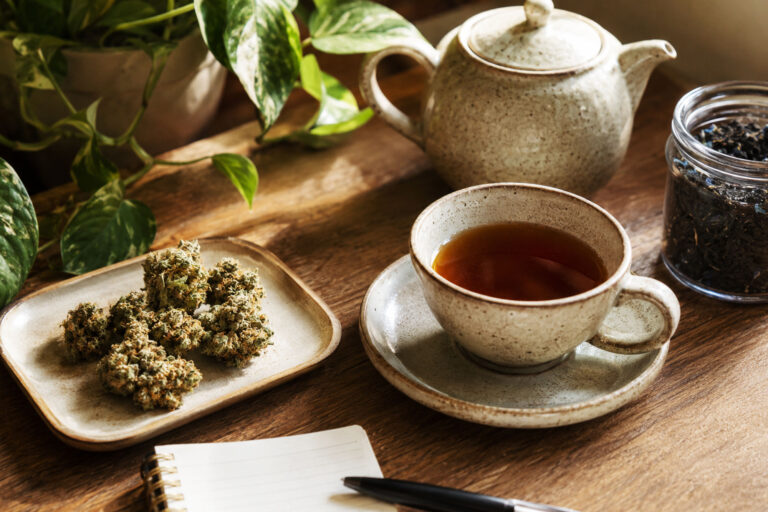
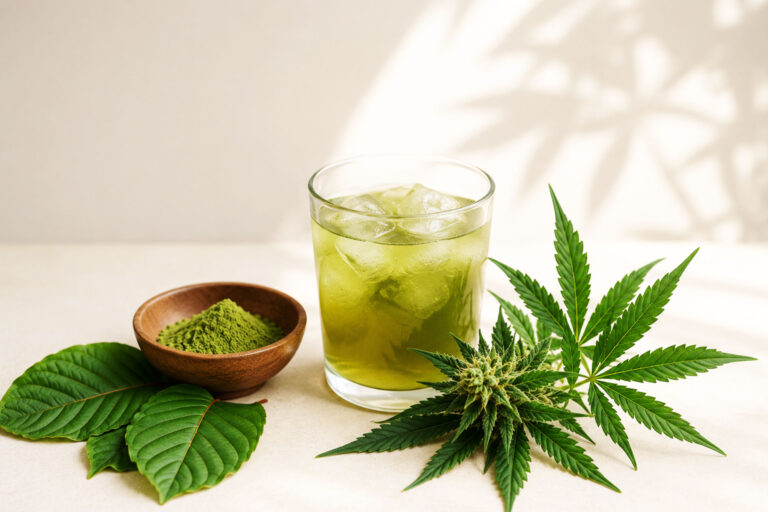
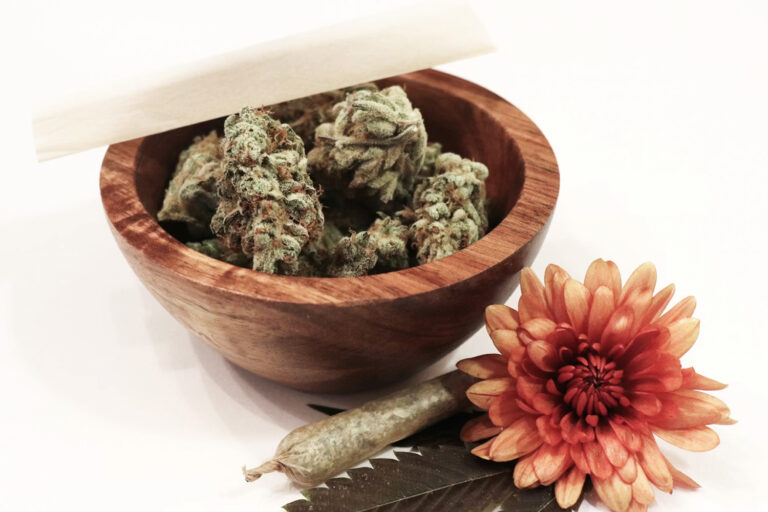
When people describe a smoking setup as organic, they are typically referring to the combined selection of materials: cannabis flower grown under regulated conditions, plant-based smoking herbs, unbleached rolling paper, and filters made from natural materials.
The emphasis is rarely on one item alone, but on whether each component aligns with the same material philosophy.
In medical contexts, this framing often overlaps with concerns about additives, residues, and unnecessary processing, rather than potency or intensity.
According to: World Health Organization
Why consistency in materials may matter more than “stronger effects”
For long-term or daily users, consistency is often discussed as a practical priority. Mixing materials with different processing levels may introduce variability in taste, heat, or irritation.
Using materials with similar origins and treatment is commonly described as producing a more predictable and manageable experience, even if it does not increase perceived strength.
In this sense, “organic” functions less as a claim about effects and more as a way to reduce friction in repeated use.
How Cannabis Supply Quality Is Chosen and Signaled in Thailand
In Thailand’s current cannabis environment, supply quality is rarely judged by a single visible label.
Instead, it is often communicated through a combination of certifications, sourcing claims, and retail presentation, especially at the dispensary level.
This section explains how quality is commonly selected and how those signals are interpreted in practice.
Why GACP is used as a compliance signal when selecting flower
GACP (Good Agricultural and Collection Practices) is frequently referenced when cannabis flower quality is discussed in Thailand.
Rather than guaranteeing potency or effects, GACP functions primarily as a cultivation and handling compliance framework.
For growers and retailers, referencing GACP helps signal that basic standards around cultivation environment, harvesting, and post-harvest handling have been considered.For consumers, especially visitors, the presence of GACP language is often read as an indicator that the product comes from a regulated and monitored supply chain, even when full details are not disclosed at point of sale.
How visitors may interpret dispensary curation as a safety proxy
Many visitors rely on dispensary curation as a practical shortcut when evaluating safety.
Clean interiors, structured menus, staff explanations, and visible sourcing narratives are commonly interpreted as signs that products have been selected with care.
This does not necessarily mean that all risks are eliminated.
However, in the absence of standardized consumer-facing labels, dispensary presentation often becomes a proxy for trust and risk reduction, particularly for those unfamiliar with local cultivation and regulatory nuances.
Why Some Users Mix Smoking Herbs With Medical Cannabis
Some medical cannabis users choose to mix smoking herbs with cannabis not to enhance psychoactive effects, but to adjust how the session unfolds. In on-the-ground observation, this practice is often described as a way to make smoking feel more manageable, especially for people who consume regularly or over longer periods of time. Rather than focusing on intensity, the emphasis tends to be placed on comfort, rhythm, and continuity.
How mixing may be used to manage pace, quantity, and comfort
Mixing smoking herbs with medical cannabis is commonly discussed as a method to slow down consumption speed and reduce the amount of cannabis used per session. By increasing volume without increasing potency, users may find it easier to control inhalation pace and avoid abrupt intensity changes. This approach is often framed as a practical adjustment rather than a technique aimed at producing stronger sensations.
Why “higher THC” is not always treated as “better” in long-term use
In longer-term use, higher THC concentration is not always treated as a clear advantage. Some users describe that maintaining daily or frequent use requires a balance that avoids fatigue, discomfort, or reduced enjoyment over time. From this perspective, moderation and consistency may be valued more than maximizing strength, and mixing herbs is sometimes positioned as one way to support that balance.
Why Bamboo Filters Are Used as a Craft-Based Alternative
Bamboo filters are often described as a craft-based alternative because they emphasize material choice and making process rather than industrial uniformity. In on-the-ground observation, their appeal is not framed around innovation or performance claims, but around the sense that a natural, hand-shaped object changes how smoking feels at a basic, physical level.
How handmade natural materials are described in terms of feel and comfort
Handmade bamboo filters are commonly described as feeling softer and less mechanical compared with paper or plastic alternatives. Users often mention that the draw resistance feels gentler and that contact with the mouth does not produce the dryness or stiffness associated with processed materials. These descriptions tend to focus on tactile comfort rather than measurable effects, positioning bamboo as a material that feels familiar and unobtrusive during use.
What reusability and maintenance imply for everyday practicality
Reusability is frequently discussed as a practical benefit rather than an environmental statement. Being able to wash and reuse a bamboo filter may reduce the need for constant replacement, which can make daily routines simpler for frequent users. Maintenance is usually framed as minimal and manageable, suggesting that long-term usability, rather than convenience at a single moment, is a key reason bamboo filters remain part of everyday setups.
What a Water-Based “Bamboo Pipe” Concept Suggests About Smoothness
A water-based bamboo pipe is often discussed as a way to adjust the physical sensation of smoke rather than its potency or effect. In practical terms, the concept suggests that passing smoke through water and natural materials may change how heat, moisture, and density are perceived during inhalation. This framing tends to focus on comfort and manageability rather than enhancement.
How cooling and particulate reduction are commonly discussed in water filtration
Water filtration is commonly described as a process that lowers smoke temperature and traps some particulate matter before inhalation. Users often associate this with a smoother sensation on the throat and lungs, particularly during longer or repeated sessions. These descriptions usually remain observational, emphasizing how water changes the feel of smoke rather than making claims about chemical removal or health outcomes.
Why shared settings often emphasize hygiene and considerate setup
In shared environments, water-based setups are frequently discussed in terms of hygiene and consideration for others. Separate mouthpieces, controlled water levels, and clean internal surfaces are seen as ways to reduce discomfort or unease when tools are passed between people. This emphasis suggests that smoothness is not only about smoke quality, but also about maintaining a calm and respectful shared experience.
How a Bamboo Filter and Water-Based Setup May Shape Perception Rather Than Effects
Based on on-the-ground observation, bamboo filters and water-based smoking setups are often discussed as tools that adjust the sensory and social aspects of smoking, rather than altering cannabis effects themselves. The emphasis tends to fall on materials, cleanliness, reusability, and shared etiquette.
Across different use cases, the idea of a “cleaner” or more acceptable impression appears to come from consistency in natural materials, controlled smoke temperature, and considerate handling, especially in shared settings. These elements may reduce friction with surroundings and make the act feel more aligned with everyday environments.
Rather than serving as advocacy or a technical claim, this perspective suggests that how cannabis is used can influence how it is perceived, without changing what cannabis fundamentally is. In that sense, bamboo-based tools are often framed as part of a broader cultural adjustment toward calmer, more deliberate use.
Note: This article is based on content originally published on the Japanese edition of OG Times .